
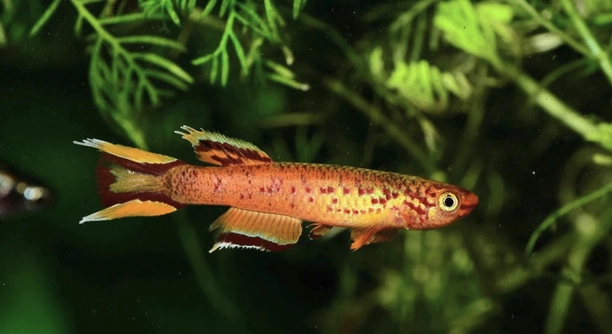
Killifish often show nervous behavior when placed in new tanks. Their quick movements and hiding can make them seem overly skittish at first. This reaction is a natural response to unfamiliar surroundings and sudden changes in their environment.
Killifish are skittish in new tanks mainly due to stress caused by sudden environmental changes. They rely on stable conditions to feel secure, so new tanks with unfamiliar sights, sounds, and water parameters trigger their flight instincts and cautious behavior.
Understanding why killifish act this way helps improve their care and makes acclimating them easier for any aquarist interested in their wellbeing.
Stress Factors Affecting Killifish in New Tanks
When killifish are introduced to a new tank, they face multiple stress factors. Changes in water temperature, chemistry, and lighting can overwhelm them. Sudden noises or movements nearby also increase their anxiety. Because killifish come from specific natural habitats, even small differences in their environment can feel threatening. Their instincts tell them to hide or dart away to stay safe. Many killifish species are used to dense vegetation or slow-moving water, which may be missing in a new tank setup. This lack of familiar cover leaves them exposed and vulnerable. Over time, if the environment remains stable, they gradually adjust and become more comfortable. Providing hiding spots and maintaining steady water conditions helps reduce their stress. Patience is essential since each killifish adapts at its own pace, sometimes taking weeks to settle fully.
These stress factors can be minimized by carefully setting up the tank before adding the fish.
Creating a comfortable habitat for killifish involves replicating their natural conditions. Use plants and decorations to mimic their environment, offering shelter and hiding places. Maintain stable water temperature and quality, avoiding sudden changes. Gradually acclimate new fish by slowly introducing them to the tank water. Minimizing noise and vibrations near the tank also helps. Observing the fish regularly allows you to spot signs of stress early. Feeding on a consistent schedule supports their health and reduces anxiety. When these conditions are met, killifish show calmer behavior and begin exploring more openly. The goal is to create a safe space that encourages trust, helping killifish feel secure and thrive in captivity.
Acclimating Killifish to Reduce Skittish Behavior
Acclimating killifish slowly is key to easing their stress in a new tank.
A gradual introduction to new water conditions helps killifish adjust safely. Use the drip acclimation method or float the bag in the tank to equalize temperature. Slowly mix tank water into their transport water over an hour or more. Avoid rapid changes to water chemistry, which can shock them. Once in the tank, give them time to explore and hide. Avoid sudden movements or loud noises during this period. Feeding them small amounts daily encourages confidence and normal behavior. Over time, killifish become more relaxed and less prone to sudden darting. This careful acclimation improves their overall health and happiness.
Environmental Adjustments for Calmer Killifish
Proper tank setup plays a major role in reducing killifish skittishness. Providing plenty of plants and hiding spots makes them feel secure. Soft lighting helps mimic their natural environment and reduces stress.
Adjusting water parameters to match the killifish’s natural habitat is crucial. These fish often come from slightly acidic to neutral pH waters and moderate hardness. Regular testing ensures stability and prevents sudden fluctuations, which can cause panic. Temperature should be consistent, usually between 72°F and 78°F, depending on species. Introducing gentle water flow instead of strong currents also supports their comfort. Small changes over time are better than drastic adjustments. By creating a calm environment, killifish are more likely to show relaxed, natural behavior and explore their tank without fear.
Providing places to hide reduces their stress levels. Floating plants or moss mats offer cover at the water surface, helping shy killifish feel less exposed. Leaf litter or driftwood can create shaded areas at the bottom. These elements not only enhance the tank’s appearance but also improve fish wellbeing. Observing the fish’s behavior will show when they feel secure enough to swim openly. This combination of water quality, lighting, and tank decor encourages killifish to settle more quickly.
Handling and Interaction Techniques
Approaching killifish calmly limits their flight responses. Sudden movements or tapping on the glass startle them and increase skittishness.
When feeding, offer food slowly and gently near their usual hiding spots. Avoid chasing or grabbing them, as this can cause long-lasting fear. Over time, they learn to associate your presence with positive experiences. Use a soft net if moving them to prevent injury and stress. Limiting handling to only when necessary is best. Consistency in your approach helps build trust, making killifish more comfortable in their tank environment.
Feeding Habits and Killifish Behavior
Killifish are naturally cautious feeders. They prefer small, frequent meals that mimic their diet in the wild. Overfeeding can cause stress and water quality issues.
Offering live or frozen foods like brine shrimp and daphnia encourages natural hunting behavior. These foods help keep killifish active and reduce nervousness by engaging their instincts.
Lighting Effects on Killifish Activity
Bright, harsh lighting can make killifish nervous and cause them to hide more often. Using dim or adjustable lighting helps create a calm environment that suits their needs.
Water Quality and Its Impact on Stress
Stable water quality is essential to keep killifish calm. Fluctuations in pH, ammonia, or nitrate levels cause discomfort and trigger skittish reactions.
Regular water testing and partial water changes keep conditions consistent. Clean water supports their health and encourages peaceful behavior in the tank.
Tank Mates and Killifish Comfort
Choosing compatible tank mates helps reduce stress in killifish. Avoid aggressive or overly active fish that can frighten them.
FAQ
Why do killifish hide so much in new tanks?
Killifish hide frequently in new tanks because they feel vulnerable. New environments bring unfamiliar sights, sounds, and water conditions. Hiding is their natural defense against perceived threats. It helps them avoid predators and reduces stress while they adjust. Providing plenty of plants and decorations allows them to feel safer and encourages more confident behavior over time.
How long does it take for killifish to stop being skittish?
The adjustment period varies but usually takes a few days to several weeks. Some killifish settle faster if their new tank closely matches their natural habitat. Patience and consistent care help them feel secure. Gradual acclimation and a calm environment reduce their stress and shorten the time they remain skittish.
Can handling killifish make them more nervous?
Yes, frequent or rough handling can increase killifish’s nervousness. They are delicate and sensitive to stress. Avoid handling them unless necessary, such as during tank cleaning or health checks. When moving them, use a soft net and handle gently. Limiting interactions helps build their trust and comfort in the tank.
What are signs that killifish are stressed?
Signs include constant hiding, rapid darting, loss of appetite, faded colors, and erratic swimming. Stress can also weaken their immune system, leading to illness. Watching their behavior closely helps catch early signs. Addressing tank conditions or environmental stressors promptly improves their wellbeing.
How does tank size affect killifish behavior?
A tank that is too small can increase killifish stress by limiting their swimming space and hiding areas. Larger tanks with proper decor provide room to explore and hide, making them feel safer. The recommended minimum tank size varies by species but usually starts at 10 gallons for smaller killifish.
Are killifish aggressive toward each other?
Most killifish are peaceful but can show territorial behavior, especially males. Providing ample space and hiding spots helps reduce aggression. Keeping only one male per tank or introducing several females balances social interactions and limits fighting.
What foods help reduce skittish behavior?
Live and frozen foods such as brine shrimp, daphnia, and bloodworms engage killifish’s natural hunting instincts. Feeding small amounts multiple times a day encourages activity and reduces nervousness. Avoid overfeeding, as uneaten food can harm water quality and cause additional stress.
Is lighting important for killifish comfort?
Yes, harsh or bright lighting can increase killifish anxiety. Dim or adjustable lighting better mimics their natural environment and reduces stress. Providing shaded areas with floating plants or decorations helps killifish feel secure.
How do I improve water quality to help killifish settle?
Maintaining stable water parameters is essential. Regularly test pH, ammonia, nitrite, and nitrate levels. Perform consistent partial water changes to keep water clean. Avoid sudden temperature or chemical changes. Using a reliable filter and avoiding overcrowding also supports healthy water conditions.
Can tank mates influence killifish’s skittishness?
Yes, aggressive or overly active tank mates can frighten killifish and increase their nervous behavior. Choose peaceful species that occupy different tank levels or swim patterns. Avoid larger fish or those known for bullying to ensure a calm environment. Compatible tank mates help killifish feel more secure and reduce hiding.
Final Thoughts
Killifish are naturally sensitive fish that often react strongly to new environments. Their skittish behavior in new tanks is a normal response to unfamiliar surroundings and changes in water conditions. Understanding this helps set realistic expectations for how they will behave during the first few days or weeks. Providing a calm and stable environment is key to helping them settle. When they feel safe and their needs are met, killifish will gradually become more relaxed and show their natural colors and behaviors.
Creating a suitable habitat involves careful attention to water quality, tank setup, and lighting. Keeping water parameters stable and matching their natural preferences prevents unnecessary stress. Using plants, decorations, and hiding spots offers shelter that killifish rely on to feel secure. Soft lighting that mimics their native habitat also reduces anxiety. Small, consistent feeding routines encourage their natural instincts and build confidence. All of these factors together make a big difference in how quickly killifish adapt to their new home.
Patience is important when caring for killifish. They may take time to explore and interact openly, especially in unfamiliar tanks. Avoid rushing or handling them too much, as this can increase fear and slow their adjustment. Observing their behavior closely helps you notice when they begin to feel comfortable. Over time, with steady care and proper conditions, killifish become calm and active, making them rewarding fish to keep. Understanding their needs and behavior leads to a healthier, happier fish and a more enjoyable aquarium experience.

Hello,
If you enjoy the content that we create, please consider saying a "Thank You!" by leaving a tip.
Every little bit helps us continue crafting quality advice that supports the health, happiness, and well-being of pets around the world, for pets of all shapes, sizes, and species.
We really appreciate the kindness and support that you show us!