
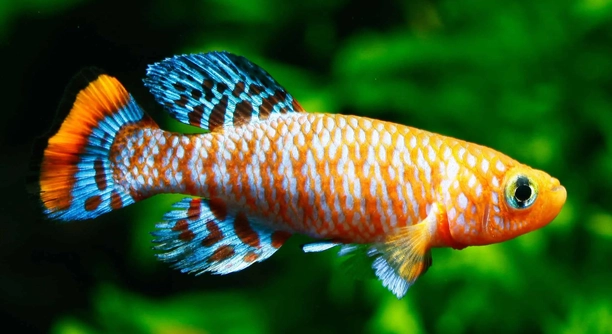
Using soil in a killi breeder tank is a topic that many aquarium hobbyists encounter. The choice of substrate can affect water quality and the health of delicate killifish. Understanding how soil interacts with these factors is important for successful breeding.
Soil can be used in a killi breeder tank, but it must be chosen carefully and prepared properly. It can influence water chemistry, especially by softening water and lowering pH, which benefits killifish that prefer acidic environments. However, soil may also release nutrients that cause water cloudiness or unwanted algae growth.
Knowing how soil affects your tank environment helps maintain healthy fish and successful breeding. This article explains the benefits and potential drawbacks of using soil as a substrate in killi tanks.
Choosing the Right Soil for a Killi Breeder Tank
Not all soils are suitable for killifish tanks. The soil should be free of chemicals, fertilizers, or additives that could harm the fish or alter water quality too much. Many hobbyists prefer natural, untreated topsoil or laterite soil because they gently soften the water and lower pH without introducing toxins. It is important to rinse the soil well before adding it to the tank to remove dust and debris that could cloud the water. Avoid soils with high clay content, as they tend to compact and reduce oxygen flow to beneficial bacteria. Using soil designed for aquatic plants can also be helpful, as these soils are formulated to support healthy tank conditions. Monitoring water parameters regularly after adding soil is essential to catch any changes early and keep the environment stable for the killifish.
Using natural, untreated soil with no chemicals is the safest approach for killi tanks. Proper preparation helps maintain good water quality.
Careful soil selection ensures the tank environment supports healthy breeding. The soil’s ability to soften water and gently influence pH creates a more natural habitat for killifish. It also provides a base for aquatic plants, which can improve water conditions and offer hiding spots for fish and fry. However, soil may release nutrients slowly, potentially encouraging algae growth if the tank is not well balanced. Maintaining regular water changes and controlling light exposure can reduce this risk. Overall, the right soil can contribute positively to the health and breeding success of killifish by mimicking their natural habitat closely.
Preparing Soil Before Adding It to the Tank
Rinsing soil is a necessary step to avoid muddy water. This helps remove dust and small particles.
Before placing soil in the tank, it should be soaked and rinsed multiple times to clear out fine particles. This reduces cloudiness when the soil is first introduced. Some hobbyists prefer to bake or boil the soil to kill any pathogens or unwanted organisms. After rinsing, spread the soil evenly in the tank, keeping the layer thin to allow good water flow and prevent compaction. Adding soil gradually and observing water conditions helps prevent sudden changes that could stress the fish. Using a filter with gentle flow can further stabilize water clarity and quality. By taking these preparation steps, the tank becomes a safer environment that supports killifish health and breeding.
Effects of Soil on Water Quality
Soil affects water chemistry by releasing minerals and organic matter. This can lower pH and soften the water, which is good for many killifish species. However, it may also cause cloudiness if not prepared correctly.
When soil is added to a tank, it can slowly release tannins and nutrients. These substances help create an acidic, soft water environment preferred by many killifish. The presence of tannins gives the water a slight tea-colored tint, which mimics their natural habitat. But if the soil contains too many organic particles or breaks down quickly, it can lead to cloudy water or spikes in ammonia and nitrites. This is why regular water testing is important after adding soil. Filtration and water changes help keep the tank stable and safe for the fish.
In some cases, soil can encourage beneficial bacteria growth, which helps in biological filtration. Yet, it can also feed algae if excess nutrients build up. Managing light exposure and cleaning the tank regularly can prevent algae problems. Overall, soil’s impact on water quality depends on careful selection and maintenance practices.
Soil and Plant Growth in Killi Tanks
Soil can be an excellent base for aquatic plants, supporting their root systems and growth. Plants help improve water quality by absorbing nutrients released from the soil.
Adding live plants to a killi breeder tank with soil creates a balanced environment. Healthy plants use the nutrients from the soil to grow strong roots, which in turn stabilize the substrate. They also absorb ammonia and nitrates, reducing harmful compounds for the fish. Rooted plants provide hiding spots for killifish and their fry, making the tank feel more natural. However, some plants may require nutrient supplements if the soil is low in minerals. Proper lighting and occasional fertilization can help maintain plant health, enhancing the overall tank environment and improving conditions for breeding.
Cleaning and Maintenance Tips for Soil Substrate
Regular cleaning helps prevent buildup of waste in the soil. Using gentle siphoning can remove debris without disturbing the substrate too much.
Avoid stirring the soil too deeply, as this can release trapped toxins and cloud the water. Light surface cleaning combined with water changes keeps the tank healthy.
Avoiding Common Problems with Soil in Killi Tanks
Soil can cause problems like water cloudiness and algae growth if not managed properly. Overfeeding fish or poor filtration worsens these issues. Keep water clean with regular changes and avoid excessive light. Use a filter suitable for delicate killifish to maintain water quality and clarity.
Alternatives to Soil Substrate
Some hobbyists use peat moss, sand, or aquarium plant substrates instead of soil. These options can also soften water and lower pH but differ in nutrient release and maintenance needs. Choose a substrate based on the specific needs of your killifish and your tank setup.
Monitoring Water Parameters
Consistently check pH, hardness, and ammonia levels. This helps catch any changes caused by soil before they harm fish or plants.
FAQ
Can I use any type of soil in a killi breeder tank?
Not all soils are safe for killifish tanks. Avoid soils with fertilizers, chemicals, or additives that may harm fish or disrupt water quality. Natural, untreated topsoil or laterite is preferred because they gently soften water and lower pH without toxic effects. Always rinse soil thoroughly before use to remove dust and fine particles. Using soil specifically designed for aquatic plants can also be a safer choice.
Will soil change my tank’s water color?
Yes, soil can release tannins, which give the water a light brown or tea-colored tint. This is natural and mimics the killifish’s natural environment. While the color may be unusual at first, it is usually harmless and can even benefit killifish by reducing stress. If you prefer clearer water, activated carbon filters can help reduce tannin color over time.
How often should I clean the soil substrate?
Cleaning soil substrates should be done gently and sparingly. Avoid deep stirring, which can release toxins and cloud the water. Use a siphon carefully to remove surface debris during water changes. Regular water changes and good filtration help maintain a clean environment without disturbing the soil layer too much.
Can soil cause algae growth?
Soil releases nutrients that plants and algae can use. If there are too many nutrients and excess light, algae may grow more quickly. Controlling light duration and intensity, feeding fish moderately, and maintaining regular water changes can reduce algae problems. Healthy plants growing in the soil can also outcompete algae by using up nutrients.
Is soil good for planted killi tanks?
Yes, soil is excellent for planted tanks because it supports strong root growth and provides nutrients plants need. This can create a balanced ecosystem where plants help absorb fish waste and improve water quality. However, some plants might need extra fertilization if the soil lacks certain minerals.
How do I prepare soil before adding it to the tank?
Rinse soil thoroughly to remove dust and small particles that cause cloudiness. Some people soak or boil soil to kill any unwanted organisms. After rinsing, place a thin, even layer in the tank to allow good water flow and prevent compaction. Adding soil slowly while monitoring water conditions helps avoid stress to fish.
Will soil affect water pH and hardness?
Soil typically lowers pH and softens water, which benefits many killifish species that prefer acidic, soft water. This helps create a more natural and comfortable environment. However, it’s important to monitor water parameters regularly, as changes can sometimes be too drastic if the soil is not suitable or prepared well.
Can I mix soil with other substrates?
Mixing soil with sand or gravel is possible and sometimes recommended to prevent soil compaction and improve water flow. A layer of soil covered by a thin layer of sand or fine gravel can keep the soil in place and reduce cloudiness. This combination can also help balance water chemistry while providing a natural look.
How long does soil last in a killi breeder tank?
Soil can last for years if properly maintained. Over time, it may break down or release fewer nutrients, which can affect plant growth. When this happens, refreshing or replacing the soil layer might be necessary. Regular observation and water testing help determine when soil maintenance or replacement is needed.
Can soil harm my killifish?
If the wrong type of soil is used or if it is not prepared properly, soil can release harmful substances like ammonia or toxins. This can stress or even harm killifish. Using natural, untreated soil, rinsing it well, and monitoring water quality reduce these risks. Proper filtration and regular water changes are also important to keep fish healthy.
Using soil in a killi breeder tank can be a good choice when done carefully. It helps create a natural environment that many killifish prefer, especially by softening the water and lowering the pH. This mimics the conditions they would find in their natural habitats, which can improve their health and encourage breeding. However, not all soils are safe or suitable for aquarium use. Choosing natural, untreated soil without chemicals or fertilizers is important. Preparing the soil well by rinsing it to remove dust and debris helps keep the water clear and healthy for the fish.
Soil also supports plant growth in the tank. Aquatic plants rooted in soil benefit from the nutrients it releases. Healthy plants help maintain water quality by absorbing harmful substances like ammonia and nitrates. This creates a more balanced tank environment, which is good for killifish and their fry. However, soil can release nutrients that may encourage algae growth if not managed properly. It is important to control light exposure, avoid overfeeding, and keep up with regular water changes to prevent algae problems. Taking care of the soil and plants together contributes to a stable, thriving aquarium.
Maintaining a tank with soil substrate requires some extra attention. Regular monitoring of water parameters, like pH, hardness, and ammonia levels, is key to spotting any changes that could harm the fish. Cleaning should be gentle to avoid disturbing the soil too much, which can cause cloudiness and release toxins. Using a filter with gentle flow and performing routine water changes will help keep the environment safe and comfortable. Overall, soil can be a useful addition to a killi breeder tank if chosen carefully and cared for properly. This makes it possible to create a healthy, natural space that supports the well-being and breeding success of killifish.

Hello,
If you enjoy the content that we create, please consider saying a "Thank You!" by leaving a tip.
Every little bit helps us continue crafting quality advice that supports the health, happiness, and well-being of pets around the world, for pets of all shapes, sizes, and species.
We really appreciate the kindness and support that you show us!