
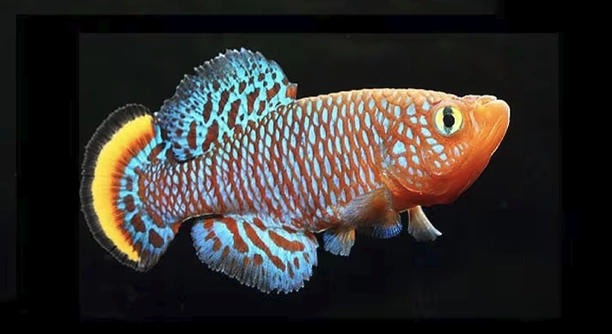
Are your Killi fish acting oddly whenever there’s noise around your home, making you wonder if they might be sound-sensitive?
Killi fish are indeed sensitive to loud sounds due to their acute hearing and lateral line system. Sudden or prolonged noise can trigger stress responses, alter behavior, and potentially affect their overall health and breeding success.
Understanding how sound impacts their behavior can help you create a calmer, healthier environment for your Killi fish to thrive.
Why Killi Fish React to Loud Sounds
Killi fish are small, active fish that rely on their senses to navigate their environment. Their lateral line system picks up vibrations in the water, and their inner ears detect sounds. This makes them very aware of any noise around their tank. Loud or sudden sounds, such as dropping objects, slamming doors, or high-volume music, can startle them and trigger a stress response. You may notice them hiding, swimming erratically, or refusing food. Constant exposure to noise can weaken their immune system and affect their breeding behavior. Since they live in smaller aquariums compared to other species, sound waves can travel more easily through the tank. This amplifies the effect and makes them more vulnerable. It’s important to recognize how sensitive they are so you can make small changes that help them feel secure. A quieter space and consistent tank environment can greatly reduce their stress.
A stressed Killi fish may appear less active, have faded colors, or stay near the bottom of the tank more often than usual.
While they may not show it immediately, repeated stress from loud sounds can have long-term effects on their health. That’s why it’s worth paying attention to the noise level around their tank and making adjustments.
Reducing Sound Exposure
Place their tank in a low-traffic area away from speakers, televisions, or slamming doors to limit exposure to loud vibrations and noise.
Some common household items can help dampen noise around the tank. Using a stand with a padded base or placing soft materials like towels under the aquarium can absorb vibrations. You can also use a background or side panels to muffle sounds coming from behind or beside the tank. Avoid tapping on the glass or letting pets get too close. These small changes create a more peaceful space and prevent your Killi fish from getting startled easily. If your home has many people coming and going, consider adding plants or decorations inside the tank to offer hiding spots. These act as safe zones where the fish can retreat when they feel uneasy. Keep the tank lid secure as well, since startled fish may jump. Creating a more stable and quiet setup will help maintain your Killi fish’s well-being over time.
Signs Your Killi Fish Is Stressed by Sound
If your Killi fish is reacting to loud sounds, it may hide often, stop eating, or swim in quick, jerky movements. These signs usually appear after sudden noise, and they may continue if the sound exposure doesn’t stop.
Stress in Killi fish can show up in different ways. They may stay near the bottom of the tank or behind plants more than usual. Some may lose their bright colors, showing pale or dull shades instead. Others might skip feeding times or spit food out. If you notice them jumping or crashing into the sides of the tank after hearing a loud sound, this is likely a stress reaction. Sometimes, they also breathe more heavily or show clamped fins, where their fins stay close to the body. These physical and behavioral signs help signal when something in their environment, like loud noise, is making them uncomfortable or anxious.
Even small, repeated noises can lead to long-term stress. Over time, this can weaken their immune system and make them more likely to get sick. You may notice more frequent infections or trouble during spawning periods. Some fish might also show reduced energy, staying still for long periods. If sound exposure continues, their overall activity level and appetite might not return to normal, even when the noise stops. That’s why it’s important to act quickly once these signs appear. Observing your fish closely and connecting their behavior to possible triggers, like sound, is a helpful way to catch problems early and prevent further stress. Small adjustments can make a real difference in their recovery.
Creating a Calmer Tank Environment
A quiet tank setup doesn’t require expensive gear. A padded mat under the tank stand can reduce vibrations. Keeping the tank away from busy spots and loud devices helps avoid unexpected sound spikes that may scare your fish.
You can also improve your tank layout to support a calm environment. Adding more plants, caves, or small shelters gives your Killi fish places to hide when they feel uneasy. Choose natural decorations that don’t reflect sound, like driftwood or smooth rocks, instead of hard plastic. Keep your tank lights on a timer to avoid sudden changes. Limit rearranging the tank often—stable surroundings help fish feel safer. Make sure the filter and air pump aren’t causing extra noise; placing a sponge or rubber pad under them can reduce vibrations. Monitor nearby activity—walking heavily near the tank or slamming nearby doors can send pressure waves through the water, which may startle your fish.
Monitoring Sound Around the Tank
Pay attention to where noise comes from in your home. Loud TVs, speakers, or washing machines can all create strong vibrations that affect your tank. Even sounds from other rooms can carry through floors and walls, stressing your fish.
Try standing near the tank during regular activities. If you feel strong vibrations or hear loud noises, your fish probably do too. Adjusting furniture, softening floors, or relocating the tank can help reduce these disruptions.
When to Be Concerned
If your Killi fish shows repeated signs of stress even after you reduce noise, it may be time to check other causes. Look at water quality, tank mates, lighting, and feeding routines. Sometimes, a combination of factors leads to ongoing stress. Noise might trigger the initial reaction, but poor water conditions or aggression from other fish can keep it going. Check ammonia and nitrate levels, and ensure the tank is cycled properly. Try isolating the fish for a few days in a quieter space to see if behavior improves. If problems continue, consider speaking with a vet who has experience with fish.
Final Tip to Keep in Mind
Keeping your tank setup consistent and your environment calm can make a big difference in your Killi fish’s comfort and behavior.
FAQ
Can loud music stress out my Killi fish?
Yes, loud music can cause stress in Killi fish. Sound waves from speakers or subwoofers can travel through furniture and into the water. Fish are sensitive to these vibrations. If music is played often or at a high volume near their tank, it may lead to hiding, loss of appetite, or even weakened immunity. It’s best to keep speakers at a distance and maintain a moderate volume, especially if the tank is in the same room where music is played often.
Do Killi fish hear the same way we do?
Killi fish don’t hear in the same way humans do. They detect sound through internal ear structures and a lateral line system that senses water movement. Instead of “hearing” the sound itself, they mostly feel the vibration it creates in their environment. These vibrations alert them to movement or danger. Loud noises from outside the tank may feel like pressure waves or sudden disturbances, which can easily trigger their instinct to hide or become still.
Will sound from a nearby TV harm my fish?
A nearby TV, especially one placed on the same furniture as the tank, can be stressful to Killi fish. The sound doesn’t need to be extremely loud—vibrations that travel through the furniture or flooring can still affect them. If you must keep a TV near the tank, place the aquarium on a separate stand with cushioning underneath to help block the vibration. Also, reduce the volume during louder scenes, especially those with heavy bass or sudden bursts of sound.
Can noise affect my fish’s ability to breed?
Yes, stress caused by noise can interfere with breeding behavior. Killi fish need calm, stable surroundings to feel comfortable enough to lay eggs. If the tank environment is constantly disturbed by loud or sudden noise, the fish may become too anxious to interact, display mating behavior, or guard eggs properly. A peaceful tank environment helps support successful breeding and healthy fry development. Try to limit foot traffic, loud conversations, and electronics near the tank when trying to encourage spawning.
What kind of noises are safe for Killi fish?
Soft background noise like quiet conversation, distant traffic, or a gentle fan usually won’t bother Killi fish. These are consistent sounds that don’t cause sudden changes in vibration. Sudden bangs, sharp voices, or low-frequency sounds like bass are more disturbing. If your home tends to have regular background sound, your Killi fish may get used to it over time, as long as it doesn’t fluctuate too much or get overly loud. Consistency is key.
Should I move my tank to a different room?
If your tank is placed in a high-traffic area or close to a source of constant noise, moving it to a quieter space may help. Choose a room where the volume of electronics, foot traffic, and other disturbances is minimal. Bedrooms or quiet corners of living rooms often work well. Just make sure the new location has steady temperature, no drafts, and good access for maintenance. Sometimes, a simple relocation makes a big difference in your fish’s behavior.
How do I know if vibrations are bothering my fish?
If your Killi fish dart around suddenly, freeze in place, hide more often, or stop eating after certain activities—like walking past the tank or playing music—vibrations may be the cause. You can also lightly rest your hand on the tank stand during those activities to feel for any shaking. Even subtle movements can transfer into the water and unsettle your fish. If possible, test by quieting the area for a full day and observing changes in their behavior.
Can filter noise affect Killi fish too?
Yes, even equipment inside the tank can be a stress factor. Filters that rattle, hum loudly, or vibrate against the tank walls may bother Killi fish over time. You can reduce this by checking for loose components or padding under the filter base. Internal sponge filters are often quieter than hang-on-back models. Also, make sure air pumps are placed on a soft surface like foam or cloth to minimize transmitted noise. A quieter setup encourages calmer fish behavior.
What’s the best way to soundproof a fish tank area?
You don’t need to fully soundproof a room. Instead, focus on reducing direct noise and vibration around the tank. Use padded stands, avoid placing tanks on shared furniture with electronics, and add soft flooring nearby to absorb sound. Adding decorations and plants inside the tank also helps break up the water movement caused by vibrations. Curtains, rugs, and fabric furniture in the room also lower ambient sound. These small steps can go a long way in keeping the tank peaceful.
Can Killi fish get used to noise over time?
Killi fish may adapt to certain background noises if the sound is steady and non-threatening. However, they don’t respond well to unpredictable, loud, or jarring sounds. Repeated exposure to stressful noise can still cause harm, even if the fish seem fine at first. Just because they don’t react visibly doesn’t mean their stress levels are low. Always aim to keep their environment as calm and stable as possible. A quiet, well-maintained tank leads to healthier and more active fish.
Final Thoughts
Killi fish are delicate and responsive creatures that rely on a calm environment to stay healthy. Loud or frequent noise can be more than just a small distraction—it can affect their behavior, appetite, and even their overall well-being. Many fish keepers may not realize how much everyday sounds like music, TV, or foot traffic can influence the water vibrations that Killi fish sense. Being aware of their sensitivity and making small changes around their tank can help lower stress and keep them active and comfortable. A quieter home setup benefits not only Killi fish but also makes fishkeeping more peaceful and enjoyable for you.
Creating a safe space doesn’t have to be complicated. Choosing the right location for your tank, using soft materials to absorb sound, and avoiding sudden loud noises are easy steps that can have a real impact. Watching for early signs of stress—like hiding, dull colors, or sudden movement—gives you time to adjust things before it becomes a bigger problem. Regular monitoring, both of the tank environment and of your fish’s behavior, helps you stay ahead of any issues. When the tank is stable and quiet, Killi fish are more likely to show natural behaviors like exploring, feeding, and possibly even breeding.
Taking sound into consideration is just one part of providing good care. But it’s often overlooked, especially in homes where noise is part of daily life. While you can’t control everything, you can choose where to place the tank and how to manage activities nearby. A calm tank leads to healthier fish, and in the long run, fewer problems to fix. Killi fish may be small, but they respond clearly when something is off. By noticing those signs and adjusting your setup, you’re making sure they feel safe in their space. A little attention to sound can go a long way toward helping your Killi fish thrive in their home.

Hello,
If you enjoy the content that we create, please consider saying a "Thank You!" by leaving a tip.
Every little bit helps us continue crafting quality advice that supports the health, happiness, and well-being of pets around the world, for pets of all shapes, sizes, and species.
We really appreciate the kindness and support that you show us!