What Does It Mean When Threadfin Rainbowfish Shiver?
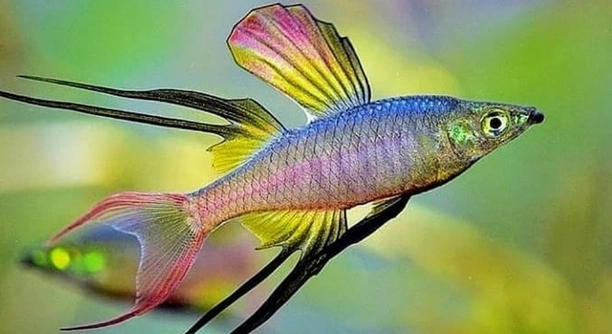
Threadfin Rainbowfish are known for their graceful movements and shimmering colors in home aquariums. Observing them closely can reveal subtle behaviors, including occasional shivering that may catch your attention as you care for your fish. Shivering in Threadfin Rainbowfish is often a response to environmental factors such as water temperature changes, stress, or the presence … Read more
What Is the Minimum Group Size for Threadfin Rainbowfish?

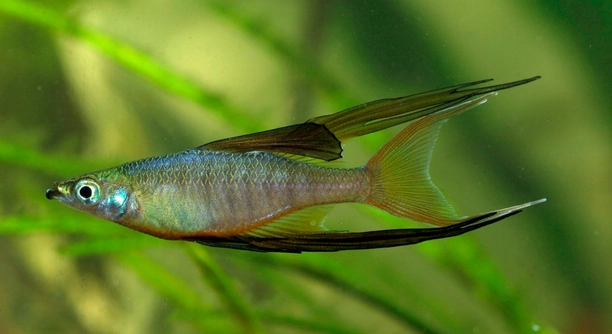
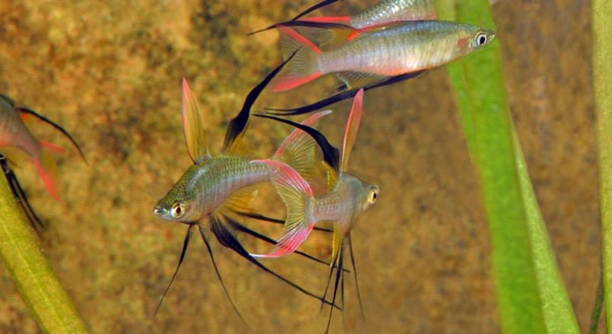
Many aquarium enthusiasts enjoy keeping threadfin rainbowfish for their striking colors and lively behavior. These fish are peaceful and social, thriving best when their natural tendencies and environment are carefully considered in a home tank setting. The minimum group size for threadfin rainbowfish is generally six individuals. Keeping them in smaller numbers can cause stress, … Read more

Should Threadfin Rainbowfish Be Kept in Schools? (Answered)

Do you enjoy keeping tropical fish but find yourself unsure about the best ways to house them? Threadfin Rainbowfish are known for their vibrant colors and active swimming, making them popular in home aquariums. Their delicate nature requires careful consideration. Threadfin Rainbowfish are best kept in schools due to their social and schooling behavior. Maintaining … Read more

Why Threadfins Might Swim Along the Back Glass

Many aquarists enjoy keeping threadfins in home tanks but notice them swimming unusually close to the back glass. This behavior often catches attention, leaving fish owners trying to understand what prompts it. Observing carefully can reveal patterns. Threadfins often swim along the back glass due to a combination of environmental stimuli, stress, and territorial instincts. … Read more

Do Threadfins Pause When the Room Lights Turn Off?

Threadfins are interesting fish that many keep in home aquariums. Their movements and behaviors can seem unusual, especially when the environment changes. Observing them under different conditions often raises questions about their activity patterns. Threadfins do not fully pause when room lights turn off, but their activity decreases significantly. Reduced light causes slower swimming and … Read more

7 Feeding Times That Work Best for Threadfins

Feeding threadfins can feel tricky at first, especially when trying to balance their natural habits with regular care routines. Many hobbyists want to make sure their fish are healthy and active without overfeeding them. The best feeding times for threadfins are spaced throughout the day to match their natural activity patterns. Providing small, consistent meals … Read more

7 Common Problems from Overcrowded Threadfin Tanks

Overcrowding in threadfin tanks can create more stress than many aquarists realize. Fish may compete for space and resources, leading to behavioral changes and a decline in overall tank harmony. This issue is more common than expected. Overcrowded threadfin tanks often result in poor water quality, increased aggression, stunted growth, and susceptibility to disease. Maintaining … Read more

7 Benefits of Using Natural Light in Threadfin Tanks

Do you ever notice how threadfin tanks look brighter and more inviting with natural sunlight streaming in? Using natural light can change the atmosphere of your tank, making it feel healthier and more lively for your fish. Natural light in threadfin tanks supports fish health, enhances growth, and maintains a balanced environment. It helps regulate … Read more

How Threadfin Rainbowfish Interact with Air Stones

Threadfin Rainbowfish are lively and colorful fish that many aquarium enthusiasts enjoy keeping. Their playful movements make them fun to watch, especially when they swim in groups, exploring every corner of their tank. These fish are active and social. Threadfin Rainbowfish interact with air stones primarily through gentle curiosity and swimming behavior. They often investigate … Read more