
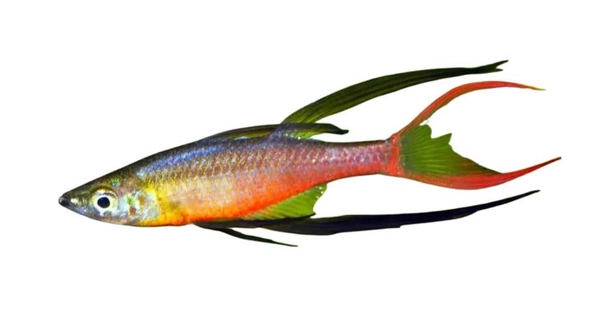
Threadfins are interesting fish that many keep in home aquariums. Their movements and behaviors can seem unusual, especially when the environment changes. Observing them under different conditions often raises questions about their activity patterns.
Threadfins do not fully pause when room lights turn off, but their activity decreases significantly. Reduced light causes slower swimming and resting behavior, reflecting natural instincts to conserve energy during darker periods while remaining alert to their surroundings.
Understanding how light affects threadfins can improve aquarium care and help maintain their health in a controlled environment. Learning these patterns supports better interaction and observation of their natural behaviors.
Understanding Threadfin Behavior in Low Light
Threadfins respond noticeably when the lighting in a room changes. When lights go off, their swimming slows, and they often hover near the bottom or edges of the tank. This behavior is natural, as reduced light signals a less active period, similar to resting in the wild. Many aquarists notice that threadfins may drift slowly in groups or alone, conserving energy while remaining alert. Movement becomes deliberate rather than frantic, showing a shift from exploration to low-intensity activity. Even when inactive, small fin movements continue, allowing them to adjust position and maintain balance. The behavior varies slightly depending on age, size, and tank setup. Juvenile threadfins might show more bursts of motion in darkness, while adults prefer steadier gliding. Observing these patterns helps predict feeding times and interactions. Adjusting light gradually instead of abrupt changes can reduce stress and encourage more natural rest cycles. Tank layout, plants, and hiding spots also influence how threadfins react to dim conditions.
The decrease in movement is temporary, returning once lights are on.
Low-light behavior is not a sign of illness. It reflects natural patterns, and maintaining consistent lighting helps threadfins stay healthy, active, and stress-free.
Tips for Managing Aquarium Lighting
Controlling light cycles in your aquarium improves threadfin comfort and activity levels.
A timer can simulate natural day-night cycles, gradually dimming or brightening the tank. Consistent cycles reduce stress and allow threadfins to establish predictable routines. Avoid sudden darkness, which may startle them, causing erratic swimming or hiding. Soft lighting can be used during observation or maintenance to minimize disruption. Positioning plants, rocks, or other décor provides shelter, giving threadfins secure spots during darker periods. Observing their behavior over several days helps identify optimal light duration for rest and activity. Proper lighting also supports plant growth and prevents algae overgrowth. Remember, each tank is unique—monitoring individual responses is crucial. Adjustments in intensity, duration, or placement can create a balanced environment, promoting healthy swimming patterns. Over time, these measures reduce stress, improve feeding response, and support overall well-being, making the aquarium a stable habitat for threadfins to thrive while displaying natural behaviors.
Adjusting Feeding Schedules
Threadfins are less active in low light, so feeding during bright periods encourages consistent eating habits.
Feeding them when lights are on ensures they are alert and able to find food easily. Observing their response helps determine portion sizes and timing. Sudden darkness during feeding can stress them, reducing appetite. Adjusting meals to coincide with activity cycles prevents uneaten food from polluting the tank. Some owners split meals, offering small amounts multiple times a day to mimic natural foraging. Maintaining predictable feeding schedules also reinforces normal swimming patterns and reduces competition between fish. Tracking how they react to light changes allows fine-tuning of feeding routines.
Overfeeding in low-light conditions can lead to water quality issues. Monitoring both behavior and leftover food is key to keeping the tank healthy and threadfins thriving.
Environmental Enrichment for Threadfins
Adding plants, rocks, and hiding spaces makes threadfins feel secure.
These structures create areas where threadfins can rest or explore safely. Dense plants provide shade during dim periods, encouraging natural gliding and resting behavior. Rocks and ledges give secure spots for adults, while juveniles use smaller spaces to feel protected. Proper placement ensures swimming paths remain open, preventing stress and collisions. Changing décor gradually allows threadfins to adjust without startling them. Observing interactions with the environment can highlight preferences for certain areas or structures. Rotating enrichment elements occasionally keeps the tank stimulating and encourages activity. Lighting placement also affects how fish use these spaces, balancing shaded and well-lit zones. Combining environmental enrichment with controlled lighting creates a harmonious tank that supports natural activity, feeding, and resting patterns while reducing stress and enhancing overall well-being.
Light Sensitivity in Threadfins
Threadfins are sensitive to sudden changes in light, which can startle them.
Gradual dimming helps them adjust naturally, preventing stress and erratic swimming. Observing their reactions ensures a comfortable environment and maintains normal behavior patterns.
Monitoring Activity Levels
Tracking movement throughout the day helps identify natural cycles. Threadfins often show peak activity during bright periods, slowing down when light decreases. Recording swimming speed, position, and feeding response provides insight into their health and comfort. Variations in activity can indicate stress, illness, or tank issues. Monitoring over several days or weeks allows owners to adjust light, feeding, and enrichment to support natural behavior. Consistent observation ensures that changes in activity are addressed early, keeping threadfins healthy and promoting predictable, calm movement patterns.
Maintaining Water Quality
Clean, well-filtered water supports natural activity and rest.
FAQ
Why do threadfins slow down when the lights go off?
Threadfins naturally respond to changes in light because it signals resting periods. Reduced light encourages slower swimming and hovering near shelter areas. This is not a sign of illness; it is a normal energy-saving behavior that mirrors their instincts in the wild.
Can threadfins fully sleep in darkness?
Threadfins do not sleep like mammals. They enter a low-activity state, remaining alert while conserving energy. Small fin movements continue to maintain balance and position. Providing shaded or secure areas in the tank helps them rest comfortably without stress.
Is it harmful to turn off aquarium lights suddenly?
Sudden darkness can startle threadfins, causing rapid swimming or hiding. Gradual dimming is safer and reduces stress. Using a timer or dimmer simulates natural sunrise and sunset, helping fish adjust naturally to changing light conditions.
How long should aquarium lights stay on for threadfins?
A typical cycle is 10–12 hours of light and 12–14 hours of darkness, similar to natural daylight patterns. Adjusting based on observation is important; threadfins may prefer slightly longer or shorter light periods depending on age, tank size, and tank décor.
Do threadfins need low-light areas in the tank?
Yes, shaded zones or hiding spots are essential. These areas allow fish to reduce stress, rest safely, and mimic natural environments. Plants, rocks, or ledges provide comfort and encourage natural gliding and hovering behaviors.
Will threadfins stop eating if lights are off?
Threadfins are less likely to feed in darkness because low light reduces alertness and activity. Feeding during bright periods ensures better appetite and reduces wasted food. Splitting meals into smaller portions throughout active periods can mimic natural foraging.
Can artificial light affect threadfin behavior long-term?
Improper lighting, either too bright or inconsistent, can cause stress and disrupt natural cycles. Maintaining predictable lighting encourages steady activity, normal feeding patterns, and healthy swimming. Observation is key to adjusting intensity, duration, and placement.
How do you tell if a threadfin is stressed by light changes?
Signs include rapid swimming, hiding, fin clamping, or unusual tank positioning. Gradually adjusting light, adding shaded areas, and keeping a consistent schedule usually alleviates stress. Tracking daily activity helps identify if environmental factors are affecting comfort.
Does the size or number of threadfins affect their response to lights?
Yes, larger or older threadfins may move slower naturally, while juveniles may react more quickly to light changes. Overcrowding can increase stress and make them more sensitive to sudden lighting shifts. Proper spacing supports calmer, predictable behavior.
Should light adjustments be combined with other tank management?
Yes, maintaining clean water, proper temperature, and suitable décor enhances the effect of lighting adjustments. Consistency across all environmental factors supports natural resting and activity patterns, improving overall health and reducing stress.
Can threadfins adapt to different lighting schedules?
Threadfins are adaptable but respond best to gradual changes. Sudden shifts can cause erratic behavior. Monitoring activity over time allows for smooth adjustments, ensuring fish remain comfortable and maintain normal energy levels.
Do threadfins react differently in planted vs. bare tanks?
Planted tanks offer shade, hiding spaces, and natural movement patterns, helping threadfins feel secure. Bare tanks may increase visible stress and reduce natural gliding or resting behavior. Adding plants or décor improves overall comfort and supports low-light periods.
Are threadfins more active at certain times of the day?
Yes, activity usually peaks during brighter periods when they are more alert. Lower activity occurs during darkness, reflecting natural energy conservation. Observing patterns helps optimize feeding, interaction, and care routines to match their natural rhythm.
How does light influence social behavior in threadfins?
Adequate light encourages normal group swimming, foraging, and interaction. Darkness often reduces social behavior, with fish clustering or moving slower. Providing consistent lighting ensures smoother interactions and reduces stress among tank mates.
Can adjusting lights prevent illness in threadfins?
Proper lighting supports overall health but does not prevent illness by itself. Combined with clean water, proper feeding, and environmental enrichment, it helps reduce stress and maintain strong immune responses, contributing to long-term well-being.
What is the best way to introduce new lighting for threadfins?
Gradually increase or decrease intensity over several days. Observe their reactions, ensuring swimming patterns remain calm and normal. Sudden changes can create stress, so incremental adjustments support comfort, natural activity, and feeding behavior.
Final Thoughts
Threadfins are fascinating fish that respond to their environment in subtle ways. One of the most noticeable factors affecting their behavior is light. When the room lights turn off, threadfins do not completely stop moving, but their activity slows down significantly. This reduced movement is natural and reflects their instincts to conserve energy during darker periods. Unlike humans or other animals that sleep in a complete state of rest, threadfins maintain small fin movements to stay balanced and alert. Observing this behavior over time helps aquarists understand their natural rhythm and respond appropriately to their needs. The way they react to darkness can vary depending on age, size, and overall health, so paying attention to individual patterns is important. By understanding how light affects threadfins, owners can create a more comfortable and predictable environment that aligns with their natural habits.
Lighting in the aquarium plays a major role in regulating threadfin activity. Consistent day-night cycles, ideally between 10 to 12 hours of light and 12 to 14 hours of darkness, help threadfins establish predictable patterns of movement, feeding, and rest. Sudden changes in lighting can startle the fish, leading to rapid swimming, hiding, or clamped fins. Gradual dimming and brightening, either with a timer or by adjusting light intensity slowly, allows the fish to adapt naturally. Shaded areas, plants, rocks, and other décor provide secure spots for resting during darker periods. These spaces not only reduce stress but also encourage natural gliding, hovering, and low-intensity swimming. By combining proper lighting with environmental enrichment, aquarists can ensure threadfins maintain normal behavior while feeling secure and comfortable in their habitat.
Feeding, tank management, and observation also interact closely with lighting conditions. Feeding during bright periods ensures threadfins are alert and able to locate food, which prevents uneaten meals from affecting water quality. Monitoring swimming patterns, group behavior, and responses to light changes helps identify stress or health issues early. Maintaining clean water, appropriate temperature, and sufficient space complements lighting adjustments, supporting overall health. Over time, consistent care, predictable light cycles, and thoughtfully arranged environments allow threadfins to thrive in captivity. Understanding these factors empowers aquarists to provide conditions that support natural activity, low-stress resting, and healthy growth, ensuring threadfins display their characteristic behaviors reliably.

Hello,
If you enjoy the content that we create, please consider saying a "Thank You!" by leaving a tip.
Every little bit helps us continue crafting quality advice that supports the health, happiness, and well-being of pets around the world, for pets of all shapes, sizes, and species.
We really appreciate the kindness and support that you show us!