
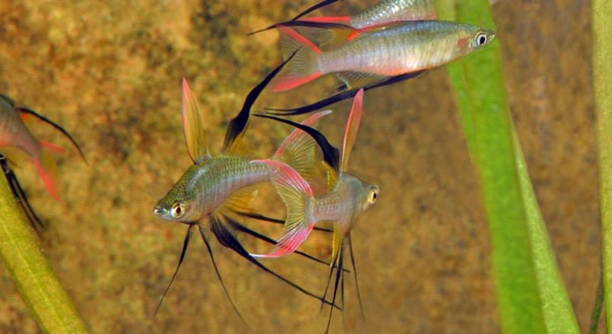
Many aquarists enjoy keeping threadfins in home tanks but notice them swimming unusually close to the back glass. This behavior often catches attention, leaving fish owners trying to understand what prompts it. Observing carefully can reveal patterns.
Threadfins often swim along the back glass due to a combination of environmental stimuli, stress, and territorial instincts. They may seek secure areas, respond to reflections, or position themselves for better current flow, which supports both comfort and natural behaviors.
Learning why threadfins favor this spot can help maintain a balanced tank environment and ensure the fish remain healthy and active.
Understanding Threadfin Behavior
Threadfins often swim along the back glass because it provides a sense of security. The flat surface reduces open exposure, making them feel safer from perceived threats. Many aquarists notice this behavior more when the tank is newly set up or during feeding times. In a well-established tank, this activity can still appear, as reflections and light can mimic other fish or obstacles. Some threadfins prefer to patrol vertical surfaces instead of swimming openly in the middle of the tank. Observing them carefully over days can reveal patterns tied to tank layout, water flow, or feeding schedules. Additionally, they may favor the back glass because it allows them to monitor the entire tank without being in open water. Providing hiding spots and gentle water movement can sometimes reduce this behavior, but often it is simply a natural habit. Recognizing these tendencies helps keep the fish healthy and reduces unnecessary concern about abnormal behavior.
This behavior is mostly harmless and usually indicates normal adaptation to the environment.
Adjusting tank decorations, lighting, and water currents can influence how often threadfins linger near the back glass. Carefully designed layouts make them more comfortable.
Environmental Factors Influencing Glass Swimming
Reflections, tank size, and water movement all contribute to glass swimming.
Threadfins respond strongly to environmental cues. Reflections from bright lights or shiny backgrounds can make the fish perceive other fish nearby, prompting cautious movement along the glass. Tank size also plays a role; smaller tanks can feel restrictive, while larger tanks may encourage exploration away from surfaces. Water currents influence their positioning as well, because threadfins often swim in steady currents for energy efficiency. Temperature fluctuations and water quality can subtly alter behavior too. By maintaining consistent conditions, including temperature, filtration, and gentle current, you can encourage more natural swimming patterns. Additionally, placing plants, rocks, or driftwood near open spaces gives them options to explore and reduces the need to cling to glass surfaces. Observing these changes over time allows you to see what specifically affects each fish, as individual threadfins may react differently based on personality or previous environment. Understanding these environmental influences supports better tank management and promotes healthier, calmer fish.
Tank Setup Considerations
Proper tank setup can reduce excessive glass swimming. Placement of plants, rocks, and hiding spots gives threadfins alternative areas to explore and feel secure, lessening their need to stay near the back glass.
Threadfins are sensitive to space and layout. A crowded tank can make them feel trapped, while a bare tank leaves them exposed. Vertical decorations near the back glass give them places to hover without constant exposure. Adjusting water flow is also important; gentle currents allow them to swim comfortably, whereas strong currents may push them toward the back glass. Lighting affects behavior too—bright, direct light can make threadfins seek shaded areas, while dimmer light can encourage freer movement. Observing how your fish react to changes helps you create a comfortable environment that supports natural behaviors.
Tank maintenance plays a key role in their comfort. Clean water, consistent temperature, and regular monitoring ensure threadfins remain healthy and less stressed. Strategic decoration placement and flow adjustments encourage exploration, reducing their reliance on the back glass. Over time, a balanced setup results in calmer, more active fish that exhibit typical swimming patterns.
Social Dynamics Among Threadfins
Threadfins’ interactions with tank mates can influence glass swimming behavior.
These fish are naturally social but can become cautious when introduced to new companions. Territorial behavior may push them toward the back glass as they observe the tank safely. Dominant or aggressive fish in the same tank can increase this tendency, while compatible companions encourage freer swimming. Group size also matters; small groups may make them cling to familiar areas, while larger groups provide comfort in numbers, reducing anxiety. Observing interactions over several days allows you to adjust arrangements, ensuring a harmonious environment that promotes natural movement and reduces stress-induced back-glass swimming.
Feeding Patterns
Threadfins often swim near the back glass during feeding times. This behavior allows them to monitor the arrival of food while staying in a secure area.
They may also position themselves near the back glass to reduce competition from more aggressive tank mates, ensuring they get their share of food.
Reflection and Light Influence
Threadfins are sensitive to reflections and light intensity. Bright lights or reflective backgrounds can make them perceive other fish nearby, prompting cautious swimming along the back glass. Adjusting lighting and using non-reflective backgrounds can help them feel more secure and reduce unnecessary stress.
Health Indicators
Frequent back-glass swimming can sometimes indicate mild stress or discomfort. Regular observation helps ensure that the fish remain healthy and active.
FAQ
Why do threadfins swim along the back glass so often?
Threadfins swim along the back glass because it gives them a sense of safety. They can observe the tank without being fully exposed in open water. Reflections, tank layout, and water currents also contribute. Many threadfins naturally prefer vertical surfaces for stability and comfort, especially in new or brightly lit tanks.
Is this behavior a sign of stress?
Not always. While stress can cause threadfins to cling to the back glass, it is often a normal habit. Overcrowding, aggressive tank mates, or sudden changes in water conditions can increase the behavior. Monitoring their overall health, appetite, and activity is more reliable for detecting stress.
Can tank decorations reduce this behavior?
Yes. Adding plants, rocks, or driftwood along the back and sides of the tank provides hiding spots and alternative areas to explore. Threadfins feel safer when they have options, which can encourage them to swim more freely away from the glass.
Does water flow affect where threadfins swim?
Absolutely. Threadfins prefer steady but gentle currents. Strong currents can push them toward the back glass, while areas with calm water allow more comfortable, natural swimming patterns. Adjusting filtration or adding gentle circulation can help distribute them throughout the tank.
How do reflections impact their behavior?
Threadfins often mistake reflections for other fish or obstacles. This can make them hover near the back glass to monitor their perceived environment. Using a non-reflective background or adjusting tank lighting can minimize this effect and reduce anxiety-driven swimming.
Do social dynamics in the tank matter?
Yes. Aggressive or dominant tank mates can cause threadfins to stay near the back glass to avoid conflict. Compatible companions and larger group sizes make them feel safer and encourage more natural swimming. Observing interactions helps you understand individual behavior and make adjustments as needed.
Can lighting changes influence their movement?
Lighting intensity and placement significantly affect threadfin activity. Bright, direct lights may make them seek shaded areas or cling to the back glass. Dimmer or diffused lighting helps them move more naturally and reduces stress-driven hiding behavior.
Should I worry if my threadfin stays near the back glass all the time?
Occasional back-glass swimming is normal. Persistent, excessive clinging could signal mild stress or environmental discomfort. Check water quality, tank mates, temperature, and layout. Minor adjustments can often restore confidence and encourage regular movement patterns.
How can I encourage my threadfins to explore the tank?
Provide multiple hiding spots, gentle currents, and a mix of open swimming areas. Feeding in different locations, maintaining stable conditions, and reducing reflections or sudden changes also help. Over time, threadfins gradually gain confidence and venture away from the back glass.
Does age or size influence this behavior?
Yes. Younger or smaller threadfins may feel more vulnerable, so they stick closer to the back glass. As they grow and become more confident, they often explore other areas. Observing them over weeks or months shows gradual changes in swimming patterns.
Can water temperature affect their swimming habits?
Temperature fluctuations can make threadfins seek stable areas like the back glass. Maintaining a consistent temperature suited to the species supports normal activity and reduces stress-induced positioning along the tank walls.
Are certain tank setups better for preventing back-glass swimming?
Larger tanks with varied decorations, gentle currents, and stable lighting encourage natural swimming. Avoid overcrowding, aggressive tank mates, and reflective surfaces to reduce anxiety-driven back-glass behavior. Thoughtful layout gives threadfins options to explore safely while feeling secure.
How long does it take for threadfins to adjust to a new tank?
Adjustment varies by individual fish. Some acclimate within a few days, while others take several weeks. Providing hiding spots, gentle water flow, stable conditions, and minimal disturbances helps them settle faster and reduces back-glass clinging during the acclimation period.
Can diet influence their activity levels?
A balanced, consistent diet keeps threadfins healthy and active. Hungry or malnourished fish may exhibit more cautious or stressed behavior, including staying near the back glass. Feeding small portions multiple times daily encourages movement and exploration.
Is frequent observation important for managing this behavior?
Yes. Watching how threadfins interact with the environment, tank mates, and feeding patterns provides insight into their comfort levels. Consistent observation allows early identification of stress, illness, or environmental issues, helping maintain a balanced, healthy tank for optimal behavior.
Final Thoughts
Threadfins swimming along the back glass is a common behavior in home aquariums. While it may seem unusual at first, this behavior is often a natural response to their surroundings. The back glass provides a sense of security, allowing them to observe the tank without feeling fully exposed. Many aquarists notice this especially in new tanks or after rearranging decorations. It is important to remember that not all back-glass swimming indicates a problem. Often, it is simply part of the fish’s instincts and comfort patterns. By paying attention to how often they stay in this area and under what conditions, you can better understand their behavior and ensure the tank is a safe and welcoming environment.
Several factors influence why threadfins prefer the back glass, including tank layout, water flow, reflections, lighting, and social dynamics. Decorations like plants, rocks, and driftwood can help them feel safer and encourage more varied movement. Gentle water currents allow threadfins to swim comfortably, while strong currents may push them toward the back glass. Lighting that is too bright or reflective backgrounds can also make them cling to surfaces. Additionally, the presence of aggressive or dominant tank mates may increase this behavior, as threadfins often seek areas where they can observe safely. Monitoring interactions and making small adjustments can help create a more balanced environment where the fish feel confident to explore.
Maintaining a stable, clean, and well-planned tank is key to reducing stress-related back-glass swimming. Regular water checks, consistent temperature, and proper feeding schedules support their health and activity levels. Providing multiple hiding spots, varied swimming areas, and gentle currents encourages natural behavior. Observing threadfins over time allows you to notice changes in their habits and respond to potential stressors before they become issues. Even if back-glass swimming continues occasionally, it is usually harmless and reflects the fish’s adaptation to its environment. Understanding these patterns helps ensure that threadfins remain healthy, active, and comfortable in their aquarium, making it easier to provide care that meets their needs.

Hello,
If you enjoy the content that we create, please consider saying a "Thank You!" by leaving a tip.
Every little bit helps us continue crafting quality advice that supports the health, happiness, and well-being of pets around the world, for pets of all shapes, sizes, and species.
We really appreciate the kindness and support that you show us!