
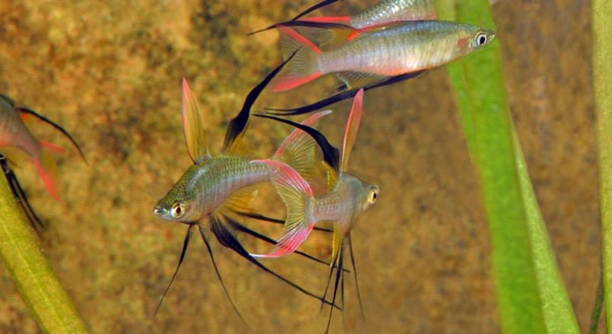
Many aquarium enthusiasts enjoy keeping threadfin rainbowfish for their striking colors and lively behavior. These fish are peaceful and social, thriving best when their natural tendencies and environment are carefully considered in a home tank setting.
The minimum group size for threadfin rainbowfish is generally six individuals. Keeping them in smaller numbers can cause stress, reduce natural schooling behavior, and impact overall health, whereas larger groups promote activity, social interaction, and stability within the aquarium environment.
Maintaining the proper group size ensures your rainbowfish remain active and healthy, and following these guidelines will support a harmonious community in your aquarium.
Why Group Size Matters
Threadfin rainbowfish are naturally schooling fish, meaning they feel safest and most comfortable in groups. When kept alone or in too small a number, they can become shy, hide frequently, and show less vibrant colors. A proper group allows them to display natural behaviors, swim actively, and interact socially. Stress from isolation can weaken their immune system, making them more susceptible to disease. In larger groups, dominance hierarchies form gently, and aggressive behavior is less focused on a single fish. Their schooling also creates a visually appealing display in the aquarium, adding motion and liveliness to the tank. Providing a group of at least six gives them enough social interaction to feel secure while maintaining manageable aquarium dynamics. Additionally, consistent group behavior reduces stress-related problems like fin nipping or refusal to eat. Proper group size supports both health and well-being in a home aquarium environment.
Keeping six or more threadfin rainbowfish ensures they are happy, active, and vibrant.
Understanding why group size impacts behavior helps you create a balanced and thriving aquarium community for these fish.
Ideal Tank Conditions
A spacious tank is crucial for threadfin rainbowfish, especially when keeping them in groups.
Tank size should start at around 30 gallons for six fish, with additional space added for larger groups. They require plenty of open swimming areas as well as some plants or decorations for shelter. Clean, well-filtered water is essential, as they are sensitive to water quality fluctuations. Temperature should be maintained between 72–82°F with a slightly alkaline pH of 7.0–8.0. Regular water changes help maintain a stable environment and reduce stress. Feeding should include a varied diet of high-quality flake, frozen, or live foods to keep them healthy and colorful. When combined with proper group size, these tank conditions allow threadfin rainbowfish to display natural schooling behavior, grow to their full potential, and remain active throughout the day. Their social interactions and swimming patterns are more pronounced in the right environment. Observing them in a suitable habitat enhances both their health and your enjoyment.
Social Behavior and Interaction
Threadfin rainbowfish are active and peaceful, enjoying the company of their own kind. Groups of six or more allow them to interact naturally, swim together, and display vibrant colors. Small numbers can lead to stress and hiding, reducing their overall activity.
Larger groups create a dynamic environment where each fish can establish a comfortable place in the hierarchy. They swim in coordinated schools, which reduces aggression and promotes confidence. Watching their natural behaviors can be rewarding, as it shows their instincts and social tendencies clearly. Group living also supports mental stimulation, which is essential for maintaining their health and preventing boredom. Proper social interaction makes them more visible in the tank and encourages healthier feeding habits, as shy individuals are less likely to miss meals when part of a group. Ensuring enough companions helps threadfin rainbowfish thrive physically and behaviorally.
When kept in the right numbers, these fish demonstrate balanced social dynamics. Their interactions are smoother, and dominant or timid individuals are less likely to experience stress.
Feeding and Care Tips
A varied diet helps threadfin rainbowfish stay healthy and colorful.
Feeding should include high-quality flakes, frozen foods, and occasional live foods. Small, frequent meals are better than large, infrequent feedings. Maintaining clean water is crucial, as leftover food can pollute the tank quickly. Proper filtration and regular water changes support both health and water clarity. Monitoring their diet ensures all fish receive enough nutrition, especially in larger groups where shy fish might struggle to compete. Providing plant cover or decorations can reduce stress during feeding by giving timid fish a sense of security. Overfeeding should be avoided to prevent obesity and water quality issues. Keeping track of behavior during feeding helps identify health problems early, as lethargy or refusal to eat can indicate illness. A consistent feeding routine reinforces natural activity patterns and promotes growth.
Common Health Considerations
Threadfin rainbowfish are generally hardy but can be sensitive to poor water quality. Regular monitoring of water parameters helps prevent stress-related illnesses. Providing a stable environment reduces the risk of fin rot, ich, and other common freshwater diseases.
Proper diet and maintaining a clean tank are key. Fish in groups tend to be healthier, as social interaction reduces stress and encourages natural behavior, which supports immunity.
Breeding in Home Aquariums
Threadfin rainbowfish can breed in home aquariums when conditions are optimal. They prefer slightly acidic to neutral water and plenty of fine-leaved plants or spawning mops for egg laying. Males display brighter colors to attract females during courtship.
Eggs hatch within a week, and fry require very fine food such as infusoria or liquid fry food. Keeping the group together encourages natural breeding behavior, but separating eggs can improve survival rates. Providing stable water parameters and a peaceful environment ensures the young grow healthily. Breeding in a group tank supports social interactions while allowing observation of natural reproductive behavior.
Tank Mates
Peaceful species work best with threadfin rainbowfish. Compatible tank mates reduce stress and promote harmony.
FAQ
What is the minimum group size for threadfin rainbowfish?
The minimum recommended group size for threadfin rainbowfish is six individuals. Keeping fewer than six can cause stress, reduce natural schooling behavior, and limit social interaction. Groups of six or more allow these fish to feel secure, display natural swimming patterns, and maintain healthier behavior in the aquarium.
Can threadfin rainbowfish live alone?
Threadfin rainbowfish do not thrive when kept alone. They are social schooling fish, and isolation can cause stress, hiding, and loss of color. Even a pair is usually insufficient, as they rely on group dynamics to feel secure and exhibit natural behaviors.
What tank size is needed for a small group?
A minimum 30-gallon tank is suggested for six threadfin rainbowfish. This provides enough space for swimming, reduces territorial stress, and supports social interactions. Larger tanks are recommended for bigger groups to ensure each fish has room to swim comfortably.
What water conditions are best?
They prefer temperatures between 72–82°F and a slightly alkaline pH of 7.0–8.0. Stable water quality is essential, so regular water changes and filtration are necessary. Threadfin rainbowfish are sensitive to ammonia, nitrite, and nitrate spikes, which can stress the fish and lead to disease.
What do threadfin rainbowfish eat?
They thrive on a varied diet including high-quality flakes, frozen foods, and live foods like brine shrimp or daphnia. Small, frequent meals are better than large feedings, and care should be taken to avoid overfeeding, which can pollute the tank and harm water quality.
Can they breed in a community tank?
Yes, threadfin rainbowfish can breed in a community setup if conditions are suitable. They need plants or spawning mops for egg laying. Males display brighter colors to attract females. Fry are tiny and require infusoria or liquid fry food. Eggs can be removed to increase survival rates.
Are they compatible with other fish?
Threadfin rainbowfish are peaceful and do best with other calm, non-aggressive species. Avoid fin-nipping or overly aggressive fish, as this can stress the group. Ideal tank mates include small tetras, danios, or peaceful livebearers, which complement their behavior without causing conflict.
How often should water be changed?
Weekly water changes of 20–30% are recommended to maintain optimal water quality. Regular cleaning reduces waste buildup and prevents ammonia or nitrate spikes. Consistent water management supports the health, color, and activity of threadfin rainbowfish in a group setting.
Do they need hiding spots?
While they are active swimmers, providing plants or decorations offers security for shy individuals. Hiding spots reduce stress and encourage natural exploration while maintaining balance in the tank. Even with a proper group size, some fish benefit from occasional shelter.
How long do threadfin rainbowfish live?
With proper care, they can live up to 5–6 years. Longevity depends on maintaining stable water conditions, providing a balanced diet, and keeping an appropriate group size. Healthy social interactions also contribute to a longer, more active life in the aquarium.
What signs indicate stress or illness?
Signs include hiding, loss of color, clamped fins, or refusal to eat. Stress is often caused by poor water quality, small group size, or aggressive tank mates. Addressing the underlying causes promptly ensures the health and well-being of the entire group.
Is breeding easier in a larger group?
Yes, larger groups encourage natural courtship and social behavior. Males display more confidently when several females are present, and fry have better chances of survival if eggs are carefully separated. Group dynamics stimulate natural breeding patterns while maintaining harmony.
Can juveniles be added to an established group?
Yes, juveniles can join an existing group if introduced slowly. Gradual acclimation helps reduce stress and aggression. They often integrate quickly when there are at least six or more established fish, allowing natural schooling behavior to continue uninterrupted.
Do threadfin rainbowfish require special lighting?
They do not require specialized lighting, but moderate aquarium lighting enhances their colors and supports plant growth. Proper lighting also allows you to observe natural behaviors and interactions, making the group more active and visually appealing.
How important is monitoring behavior?
Observing schooling patterns, feeding habits, and interactions is critical. Changes can indicate illness, stress, or environmental issues. Regular monitoring helps maintain a healthy group dynamic and ensures that each fish remains active, vibrant, and well-adjusted in the tank.
This FAQ covers the key points about keeping threadfin rainbowfish in optimal group sizes, maintaining tank conditions, supporting breeding, and ensuring health. Following these guidelines helps create a lively, balanced, and thriving aquarium environment for these social fish.
Threadfin rainbowfish are beautiful, active, and social fish that thrive best in proper groups. Keeping them in small numbers or alone can lead to stress, hiding, and dull colors, so it is essential to maintain a minimum group size of six. Larger groups allow them to display natural behaviors such as schooling, coordinated swimming, and gentle social hierarchies, which helps reduce aggression and keeps all individuals healthier. A well-sized group also enhances the visual appeal of the aquarium, as the movement and interactions of several fish create a lively and dynamic display. Observing threadfin rainbowfish in their natural group behavior is rewarding and helps aquarists understand their needs more clearly. When the group is healthy and balanced, the fish are more confident, active, and responsive, which makes maintaining the aquarium easier and more enjoyable.
Proper tank conditions play an equally important role in their well-being. A spacious tank with at least 30 gallons for a group of six provides enough swimming space and helps prevent overcrowding, which can increase stress levels. Threadfin rainbowfish prefer stable water conditions with a temperature range of 72–82°F and a slightly alkaline pH between 7.0 and 8.0. Clean water and proper filtration are critical to preventing stress-related illnesses, as these fish are sensitive to fluctuations in water quality. Adding plants or decorations offers hiding spots that help shy individuals feel secure, while still allowing open swimming areas for active schooling. Feeding a varied diet that includes high-quality flakes, frozen foods, and occasional live foods ensures proper nutrition and supports their vibrant coloration. Following these guidelines, along with maintaining a proper group size, allows threadfin rainbowfish to grow to their full potential while staying healthy and active.
Paying attention to social dynamics, health, and care requirements is key to a thriving group of threadfin rainbowfish. Watching them interact, feed, and swim together gives insight into their natural instincts and provides a sense of satisfaction in maintaining a healthy aquarium. Regular monitoring of behavior, water parameters, and diet ensures problems are caught early, reducing stress and improving overall longevity. Threadfin rainbowfish can live up to five or six years with proper care, and maintaining an appropriate group size contributes significantly to their quality of life. By providing the right environment, stable conditions, and social interaction, aquarists can create a balanced, peaceful, and visually appealing community tank. These fish are not only rewarding to care for but also bring movement, color, and activity that enrich the aquarium experience. Proper attention to their needs results in a healthy, lively group that thrives together for years, making them a satisfying choice for those who enjoy maintaining a peaceful and active freshwater aquarium.

Hello,
If you enjoy the content that we create, please consider saying a "Thank You!" by leaving a tip.
Every little bit helps us continue crafting quality advice that supports the health, happiness, and well-being of pets around the world, for pets of all shapes, sizes, and species.
We really appreciate the kindness and support that you show us!