
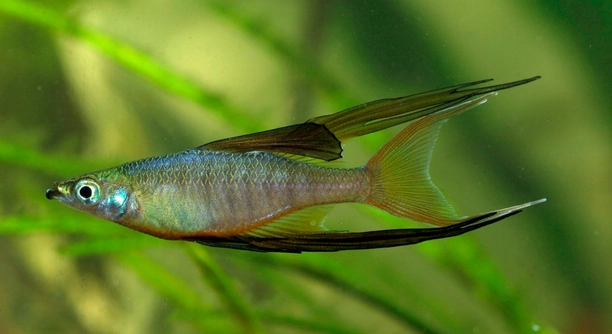
Have you ever spent time watching your threadfin rainbowfish and noticed how they seem to favor certain areas of the tank? Their gentle movements and vibrant colors often bring a calming presence to any aquarium setup.
Threadfin rainbowfish can become attached to specific hiding spots due to their natural need for security and comfort. These fish often return to familiar spaces when stressed, resting, or seeking protection, making consistent hiding spots important for their well-being.
Learning more about their behaviors can help you create a stable and supportive aquarium environment that allows your rainbowfish to feel safe and thrive.
Why Threadfin Rainbowfish Choose Certain Spots
Threadfin rainbowfish are gentle and active, but they also rely on specific areas in their environment to feel secure. These hiding spots can be plants, caves, or shaded corners of the tank. When given options, they often return to the same space repeatedly, especially if it provides comfort and reduces stress. This behavior is natural for many small fish species, as it allows them to avoid unnecessary confrontation and conserve energy. While they are social and like open swimming, having a reliable hiding place helps them balance their need for activity with a sense of safety. Creating an aquarium with stable and consistent hiding areas ensures they can settle into a routine that supports both their health and happiness.
Offering a few reliable spaces allows your fish to decide where they feel most secure. Over time, you may notice patterns in how they use these areas.
Providing multiple hiding options ensures a healthy balance between privacy and activity. By doing so, your fish will not only feel more comfortable but also display brighter colors and livelier behavior. The comfort of a familiar space makes them more confident, even when exploring other parts of the tank.
Creating a Supportive Aquarium Setup
Threadfin rainbowfish thrive when their tank design matches their natural instincts. Adding plants, caves, and driftwood gives them a variety of hiding spots that feel both safe and natural. Soft lighting and a steady layout can reduce stress and help them settle into their chosen areas.
A well-planned aquarium makes a noticeable difference in their behavior and overall well-being. Start by choosing live or artificial plants that provide dense coverage without crowding the tank. These plants offer shade and help fish establish favorite spots. Combine them with small caves or smooth decorations where they can retreat if startled. Consistency in the layout is important because threadfin rainbowfish rely on memory and familiarity when selecting safe spaces. Avoid frequently moving items around, as this can confuse or unsettle them. By creating a tank that balances open swimming areas with reliable hiding places, you allow your rainbowfish to feel secure while still being active. This thoughtful setup will encourage natural behaviors and promote healthier, stress-free fish.
Observing Behavioral Patterns
Threadfin rainbowfish often return to the same hiding spots, especially when they feel stressed or uncertain. Their repeated visits to specific areas are a sign of comfort and routine, which helps them feel secure in their environment.
When you watch closely, you may notice that certain fish prefer one spot over another, while others share a hiding place with tankmates. These choices can shift slightly depending on lighting, water flow, or tank activity, but most fish return to their familiar areas. Observing these patterns helps you understand how they interact with their surroundings and what makes them feel safe.
Paying attention to these behaviors also reveals subtle signs of stress. If a fish suddenly stops using its usual space, it could mean something in the tank has changed. By noticing shifts in their routine, you can adjust the environment to keep your rainbowfish comfortable and healthy.
The Role of Tank Mates
Tank mates play a major role in whether threadfin rainbowfish feel safe enough to claim certain hiding spots. Aggressive or overly curious fish can discourage them from using areas they once preferred, making them feel unsettled.
Choosing calm, peaceful tank mates helps rainbowfish establish secure routines around their hiding places. Avoid larger or territorial species that may chase them away or dominate specific spots. A balanced group of gentle fish allows threadfin rainbowfish to feel comfortable in both open swimming spaces and private hiding areas. By maintaining harmony in the tank, you create an environment where their natural behaviors, including attachment to chosen hiding spots, can flourish without constant stress or disruption.
Environmental Stability
Threadfin rainbowfish thrive in stable conditions, and sudden changes can cause them to abandon favorite hiding spots. Fluctuations in temperature, lighting, or water flow can disturb their sense of safety, making consistency an important factor for their comfort.
Even small shifts in water quality can influence their attachment to certain spaces. Regular maintenance, steady lighting schedules, and keeping the layout unchanged helps them maintain trust in their environment. Consistency allows them to continue using their chosen hiding places without hesitation.
Feeding and Routine
Establishing a consistent feeding routine encourages rainbowfish to feel secure in their environment. When meals occur at regular times, they develop trust in their surroundings, which often strengthens their attachment to certain hiding spots where they rest before or after eating. Predictability reduces stress and supports natural behavior patterns.
Recognizing Comfort
Comfort is often shown through relaxed swimming and consistent use of hiding places. When rainbowfish feel safe, they return to familiar areas with ease, displaying brighter colors and a calm presence that reflects their contentment in the tank.
FAQ
Do threadfin rainbowfish always pick the same hiding spot?
Threadfin rainbowfish often choose one or two hiding spots that they return to regularly. This behavior gives them a sense of routine and security. While they may occasionally explore other areas, they usually favor specific places they feel safe and comfortable.
Can threadfin rainbowfish share hiding spots with each other?
Yes, threadfin rainbowfish may share the same hiding spot, especially when the tank provides limited options. However, they usually prefer separate spaces when available. Sharing often happens with peaceful tank mates or in larger hiding areas that allow multiple fish to rest together.
Why do threadfin rainbowfish need hiding spots?
Hiding spots provide threadfin rainbowfish with safety and comfort. These spaces reduce stress, allow them to rest, and protect them from potential aggression. Without places to hide, they may feel exposed, leading to nervous swimming, duller colors, or weakened health over time.
Do hiding spots affect the health of threadfin rainbowfish?
Yes, consistent access to hiding spots helps improve both their mental and physical health. Stress is lowered when fish feel secure, which supports stronger immune function. Over time, this stability allows them to display better coloration, more activity, and greater overall resilience.
What happens if threadfin rainbowfish lose their hiding spot?
If a hiding spot is removed or disturbed, they may act unsettled and swim nervously. Some fish stop eating or hide in less suitable areas. Returning stable hiding places helps them regain comfort and resume their usual behavior patterns.
Can changes in tank design affect their hiding preferences?
Absolutely. Rearranging decorations, plants, or caves can confuse threadfin rainbowfish and make them abandon old spots. Consistency in tank layout allows them to feel secure. If changes are necessary, making adjustments gradually helps them adapt more comfortably.
How many hiding spots should be provided for threadfin rainbowfish?
It is best to provide at least one hiding space for each fish. Multiple options ensure that every fish has a place to feel secure. This prevents competition for limited spaces and encourages more natural, stress-free behavior in the aquarium.
Do threadfin rainbowfish hide more when stressed?
Yes, stress often increases their need to hide. Factors like sudden movements, loud noises, poor water quality, or aggressive tank mates can push them into hiding more often. Reducing stressors helps them feel confident enough to explore the tank openly.
Can tank mates influence hiding behavior?
Tank mates play a large role in how threadfin rainbowfish use their hiding spots. Peaceful companions allow them to settle comfortably, while aggressive fish may cause them to remain hidden more often. Choosing suitable tank mates encourages healthier, more balanced behavior.
Do threadfin rainbowfish hide during feeding time?
Usually, they come out during feeding if they feel safe. However, if stressed or intimidated by other fish, they may hide instead of eating. Providing calm surroundings and consistent routines encourages them to feed confidently in the open.
Why do threadfin rainbowfish sometimes stop using a favorite hiding spot?
Several factors can cause this, including changes in water flow, light, or the presence of other fish. If a spot no longer feels safe or comfortable, they will look for alternatives. Maintaining stable conditions helps prevent this from happening too often.
Can threadfin rainbowfish attach to more than one hiding spot?
Yes, they often develop attachments to two or more places. This gives them flexibility depending on their mood or environmental conditions. They may use one spot for resting and another for retreating when startled or seeking shade.
Do hiding spots encourage natural behavior in threadfin rainbowfish?
Hiding spots allow threadfin rainbowfish to follow their instincts. In the wild, they use plants and shaded areas for protection. Recreating this in the aquarium supports their natural behavior, helping them feel secure while still enjoying active swimming in open spaces.
How can I tell if my threadfin rainbowfish feel secure in their hiding spots?
Signs of security include returning to the same spaces consistently, relaxed swimming, and displaying bright colors. If they hover calmly or rest without darting nervously, it shows they trust their environment and feel protected by their chosen hiding areas.
Are there specific hiding spots threadfin rainbowfish prefer?
They often prefer dense plants, small caves, and shaded corners. These areas provide both cover and comfort, making them reliable choices. Smooth decorations, driftwood, or clusters of plants are especially popular since they mimic the natural environments threadfin rainbowfish are drawn to.
Final Thoughts
Threadfin rainbowfish are gentle, active, and beautiful fish that bring calmness to an aquarium. Their behavior often reflects the conditions around them, and one of the clearest signs of this is their attachment to hiding spots. These spaces are more than just decorations in a tank—they are places of comfort, safety, and routine. When rainbowfish have reliable hiding spots, they feel secure enough to show their natural colors and patterns, swim actively, and interact peacefully with other fish. A lack of proper hiding areas can create stress, and stress often leads to dull colors, restless swimming, or even health problems. This shows how something as simple as adding a few plants or small caves can make a major difference in their daily lives. The way they use and return to these spots is a small detail, but it tells us a lot about how they experience their environment.
Creating a supportive environment for threadfin rainbowfish does not need to be complicated. Consistency is often the most important factor to remember. Fish rely on familiarity, and even small changes in the layout can confuse them. When their tank stays stable, rainbowfish can rely on their chosen hiding places, making them more confident in exploring the rest of the tank. Offering multiple hiding spaces also helps, especially if you keep them with other fish. Each rainbowfish can then claim an area where they feel safe, which lowers the chance of conflict or stress. Pairing them with calm tank mates makes this balance even better, as it allows them to use their spots without being disturbed. Simple steps like choosing gentle companions, keeping the water stable, and providing plenty of cover encourage natural, healthy behavior. The result is fish that are not only beautiful to look at but also truly comfortable in their home.
In the end, watching threadfin rainbowfish use their hiding spots can be rewarding. It shows how small details in tank care make a difference in how these fish feel and behave. Their attachment to specific areas is a natural response, one that should be supported rather than overlooked. Hiding is not a sign of weakness in these fish—it is part of how they create balance between safety and activity. By respecting this need, you allow them to thrive in a way that feels natural. They become brighter, healthier, and more relaxed, adding calm beauty to your aquarium. Paying attention to their simple behaviors, like choosing a favorite hiding spot, is also a reminder that every detail in care counts. Supporting their natural instincts is not only good for them but also makes the experience of keeping them far more meaningful.

Hello,
If you enjoy the content that we create, please consider saying a "Thank You!" by leaving a tip.
Every little bit helps us continue crafting quality advice that supports the health, happiness, and well-being of pets around the world, for pets of all shapes, sizes, and species.
We really appreciate the kindness and support that you show us!