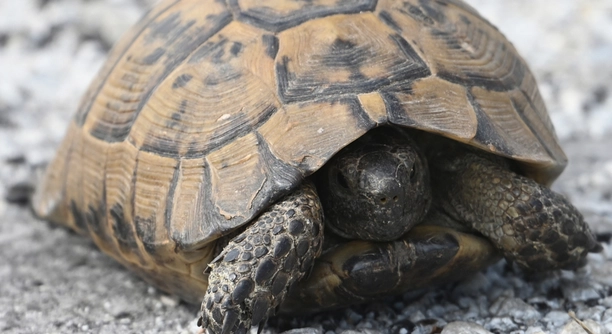
How to Know If Your Russian Tortoise Needs More Humidity
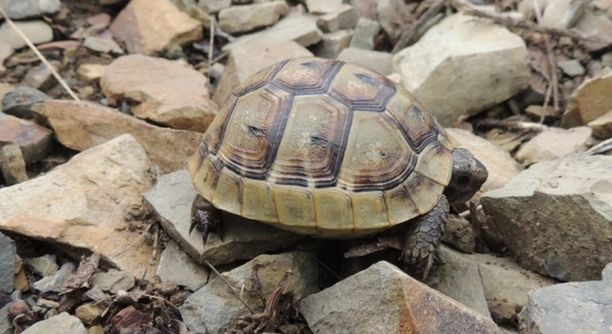
If you own a Russian tortoise, you may wonder about its environmental needs. Ensuring proper humidity levels is crucial to keeping your tortoise healthy. Humidity impacts its shell, skin, and overall well-being. Maintaining adequate humidity is essential for Russian tortoises to prevent dehydration and respiratory issues. If the air is too dry, it can lead … Read more

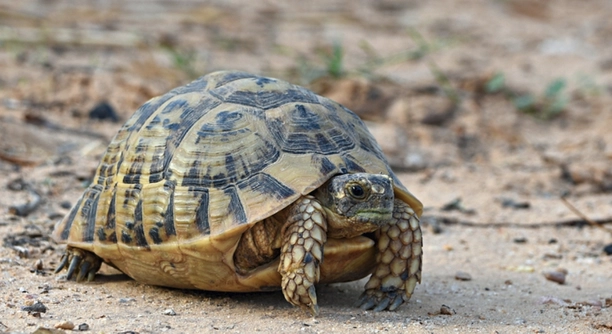
Why Is My Russian Tortoise Acting More Aggressive Than Usual?

If your Russian tortoise is acting more aggressive than usual, it may be a sign of several underlying factors. Understanding these behaviors can help you determine the best course of action for your pet’s health and well-being. Increased aggression in a Russian tortoise may result from environmental stressors, hormonal changes, or a lack of space. … Read more

7 Ways to Improve Your Russian Tortoise’s Digging Area

Is your Russian tortoise struggling to dig properly in its enclosure? A well-designed digging area is essential for its natural behaviors and overall well-being. Creating the right environment ensures your tortoise remains happy, active, and engaged in its habitat. Enhancing your Russian tortoise’s digging area involves using the right substrate, maintaining proper moisture levels, and … Read more

How to Tell If Your Russian Tortoise’s Shell Is Too Soft

Is your Russian tortoise’s shell feeling softer than usual? A healthy shell is essential for its overall well-being and protection. Recognizing signs of shell softness early can help prevent serious health issues and ensure your pet thrives. A Russian tortoise’s shell may become too soft due to calcium deficiency, poor diet, or inadequate UVB exposure. … Read more

Why Does My Russian Tortoise Seem to Be Struggling to Walk?

If your Russian tortoise seems to be struggling to walk, it’s important to consider several factors that could be affecting its mobility. Tortoises may have difficulty walking due to various health or environmental reasons. Several factors can cause a Russian tortoise to struggle with walking, such as an improper diet, injuries, or underlying health issues … Read more

7 Reasons Your Russian Tortoise Keeps Scratching Its Shell

A Russian tortoise scratching its shell may seem like a normal behavior, but there are several reasons behind it. It’s important to understand why this happens to ensure your tortoise stays healthy and comfortable. There are various reasons why your Russian tortoise may be scratching its shell. These could include shedding, environmental factors, or even … Read more

How to Make a Russian Tortoise Habitat More Natural

Creating a natural habitat for your Russian tortoise is essential to their well-being. By mimicking their natural environment, you can help them feel safe and comfortable. This will also promote healthy behaviors and improve their overall quality of life. The best way to create a more natural environment for your Russian tortoise is by adding … Read more

Why Is My Russian Tortoise Suddenly Afraid of Me?

Your Russian tortoise may be acting differently, and it’s understandable to be concerned when a pet shows signs of fear. Changes in behavior can happen for many reasons, and understanding them is key to addressing the issue. A sudden change in behavior, such as fear, can be attributed to stress, changes in the environment, or … Read more

7 Ways to Prevent Shell Deformities in Russian Tortoises

Russian tortoises are fascinating creatures, but sometimes they face shell deformities that can affect their overall health. These issues can be caused by a variety of factors, making it important to understand how to address them. Preventing shell deformities in Russian tortoises largely depends on their environment, diet, and care. Ensuring proper calcium intake, maintaining … Read more

How to Tell If Your Russian Tortoise Is Getting Enough Calcium

Is your Russian tortoise getting the right amount of calcium? Calcium is essential for strong bones and a healthy shell, but it’s not always easy to tell if your tortoise is getting enough from its diet and environment. Signs of calcium deficiency in Russian tortoises include soft or deformed shells, lethargy, and difficulty moving. Providing … Read more