
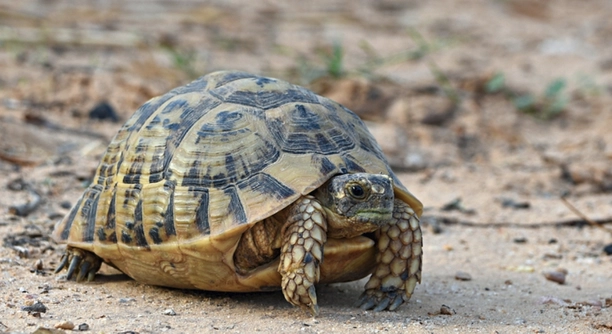
Is your Russian tortoise struggling to dig properly in its enclosure? A well-designed digging area is essential for its natural behaviors and overall well-being. Creating the right environment ensures your tortoise remains happy, active, and engaged in its habitat.
Enhancing your Russian tortoise’s digging area involves using the right substrate, maintaining proper moisture levels, and providing enough depth. Choosing safe, natural materials like coconut coir or topsoil allows for easy burrowing, while regular maintenance ensures a clean and comfortable space.
Providing a suitable digging area promotes healthy behaviors and prevents stress-related issues. These adjustments can make a significant difference in your tortoise’s overall quality of life.
Choose the Right Substrate
A proper substrate is essential for your Russian tortoise’s digging area. It should be natural, safe, and easy to burrow into. The best options include coconut coir, organic topsoil, or a mix of both. These materials mimic the tortoise’s natural habitat and allow for comfortable digging. Avoid using sand, gravel, or wood shavings, as they can cause impaction or respiratory issues. Maintaining the right moisture level in the substrate is also crucial. It should be slightly damp but not overly wet. This helps prevent dehydration and supports healthy burrowing behaviors.
A high-quality substrate provides a soft, stable surface for digging. Your tortoise will feel more comfortable and secure when its environment closely resembles the wild.
Changing the substrate regularly prevents bacteria buildup and keeps the enclosure fresh. Spot-clean daily and replace the substrate every few weeks to ensure a clean and safe space for your tortoise.
Provide Enough Depth
A shallow digging area will not satisfy your tortoise’s natural instincts. The substrate should be at least four to six inches deep, allowing it to burrow properly. This depth gives your tortoise enough space to dig tunnels and feel secure.
Deeper substrate encourages natural behaviors and reduces stress. In the wild, Russian tortoises dig to escape extreme temperatures and create a sense of security. Providing adequate depth in captivity helps them feel safe and comfortable. It also supports physical health by allowing exercise and muscle engagement through digging. When setting up the enclosure, consider the size and activity level of your tortoise. A deeper digging area will give it more freedom to explore.
Adding a variety of textures to the substrate can also enhance the experience. Mixing in dried leaves or small patches of moss provides enrichment and encourages natural behaviors. Observing your tortoise’s digging habits can help you adjust the setup to better suit its needs.
Maintain Proper Moisture Levels
The substrate should be slightly damp to support digging. A dry substrate can lead to dehydration, while excessive moisture increases the risk of mold and respiratory issues. Regularly mist the area to maintain balance, ensuring the substrate stays soft and comfortable for burrowing.
Consistent moisture levels are essential for your tortoise’s health. Check the substrate daily by touching it—if it feels dry, mist it lightly with water. If it is too wet, allow it to dry before adding more moisture. Using a spray bottle helps distribute water evenly, preventing overly damp spots. The enclosure’s humidity should stay around 40–50% to keep the substrate in the right condition. A hygrometer can help monitor humidity levels. Providing a shallow water dish nearby also supports hydration, encouraging natural behaviors like soaking while keeping the digging area at an ideal moisture level.
A well-maintained substrate prevents respiratory issues and skin problems. If your tortoise digs in excessively dry or overly wet conditions, it may develop health concerns over time. Adjusting the moisture level according to seasonal changes ensures a consistent environment. If the enclosure is too dry in winter, misting may be needed more frequently. In summer, increased ventilation can prevent excess moisture buildup, keeping the space comfortable.
Add Hiding Spots
Hiding spots make the digging area more engaging. Your tortoise will feel safer with logs, rocks, or overturned pots to burrow under. These elements provide shade, reduce stress, and create a more natural environment, allowing for better exploration and resting opportunities.
Creating a secure and stimulating space encourages natural behaviors. In the wild, Russian tortoises seek shelter under vegetation or burrow beneath loose soil. Replicating this environment in captivity helps them feel more at ease. You can use hollow logs, small caves, or piles of hay to add variety. Position the hiding spots near the digging area, allowing your tortoise to move freely between them. Rotating these elements occasionally can keep the environment fresh and interesting. Ensuring proper placement prevents overcrowding and leaves enough space for movement while maintaining a balanced enclosure setup.
Ensure Proper Temperature and Lighting
A well-regulated temperature is essential for a healthy digging area. The basking spot should be around 95°F, while the cooler side should stay near 75°F. Using a heat lamp and a UVB light helps maintain these conditions, supporting natural behaviors and overall well-being.
Inconsistent temperatures can discourage digging. If the enclosure is too cold, your tortoise may become inactive, while excessive heat can cause stress. Positioning the heat source correctly ensures a gradual temperature gradient, allowing your tortoise to move between warm and cool areas as needed. Regularly check temperatures with a digital thermometer for accuracy.
Keep the Area Clean
A clean digging area prevents bacteria buildup and reduces odors. Spot-clean daily by removing waste and replacing soiled substrate. Every few weeks, replace the entire substrate to maintain a fresh and hygienic environment, keeping your tortoise comfortable and reducing health risks.
Use Safe Enclosure Materials
Avoid using chemically treated wood, sharp rocks, or plastic decorations that could pose risks. Natural materials like untreated wood, smooth stones, and non-toxic plants create a safer and more enriching space. Ensuring all materials are secure prevents accidental injuries while allowing your tortoise to explore freely.
FAQ
What should I use as substrate for my Russian tortoise’s digging area?
The best substrates for a Russian tortoise are natural, safe materials like coconut coir, organic topsoil, or a mix of both. These materials allow easy burrowing while being free of harmful chemicals. Avoid sand, gravel, or wood shavings, as they can cause impaction or respiratory issues.
How deep should the digging area be?
The substrate should be at least four to six inches deep. This allows your tortoise enough space to dig and create tunnels. A deeper digging area mimics the natural environment, providing your tortoise with a sense of security and encouraging physical activity.
How often should I replace the substrate?
It’s important to replace the substrate every few weeks to keep the digging area clean and hygienic. Spot-clean the area daily by removing waste and any soiled parts of the substrate. Regular replacement prevents bacterial buildup and keeps the environment comfortable.
How can I keep the substrate moist?
You can maintain the proper moisture level in the substrate by misting it lightly with a spray bottle. The substrate should be damp but not soggy. Check the moisture daily and adjust accordingly. If it feels dry, mist it. If too wet, allow it to dry out before adding more water.
Do I need to provide a hiding spot for my Russian tortoise?
Yes, a hiding spot is essential for your tortoise’s well-being. Providing logs, rocks, or overturned pots gives your tortoise a sense of security. These hiding spots allow your tortoise to rest and explore while feeling protected, just as it would in the wild.
What temperature should the digging area be?
The temperature should range from 75°F on the cooler side to 95°F on the basking side. Maintaining this temperature gradient helps your tortoise regulate its body temperature and promotes natural digging behaviors. Ensure that the heat source is positioned properly to create the desired temperature difference.
Can I use sand in the digging area?
Sand is not recommended for Russian tortoises as it can cause impaction, especially if the tortoise ingests it while digging. Stick to safer alternatives like coconut coir or topsoil, which allow for natural digging behaviors without the risk of harming your tortoise.
How can I prevent my tortoise from becoming stressed?
A proper digging area, along with hiding spots and the right temperature, reduces stress. Ensuring that the enclosure is spacious enough for your tortoise to roam and providing natural, secure elements like rocks or logs will help it feel safe. Avoid overcrowding the space and provide regular enrichment.
How often should I check the humidity in the enclosure?
The humidity should be kept between 40–50%. Check the humidity at least once a day using a hygrometer. If the humidity is too low, increase the moisture level in the substrate or use a humidifier. Too high humidity can lead to mold growth, so it’s crucial to monitor regularly.
Can I use plastic decorations in the digging area?
It’s best to avoid plastic decorations in the digging area. They may contain harmful chemicals or sharp edges that could injure your tortoise. Stick to natural materials like untreated wood, smooth stones, and non-toxic plants for a safer environment.
What if my tortoise isn’t digging?
If your tortoise isn’t digging, it could be due to several factors, such as incorrect substrate, poor temperature, or stress. Ensure the digging area is deep enough, the substrate is the right texture, and the enclosure is at the proper temperature. Also, check for any signs of illness or discomfort.
Is it okay to use rocks in the digging area?
Rocks can be used in the digging area as long as they are smooth and free from sharp edges. They provide a natural feel and offer hiding spots for your tortoise. Avoid large, heavy rocks that could pose a risk if they shift or fall.
How can I tell if my tortoise is healthy?
A healthy Russian tortoise will be active, alert, and have a shiny, smooth shell. It should be eating regularly and show no signs of distress or illness, such as lethargy or loss of appetite. Regular checkups with a reptile vet are also recommended to monitor your tortoise’s health.
Can I add plants to my tortoise’s digging area?
Yes, you can add non-toxic plants to enrich the digging area. Plants like dandelions, clover, and grass are safe for tortoises to interact with and even nibble on. Just make sure the plants are pesticide-free and check them regularly for any signs of mold or decay.
Do I need to add water to the digging area?
While the substrate should be slightly damp, you should also provide a shallow water dish for your tortoise to drink and soak in. The dish should be large enough for your tortoise to climb in but shallow enough to prevent drowning. Always clean the water dish daily to keep it fresh.
What should I do if my tortoise isn’t eating?
If your tortoise isn’t eating, check the enclosure’s temperature and humidity. Poor conditions can cause a lack of appetite. Stress, illness, or dietary changes can also affect eating habits. If the problem persists, consult a veterinarian for advice.
Final Thoughts
Creating an ideal digging area for your Russian tortoise is essential to its overall health and happiness. By using the right substrate, maintaining proper temperature, and offering secure hiding spots, you are providing a safe, natural environment that promotes healthy digging behaviors. These simple adjustments will encourage your tortoise to explore, dig, and stay active, which is vital for its physical and mental well-being.
Regular maintenance of the digging area plays a significant role in keeping your tortoise comfortable. Spot cleaning daily and replacing the substrate periodically ensures that the space remains hygienic. Keeping the temperature consistent and humidity levels in check further enhances the environment, allowing your tortoise to thrive. Paying attention to these small details will help prevent common health issues that can arise from improper care.
By creating a comfortable and secure space, you will see positive changes in your tortoise’s behavior. Providing an environment that meets its natural instincts helps your tortoise feel at ease. This attention to its needs will lead to a more active, contented pet that enjoys its home. Maintaining these conditions and being mindful of any changes will ensure your Russian tortoise stays healthy for years to come.

Hello,
If you enjoy the content that we create, please consider saying a "Thank You!" by leaving a tip.
Every little bit helps us continue crafting quality advice that supports the health, happiness, and well-being of pets around the world, for pets of all shapes, sizes, and species.
We really appreciate the kindness and support that you show us!