
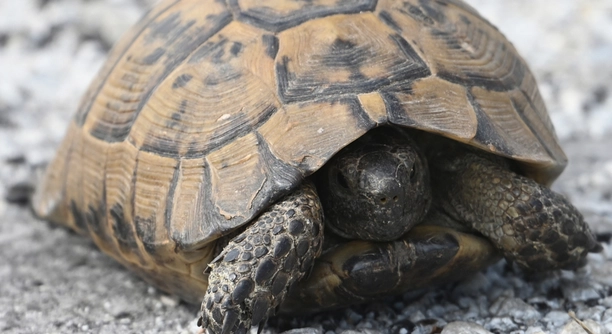
If your Russian tortoise seems to be struggling to walk, it’s important to consider several factors that could be affecting its mobility. Tortoises may have difficulty walking due to various health or environmental reasons.
Several factors can cause a Russian tortoise to struggle with walking, such as an improper diet, injuries, or underlying health issues like respiratory infections or metabolic bone disease. Ensuring a proper habitat and regular vet check-ups is essential for their well-being.
Addressing these concerns will help improve your tortoise’s mobility and overall health, so it can live a comfortable life.
Common Causes for a Russian Tortoise’s Struggles with Walking
A Russian tortoise may struggle to walk for several reasons. Environmental factors, such as temperature and humidity, can affect their mobility. Tortoises need warm, consistent environments to remain active. If their habitat is too cold or too dry, they may become sluggish and unable to move well. Additionally, an unbalanced diet can lead to nutritional deficiencies that impact their muscles and bones, making it difficult for them to walk. Overfeeding or providing too much soft food can also lead to obesity, which causes physical strain. Lastly, injuries or infections may result in painful conditions that limit movement.
In many cases, you can improve your tortoise’s condition by adjusting their environment and diet. It’s important to offer a well-balanced diet that includes leafy greens, and ensure they have access to natural sunlight or UVB lighting. Proper hydration and a comfortable temperature are key to their overall health.
Regular exercise is also essential for keeping your tortoise active. Allowing them space to roam and dig in their enclosure can help keep their muscles strong and joints flexible.
Health Conditions That Affect Mobility
Sometimes, a Russian tortoise’s difficulty walking can be due to health conditions. Metabolic bone disease (MBD) is one of the most common conditions. This occurs when a tortoise lacks calcium and vitamin D3 in their diet, weakening their bones and muscles. MBD makes it painful or even impossible for them to walk without assistance. If your tortoise appears to have difficulty standing or moving, this could be a sign of this disease.
Metabolic bone disease can be prevented with proper diet and access to UVB lighting. If your tortoise is already showing signs of MBD, it’s important to consult with a veterinarian who can recommend calcium supplements and provide specific treatment. Early detection can make a significant difference in recovery.
Keeping an eye on your tortoise’s behavior and seeking prompt care if needed can prevent long-term health problems. Regular check-ups with a vet are essential for maintaining their mobility and well-being.
Diet and Nutrition Issues
A poor diet can lead to walking difficulties in a Russian tortoise. If their food lacks proper nutrients, it can cause muscle weakness and bone problems. Overfeeding soft foods or not offering enough variety can also result in obesity, putting stress on their legs.
To avoid these issues, it’s essential to provide a balanced diet. Leafy greens, such as dandelion greens and collard greens, should make up the majority of their meals. Offering a variety of vegetables will ensure they get all the nutrients they need. Limit fruit, as it’s high in sugar, which isn’t ideal for their health.
Supplementing with calcium and vitamin D3 is also crucial. These supplements help prevent issues like metabolic bone disease, which can lead to mobility problems. A well-rounded diet can help your tortoise maintain its strength and move freely.
Temperature and Habitat Concerns
The temperature of your tortoise’s environment plays a huge role in its mobility. If the habitat is too cold, a Russian tortoise can become lethargic and have difficulty walking. A temperature between 75°F to 85°F is ideal for daytime, while nighttime temperatures should drop slightly, around 70°F.
Setting up proper heating elements, such as a heat lamp or ceramic heater, can help keep your tortoise active. Be sure to provide a basking area that’s warmer than the rest of the enclosure. A cool spot should also be available for them to retreat to when needed.
It’s equally important to keep humidity levels in check. Too much moisture can cause respiratory issues, while low humidity may lead to dehydration. Ensure your tortoise’s enclosure has both proper heating and humidity levels for a comfortable living environment.
Injuries or Trauma
Tortoises are often active and curious, but they can sometimes injure themselves while exploring. A fall or bump can lead to broken bones, sprains, or other injuries. These injuries may cause your tortoise to struggle when walking or even avoid moving altogether.
If you notice that your tortoise is limping or appears to be in pain, it’s important to examine them carefully for signs of injury. Check for swelling or tenderness on their legs or shell. If any abnormalities are found, consulting with a vet is essential.
Infections or Illnesses
Infections can affect a tortoise’s ability to move. Respiratory infections or even minor wounds that become infected can cause discomfort, leading to mobility problems. A tortoise may be less active if they are sick, as they are trying to conserve energy for healing.
Infections can often be treated with medication prescribed by a vet. If you suspect your tortoise is sick, immediate medical attention can help them recover.
FAQ
Why is my Russian tortoise not moving around much?
If your Russian tortoise isn’t moving much, it could be due to environmental issues, such as improper temperature or humidity levels. Tortoises need a warm and stable environment to stay active. Check their habitat and ensure it is between 75°F to 85°F during the day. Another common reason is an unbalanced diet, leading to malnutrition or obesity. A diet low in calcium or high in soft foods can cause weakness. Make sure your tortoise gets enough leafy greens and vegetables, and try supplementing with calcium.
How do I know if my Russian tortoise is sick?
Signs of illness in a Russian tortoise can include lethargy, a lack of appetite, difficulty moving, or changes in their breathing. You may also notice discharge from the nose or mouth, swelling, or a runny nose. If you see any of these symptoms, it’s important to take your tortoise to the vet for an examination. Illness can be treated early if caught quickly, so don’t wait too long to seek help.
Can a Russian tortoise get arthritis?
Yes, tortoises can suffer from arthritis as they age. This can cause joint pain, stiffness, and difficulty walking. If your tortoise is older and seems to be struggling with mobility, arthritis might be the cause. You may notice that they have a harder time standing or walking, especially after resting. A veterinarian can help manage arthritis with proper treatment and advice on habitat adjustments, such as providing a more comfortable surface to move on.
What should I feed my Russian tortoise?
A healthy diet for a Russian tortoise includes a variety of leafy greens such as dandelion greens, collard greens, and mustard greens. Vegetables like squash, carrots, and bell peppers are also great options. Avoid offering too much fruit as it can be high in sugar. Providing calcium and vitamin D3 supplements will help keep their bones healthy. Make sure to feed them a balanced diet with no processed or high-fat foods.
Why is my Russian tortoise’s shell soft?
A soft shell can be a sign of metabolic bone disease (MBD), which is usually caused by a calcium deficiency or improper UVB lighting. When tortoises do not get enough calcium or UVB exposure, their bones and shells may become weak and soft. It is crucial to provide your tortoise with proper UVB lighting and a calcium-rich diet to prevent this condition. A vet may recommend calcium supplements or adjustments to their care routine.
Can my Russian tortoise get overweight?
Yes, Russian tortoises can become overweight if they are overfed, especially with high-calorie foods or too much fruit. Obesity can strain their legs and make it harder for them to move. This may also lead to other health problems, such as respiratory issues. To prevent obesity, feed them a balanced diet of leafy greens and ensure they have enough space to exercise. Regular movement helps maintain their strength and mobility.
How do I keep my Russian tortoise’s habitat clean?
Keeping your tortoise’s habitat clean is essential for its health and well-being. Regularly remove uneaten food, feces, and any debris from the enclosure. It’s important to clean the substrate weekly to prevent bacterial growth. Use a gentle, non-toxic cleaner for the enclosure walls and accessories. Make sure to change the water regularly and keep it fresh for drinking. Maintaining a clean environment helps prevent infections and encourages your tortoise to move around freely.
Why is my Russian tortoise’s skin shedding?
Shedding is a natural process for tortoises, especially as they grow. They shed their skin in pieces, similar to how snakes shed their skin. If you notice that your tortoise is shedding more than usual or the shedding seems excessive, this could be a sign of stress or illness. Ensure that your tortoise’s habitat has the right humidity and temperature to support a healthy shedding process. If you are concerned, a vet can check to ensure that the shedding is normal and not a result of a health issue.
How can I prevent my Russian tortoise from getting a respiratory infection?
Respiratory infections are common in tortoises, especially when the habitat is too cold or damp. To prevent this, make sure your tortoise’s enclosure is warm enough, with a basking area that reaches temperatures between 85°F to 90°F. Keep the humidity levels consistent but not excessive. Good ventilation is also important to reduce the risk of respiratory problems. If you notice any signs of illness, such as wheezing or nasal discharge, take your tortoise to the vet as soon as possible.
How often should I take my Russian tortoise to the vet?
Regular check-ups are important to monitor the overall health of your Russian tortoise. Ideally, take them to the vet at least once a year for a health examination, especially as they age. If your tortoise shows signs of illness, injury, or a sudden change in behavior, it’s best to schedule a vet visit immediately. Preventative care can help catch potential problems early and ensure that your tortoise stays healthy and active for years to come.
Final Thoughts
Understanding why your Russian tortoise is struggling to walk is essential in providing the proper care it needs. Tortoises can face various health challenges, from minor issues like dehydration or a poor diet to more serious concerns such as arthritis, infections, or metabolic bone disease. Recognizing the signs early and addressing them can help your tortoise lead a healthier and more active life. It is important to create a comfortable and safe environment for your tortoise, with the right temperature, humidity, and lighting. This will ensure that it remains strong and able to move around freely.
If you notice your tortoise struggling to walk, don’t ignore the situation. Often, a simple adjustment to its diet, habitat, or daily care routine can make a significant difference. However, if the issue persists or worsens, it’s crucial to consult a veterinarian who specializes in reptiles. A professional can accurately diagnose the problem and provide guidance on how to treat or manage the condition. Early intervention is key to preventing long-term issues, so don’t hesitate to seek help if needed.
Taking the time to observe your tortoise’s behavior and health can go a long way in ensuring its well-being. By addressing issues related to diet, habitat, and potential injuries, you can help prevent mobility problems and support your tortoise’s overall health. Whether it’s providing more space to roam or making adjustments to their diet and lighting, small changes can make a big difference. Regular check-ups with a veterinarian will also help monitor its health and catch any problems before they become serious.

Hello,
If you enjoy the content that we create, please consider saying a "Thank You!" by leaving a tip.
Every little bit helps us continue crafting quality advice that supports the health, happiness, and well-being of pets around the world, for pets of all shapes, sizes, and species.
We really appreciate the kindness and support that you show us!