
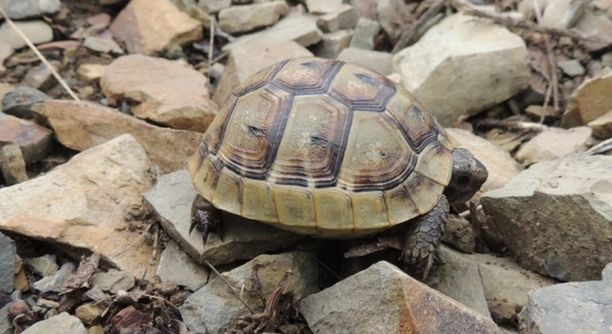
If you own a Russian tortoise, you may wonder about its environmental needs. Ensuring proper humidity levels is crucial to keeping your tortoise healthy. Humidity impacts its shell, skin, and overall well-being.
Maintaining adequate humidity is essential for Russian tortoises to prevent dehydration and respiratory issues. If the air is too dry, it can lead to shedding problems and a weakened immune system. Keep the habitat humidity level consistent for optimal health.
This article will guide you in understanding how to create the best environment for your tortoise, ensuring it thrives with the proper humidity levels.
Signs Your Russian Tortoise Needs More Humidity
Russian tortoises are native to dry, semi-arid climates, but that doesn’t mean they thrive in a completely dry environment. A lack of humidity can cause issues such as skin shedding problems and dehydration. If the humidity in their habitat drops too low, you might notice your tortoise shedding excessively or having trouble eating due to dry skin. A lack of moisture can also cause respiratory distress or other health problems. By keeping an eye on these symptoms, you can quickly spot when adjustments are needed. Regularly monitoring the humidity level is essential for their overall health and comfort.
Inadequate humidity can lead to dehydration. This affects the tortoise’s skin, respiratory system, and digestion. The right humidity helps them maintain proper hydration and supports the natural processes in their body.
Proper humidity helps with the natural shedding of skin and reduces stress in your tortoise. When humidity is at the right level, your tortoise is more likely to feel comfortable, feed properly, and maintain overall health. It’s important to understand how different environmental factors can contribute to your tortoise’s well-being. Without it, the chances of shedding complications or respiratory problems increase significantly.
How to Increase Humidity for Your Tortoise
A few simple steps can help increase the humidity in your tortoise’s enclosure. Start by adding a shallow water dish. Place it in a corner of the tank to help increase the moisture in the air. Ensure the water dish is cleaned and refilled regularly to prevent bacteria growth.
Another way to boost humidity is by misting the enclosure with water, especially during hotter weather when the air tends to be drier. Misting a few times throughout the day will add moisture, making your tortoise’s habitat more comfortable. Additionally, consider using a humidity gauge or hygrometer to monitor the levels. Keeping the humidity within the range of 40–60% is ideal for a Russian tortoise.
You can also increase humidity by covering part of the enclosure with a damp towel or cloth. This helps trap moisture and prevents it from escaping. Ensure the area is ventilated to avoid mold buildup. Furthermore, adjusting the heat source and making sure the enclosure is not too hot will help maintain a stable humidity level.
Humidity Levels and Temperature
Humidity and temperature go hand in hand. If the enclosure is too hot or cold, the humidity levels will fluctuate. A temperature range of 75–85°F during the day is ideal for a Russian tortoise. Maintaining a proper balance between heat and humidity is essential for your tortoise’s health.
Without the right temperature, humidity can either become too high or too low. You can use heat lamps or ceramic heat emitters to keep the temperature stable. However, be cautious with heat sources. Ensure your tortoise has access to cooler areas where it can regulate its body temperature. Using a thermostat can help maintain a consistent environment.
Adjust the temperature at night to mimic natural conditions. A drop to around 65–75°F is beneficial, as it allows your tortoise to rest and digest properly. Use a thermometer in different areas of the enclosure to track temperature variations. This ensures that your tortoise doesn’t experience extreme fluctuations that could cause stress.
Humidity and Shell Health
Humidity plays a significant role in maintaining the health of your tortoise’s shell. If the air is too dry, your tortoise may experience issues with shell growth and shedding. Proper humidity helps prevent cracks and keeps the shell smooth and strong.
To avoid shell damage, provide a balanced environment. If the humidity is too low, the shell can become brittle and dry, making it more susceptible to injury or infection. Maintaining the right humidity level will also support the natural process of shedding, allowing your tortoise to grow properly. A shell that is too dry can also cause discomfort or even permanent damage over time.
If you notice any cracks or roughness on the shell, it’s a sign that the humidity may need to be adjusted. Make sure the humidity stays consistent, as fluctuations can also impact shell health. Proper hydration and regular monitoring of humidity will help maintain a healthy shell for your Russian tortoise.
Effects of Low Humidity
Low humidity can lead to several issues for your Russian tortoise. One of the most noticeable problems is dry, flaky skin. In severe cases, low humidity can also cause respiratory infections. This can lead to more serious health problems.
Dehydration is another common result of low humidity. Your tortoise may appear lethargic, have difficulty eating, or even develop eye issues. It’s important to regularly monitor humidity and adjust accordingly to keep your tortoise hydrated and healthy. If left unchecked, these issues can worsen and impact its quality of life.
Best Tools for Measuring Humidity
To keep your tortoise’s habitat in check, invest in a reliable hygrometer to monitor the humidity level. Digital hygrometers are easy to use and offer precise readings. You can place one in the enclosure to ensure the humidity stays consistent.
You can also use a thermometer to track the temperature. Keeping both tools handy will allow you to create the ideal environment for your Russian tortoise. These instruments are essential for long-term care and help prevent problems associated with improper humidity.
Maintaining Humidity During Winter
In the colder months, it can be challenging to maintain proper humidity. Low outdoor humidity combined with indoor heating can cause the air in your tortoise’s enclosure to dry out. To combat this, you may need to increase the frequency of misting or use a humidity-controlled enclosure.
Adding more water dishes, using a humidifier in the room, or placing a damp towel over the tank can help keep the environment moist during winter. This ensures that your tortoise remains comfortable and healthy despite the seasonal changes in temperature and humidity levels.
FAQ
How often should I check the humidity in my tortoise’s enclosure?
It’s a good idea to check the humidity levels daily, especially if you notice any signs of dehydration or shedding issues. Regular checks ensure that the humidity remains stable. You should aim to keep it within the ideal range of 40–60%. If there are any changes, make adjustments as needed.
Can I use a regular humidifier for my tortoise’s enclosure?
Yes, you can use a regular humidifier to increase the humidity in the room where your tortoise is kept. However, it’s important to ensure that the humidity level inside the enclosure stays within the right range. Too much moisture can lead to mold growth, so it’s essential to monitor the humidity closely.
What’s the best way to raise humidity without making the enclosure too wet?
To increase humidity without over-wetting the enclosure, you can use a shallow water dish, regularly mist the enclosure, or add a damp towel over part of the tank. Make sure the area is still well-ventilated to prevent excess moisture buildup.
Can I use a glass tank for my Russian tortoise?
Glass tanks can be used, but they can be harder to manage when it comes to humidity levels. Glass retains heat but doesn’t help with humidity control. You may need to add extra items, like a water dish or misting system, to maintain the right humidity. Consider using a terrarium or enclosure with better ventilation for easier humidity management.
How can I tell if my tortoise is too dry?
Signs that your tortoise might be too dry include excessive shedding, lethargy, dry skin, and difficulty eating. If your tortoise seems unwell, it’s important to adjust the humidity levels and monitor its behavior closely. Dehydration can also cause your tortoise to develop eye issues, making it harder to see or eat.
Is it necessary to provide a humidity gradient in the enclosure?
It’s a good idea to create a humidity gradient, which provides both higher and lower humidity zones. This allows your tortoise to choose an area that is most comfortable for it. A humidity gradient mimics the natural environment, where tortoises can move between different levels of moisture depending on their needs.
What should I do if the humidity level is too high?
If the humidity in your tortoise’s enclosure is too high, it can lead to respiratory problems, mold growth, and skin issues. Reduce misting, ensure the water dish is not too large, and improve ventilation. Make sure the enclosure has proper airflow to avoid excess moisture buildup.
Can I use a thermostat to control the humidity?
No, a thermostat is designed to control temperature, not humidity. However, you can use a humidifier with a built-in humidity controller to maintain the right moisture levels. Combining these with a thermometer will help you create an optimal environment for your tortoise.
Do I need to worry about humidity during the winter?
Yes, winter can bring low humidity levels, especially when indoor heating is used. It’s important to monitor the humidity closely during colder months. Use a humidifier, mist the enclosure more frequently, or add a damp towel to maintain proper humidity. Make sure the temperature is not too low to prevent your tortoise from becoming too cold.
How does humidity affect my tortoise’s health?
Proper humidity is crucial for your tortoise’s overall health. It helps prevent dehydration, supports healthy shedding, and keeps the skin and shell in good condition. Without the right humidity, your tortoise can develop respiratory issues, shell problems, and other health complications that can affect its quality of life.
Can I use sand as substrate for my Russian tortoise?
While sand is a popular substrate for Russian tortoises, it can make it harder to maintain consistent humidity levels. If you use sand, it’s important to combine it with other materials like coconut coir or sphagnum moss, which help retain moisture and create a more balanced environment for your tortoise.
What temperature should my Russian tortoise’s enclosure be?
During the day, your tortoise’s enclosure should be kept between 75–85°F. At night, the temperature can drop to around 65–75°F. It’s important to maintain a steady temperature to prevent fluctuations that can negatively impact your tortoise’s health, including humidity levels.
How do I prevent mold in my tortoise’s enclosure?
To prevent mold, make sure your tortoise’s enclosure is well-ventilated. Don’t allow excessive moisture to build up, and regularly clean the water dish and substrate. You should also make sure the temperature isn’t too high, as this can contribute to mold growth. Removing wet areas and using dry materials can help keep mold at bay.
Is it okay to use a heat mat under the tank?
A heat mat can help keep the temperature in your tortoise’s enclosure stable, but it should not be used as the primary heat source. It’s better to use a heat lamp to create a basking spot, while a heat mat can provide gentle, consistent warmth. Ensure that the mat doesn’t overheat and that the humidity is still manageable.
What is the best way to measure humidity?
The best way to measure humidity is by using a hygrometer. Digital hygrometers are easy to use and provide accurate readings. Place the hygrometer in the middle of the enclosure to get an accurate sense of the humidity level. Regularly check and adjust as needed to maintain the right environment for your tortoise.
Final Thoughts
Maintaining proper humidity for your Russian tortoise is crucial for its overall health and well-being. Without adequate moisture levels, your tortoise can face a range of issues, such as dry skin, dehydration, and even respiratory infections. A stable environment with the right humidity helps keep your tortoise comfortable and reduces the risk of health complications. Regularly monitoring humidity levels and making adjustments as needed will ensure your tortoise thrives in its habitat.
While it might take some effort to get the humidity just right, the tools to manage it are simple to use. A hygrometer is essential to accurately measure humidity, and other equipment, like a water dish or a humidifier, can help you maintain the right moisture levels. Pay attention to the signs your tortoise may give you if humidity is too low or too high. Dry skin, lethargy, or difficulty eating are clear indicators that something may need to be adjusted. If you notice these issues, it’s important to act quickly to prevent further complications.
In conclusion, ensuring proper humidity for your Russian tortoise is not only about its comfort but also about its long-term health. With the right tools and a bit of observation, you can create an environment where your tortoise feels secure and happy. Remember, consistency is key when it comes to humidity. Regular checks and minor adjustments can make a significant difference in keeping your tortoise healthy for many years. By staying proactive, you can avoid the stress of dealing with more severe health issues down the road.

Hello,
If you enjoy the content that we create, please consider saying a "Thank You!" by leaving a tip.
Every little bit helps us continue crafting quality advice that supports the health, happiness, and well-being of pets around the world, for pets of all shapes, sizes, and species.
We really appreciate the kindness and support that you show us!