
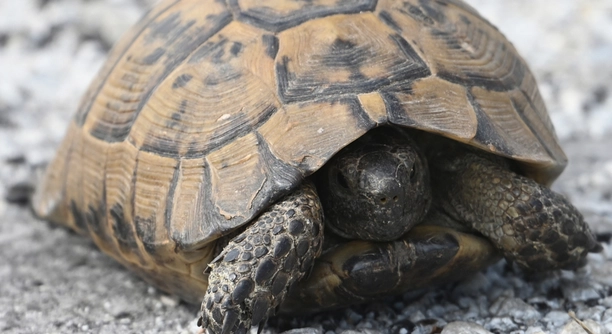
Is your Russian tortoise getting the right amount of calcium? Calcium is essential for strong bones and a healthy shell, but it’s not always easy to tell if your tortoise is getting enough from its diet and environment.
Signs of calcium deficiency in Russian tortoises include soft or deformed shells, lethargy, and difficulty moving. Providing a balanced diet with calcium-rich foods, supplements, and proper UVB lighting ensures healthy bone and shell development, preventing serious health issues like metabolic bone disease.
Understanding these signs and making simple adjustments to your tortoise’s care can significantly impact its long-term health and well-being.
Signs Your Russian Tortoise May Be Lacking Calcium
A Russian tortoise with low calcium levels may develop a soft or misshapen shell, making it more prone to injuries. Weak bones can lead to difficulty walking, tremors, or even fractures. Lethargy and a lack of appetite are also common indicators of calcium deficiency. If left unaddressed, these issues can progress to metabolic bone disease, a serious condition that affects overall health. Monitoring your tortoise’s shell, energy levels, and eating habits can help you identify early signs of deficiency before they become severe. Proper nutrition and habitat adjustments can prevent long-term complications.
Calcium plays a vital role in keeping your tortoise’s shell and bones strong. If your tortoise seems sluggish, struggles to move, or has a soft shell, it may not be getting enough. Addressing this early can prevent serious health issues.
A balanced diet with calcium-rich foods is essential. Dark leafy greens like collard greens, mustard greens, and dandelion leaves provide a natural source of calcium. Additionally, calcium supplements help ensure proper intake, especially when sprinkled on food a few times a week. Without enough calcium, a tortoise’s body may start pulling calcium from its bones, leading to weakness. Monitoring your tortoise’s diet and behavior regularly can prevent serious deficiencies.
How to Provide Enough Calcium
A tortoise’s diet should include plenty of natural calcium sources. Leafy greens, cuttlebone, and calcium powder supplements are all beneficial. Proper hydration and a well-balanced diet help the body absorb calcium efficiently. Without enough moisture, calcium may not be properly utilized.
Lighting plays a key role in calcium absorption. A UVB light source allows your tortoise to synthesize vitamin D3, which helps its body process calcium effectively. Without it, even a calcium-rich diet may not be enough. Providing a UVB bulb with the right intensity and replacing it every six months ensures consistent exposure. Outdoor sunlight is also a great source, but it must be direct and unfiltered.
Calcium supplements should be used correctly. Dusting food with calcium powder a few times per week helps meet daily needs. However, too much calcium can cause issues, so it’s important to balance it with phosphorus. A varied diet, proper lighting, and routine monitoring will keep your Russian tortoise healthy.
Best Calcium Sources for Russian Tortoises
Leafy greens like dandelion greens, collard greens, and mustard greens are excellent natural sources of calcium. These should make up a large portion of your tortoise’s diet. Avoid spinach and beet greens, as they contain oxalates that can prevent proper calcium absorption and lead to deficiencies.
Cuttlebone is a great addition to your tortoise’s enclosure. It provides a natural way for them to regulate their calcium intake while also helping to maintain beak health. Crushed eggshells or oyster shells can also be sprinkled over food. Store-bought calcium powders, especially those with added vitamin D3, are another effective option. Using a variety of sources ensures balanced nutrition.
Fruits should be limited, as they don’t offer significant calcium. High-calcium vegetables like squash and bell peppers can be included in moderation. Providing a mix of these foods helps your tortoise get the necessary nutrients without overloading on phosphorus, which can interfere with calcium absorption.
Importance of Proper UVB Lighting
UVB lighting helps your tortoise process calcium efficiently. Without it, even the best diet won’t be enough to maintain strong bones and a healthy shell. Tortoises housed indoors need a high-quality UVB bulb that mimics natural sunlight to prevent deficiencies and related health issues.
A UVB bulb should be placed at the correct distance to ensure effective exposure. Most bulbs need to be replaced every six months, as their UV output diminishes over time. Mercury vapor bulbs are a good choice since they provide both heat and UVB, reducing the need for multiple fixtures. Outdoor exposure to direct sunlight is also beneficial but should always be supervised.
Incorrect lighting setups can lead to metabolic bone disease, making it difficult for your tortoise to move properly. If you notice signs of calcium deficiency despite providing supplements, check the UVB source. Ensuring your tortoise has consistent access to proper lighting is just as important as a well-balanced diet.
Common Signs of Calcium Deficiency
Soft or deformed shells are a clear sign that your tortoise isn’t getting enough calcium. A healthy shell should feel firm and smooth. If it becomes too flexible or starts to show irregular growth, it’s a strong indication of a calcium imbalance that needs immediate attention.
Lethargy and muscle weakness can also point to calcium deficiency. A tortoise struggling to move, showing signs of tremors, or appearing unusually inactive may not be absorbing enough calcium. If left untreated, these issues can worsen, leading to severe mobility problems and an increased risk of fractures or serious health complications.
How to Prevent Calcium Deficiency
A well-balanced diet, proper UVB lighting, and calcium supplementation work together to prevent deficiencies. Regularly offering calcium-rich foods while avoiding high-oxalate vegetables ensures better absorption. Dusting food with a calcium supplement a few times per week provides extra support, especially for younger tortoises still growing their shells.
Monitoring Your Tortoise’s Health
Checking for early signs of deficiency helps prevent long-term problems. Observe your tortoise’s shell, energy levels, and movement daily. Regular vet check-ups can also confirm if its calcium intake is sufficient. Adjusting diet and lighting when needed will help keep your tortoise strong and healthy.
FAQ
How can I tell if my tortoise is getting enough calcium?
A good way to tell is by monitoring your tortoise’s shell and behavior. If the shell is soft, deformed, or if it becomes more pliable over time, calcium deficiency is likely. Also, if your tortoise seems lethargic or has trouble moving, these are signs that it’s not getting enough calcium. You may also notice a decrease in appetite or slower growth.
Can I overfeed my tortoise calcium?
Yes, overfeeding calcium can be harmful. Too much calcium can cause kidney problems and interfere with the balance of other important minerals. It’s best to offer calcium in moderation, following recommended guidelines, and to balance it with other nutrients like phosphorus. Always make sure you’re providing the right ratio between calcium and phosphorus for healthy absorption.
What are the best foods to give my Russian tortoise for calcium?
Leafy greens like dandelion greens, collard greens, and mustard greens are some of the best natural sources of calcium. Other vegetables such as bell peppers and squash can also help, but should be given in moderation. You can supplement their diet with cuttlebone, which is an excellent source of calcium. Additionally, dusting food with calcium powder a few times per week is a good practice.
Can I use a regular light bulb for UVB?
No, regular light bulbs don’t emit UVB rays. UVB is essential for calcium absorption because it helps your tortoise produce vitamin D3. A specialized UVB light is necessary to replicate sunlight and enable your tortoise’s body to process calcium. Make sure to use a bulb specifically designed for reptiles, and replace it every six months.
What if my tortoise is not eating calcium-rich foods?
If your tortoise refuses calcium-rich foods, try mixing them with something they enjoy more. Offering variety, such as different types of greens or incorporating a small amount of fruit, may entice them to eat. If they continue to avoid calcium-rich foods, consider using a calcium supplement in powder form. Dust their food or sprinkle some over their greens to encourage intake.
Is it necessary to provide calcium supplements?
While a diet rich in calcium-rich vegetables can often meet a tortoise’s needs, supplements are useful, especially for younger tortoises or those not getting enough natural sunlight. If your tortoise is kept indoors with limited UVB exposure, calcium supplements are a good option to ensure they receive proper nutrition.
How much UVB light does my tortoise need?
Your Russian tortoise should have access to 10-12 hours of UVB light each day. If kept indoors, you’ll need to use a UVB light that’s positioned within the right distance of your tortoise to allow proper exposure. This is crucial to help your tortoise process calcium effectively. The light should be replaced every 6 months, even if it still works, because its UVB output decreases over time.
Can calcium supplements replace UVB light?
No, calcium supplements cannot replace UVB light. While supplements help with calcium intake, UVB lighting is essential for your tortoise to synthesize vitamin D3, which is necessary for calcium absorption. Without UVB light, even the best calcium-rich diet won’t fully support your tortoise’s health.
What’s the difference between calcium carbonate and calcium citrate for tortoises?
Calcium carbonate is the more commonly used form of calcium for reptiles. It’s often found in cuttlebone and calcium powders. Calcium citrate, while effective, is usually better for humans and may not be as readily absorbed by reptiles. Stick with calcium carbonate for your tortoise to ensure proper absorption.
How often should I check my tortoise’s calcium intake?
It’s important to check your tortoise’s calcium intake regularly, especially if they’re showing any signs of deficiency. Regularly monitor their diet, shell condition, and behavior. Once every few months, you may want to do a health check-up with a reptile vet to ensure calcium levels and overall health are on track.
Can I give my tortoise fruits for calcium?
Fruits can be part of your tortoise’s diet but shouldn’t be the main source of calcium. Most fruits don’t contain enough calcium and are higher in sugars, which should be fed in moderation. Stick to leafy greens and supplement with calcium powder or cuttlebone to provide the proper nutrients.
Are there any signs of too much calcium?
Yes, if your tortoise has too much calcium, it might suffer from kidney problems, constipation, or a loss of appetite. If you notice these signs, reduce the calcium intake and consult with a reptile vet to correct the issue. A balance of calcium and phosphorus is important, so proper supplementation is key.
Can I provide UVB light from a window?
UVB light doesn’t pass through windows effectively. Glass and plastic block UVB rays, so your tortoise won’t get the necessary exposure to absorb calcium. If possible, place your tortoise outside in direct sunlight for a short period, but always supervise to ensure they don’t overheat or escape.
What if my tortoise’s shell is already soft?
If you notice your tortoise’s shell is soft or deformed, it’s essential to act quickly. Provide a calcium-rich diet, add UVB lighting, and use calcium supplements to support recovery. A visit to a reptile vet is necessary to diagnose any underlying issues and ensure proper treatment.
Final Thoughts
Ensuring your Russian tortoise gets enough calcium is crucial for their overall health. Calcium plays an essential role in shell development, bone strength, and muscle function. Without enough calcium, your tortoise can experience serious health problems, like soft or deformed shells, muscle weakness, and even difficulty moving. It’s important to focus on a balanced diet that includes calcium-rich foods, such as leafy greens and vegetables, and supplement it with calcium powder or cuttlebone. Remember that calcium is only fully absorbed with the right amount of UVB light, so providing a good UVB bulb is essential.
If you notice any signs of calcium deficiency, such as a soft shell, unusual lethargy, or slow movement, it’s essential to address the problem quickly. A combination of a proper diet, UVB light, and calcium supplementation can help improve your tortoise’s health. Regularly monitor your tortoise’s shell, energy levels, and appetite to catch any potential issues early. If you are unsure about how much calcium to provide or if you notice health issues, it’s always a good idea to consult with a reptile vet. They can offer guidance and help you adjust your care routine to keep your tortoise healthy and strong.
Overall, keeping your tortoise healthy and happy requires attention to their diet, lighting, and overall environment. Proper calcium intake, combined with adequate UVB exposure, will help your tortoise thrive. While some maintenance is required to provide these needs, the effort will pay off with a long, healthy life for your pet. Whether your tortoise is young and growing or an adult, focusing on calcium and UVB light will ensure they have the best chance of maintaining strong bones and a healthy shell. With the right care, your tortoise will live a happy and active life.

Hello,
If you enjoy the content that we create, please consider saying a "Thank You!" by leaving a tip.
Every little bit helps us continue crafting quality advice that supports the health, happiness, and well-being of pets around the world, for pets of all shapes, sizes, and species.
We really appreciate the kindness and support that you show us!