7 Simple Ways to Improve Rasbora Health
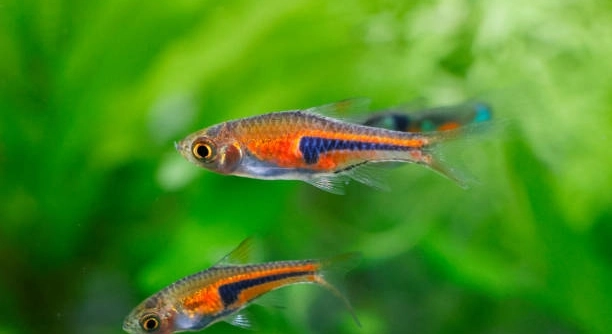
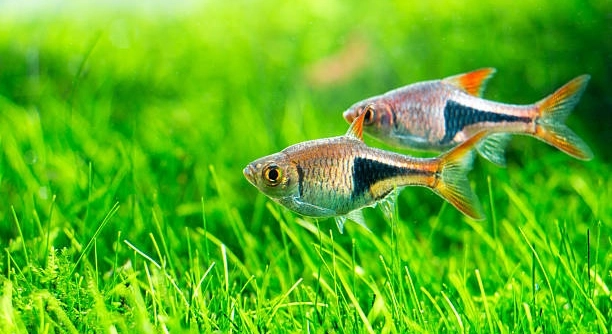
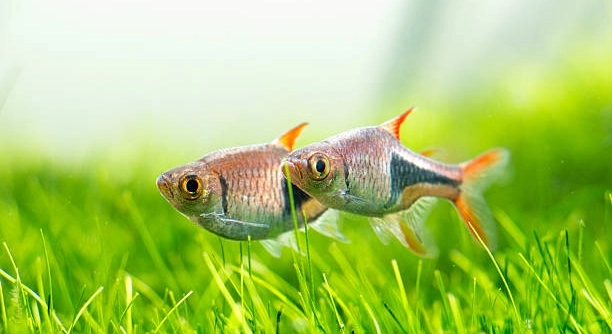
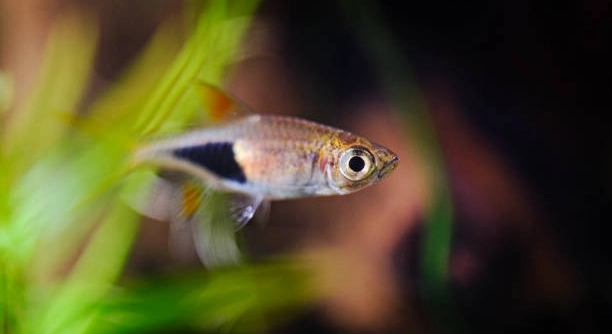
Rasboras are small, colorful fish that brighten up any aquarium. They are generally hardy, but their health depends on consistent care, clean water, and a balanced environment. Even minor changes can affect their wellbeing over time. Maintaining rasbora health requires attention to water quality, diet, tank conditions, and social environment. Regular monitoring and proper care … Read more

7 Reasons Rasboras Suddenly Stop Swimming

Are your rasboras suddenly staying still at the bottom of the tank, leaving you concerned about their health and well-being? Many aquarists experience this unexpected behavior, which can indicate underlying issues that need attention immediately. Rasboras may stop swimming due to poor water quality, sudden temperature changes, illness, stress, lack of oxygen, overfeeding, or tank … Read more

7 Subtle Clues Your Rasboras Are Unhappy

Are your rasboras swimming sluggishly or hiding more than usual in the tank? Observing small changes in behavior can help you understand their overall well-being. Even subtle shifts in movement or interaction may signal stress or discomfort. Rasboras may exhibit signs of unhappiness through reduced activity, loss of appetite, erratic swimming patterns, or constant hiding. … Read more

Why Is My Rasbora Constantly Hiding?

Rasboras are small, colorful fish that bring life to home aquariums. Many owners enjoy watching their playful movements, but some may notice their fish spending most of their time hidden among plants or decorations. A rasbora constantly hiding usually indicates stress, discomfort, or environmental issues. Factors such as poor water quality, insufficient hiding spots, overly … Read more

7 Early Signs of Stress in Rasboras

Rasboras are small, colorful fish that brighten up home aquariums. Observing their behavior can tell you a lot about their comfort and well-being in their aquatic environment. Stress can affect them more than many people realize. Early signs of stress in rasboras include changes in swimming patterns, loss of appetite, faded colors, clamped fins, erratic … Read more

7 Common Mistakes in Rasbora Pairing

Do you enjoy keeping Rasboras but notice tension or aggression among them in your aquarium? Many hobbyists struggle with pairing these small, colorful fish, often facing unexpected conflicts that disrupt the harmony of their tank. The most common mistakes in Rasbora pairing involve improper tank size, ignoring social dynamics, mixing incompatible species, neglecting hiding spaces, … Read more

Why Is My Harlequin Rasbora Losing Color?

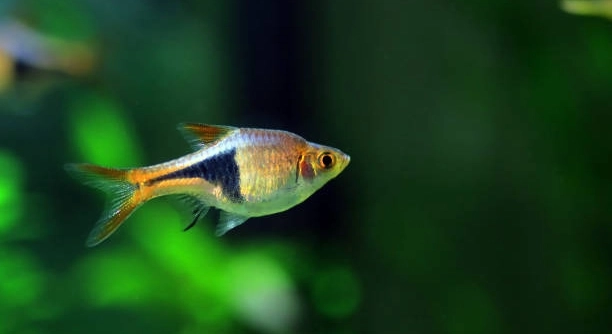
Harlequin rasboras are small, peaceful fish that brighten any aquarium with their vibrant colors. Watching them lose their bright hues can be worrying for any fish owner who cares about a healthy, attractive tank. The most common reason your harlequin rasbora is losing color is due to stress, poor water quality, or an inadequate diet. … Read more

What Makes Rasboras Feel Safe at Night?

Rasboras are small, peaceful fish that thrive in calm, well-structured environments. Their nighttime behavior reflects their natural instincts, seeking security and comfort within familiar surroundings that reduce stress and promote rest. Rasboras feel safe at night primarily due to a combination of environmental factors and social behavior. Providing adequate hiding spots, maintaining stable water conditions, … Read more

How Long Do Harlequin Rasboras Live?

Harlequin rasboras are small, colorful fish that brighten up any home aquarium. They are gentle and peaceful, making them popular among beginner and experienced fish keepers alike. Many enjoy watching their playful swimming patterns daily. Harlequin rasboras typically live between five and seven years in captivity. Their lifespan depends on proper care, including a balanced … Read more

7 Things Rasboras Hate in a Community Tank

Keeping a community tank healthy requires attention to every inhabitant. Rasboras are peaceful fish that thrive in calm, well-planned environments. Their happiness depends on avoiding stressful conditions and incompatible tank mates. Rasboras dislike aggressive or large fish, poor water quality, overcrowding, insufficient hiding spaces, abrupt lighting changes, strong currents, and inappropriate diet. Each factor can … Read more