
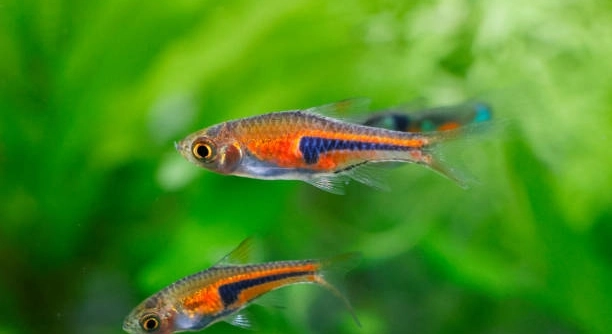
Rasboras are small, colorful fish that brighten up any aquarium. They are generally hardy, but their health depends on consistent care, clean water, and a balanced environment. Even minor changes can affect their wellbeing over time.
Maintaining rasbora health requires attention to water quality, diet, tank conditions, and social environment. Regular monitoring and proper care practices ensure their longevity, vitality, and disease prevention, supporting both their physical and behavioral needs in a controlled aquatic setting.
Simple adjustments in feeding, tank setup, and maintenance can greatly improve their overall health and happiness in the aquarium environment.
Provide a Balanced Diet
Rasboras thrive on a varied diet that includes high-quality flake food, small pellets, and occasional live or frozen treats like daphnia or brine shrimp. Feeding them small portions twice a day helps maintain proper nutrition and prevents overfeeding, which can cloud the water and stress the fish. Vegetables like blanched spinach or zucchini can also be offered in tiny amounts to provide fiber and essential vitamins. Observing their eating habits is important, as picky eaters might need adjustments in food type or preparation. Keeping their diet consistent ensures energy levels remain stable and supports vibrant coloration. Avoid sudden diet changes, as rasboras are sensitive and may react with stress or digestive issues. Rotating protein sources and occasional treats helps prevent nutritional deficiencies. Good feeding practices encourage natural behavior, such as schooling and foraging, which is essential for their mental and physical health. A balanced diet is a cornerstone of long-term wellbeing for these small, lively fish.
A proper diet keeps rasboras active, colorful, and less prone to disease. Feeding small portions twice daily maintains a healthy environment.
Regular attention to feeding and variety in their meals strengthens their immune system, reduces stress, and promotes steady growth. Overfeeding can lead to obesity, water quality issues, and lethargy. By offering a balanced diet and monitoring consumption, their overall health can improve dramatically. Nutrient-rich meals support reproductive health, energy levels, and schooling behavior, which is vital since rasboras are social fish. Even minor adjustments in the types of food or feeding schedule can enhance vitality. Providing occasional live food encourages natural hunting instincts and prevents boredom. By rotating different food types and maintaining portion control, rasboras will display brighter colors and more consistent activity. A thoughtful approach to diet also reduces the risk of digestive problems and ensures that all fish in the tank receive adequate nutrition. Consistency and observation are key in supporting their long-term health and happiness.
Maintain Clean Water
Clean water is essential for rasbora survival. Dirty or contaminated water can stress them, weaken their immune system, and encourage disease outbreaks. Regular partial water changes help maintain proper water chemistry and clarity.
Keeping water conditions stable requires testing parameters such as pH, ammonia, nitrite, and nitrate levels at least once a week. Rasboras prefer slightly acidic to neutral water with low hardness. A quality filtration system is necessary to remove debris, excess food, and waste while ensuring gentle water flow to prevent stress. Avoid overstocking the tank, as crowded conditions lead to higher waste levels and reduced oxygen. Using a gravel vacuum during water changes removes leftover food and detritus. Temperature consistency is also important; sudden fluctuations can shock the fish and make them more vulnerable to illness. Plants can help absorb nitrates and provide hiding spots, further improving water quality. Maintaining clean water is not just about appearance—it directly influences feeding behavior, activity, and overall health. Regular monitoring and maintenance create a stable, safe environment where rasboras can thrive for years.
Control Tank Temperature
Rasboras do best in stable temperatures between 72 and 78°F. Sudden changes can stress them, weaken their immune system, and make them prone to illness. Using a reliable heater and thermometer helps maintain consistency.
Maintaining a stable temperature is critical for rasboras because they are sensitive to sudden shifts. Even a few degrees of fluctuation can affect metabolism, appetite, and activity levels. A gradual rise or drop can cause stress, leading to illness or lethargy. Placing the tank away from direct sunlight, drafts, or heating vents helps prevent rapid changes. Monitoring the water daily ensures the environment stays within a safe range. Using an adjustable heater with a built-in thermostat provides precise control. Temperature stability also supports proper digestion and encourages healthy schooling behavior, which is important for these social fish.
Consistency in temperature reduces stress and keeps rasboras active. A stable environment allows them to grow normally, maintain vibrant colors, and remain resistant to disease. Sudden changes can cause rapid stress responses, so daily observation of the heater and thermometer ensures a safe, steady habitat for long-term health and wellbeing.
Provide Hiding Spaces
Rasboras feel more secure with plants, rocks, or decorations to hide in. Hiding spaces reduce stress and encourage natural behavior, including schooling and foraging.
Dense plants and carefully arranged decorations create safe zones where rasboras can retreat when feeling threatened. Floating plants or tall stems offer cover near the surface, while rock formations provide shelter at the bottom. Open swimming areas combined with hiding spots allow them to explore without feeling exposed. Secure decorations prevent injury from sharp edges or unstable structures. Hiding places also encourage breeding behavior, as rasboras often deposit eggs near plants. By creating a varied environment with both open swimming areas and sheltered zones, stress levels decrease, promoting overall health. Observing how the fish use the space can guide adjustments, such as adding more plants or rearranging decorations for better access. A well-structured tank balances safety and activity, supporting both mental and physical wellbeing.
Monitor Water Parameters
Regularly checking pH, ammonia, nitrite, and nitrate levels keeps the tank safe for rasboras. Stable water chemistry prevents stress and reduces the risk of illness or sudden deaths.
Using simple test kits helps track changes over time. Keeping parameters consistent supports their digestion, activity, and coloration, ensuring a healthier tank environment.
Avoid Overcrowding
Overcrowding increases stress and waste buildup, which can harm rasboras. Maintaining an appropriate number of fish per gallon ensures space for swimming and reduces aggression. Proper stocking also supports oxygen levels and water quality, allowing all fish to thrive without constant intervention.
Keep a Consistent Light Cycle
Rasboras benefit from a regular light schedule, ideally 8-10 hours per day. Consistent lighting helps regulate their activity, feeding patterns, and overall health, creating a stable environment that mimics natural day and night cycles.
Observe Behavior Daily
Watching rasboras daily allows early detection of illness, stress, or unusual activity. Quick intervention can prevent minor issues from becoming serious health problems.
FAQ
How often should I feed my rasboras?
Feeding twice a day in small portions is ideal. Overfeeding can cloud the water and stress the fish, while underfeeding may slow growth and affect color. A variety of flake food, pellets, and occasional live or frozen treats provides balanced nutrition.
Can rasboras live with other fish?
Yes, they are peaceful and do well in community tanks. Avoid aggressive or much larger species that may nip fins or intimidate them. Ideal tankmates include small tetras, gouramis, or peaceful catfish. Maintaining enough space and hiding areas reduces stress in mixed-species tanks.
What is the best water temperature for rasboras?
A stable range between 72 and 78°F is optimal. Sudden fluctuations can cause stress, weaken the immune system, and increase disease risk. Using a reliable heater and thermometer ensures consistent conditions, supporting activity, feeding, and overall health.
How do I prevent diseases in rasboras?
Maintaining clean water, a balanced diet, and proper tank conditions is essential. Quarantining new fish before adding them to the tank reduces the risk of introducing infections. Observing daily behavior and promptly removing sick individuals helps prevent outbreaks.
Why are my rasboras losing color?
Fading colors often indicate stress, poor nutrition, or suboptimal water conditions. Checking water parameters, providing a balanced diet, and reducing stressors like overcrowding or aggressive tankmates can help restore vibrant colors over time. Plants and hiding spots also improve confidence and appearance.
How many rasboras should I keep together?
Rasboras are schooling fish and need at least six to feel secure. Larger groups promote natural behavior and reduce stress. Overcrowding should still be avoided, as it can increase waste buildup and lower water quality, negatively affecting health.
Do rasboras need plants in the tank?
Yes, live or artificial plants provide shelter, reduce stress, and encourage natural behavior like foraging and schooling. Plants also improve water quality by absorbing nitrates. Combining open swimming space with planted areas creates a balanced environment for their physical and mental wellbeing.
How often should I change the water?
Partial water changes of 20-30% once a week are recommended. This keeps nitrate levels low, maintains water clarity, and reduces stress. Using a gravel vacuum removes leftover food and debris, supporting overall health. Consistency in water maintenance is key to long-term wellbeing.
Can rasboras breed in a home aquarium?
Yes, but they need specific conditions: slightly acidic water, plenty of plants for egg-laying, and minimal disturbance. Feeding high-quality food and keeping stable water parameters encourages breeding behavior. Fry require very small food and careful attention to prevent predation.
Why are my rasboras hiding most of the time?
Frequent hiding may indicate stress, poor water quality, or tankmates that intimidate them. Providing sufficient hiding spots, monitoring water parameters, and reducing disturbances can help them feel secure and more active. Stress-free conditions improve feeding and overall health.
What is the ideal pH for rasboras?
A slightly acidic to neutral range of 6.5-7.0 is best. Sudden shifts outside this range can cause stress, reduce appetite, and weaken immunity. Regular testing and gentle adjustments help maintain a stable environment that supports healthy growth and activity.
How can I tell if a rasbora is sick?
Signs of illness include faded color, clamped fins, lethargy, rapid breathing, or unusual swimming patterns. Prompt identification and isolation of affected fish, along with adjusting water quality and diet, help prevent the spread of disease and support recovery.
Do rasboras need a specific tank size?
A minimum of 10 gallons is recommended for a small school, with larger tanks preferred for bigger groups. Sufficient swimming space prevents stress, supports schooling behavior, and maintains water quality. Proper tank size is essential for long-term health and happiness.
Can I use tap water for my rasboras?
Yes, but it must be treated to remove chlorine, chloramines, and heavy metals. Using a water conditioner ensures the water is safe and stable. Testing parameters like pH, hardness, and temperature before adding fish helps prevent stress and health problems.
What should I do if a rasbora stops eating?
Loss of appetite may indicate stress, illness, or poor water quality. Check water parameters, inspect for signs of disease, and offer a variety of foods in small portions. Isolating sick fish and maintaining consistent care helps them recover more quickly.
How important is tank decoration for rasboras?
Decorations provide shelter and reduce stress, encouraging natural behavior. Safe rocks, driftwood, and plants create zones for hiding and exploration. Avoid sharp or unstable items to prevent injury. A thoughtfully arranged tank balances open swimming areas and protective spaces for optimal wellbeing.
How can I make rasboras more active?
Stable water conditions, proper temperature, a balanced diet, and sufficient swimming space promote activity. Adding plants, hiding spots, and gentle water flow encourages natural behavior. Observing their interactions and adjusting the environment can help them stay lively and healthy.
Is it normal for rasboras to school tightly?
Yes, tight schooling is natural and indicates security and social comfort. Stress, illness, or insufficient numbers may disrupt this behavior. Providing at least six individuals and a stable, safe environment encourages proper schooling and reduces anxiety.
Can rasboras live long in home aquariums?
With proper care, balanced diet, clean water, and stable conditions, rasboras can live 4-6 years or longer. Consistent attention to health, behavior, and environment ensures they thrive and display natural colors and activity throughout their life.
What type of filter is best for rasboras?
A gentle filter that maintains water clarity without creating strong currents is ideal. Sponge filters or adjustable hang-on-back filters work well. Proper filtration removes waste, reduces toxins, and supports oxygen levels, contributing to healthier, more active fish.
Rasboras are small, lively fish that can bring a lot of life to a home aquarium. Keeping them healthy is mostly about consistency and attention to their environment. Regular feeding, clean water, stable temperature, and a safe tank setup all play a major role in their wellbeing. Even though they are hardy compared to some other fish, neglecting these basics can quickly lead to stress or illness. By focusing on these key areas, you create conditions that allow them to swim actively, display vibrant colors, and behave naturally. Watching a well-cared-for school of rasboras can be rewarding, and maintaining their health is straightforward when these habits are followed consistently.
A balanced diet is essential for their health and longevity. Rasboras thrive on a mix of high-quality flake food, small pellets, and occasional live or frozen treats like brine shrimp or daphnia. Adding small amounts of vegetables, like blanched spinach or zucchini, provides additional nutrients and fiber. Portion control is important because overfeeding can pollute the water and underfeeding can affect growth and energy levels. Observing their eating habits ensures all fish are receiving enough nutrition and helps detect early signs of stress or illness. Providing variety and consistency in their meals not only supports their physical health but also encourages natural foraging behavior and keeps them engaged in the tank environment.
Maintaining a clean, stable environment is equally important. Regular water changes, monitoring pH and temperature, and providing hiding spaces reduce stress and prevent disease. Rasboras are schooling fish and feel safest in groups, so having enough companions and open swimming areas is important. Decorations, plants, and secure hiding spots create a balanced habitat that supports both physical and mental wellbeing. Paying attention to small details, like gentle filtration and consistent lighting, ensures the tank remains healthy and stress-free. When these factors are managed properly, rasboras will live longer, remain active, and continue to be a lively, colorful addition to the aquarium.

Hello,
If you enjoy the content that we create, please consider saying a "Thank You!" by leaving a tip.
Every little bit helps us continue crafting quality advice that supports the health, happiness, and well-being of pets around the world, for pets of all shapes, sizes, and species.
We really appreciate the kindness and support that you show us!