
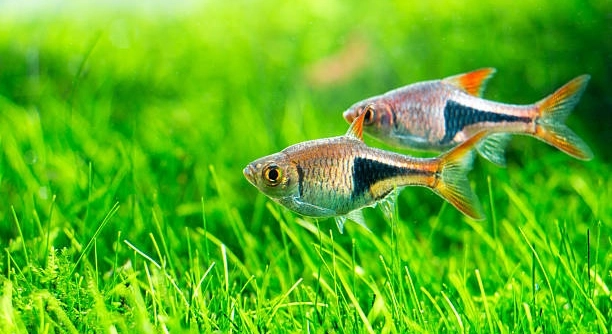
Rasboras are small, peaceful fish that thrive in calm, well-structured environments. Their nighttime behavior reflects their natural instincts, seeking security and comfort within familiar surroundings that reduce stress and promote rest.
Rasboras feel safe at night primarily due to a combination of environmental factors and social behavior. Providing adequate hiding spots, maintaining stable water conditions, and allowing schooling behavior ensures they experience minimal stress and remain secure.
Understanding what contributes to their nighttime security helps create a more harmonious aquarium environment. These simple adjustments can significantly improve the well-being of your rasboras.
Creating a Safe Environment for Rasboras
Rasboras rely heavily on their surroundings to feel secure at night. Placing plants, rocks, or decorations strategically gives them areas to hide and rest without feeling exposed. Dense vegetation not only provides cover but also mimics their natural habitat, reducing stress. Maintaining stable water temperature and clean conditions is equally important. Fluctuating temperatures or poor water quality can trigger anxiety and disrupt their rest patterns. Additionally, soft lighting or dim conditions during nighttime hours help rasboras feel less threatened. Bright lights or sudden changes can startle them, causing unnecessary stress. Observing their behavior during the night can give valuable insights into whether they feel comfortable. A tank that allows freedom to swim and explore while offering secure hiding spots ensures rasboras remain calm. It also promotes natural behavior, which is essential for their overall health and longevity in an aquarium setting.
Providing plants and hiding spaces helps rasboras sleep better and feel more relaxed throughout the night.
A well-structured environment encourages schooling behavior, which rasboras rely on for safety. When they gather together near plants or decorations, it reduces feelings of vulnerability. Combining this with consistent water parameters ensures they experience minimal stress, even during sudden environmental changes. Observing their habits can guide improvements in tank design, like adding more foliage or adjusting lighting levels. Smooth surfaces and soft substrate also reduce accidental injuries during nighttime activity. By maintaining balance in the tank setup, rasboras feel secure and behave naturally, allowing for a healthier and calmer community.
The Role of Lighting and Noise
Bright lights or sudden noises can disturb rasboras and interrupt their rest patterns.
Rasboras are sensitive to both visual and auditory changes in their environment. Using dim lighting or a night-specific LED setting replicates natural conditions, reducing stress during nighttime hours. Minimizing external vibrations and sudden movements ensures they remain calm. Consistent lighting cycles help regulate their internal clocks, promoting regular sleep and activity patterns. Noise from pumps or household activity should be monitored, as excessive disturbance can cause anxiety. By carefully controlling lighting and minimizing disruptive sounds, rasboras can settle into their preferred routine. This creates a more stable and peaceful tank environment, supporting both their physical and mental health. Over time, these adjustments allow them to exhibit natural behavior patterns, including schooling and resting in secure areas. Proper management of sensory factors ensures rasboras feel protected and confident in their surroundings.
Feeding and Nighttime Comfort
Feeding patterns affect how rasboras feel at night. Offering smaller, consistent meals helps prevent stress and keeps them calm. Avoid overfeeding, as leftover food can degrade water quality and disturb their nighttime environment.
Maintaining a regular feeding schedule allows rasboras to anticipate activity and settle into rest more easily. When they are well-fed during the day, they are less likely to search for food at night, reducing unnecessary movement and stress. Choosing appropriate food that matches their size and dietary needs supports digestion and overall health. Clean feeding practices also prevent water contamination, which can impact their comfort levels. By establishing predictable routines, rasboras adapt better to their tank environment and display calmer nighttime behavior.
Overfeeding or inconsistent feeding can make rasboras anxious, causing restless swimming at night. Monitoring portions and timing ensures they remain healthy and secure. It also reduces waste accumulation, keeping the tank clean and safe. Observing their reactions after feeding provides clues about whether adjustments are needed. Balanced nutrition combined with clean water fosters a stable habitat. This stability allows rasboras to engage in natural behaviors, like schooling and resting in hidden areas, reinforcing their sense of safety. A thoughtful approach to feeding directly enhances their nighttime comfort and overall well-being.
Social Behavior and Group Dynamics
Rasboras feel safer when in groups, as schooling provides security. A small school reduces stress and encourages natural behaviors, especially at night.
Schooling behavior is essential for rasboras’ comfort and security. In groups, they rely on collective awareness to detect potential threats, even in a tank environment. Properly sized schools reduce feelings of vulnerability and promote calmer behavior during nighttime hours. Interactions within the group, such as synchronized swimming and resting together, reinforce social bonds and reduce anxiety. Careful attention to the number of fish ensures balanced group dynamics and prevents overcrowding, which can cause stress. Maintaining compatible species and avoiding aggressive tank mates further supports a harmonious social structure. By understanding and facilitating their natural social needs, rasboras thrive, demonstrating healthier, more relaxed nighttime behavior.
Water Quality and Stability
Stable water conditions are critical for rasboras’ nighttime comfort. Regular testing and maintaining appropriate pH, temperature, and hardness reduce stress and support healthy behavior patterns.
Frequent water changes and proper filtration prevent the buildup of harmful substances. Clear, clean water allows rasboras to navigate their environment confidently, especially during low-light hours.
Hiding Spots and Shelter
Providing sufficient hiding spots helps rasboras feel protected. Plants, rocks, and decorations create areas to rest without exposure. Properly arranged shelters mimic natural habitats, encouraging calm behavior and reducing nighttime anxiety.
Consistent Routine
Rasboras thrive on predictable daily routines. Maintaining regular feeding, lighting, and activity schedules supports their internal rhythms and ensures a more secure environment.
FAQ
Why do rasboras hide at night?
Rasboras naturally seek safety during nighttime hours. Hiding reduces exposure to potential threats and allows them to rest without stress. Even in a calm aquarium, they follow instincts from the wild, preferring cover under plants, rocks, or decorations. A lack of hiding spots can lead to restless or anxious behavior.
How can I make my tank more comfortable for rasboras at night?
Adding dense plants, caves, and smooth decorations gives them secure spaces. Maintaining stable water parameters, gentle lighting, and minimal sudden noise improves comfort. Creating areas where they can rest without feeling exposed helps them display natural nighttime behaviors, including schooling and low activity.
Is lighting important for their nighttime security?
Yes, lighting plays a major role. Bright lights or abrupt changes can stress rasboras. Soft lighting, dim LEDs, or natural cycles help signal night and day. This reduces startle responses and allows them to settle comfortably in their hiding spots, promoting calm behavior and restful periods.
Do rasboras need to be in groups to feel safe at night?
Schooling is essential for their sense of security. Being in small groups reduces stress and supports natural social behavior. When together, they coordinate movements and watch for disturbances, even in a tank setting. A school that is too small can make them anxious, while overcrowding may create tension.
Can water conditions affect their nighttime behavior?
Absolutely. Fluctuations in temperature, pH, or hardness can make rasboras restless and insecure. Regular monitoring and consistent water changes ensure stability. Clean water also reduces the risk of disease, allowing them to rest calmly and swim without hesitation. Poor conditions often lead to erratic swimming or hiding in unusual areas.
How does feeding impact their nighttime comfort?
Feeding small, regular meals keeps them satisfied and reduces nighttime foraging. Overfeeding can pollute the tank, creating stress and affecting their comfort. Appropriate food for their size and dietary needs prevents digestive issues, which in turn keeps their energy balanced for calm behavior at night.
What role does noise play in their sense of safety?
Rasboras are sensitive to vibrations and loud sounds. Sudden noises from pumps, household activity, or tank maintenance can startle them. Minimizing external disturbances and providing a quiet environment during night hours helps them rest peacefully and reduces stress-induced activity.
Are some tank decorations better than others for their safety?
Yes, smooth surfaces and rounded edges prevent injuries during nighttime swimming. Natural-looking plants, caves, and driftwood create safe zones while mimicking a natural environment. Avoid overcrowding the tank, as excessive clutter can restrict movement and increase stress, while too few hiding spots may leave them feeling exposed.
How can I tell if my rasboras feel secure at night?
Calm, coordinated schooling and resting in hiding spots indicate they feel safe. Sudden darting or excessive hiding may signal stress. Observing behavior over several nights provides insights into their comfort, and adjustments to lighting, hiding spots, or water conditions can improve their sense of security.
Do temperature changes affect their nighttime behavior?
Yes, sudden drops or spikes in water temperature can disturb rasboras. Consistent temperature suitable for their species keeps them calm and supports normal activity patterns. A stable environment allows them to rest naturally and reduces stress-related behaviors, such as frantic swimming or hiding in unusual areas.
How important is tank size for their nighttime comfort?
A spacious tank allows movement and social interaction without overcrowding. Too small a tank restricts natural schooling behavior and limits hiding opportunities, increasing stress. Adequate space combined with structured hiding areas ensures rasboras can establish secure zones and feel confident during night hours.
Can tank mates influence their nighttime security?
Yes, aggressive or overly active tank mates can disrupt rest and increase anxiety. Choosing peaceful companions that respect their space helps maintain calm conditions. Conflicts during nighttime can lead to stress, so observing interactions and making adjustments when necessary is important for their overall sense of safety.
Does the substrate affect how rasboras feel at night?
Smooth, soft substrates reduce the risk of injury and make resting more comfortable. Sharp or rough gravel can discourage natural hiding and resting behaviors. A substrate that mimics their natural habitat supports both comfort and confidence, allowing them to explore and rest without unnecessary stress.
Can changing the tank layout suddenly affect them?
Yes, sudden rearrangement can confuse or stress rasboras. Gradual changes allow them to adjust, maintaining a sense of security. Abrupt shifts in decorations, plants, or hiding spots may trigger hiding or frantic swimming, disrupting their nighttime routine. Slow adjustments preserve a stable, calm environment for them to feel safe.
How do plants help rasboras feel secure at night?
Plants provide natural cover and break lines of sight, giving them privacy. Dense or tall plants mimic their wild environment, reducing perceived threats. They also support schooling behavior, allowing rasboras to rest close together while feeling protected. Healthy plant growth contributes to overall tank stability and comfort.
Do rasboras react differently in community tanks at night?
Yes, their behavior depends on the other species present. Peaceful, similarly sized fish help maintain calm conditions, while aggressive or larger species may cause stress. Providing adequate hiding spaces for all inhabitants ensures that rasboras can maintain secure nighttime routines even in a community setup.
How can I gradually improve their nighttime security?
Start by adding hiding spots and stable plants, maintaining consistent water conditions, and monitoring light cycles. Introduce small, peaceful tank mates if needed, and observe behavior for signs of comfort. Gradual adjustments allow rasboras to adapt without stress, ensuring they feel safe and settle into a natural routine at night.
What signs indicate rasboras are fully comfortable at night?
Calm schooling, minimal hiding during the night, and predictable swimming patterns indicate comfort. They explore confidently while still using hiding spots as needed. A healthy appetite during the day and relaxed behavior at night show that the tank setup, social group, and environmental conditions support their sense of security.
How often should I review their nighttime comfort?
Regular observation, at least a few times per week, helps identify stress triggers or changes in behavior. Monitoring water quality, lighting, and social dynamics ensures that rasboras remain secure. Adjustments based on these observations maintain a safe, stable environment, allowing them to thrive and rest peacefully each night.
Are artificial shelters as effective as natural ones?
Artificial caves and decorations can provide adequate hiding if designed safely. Smooth edges and proper spacing prevent injury. Combining artificial and live plants creates diverse cover, giving rasboras multiple options to rest and feel secure. Variety in shelter types encourages natural behavior and supports calm nighttime routines.
Does schooling alone guarantee they feel safe?
Schooling reduces stress but is not the only factor. Environmental stability, hiding spots, water quality, and lighting also play key roles. Even in a school, rasboras need predictable routines and safe areas to rest, ensuring their overall sense of security during night hours.
Can nighttime behavior indicate health problems?
Yes, excessive hiding, frantic swimming, or inactivity may signal illness or stress. Observing patterns helps differentiate normal protective behavior from signs of disease. Addressing underlying causes such as water quality, nutrition, or tank mates supports both comfort and health. Regular monitoring ensures rasboras remain secure and healthy at night.
Rasboras are small, peaceful fish that thrive when their basic needs are met. Their nighttime comfort depends on a combination of environmental factors, social behavior, and consistent care. Providing secure hiding spots, stable water conditions, and appropriate lighting allows them to feel safe and exhibit natural behavior. Dense plants, smooth decorations, and carefully arranged tank layouts mimic their natural habitats, reducing stress and promoting rest. Observing their behavior regularly helps identify whether adjustments are needed. Calm schooling, low activity at night, and confident exploration indicate they feel secure, while erratic swimming or excessive hiding can signal discomfort. Maintaining these conditions supports their health and ensures they remain comfortable within the aquarium environment.
Feeding and social dynamics also play a crucial role in their nighttime well-being. Regular, appropriately sized meals prevent hunger-driven stress and avoid leftover food that can affect water quality. Schooling behavior provides safety in numbers, allowing rasboras to rest together and feel protected. Maintaining compatible tank mates and avoiding aggressive or overly active species prevents disturbances during night hours. Environmental stability, including consistent temperature, pH, and hardness, further reinforces a sense of security. Combined, these factors create an environment where rasboras can relax, rest, and follow their natural routines. A well-maintained, thoughtfully arranged tank encourages healthy behavior patterns and reduces stress, which is essential for their long-term comfort and happiness.
It is important to understand that small changes can significantly impact rasboras’ sense of safety. Adjusting lighting gradually, monitoring water parameters, and providing multiple options for hiding helps them adapt without stress. Observing their nighttime habits provides valuable insight into how secure they feel and whether their environment meets their needs. Even minor improvements in tank structure or routine can enhance their comfort. Ultimately, creating a stable, supportive, and predictable environment ensures that rasboras can thrive while feeling safe at night. Attention to these details reflects not only on their physical health but also on their overall well-being, making it possible to enjoy a harmonious and balanced aquarium with calm, confident rasboras.

Hello,
If you enjoy the content that we create, please consider saying a "Thank You!" by leaving a tip.
Every little bit helps us continue crafting quality advice that supports the health, happiness, and well-being of pets around the world, for pets of all shapes, sizes, and species.
We really appreciate the kindness and support that you show us!