
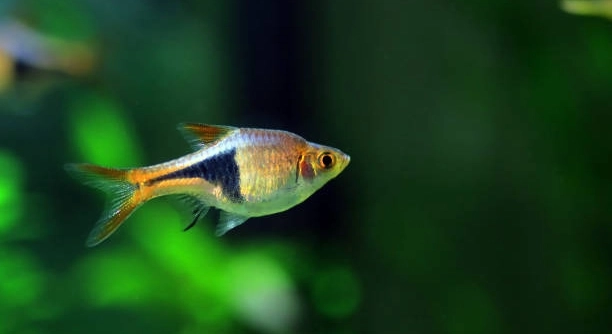
Do you enjoy keeping Rasboras but notice tension or aggression among them in your aquarium? Many hobbyists struggle with pairing these small, colorful fish, often facing unexpected conflicts that disrupt the harmony of their tank.
The most common mistakes in Rasbora pairing involve improper tank size, ignoring social dynamics, mixing incompatible species, neglecting hiding spaces, inconsistent feeding routines, sudden environmental changes, and overcrowding. Recognizing these factors is essential for maintaining balanced, peaceful communities.
Learning to avoid these errors can transform your tank into a thriving, calm environment. Understanding these key points will help ensure your Rasboras live harmoniously.
Ignoring Tank Size Requirements
Rasboras are active swimmers, and small tanks can create stress and aggression. Many people underestimate the space these fish need, often keeping them in tanks too small for multiple individuals. A cramped environment limits their movement, increases territorial disputes, and can affect their overall health. Stress from inadequate space can weaken their immune systems, making them more susceptible to disease. The water quality also suffers in smaller tanks because waste accumulates faster, leading to higher ammonia and nitrate levels. Proper filtration and regular water changes help, but the tank’s size is the foundation of a healthy habitat. For most Rasbora species, a minimum of 20 gallons is recommended for a small school. Larger tanks allow them to swim freely, establish natural social hierarchies, and reduce the risk of aggression. Observing their behavior in a properly sized tank can reveal a calmer, more harmonious group dynamic.
Providing the correct tank size ensures your Rasboras have enough room to thrive and minimizes conflict within the group.
Ensuring the tank meets the recommended dimensions for your Rasbora species is crucial. Adequate swimming space, proper hiding areas, and environmental enrichment reduce stress levels. Crowding increases the chance of fights and can cause injury. In a well-sized tank, fish can form stable social groups, display natural behavior, and maintain overall health. Along with proper filtration and regular maintenance, tank size is a key factor in creating a peaceful and balanced aquatic environment where Rasboras can flourish.
Overlooking Social Dynamics
Rasboras are schooling fish that rely on social interactions to feel secure.
Ignoring their social behavior can lead to isolation or bullying. Small schools can cause stress, as Rasboras depend on larger groups to feel confident and safe. Individual fish may hide excessively or become aggressive without proper group dynamics.
Properly managing social interactions requires understanding each species’ temperament and hierarchy. Some Rasboras prefer tightly packed schools, while others are more flexible. Introducing new fish gradually and observing their responses helps prevent conflicts. Incompatible combinations may trigger chasing or nipping, affecting both the newcomers and established fish. Recognizing dominant individuals within the school is important, as they can influence the overall harmony. Structured environments with plants, decorations, and multiple hiding spots allow fish to retreat and reduce tension. Monitoring behavior regularly ensures the school remains balanced and stress-free. By respecting their social needs, you can create an environment where Rasboras thrive, interact naturally, and display their full range of behaviors without unnecessary conflict.
Mixing Incompatible Species
Mixing Rasboras with aggressive or larger fish often leads to stress and injury. Not all tankmates are suitable, and mismatched species can disrupt social harmony. Careful selection is essential to maintain a peaceful aquarium environment.
Some Rasbora species are delicate and can be easily intimidated by larger, more boisterous fish. Aggressive tankmates may chase or nip fins, causing wounds and stress. Stress weakens immunity, making Rasboras more susceptible to illness. Even non-aggressive species can create tension if they compete for space or food. Observing behavior closely when introducing new fish is crucial to prevent conflicts. Ideally, tankmates should be similar in size, temperament, and activity level. Maintaining consistent water parameters helps all species adapt smoothly. Providing hiding spaces and plants reduces stress and encourages natural behavior.
Choosing compatible species requires knowledge of each fish’s behavior and needs. Avoiding aggressive or overly active tankmates allows Rasboras to swim freely, school comfortably, and maintain their health. Gradual introductions and monitoring interactions prevent problems. Creating a balanced community reduces injuries, lowers stress, and ensures fish coexist peacefully. Understanding species compatibility ensures long-term success and a calm, harmonious tank.
Neglecting Hiding Spaces
Rasboras feel safer with plants, caves, or decorations to retreat into when stressed or resting. Lack of cover can increase anxiety and aggression.
Providing ample hiding spots reduces conflicts and allows fish to establish territories. Dense plants, driftwood, and rocks create natural shelters that mimic their native habitats. Open spaces alone leave Rasboras exposed, making them more nervous and prone to panic when startled. Hiding spaces also benefit shy or weaker individuals, letting them recover from minor confrontations. Without proper cover, aggression may escalate, and schooling behavior can break down. Well-placed shelters encourage natural exploration while maintaining peace within the group.
Creating a structured environment requires thoughtful placement of decorations and plants. Hiding spaces should be distributed evenly to prevent overcrowding in one area. Live plants improve water quality, while caves and driftwood add both security and visual interest. Varied hiding options accommodate different personalities within the school, ensuring all fish feel safe. Observing interactions can guide adjustments, as some areas may become preferred retreats. A tank with sufficient cover promotes confident, active Rasboras and reduces stress-induced behavior problems, creating a more stable and enjoyable aquarium environment.
Inconsistent Feeding Routines
Irregular feeding can stress Rasboras and cause competition for food. Skipping meals or overfeeding disrupts their health and behavior.
A steady feeding schedule ensures all fish receive adequate nutrition. Uneven portions may lead to aggression as fish compete, while overfeeding pollutes the water, increasing the risk of disease.
Sudden Environmental Changes
Rasboras are sensitive to abrupt shifts in temperature, pH, or water hardness. Sudden changes can shock their system, leading to stress and illness.
Gradual adjustments and careful monitoring of water parameters help maintain stability. Small, incremental changes allow fish to adapt without compromising their health. Maintaining consistent lighting and temperature reduces stress and encourages normal behavior.
Overcrowding
Keeping too many Rasboras in a tank increases stress and aggression. Each fish needs space to swim and establish territory.
Overcrowding also reduces water quality, making maintenance harder and raising the risk of disease. A properly stocked tank ensures a calmer, healthier school and promotes natural schooling behavior.
FAQ
What is the ideal number of Rasboras in a school?
Rasboras are schooling fish and feel safest in groups. A minimum of six is recommended, though larger groups of eight to twelve create more natural behavior. Smaller schools can lead to stress, shyness, and increased aggression, as fish struggle to establish social balance.
How do I know if my Rasboras are stressed?
Signs of stress include hiding frequently, chasing or nipping each other, loss of color, or erratic swimming. Stress often results from overcrowding, incompatible tankmates, or poor water conditions. Monitoring behavior daily helps catch early issues and prevent long-term health problems.
Can Rasboras live with other small fish?
Yes, but compatibility is key. Ideal tankmates are peaceful, similar in size, and active enough to swim with the school. Avoid aggressive or fin-nipping species. Gradual introductions and close observation ensure harmony and reduce conflicts.
How often should I feed Rasboras?
Feeding two small portions per day is ideal. Overfeeding can pollute the water, while underfeeding causes competition and stress. A mix of high-quality flakes, micro-pellets, and occasional live or frozen food keeps them healthy and encourages natural behavior.
Do Rasboras need live plants?
Live plants are not strictly necessary, but they provide hiding spaces and improve water quality. Dense planting mimics natural habitats, reduces stress, and helps shy or weaker fish feel secure, enhancing overall tank harmony.
What water conditions do Rasboras prefer?
Rasboras thrive in slightly acidic to neutral pH (6.5–7.5) and stable temperatures around 72–78°F (22–26°C). Avoid sudden changes in temperature or pH, as they can shock the fish and lead to stress or illness. Consistency is more important than exact numbers.
How can I prevent aggression in Rasboras?
Provide enough space, maintain proper school sizes, and add hiding spaces. Avoid mixing aggressive species and ensure a stable environment. Monitoring social dynamics allows early intervention if chasing or fin-nipping occurs, keeping the school peaceful and balanced.
What should I do if new Rasboras are aggressive?
Quarantine new fish before introducing them. Gradually acclimate them to the main tank and observe interactions closely. Rearranging decorations or adding more hiding spots can help reduce territorial behavior and allow all fish to settle without stress.
Are there signs of illness I should watch for?
Look for faded colors, clamped fins, rapid breathing, or unusual swimming patterns. Early detection of parasites, bacterial infections, or fungal issues allows for timely treatment. Maintaining clean water and a balanced diet helps prevent most common diseases.
How important is tank maintenance for Rasboras?
Regular water changes, proper filtration, and monitoring water parameters are essential. Clean tanks reduce stress, prevent disease, and support healthy behavior. Neglecting maintenance can quickly lead to poor water quality, aggression, and increased mortality in small fish species.
Can Rasboras breed in a community tank?
Breeding is possible, but it is easier in a separate tank. Providing fine-leaved plants or spawning mops gives eggs a safe place. Adults may eat their young, so removing eggs or fry is often necessary to ensure survival.
What are common mistakes to avoid when pairing Rasboras?
Overcrowding, ignoring social needs, mixing incompatible species, lack of hiding spaces, inconsistent feeding, sudden environmental changes, and poor water quality are the most frequent errors. Addressing these factors ensures healthier, more peaceful schools.
How can I encourage natural schooling behavior?
Maintaining proper group sizes, offering open swimming space, and keeping a calm environment encourages coordinated swimming. Avoiding constant disturbances and aggressive tankmates helps Rasboras feel secure, allowing natural behavior to emerge.
Is it necessary to monitor individual fish daily?
Yes, daily observation allows you to detect early signs of stress, illness, or aggression. Small changes in behavior can indicate problems, and early intervention prevents larger issues and supports the health of the entire school.
What tank decorations are best for Rasboras?
Live or artificial plants, driftwood, and rocks create hiding spots and break sight lines to reduce stress. Avoid overcrowding the tank, but provide enough cover to allow each fish to retreat when needed. Spacing decorations thoughtfully helps maintain balance in the aquarium.
How long do Rasboras typically live?
With proper care, Rasboras can live 4–6 years on average. Maintaining stable water conditions, providing adequate nutrition, and keeping stress levels low supports longevity. Regular monitoring of health and behavior helps ensure they reach their full lifespan.
Can Rasboras tolerate different water hardness levels?
They can adapt to moderately soft to moderately hard water. Extreme hardness or rapid changes should be avoided, as sudden shifts can stress fish and disrupt natural behavior. Gradual adjustments allow them to acclimate safely.
What is the best way to introduce Rasboras to a new tank?
Float the bag in the tank for 15–20 minutes to equalize temperature. Gradually mix small amounts of tank water into the bag over 30–60 minutes before release. This reduces shock and helps fish adjust to their new environment safely.
How do I maintain water quality for Rasboras?
Regular partial water changes, proper filtration, and avoiding overfeeding are key. Test ammonia, nitrite, and nitrate levels frequently. Stable water parameters prevent stress, disease, and aggression, supporting a peaceful and healthy school environment.
Are Rasboras sensitive to lighting conditions?
Moderate lighting is best. Too bright lights can stress shy species, while very dim lighting may affect activity levels and natural coloration. Balanced lighting supports plant growth and helps fish feel secure without causing unnecessary stress.
What should I know about Rasbora coloration?
Color intensity often reflects health and stress levels. Vibrant colors indicate a healthy, unstressed fish, while fading or dull colors may signal poor water quality, illness, or aggression within the school. Regular observation helps maintain their natural beauty.
How can I encourage peaceful interactions in a mixed species tank?
Select compatible species, provide adequate space, maintain consistent feeding routines, and offer hiding spots. Observing behavior and adjusting tank layout when needed reduces tension and allows all fish to coexist calmly and naturally.
Is it necessary to cycle the tank before adding Rasboras?
Yes, a fully cycled tank ensures beneficial bacteria are established, preventing spikes in ammonia and nitrite. This step is crucial for Rasboras’ health, as they are sensitive to poor water quality. Skipping this process can result in illness or death.
Can Rasboras tolerate temperature fluctuations?
Minimal fluctuations are acceptable, but sudden or large changes can stress fish. Maintaining stable temperatures within their preferred range supports natural behavior, immunity, and overall health. Using a reliable heater and thermometer ensures consistency.
What is the best diet for Rasboras?
A varied diet of high-quality flakes, micro-pellets, and occasional live or frozen foods like daphnia or brine shrimp promotes health and coloration. Providing balanced nutrition supports growth, immune function, and active schooling behavior.
How do I handle aggressive individuals within a school?
Identify the aggressive fish and consider rearranging tank decorations or adding hiding spots. If aggression persists, separating the individual temporarily can prevent injury and stress. Maintaining group balance is essential for overall school harmony.
Are Rasboras suitable for beginner fishkeepers?
Many species are hardy and adaptable, but attention to tank size, water quality, and social needs is required. Understanding their behavior and environmental requirements helps avoid common mistakes and ensures a peaceful, thriving aquarium.
How often should I check water parameters?
Weekly testing is recommended for ammonia, nitrite, nitrate, pH, and temperature. Frequent monitoring prevents stress-related health issues and allows timely adjustments, supporting a stable environment for Rasboras.
Can Rasboras coexist with shrimp or snails?
Yes, peaceful invertebrates are generally compatible. They add variety to the tank without threatening Rasboras. Observing interactions ensures that both fish and invertebrates remain healthy and stress-free.
What is the best way to clean a Rasbora tank?
Perform regular partial water changes, clean substrate, and rinse filter media in tank water. Avoid harsh chemicals. Consistent maintenance preserves water quality, reduces stress, and keeps fish healthy and active.
Do Rasboras need aeration?
Moderate water movement from a filter or gentle air stone is beneficial. Rasboras thrive in well-oxygenated water, but strong currents can stress them. Adjust flow to balance oxygenation with comfort.
How do I identify different Rasbora species?
Look at body shape, coloration, fin patterns, and size. Researching each species’ behavior and needs ensures proper pairing and care. Correct identification helps maintain compatibility and promotes natural schooling behavior.
What is the recommended tank temperature for Rasboras?
Maintain water between 72–78°F (22–26°C). Consistency is key, as temperature fluctuations can stress the fish, weaken immunity, and disrupt schooling behavior. Use a reliable heater for stability.
How do I prevent disease outbreaks?
Quarantine new fish, maintain clean water, provide balanced nutrition, and avoid overcrowding. Early detection and prompt action reduce the spread of illness and maintain a healthy, peaceful aquarium environment.
Can Rasboras adapt to community tanks with slightly different water parameters?
They are somewhat adaptable but require gradual acclimation. Sudden shifts in pH, hardness, or temperature can cause stress. Slow adjustment allows Rasboras to tolerate minor differences without health issues.
Is it necessary to trim live plants in a Rasbora tank?
Yes, trimming prevents overgrowth, maintains water circulation, and ensures hiding spaces remain accessible. Proper plant care supports both fish well-being and aesthetic balance in the aquarium.
Do Rasboras require special lighting for coloration?
Balanced lighting enhances natural colors but does not require special bulbs. Avoid overly bright lights that stress the fish, and provide moderate, consistent illumination for optimal appearance and behavior.
How can I tell if Rasboras are comfortable in their environment?
Calm swimming, vibrant colors, regular schooling, and interaction with tankmates indicate comfort. Sudden hiding, aggression, or erratic movements signal stress, prompting adjustments to environment or care routines.
Can I introduce Rasboras to an established tank with other fish?
Yes, if the tank is peaceful and parameters are stable. Introduce them slowly, provide hiding spaces, and observe interactions closely to prevent aggression or stress.
Are there signs of overcrowding I should watch for?
Increased chasing, fin-nipping, and frequent hiding indicate overcrowding. Poor water quality and stunted growth may also appear. Maintaining proper stocking levels ensures a calm, healthy environment.
How do I handle a sudden aggression outbreak in the tank?
Separate aggressive fish temporarily, rearrange decorations, and add hiding spots. Assess tank size and school composition to reduce stress and restore balance within the group.
Can Rasboras tolerate slightly brackish water?
Some species tolerate mild brackish conditions, but most prefer freshwater. Sudden changes can stress fish, so only small, gradual adjustments are recommended for species known to tolerate it.
What equipment is essential for a Rasbora tank?
A heater, reliable filter, water test kits, and thermometer are essential. Additional equipment like air stones, lighting, and decorations supports comfort, stability, and natural behavior.
How long does it take for Rasboras to settle into a new tank?
Typically, a few days to one week. Gradual acclimation, proper tank setup, and minimal disturbance help fish adjust comfortably and display natural behavior sooner.
Is water circulation important for Rasboras?
Moderate circulation improves oxygenation and maintains water quality. Avoid strong currents that may stress delicate species. Balanced flow supports health and normal swimming patterns.
Do Rasboras require seasonal adjustments?
No seasonal changes are needed if the tank is stable. Consistency in temperature, lighting, and water parameters supports year-round health and behavior.
Can I keep multiple Rasbora species together?
Yes, if they have similar size, temperament, and environmental needs. Careful observation is required to ensure harmony and prevent aggression or stress.
How can I encourage breeding behavior?
Provide dense plants, stable water parameters, and high-quality live or frozen foods. Removing adults from eggs or fry may be necessary to ensure survival.
What are the best water testing practices for Rasboras?
Test ammonia, nitrite, nitrate, pH, and temperature regularly. Record results to track trends and prevent stress or illness. Consistent monitoring maintains a healthy, balanced environment.
How do I reduce fin-nipping among Rasboras?
Ensure proper school size, adequate space, compatible tankmates, and hiding spots. Observing behavior allows intervention before aggression escalates. Balanced care minimizes conflicts naturally.
Can Rasboras tolerate fluctuating light cycles?
Gradual transitions are best. Sudden changes can stress fish. Maintain consistent day-night cycles to support natural behavior and coloration.
How important is water hardness for Rasboras?
Moderate softness to medium hardness is ideal. Sudden shifts or extremes can stress fish, affecting behavior and health. Gradual acclimation ensures comfort.
Are Rasboras suitable for planted tanks?
Yes, they benefit from plants for hiding and security. Live plants enhance water quality and mimic natural habitats, supporting well-being and schooling behavior.
Do Rasboras require any supplements or vitamins?
A balanced diet usually meets nutritional needs. Occasional supplements can support coloration and immunity but are not essential if high-quality foods are provided.
How do I prevent bullying within a Rasbora school?
Maintain proper group sizes, add hiding spaces, provide adequate swimming areas, and monitor interactions. Adjust tank setup if aggressive behavior persists to restore balance.
Can Rasboras adapt to tanks with slightly different pH levels?
Gradual acclimation allows adaptation, but sudden shifts should be avoided. Stable pH supports health, behavior, and coloration.
What is the best substrate for Rasboras?
Fine gravel or sand is suitable. Smooth surfaces reduce injury risk, support plants, and allow natural foraging behavior. Avoid sharp or rough substrates.
Do Rasboras require special filtration?
Standard filters providing gentle water flow are sufficient. Avoid strong currents that stress delicate species. Proper filtration ensures water quality and supports overall health.
How can I tell if a Rasbora is sick?
Look for faded color, clamped fins, erratic swimming, loss of appetite, or rapid breathing. Early detection allows timely treatment and prevents spread of disease.
Are Rasboras sensitive to tap water chemicals?
Yes, chlorine or chloramine can be harmful. Treat tap water with a dechlorinator before adding it to the tank to ensure safety and stability.
Can Rasboras live with bettas?
Caution is needed. Some bettas are aggressive and may nip fins. Observe closely and provide ample space and hiding spots if mixing species.
How do I prevent algae buildup in a Rasbora tank?
Regular water changes, controlling lighting, and maintaining balanced nutrient levels reduce algae growth. Live plants also compete with algae for nutrients, helping keep it in check.
Do Rasboras need specific water flow?
Moderate flow is ideal. Too strong can stress fish, while still water may reduce oxygen levels. Balanced circulation supports health and natural swimming patterns.
What is the best way to acclimate Rasboras to new water?
Float the bag to match temperature, then slowly add small amounts of tank water over 30–60 minutes. This prevents shock and allows safe adjustment.
Can Rasboras tolerate slightly cooler water?
Minor deviations are acceptable, but prolonged exposure to cooler temperatures slows metabolism and may increase vulnerability to illness. Maintaining a stable range is preferred.
How do I handle water emergencies like sudden pH drops?
Perform partial water changes, test parameters, and adjust carefully. Avoid rapid corrections that can stress fish further. Monitoring trends prevents future incidents.
Are Rasboras prone to common fish diseases?
They can develop ich, fin rot, and bacterial infections if stressed or kept in poor water conditions. Maintaining stable water quality and proper care reduces risk.
How long does it take for Rasboras to adjust after relocation?
Typically a few days to a week. Providing proper hiding spaces, stable water conditions, and minimal disturbance speeds adaptation.
Can Rasboras coexist with goldfish?
Not recommended. Goldfish are larger, produce more waste, and may outcompete Rasboras for food. Size and temperament differences can lead to stress and poor health.
What is the impact of overfeeding on Rasboras?
Excess food pollutes water, increases ammonia, and can trigger aggression. Controlled portions maintain water quality, health, and peaceful schooling behavior.
Do Rasboras require seasonal diet changes?
No seasonal changes are needed. A balanced diet year-round supports health, growth, and coloration consistently.
How important is tank cover for Rasboras?
Tank cover prevents fish from jumping out and reduces stress. Floating plants or a secure lid helps maintain safety and comfort.
Can Rasboras live in nano tanks?
Small nano tanks can stress Rasboras due to limited space. Larger tanks are recommended to allow natural schooling behavior and reduce aggression.
Are Rasboras compatible with African Dwarf Frogs?
Yes, generally compatible if space and water parameters are suitable. Observe interactions to prevent accidental stress or competition.
What is the best way to introduce multiple Rasbora species?
Introduce gradually, ensure compatible water requirements, and monitor interactions closely. Avoid overcrowding and provide ample hiding spaces to maintain harmony.
Do Rasboras require water softening or conditioning?
Some species benefit from slightly softer water, but stability is more important than exact hardness. Treat tap water as needed to match preferred parameters.
How do I encourage activity in Rasboras?
Maintain proper school size, provide open swimming areas, and offer varied foods. Consistent environment and minimal stress encourage active, natural behavior.
Can Rasboras tolerate slightly higher nitrate levels?
Low to moderate nitrate levels are tolerated, but prolonged exposure to high concentrations stresses fish. Regular water changes prevent accumulation and support health.
Are Rasboras sensitive to sudden lighting changes?
Yes, abrupt shifts can stress fish. Gradual transitions maintain comfort, natural behavior, and schooling patterns.
What is the effect of tank rearrangement on Rasboras?
Minor rearrangements are tolerated, but frequent changes can cause stress. Providing stable hiding spaces and familiar landmarks supports security and calm behavior.
How do I manage aggressive behavior during feeding?
Distribute food evenly, feed multiple times in small portions, and ensure hiding spots are available. Proper feeding routines reduce competition and aggression.
Can Rasboras live in low-light aquariums?
Keeping Rasboras can be a rewarding experience, but it requires attention to detail and consistent care. These small, active fish thrive in well-maintained environments with proper tank size, compatible tankmates, and structured social groups. Overcrowding, sudden environmental changes, or neglecting their social needs can lead to stress, illness, and aggression. Ensuring a stable habitat with sufficient swimming space, hiding spots, and moderate water flow helps maintain harmony within the school. Observing behavior regularly allows early detection of problems, which can prevent injuries and long-term health issues.
Feeding routines and water quality play a critical role in Rasbora well-being. A balanced diet consisting of flakes, micro-pellets, and occasional live or frozen food supports growth, immunity, and natural activity. Overfeeding not only pollutes the water but also encourages aggressive behavior as fish compete for food. Consistent partial water changes and filtration maintain clean water, which is essential for their health. Monitoring parameters such as pH, temperature, and hardness ensures stability and reduces stress. Even minor fluctuations in these factors can affect behavior, coloration, and overall vitality, so attention to detail is necessary.
Rasboras also benefit from thoughtful tank design and social management. Plants, decorations, and caves provide hiding spaces, encourage natural behavior, and reduce territorial disputes. Understanding each species’ temperament and schooling preferences allows for successful pairing and long-term harmony. Gradual introductions, proper acclimation, and observing interactions between tankmates further enhance compatibility. By paying close attention to their environment, diet, and social dynamics, it is possible to create a peaceful and healthy aquarium where Rasboras display their natural colors and behaviors. Consistent care and a structured setup ensure that these delicate fish remain active, healthy, and vibrant for many years.

Hello,
If you enjoy the content that we create, please consider saying a "Thank You!" by leaving a tip.
Every little bit helps us continue crafting quality advice that supports the health, happiness, and well-being of pets around the world, for pets of all shapes, sizes, and species.
We really appreciate the kindness and support that you show us!