
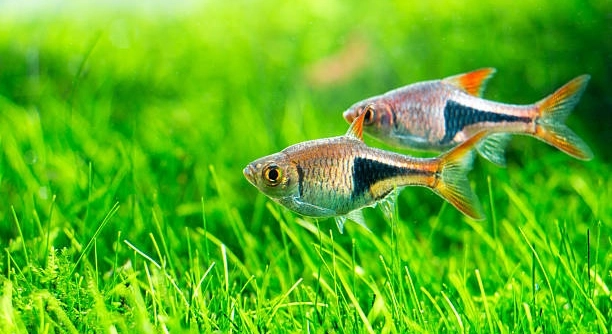
Keeping a community tank healthy requires attention to every inhabitant. Rasboras are peaceful fish that thrive in calm, well-planned environments. Their happiness depends on avoiding stressful conditions and incompatible tank mates.
Rasboras dislike aggressive or large fish, poor water quality, overcrowding, insufficient hiding spaces, abrupt lighting changes, strong currents, and inappropriate diet. Each factor can significantly impact their health and behavior, making careful tank management essential for their well-being.
Recognizing these factors early helps ensure a calm and thriving aquarium environment for your rasboras. Proper planning prevents unnecessary stress and promotes long-term health.
Aggressive Tank Mates
Keeping rasboras with aggressive or larger fish often leads to stress and injury. These peaceful fish are small and easily intimidated. Aggressive tank mates can chase them, nip at fins, and limit their swimming space. Constant harassment affects their health, making them more prone to disease and reducing their natural activity. It is important to choose tank mates that are equally peaceful and similar in size. Species such as tetras, small gouramis, or danios can coexist without causing stress. Overcrowding with dominant fish should also be avoided. A calm, balanced environment allows rasboras to display their natural schooling behavior. Maintaining a community tank with compatible species improves the overall atmosphere and ensures all fish thrive. Regular observation helps identify any signs of stress or aggression early. Adjusting tank arrangements, providing hiding spots, and careful monitoring can prevent conflicts. Peaceful companions are essential to the well-being of your rasboras.
Aggressive fish increase stress levels, leading to illness and reduced activity in rasboras. Avoiding conflict is crucial for a healthy tank.
Providing sufficient hiding spaces and keeping a moderate population allows rasboras to swim freely. With careful planning, they remain active and healthy.
Poor Water Quality
Rasboras are sensitive to poor water conditions. Dirty or unbalanced water can cause stress, weaken their immune system, and shorten their lifespan.
Consistently monitoring pH, ammonia, nitrite, and nitrate levels helps maintain a safe habitat. Sudden changes in water chemistry can shock rasboras and lead to long-term health issues. Filtration is key, along with regular partial water changes. Avoid overcrowding, as it increases waste and makes maintaining clean water difficult. Uneaten food should be removed promptly to prevent decay and bacterial growth. Temperature stability is also essential, as fluctuations can stress the fish and affect their metabolism. Observing rasboras for signs like clamped fins, lethargy, or unusual swimming can indicate water quality issues. A well-maintained tank supports their natural coloring, energy, and schooling behavior. Using water conditioners and testing kits can prevent common problems. By prioritizing water quality, rasboras thrive and remain active, reducing the risk of disease and ensuring a peaceful tank environment.
Overcrowding
Too many fish in a tank reduces swimming space and increases stress for rasboras. Crowded conditions make them more susceptible to disease and aggression from other fish. Proper stocking ensures a balanced environment and allows each fish to thrive naturally.
Overcrowding can lead to poor water quality because waste builds up faster than filtration can handle. Rasboras may compete for food, hiding spots, and oxygen, which affects their growth and behavior. Stress from constant close contact weakens their immune system, making them more prone to infections. Large groups of fish need careful management to maintain a calm environment. Monitoring fish count, tank size, and filtration capacity prevents these issues. Proper spacing supports schooling behavior, keeps rasboras active, and promotes overall health.
Rasboras need room to swim freely and form natural schools. Adequate space reduces stress, allows better feeding, and ensures each fish maintains proper health. Observing interactions in a moderately stocked tank helps maintain harmony and prevents long-term problems caused by crowding.
Insufficient Hiding Spaces
Rasboras feel unsafe without enough places to hide. Lack of shelter increases stress and can lead to abnormal behavior or aggression.
Providing plants, rocks, or decorations offers essential cover. Dense vegetation mimics their natural environment, giving them areas to retreat when startled. This helps reduce stress and supports natural behaviors like schooling and resting. Hiding spots also prevent dominant fish from constantly chasing smaller rasboras, improving overall tank harmony.
Without hiding spaces, rasboras become anxious and less active. Stress can cause loss of color, weakened immunity, and susceptibility to disease. Even peaceful tank mates may accidentally intimidate them if they have nowhere to retreat. Strategically placed plants, driftwood, or artificial caves create a safe environment. Using taller plants at the back and lower decorations in front allows natural swimming paths while providing security. Maintaining multiple hiding areas throughout the tank ensures every rasbora can find refuge, reducing stress-related behaviors and improving overall tank dynamics. Consistent observation helps adjust arrangements if fish appear uncomfortable.
Abrupt Lighting Changes
Sudden changes in lighting can startle rasboras, causing stress and erratic swimming. They need gradual adjustments to feel secure in their environment.
Using a timer for lights helps maintain consistency. Rasboras adapt better to predictable lighting cycles, reducing stress and promoting natural behavior.
Strong Currents
Rasboras prefer gentle water movement. Strong currents tire them out, interfere with schooling, and can injure their delicate fins.
Adjusting filter flow or using diffusers ensures water movement is gentle. Calm currents allow rasboras to swim naturally, maintain energy, and interact comfortably with tank mates.
Inappropriate Diet
Rasboras require small, frequent feedings of high-quality food. Poor diet leads to malnutrition, weakened immunity, and dull coloration.
Feeding a mix of flake, micro-pellets, and occasional live or frozen foods supports their health. Balanced nutrition ensures active, vibrant, and stress-free fish.
FAQ
What tank mates are safe for rasboras?
Peaceful, small-sized fish are best. Tetras, small danios, and some dwarf gouramis coexist well. Avoid large, aggressive, or territorial fish that can chase or nip at rasboras, as stress can lead to illness and stunted growth.
How many rasboras should I keep together?
Rasboras are schooling fish and thrive in groups of six or more. Smaller groups may become shy or stressed. A larger school allows natural behaviors like synchronized swimming, which reduces stress and creates a balanced, active tank environment.
How often should I change the water?
Partial water changes of 20-30% weekly help maintain water quality. Removing waste, uneaten food, and excess nutrients prevents spikes in ammonia, nitrite, and nitrate, keeping rasboras healthy and active. Consistent water changes also stabilize temperature and pH levels.
What type of filtration is ideal for rasboras?
Gentle filters are preferred, such as sponge filters or adjustable hang-on-back filters. Strong currents from high-powered filters can stress rasboras, disrupt schooling, and damage delicate fins. Using a flow diffuser helps create a calm, evenly circulated environment.
What should I feed rasboras?
A varied diet ensures proper nutrition. High-quality flake food, micro-pellets, and occasional frozen or live foods like daphnia or brine shrimp keep them healthy. Feed small portions multiple times a day to prevent overfeeding and maintain water quality.
How can I tell if my rasboras are stressed?
Signs include clamped fins, faded color, erratic swimming, hiding more than usual, or loss of appetite. Stress often results from poor water quality, aggressive tank mates, overcrowding, or insufficient hiding spaces. Promptly addressing these factors reduces long-term health risks.
Do rasboras need plants in the tank?
Yes, live or artificial plants provide hiding spots and mimic their natural habitat. Dense vegetation helps them feel secure, reduces stress, and encourages natural schooling behavior. Plants also assist with water filtration and oxygenation.
What water parameters do rasboras prefer?
Rasboras thrive in slightly acidic to neutral water with a pH of 6.0-7.5. Temperature should remain stable around 72-79°F (22-26°C). Consistent monitoring of ammonia, nitrite, and nitrate ensures a safe and healthy environment for all fish.
Can rasboras live in small tanks?
Small tanks are possible but not ideal for schooling behavior. A minimum of 10 gallons is recommended for a small group, with more space preferred for larger schools. Adequate space reduces stress and allows natural swimming patterns.
How do I prevent diseases in rasboras?
Maintain clean water, avoid overcrowding, feed a balanced diet, and quarantine new fish before adding them to the tank. Healthy tank conditions and minimal stress reduce the likelihood of infections and fin damage, ensuring long-term well-being.
Are rasboras sensitive to light cycles?
Yes, abrupt changes can stress them. Using a timer ensures consistent light periods, ideally 10-12 hours per day. Gradual dimming or lighting adjustments mimic natural conditions and help maintain a calm, healthy tank.
Do rasboras interact with other fish?
They are peaceful and mostly interact within their school. They generally avoid conflict but may hide if intimidated. Observing interactions helps ensure compatibility and prevents prolonged stress from dominant or aggressive tank mates.
Can rasboras tolerate temperature changes?
They prefer stable water temperatures. Sudden fluctuations can weaken immunity, reduce activity, and increase susceptibility to disease. Using a reliable heater and monitoring daily keeps conditions safe and stress-free.
How can I improve schooling behavior?
Keep rasboras in groups of six or more, provide open swimming areas, and maintain calm water conditions. Adequate space, gentle currents, and hiding spots encourage synchronized movement and social behavior, improving overall health.
What is the best way to acclimate new rasboras?
Float the bag in the tank for 15-20 minutes to equalize temperature. Gradually mix small amounts of tank water into the bag over an hour. This reduces stress and allows the fish to adapt safely to new water conditions.
Can rasboras live with shrimp or snails?
Yes, peaceful invertebrates like small shrimp and snails are suitable tank mates. They do not compete aggressively for food or territory, and their presence can help maintain cleanliness while providing minimal stress to rasboras.
How often should I monitor water parameters?
Test weekly for ammonia, nitrite, nitrate, and pH levels. Monitoring ensures stable conditions and allows early correction of issues before they affect fish health. Consistent observation prevents long-term stress and supports active schooling behavior.
Are rasboras sensitive to tank noise?
Excessive vibrations or loud noises can startle them. Keeping the tank in a quiet area with minimal disturbances helps maintain calm behavior, reduces stress, and supports overall health.
What signs indicate healthy rasboras?
Bright coloration, active schooling, smooth fins, and regular eating habits indicate good health. Healthy rasboras are confident swimmers, interact positively with tank mates, and respond normally to their environment.
Rasboras are peaceful, small fish that thrive in well-planned community tanks. They are sensitive to environmental changes and the behavior of other tank mates. Ensuring their health and happiness requires attention to several key factors, including tank size, water quality, hiding spaces, and compatible companions. When these elements are managed properly, rasboras display natural schooling behavior, vibrant colors, and energetic movement throughout the tank. Observing them regularly helps identify early signs of stress, such as clamped fins, faded coloration, or unusual swimming patterns. Addressing these issues promptly prevents long-term health problems and creates a calm environment for all inhabitants. Simple measures, like maintaining consistent water parameters and avoiding abrupt changes, contribute significantly to their well-being. A community tank that is thoughtfully arranged allows rasboras to thrive while keeping other peaceful fish comfortable as well.
Overcrowding and aggressive tank mates are two of the most common problems that impact rasboras. Keeping too many fish in a small space increases stress, accelerates waste accumulation, and reduces swimming room. Aggressive or larger fish can chase or nip at rasboras, making them timid and more susceptible to illness. Providing enough space, compatible tank mates, and hiding areas reduces stress and allows them to feel secure. Plants, rocks, and decorations serve as essential refuges where rasboras can retreat when startled or when more dominant fish are nearby. This setup mimics their natural habitat and encourages normal behavior. Careful feeding also plays a role in their health. Balanced nutrition with small, frequent meals keeps them active and vibrant while minimizing leftover food that can degrade water quality. When these factors are considered, the aquarium becomes a stable environment where rasboras can thrive.
Maintaining water quality is equally important for a healthy tank. Rasboras are sensitive to ammonia, nitrite, and nitrate levels, so regular monitoring and partial water changes are essential. Filtration and gentle water flow help maintain clean, stable conditions while preventing stress caused by strong currents. Lighting should be consistent, avoiding sudden changes that can startle the fish. Temperature should remain stable within the preferred range, as fluctuations can weaken immunity and affect behavior. By focusing on these fundamentals—tank mates, water quality, hiding spaces, and proper feeding—rasboras are more likely to remain healthy, active, and colorful. A community tank that meets these needs is easier to maintain and provides a peaceful environment for all species involved, making the experience of keeping rasboras both enjoyable and rewarding.

Hello,
If you enjoy the content that we create, please consider saying a "Thank You!" by leaving a tip.
Every little bit helps us continue crafting quality advice that supports the health, happiness, and well-being of pets around the world, for pets of all shapes, sizes, and species.
We really appreciate the kindness and support that you show us!