How Do Rasbora Communicate?

Rasboras are small freshwater fish often found in home aquariums. They are known for their lively behavior and beautiful colors. Many people keep them for their peaceful nature and easy care. Rasboras communicate mainly through body movements and subtle changes in color. They use these signals to show emotions, establish social hierarchy, and respond to … Read more
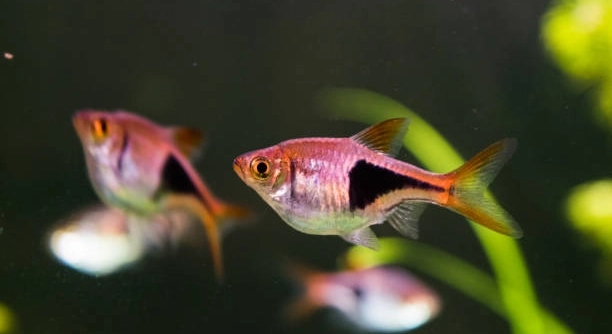
Why Rasbora Might Drift Near the Glass

Rasboras are small, peaceful fish often kept in home aquariums. Many owners notice these fish swimming close to the glass, sometimes seeming restless or curious. Understanding why this behavior happens can help create a better environment for them. Rasboras may drift near the glass due to reflections, seeking food, or environmental stressors such as water … Read more

Can Rasbora Get Jealous of Tankmates?

Many aquarium owners enjoy keeping Rasboras because of their peaceful nature and bright colors. These small fish often live with other species, sharing space in community tanks. Observing how they interact with tankmates can be quite interesting. Rasboras do not experience jealousy in the way humans understand it. Their behavior is driven mostly by instinct, … Read more

7 Reasons Your Rasbora Is Hiding More Often

Have you ever noticed your rasbora spending more time hiding instead of swimming freely around the tank? This change can sometimes feel sudden and leave you wondering what might be going on in their small, shimmering world. Rasboras often hide more due to stress, illness, or environmental changes in their tank. Poor water quality, aggressive … Read more

Why Rasbora Might Avoid a Tank Mate

Rasboras are small, peaceful fish that many enjoy keeping in home aquariums. They usually thrive in groups and calm environments. Sometimes, though, they may act differently around other tank mates, which can affect their behavior and well-being. Rasboras might avoid certain tank mates due to stress caused by aggression, territorial behavior, or incompatible water conditions. … Read more

7 Seasonal Behaviors Rasbora May Show

Have you ever noticed your rasbora acting a little different as the seasons change? You’re not alone in observing these subtle shifts. Seasonal changes can influence your fish in ways that might surprise you. Rasboras often display seasonal behaviors such as increased schooling, reduced activity, color changes, altered feeding patterns, and breeding displays. These changes … Read more

7 Ways to Boost Rasbora Exploration

Rasboras are small, colorful fish that many aquarium enthusiasts enjoy observing. Their active and social nature makes them a popular choice for home tanks. Learning how to encourage their natural exploration can enhance the enjoyment of keeping these fish. Boosting rasbora exploration involves creating an environment that mimics their natural habitat, providing plenty of hiding … Read more

How Rasbora React to New Backgrounds

Many aquarium owners enjoy creating beautiful tanks that highlight their fish. Rasboras are popular for their peaceful nature and bright colors. Understanding how they react to new backgrounds helps improve their comfort and well-being. Rasboras typically show cautious behavior when introduced to new backgrounds. They may hide or swim slowly at first but gradually adapt … Read more

Why Rasbora Might Hover Near the Filter

Rasboras are small, peaceful fish often kept in home aquariums. They usually swim in groups and explore their surroundings. Sometimes, you might notice them hovering near the filter area instead of swimming around the tank freely. Rasboras hover near the filter because it provides a steady flow of oxygenated water and a sense of security. … Read more

7 Patterns That Mean Rasbora Are Exploring

Rasboras are small, active fish often seen in home aquariums. They are curious by nature and tend to explore their surroundings regularly. Observing their movements can reveal much about their behavior and environment. Rasboras show exploration through distinct swimming patterns, including darting, circling, and inspecting new objects. These patterns indicate their natural curiosity and help … Read more