
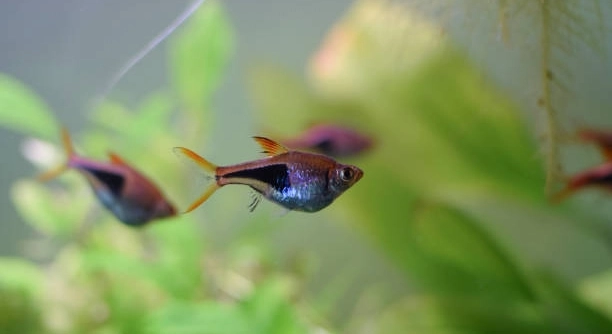
Rasboras are small freshwater fish often found in home aquariums. They are known for their lively behavior and beautiful colors. Many people keep them for their peaceful nature and easy care.
Rasboras communicate mainly through body movements and subtle changes in color. They use these signals to show emotions, establish social hierarchy, and respond to threats or mates. This non-verbal communication is essential for their interaction and survival.
Learning about how rasboras share information helps us better understand their behavior and care needs. These insights improve our connection with these charming fish.
Visual Signals and Body Language
Rasboras rely heavily on visual cues to communicate with each other. They change their body posture, fin movements, and swimming patterns to express different feelings. For example, when feeling threatened, a rasbora may flare its fins or swim quickly away. During courtship, males often show brighter colors and swim in specific ways to attract females. These fish also use their body angle and positioning within the group to establish social order. Subtle changes in color, especially along their sides or fins, can indicate stress or excitement. Watching these small movements can give clues about their mood and intentions. This kind of communication helps keep the group cohesive and safe. It also helps prevent fights by signaling intentions before any physical contact. Observing rasboras closely reveals a delicate balance of signals that maintain harmony within their community.
Body language is the main way rasboras share information silently.
Understanding these signals helps in creating a peaceful environment where rasboras thrive and feel secure.
Sound and Chemical Communication
Although not as obvious as their visual cues, rasboras also use sound and chemical signals to communicate. They can produce subtle noises by rubbing parts of their bodies or moving quickly through water, but these sounds are usually too faint for humans to hear. Chemical signals, released into the water, carry information about stress or reproductive status. When a fish is injured or scared, it releases chemicals that warn others nearby. This form of communication is crucial in their natural habitat, helping them avoid danger even when they cannot see it directly. Chemical cues also play a role during breeding, helping fish find suitable mates. While these signals are less visible, they add another layer of complexity to rasbora interactions. Paying attention to water conditions and group behavior can reveal when chemical communication is at play, improving care in captivity.
Group Behavior and Social Interaction
Rasboras often swim in schools, which helps them stay safe and communicate better. Their movements in groups are coordinated through subtle signals.
Schooling behavior reduces stress by providing a sense of security. When one fish detects danger, the entire group reacts quickly. This fast, collective response relies on tiny changes in speed or direction. Rasboras also use group size to establish social structure. Larger groups allow for clearer communication and reduce aggression between individuals. Being part of a school helps each fish share information about food sources and potential threats more efficiently.
Social interaction among rasboras involves constant observation of others. They watch for changes in movement or appearance, which helps maintain group harmony. If a fish feels isolated or aggressive, it may be a sign that communication has broken down, indicating a need for environmental adjustment.
Environmental Impact on Communication
Water clarity and lighting affect how well rasboras communicate visually. Clear water and proper lighting make signals easier to see.
Poor water quality can stress rasboras, making communication less effective. Murky water reduces visibility, which may cause confusion and increase aggression. Dim lighting can hide color changes and body movements, key elements of their interaction. On the other hand, too much bright light may cause stress or force fish to hide. Proper aquarium setup includes balancing light and maintaining clean water to support natural communication. This balance helps rasboras express themselves clearly and live comfortably.
Environmental factors influence chemical signaling as well. Water flow and filtration can disperse or dilute chemical cues, affecting how well rasboras detect danger or mating readiness. Maintaining stable, suitable conditions supports all forms of their communication, promoting healthier social dynamics.
Stress Signals in Rasboras
Rasboras show stress through changes in behavior and appearance. They may become less active or hide more often when stressed.
Color fading or darkening is another common stress signal. These signs help indicate when their environment or social situation needs adjustment.
How Rasboras Use Color Changes
Color changes in rasboras serve as important communication signals. Brightening colors often indicate readiness to mate or show dominance. Duller colors can mean fear, illness, or submission. These shifts allow rasboras to communicate their emotional and physical state without words. Observing these subtle changes can provide valuable insights into their wellbeing.
Importance of Observation
Careful watching helps understand rasbora communication better. It allows quick response to their needs and moods.
FAQ
How do rasboras show aggression?
Rasboras usually avoid direct fights, but they show aggression through fin flaring, chasing, and sudden darting movements. When a fish feels threatened or tries to establish dominance, these behaviors become more frequent. Aggressive displays help keep social order without causing harm. If aggression lasts too long, it may signal overcrowding or stress.
Can rasboras communicate through sound?
While rasboras can produce faint sounds by rubbing parts of their bodies or moving quickly, these noises are mostly too quiet for humans to hear. Sound plays a minor role compared to visual and chemical signals but may help in close interactions, especially in dense groups.
Do rasboras change color to communicate?
Yes, color changes are a key communication tool. Bright, vivid colors often signal excitement, readiness to mate, or dominance. Conversely, dull or faded colors usually mean stress, illness, or submission. Monitoring color changes helps understand their emotional state.
How do environmental factors affect rasbora communication?
Water clarity, lighting, and quality greatly influence how well rasboras can see and respond to signals. Clear water and balanced lighting help fish display colors and body movements. Poor water quality or strong currents can interfere with chemical signals, making communication harder and causing stress.
Why do rasboras swim in schools?
Swimming in groups provides safety and improves communication. It helps them detect predators quickly and reduces stress by creating a sense of security. Coordinated group movements are based on subtle signals exchanged between individuals.
What does it mean when a rasbora hides a lot?
Frequent hiding usually indicates stress or illness. It can also mean the fish feels threatened by other tank mates or uncomfortable with the environment. Adjusting tank conditions or group size can help reduce hiding behavior.
How can I tell if my rasbora is stressed?
Signs of stress include color fading, reduced activity, hiding, and erratic swimming. Stress may result from poor water conditions, overcrowding, or incompatible tank mates. Regular observation and proper tank maintenance are essential to prevent stress.
Do rasboras use chemical signals to communicate?
Yes, they release chemicals in the water to warn others of danger or to signal readiness to breed. These chemical cues are often invisible but vital for their survival, especially when visual contact is limited.
Can rasboras recognize each other?
Rasboras can distinguish between familiar and unfamiliar individuals using a combination of visual cues and chemical signals. This recognition helps maintain social bonds and reduces conflicts within the group.
What should I do if rasboras show signs of aggression?
If aggression appears, check the tank for overcrowding or poor water conditions. Increasing hiding spots or rearranging decorations can reduce stress. Sometimes separating aggressive individuals temporarily helps restore peace in the group.
Final Thoughts
Rasboras are small fish that communicate in many interesting ways. They mainly use body movements and color changes to send messages to each other. Watching how they move their fins or change color helps us understand how they feel and interact. These visual signals are very important for their social life. When they swim together in groups, they use subtle cues to keep peace and avoid fights. This group behavior helps them feel safe and connected.
Besides visual signals, rasboras also use chemical signals to share information. These chemicals travel through the water and warn others about danger or attract mates. Although we cannot see or hear these signals easily, they are important for rasboras to survive in their natural homes. The environment, such as water clarity and lighting, can affect how well they communicate. Keeping the tank clean and well-lit helps them express themselves clearly. Good water conditions also reduce stress, making their communication stronger and more natural.
Understanding how rasboras communicate improves how we care for them. By noticing their body language, color changes, and behavior, we can tell when something is wrong or when they are comfortable. This knowledge helps create a better living space where they feel safe and happy. Paying close attention to these small fish lets us build a stronger connection with them. Taking care of their communication needs leads to healthier and more peaceful aquariums.

Hello,
If you enjoy the content that we create, please consider saying a "Thank You!" by leaving a tip.
Every little bit helps us continue crafting quality advice that supports the health, happiness, and well-being of pets around the world, for pets of all shapes, sizes, and species.
We really appreciate the kindness and support that you show us!