
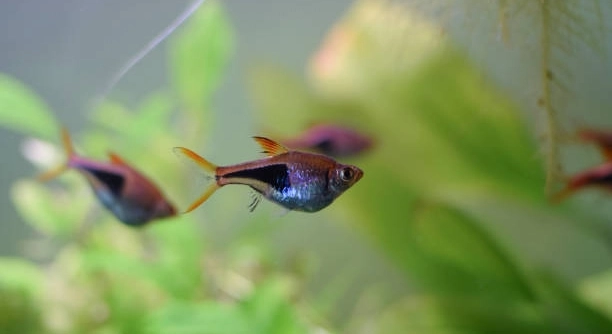
Many aquarium owners enjoy keeping Rasboras because of their peaceful nature and bright colors. These small fish often live with other species, sharing space in community tanks. Observing how they interact with tankmates can be quite interesting.
Rasboras do not experience jealousy in the way humans understand it. Their behavior is driven mostly by instinct, territory, and social hierarchy rather than emotions like jealousy. They may show signs of stress or competition, but this is different from human jealousy.
Learning about Rasbora behavior helps improve tank harmony and care. Knowing what influences their interactions will support a healthier environment for all your fish.
Understanding Rasbora Behavior in Community Tanks
Rasboras are naturally social fish that prefer to live in groups. They often swim together in small schools, which helps them feel safe and secure. When kept in a community tank, Rasboras generally get along well with other peaceful species. However, like many fish, they can show signs of stress if space is limited or if tankmates are too aggressive. Territorial behavior may occur, especially around feeding times or hiding spots. This is not jealousy but a way to protect resources and reduce competition. Rasboras rely on visual cues and movement to communicate. If they feel threatened, they may dart away or hide, signaling discomfort. Providing plenty of plants, hiding places, and adequate swimming space helps minimize stress. It also encourages natural behaviors and a calmer tank environment, allowing Rasboras to thrive alongside their tankmates.
Rasboras’ interactions are more about survival instincts than emotional responses. They respond to threats and competition, not feelings like jealousy.
Observing Rasboras closely can reveal subtle signs of stress or dominance. This helps in adjusting tank conditions to improve peace. Factors such as tank size, water quality, and compatible species play important roles. By paying attention to these details, you can create a balanced habitat where Rasboras and other fish coexist comfortably. Monitoring their behavior regularly ensures any problems are noticed early and addressed before they escalate. This makes maintaining a healthy tank easier and more enjoyable. Knowing how Rasboras naturally behave encourages patience and better care strategies.
How Tankmates Influence Rasbora Behavior
Rasboras are sensitive to the behavior of other fish around them. Aggressive or overly active tankmates can cause stress, making Rasboras more skittish. Peaceful companions help Rasboras feel secure and reduce signs of tension.
Choosing compatible species is important. Fish that share similar swimming levels and temperaments usually coexist well with Rasboras. Avoiding large, aggressive, or territorial fish reduces conflicts. Keeping Rasboras in groups of at least six also supports their natural schooling instincts. This group behavior can lessen stress caused by tankmates and promote healthier interactions.
When Rasboras are housed with calm, non-threatening fish, they show more natural and relaxed behaviors. In contrast, frequent chasing or competition for food can lead to hiding and reduced activity. Adjusting tankmate selection and tank setup can significantly improve Rasbora well-being. Proper care includes observing how all fish interact and making changes to support harmony. This approach helps maintain a peaceful aquarium where Rasboras and their companions thrive together.
Signs of Stress in Rasboras
Rasboras often show stress through changes in behavior or appearance. These signs include hiding more often, losing color, or swimming erratically. Stress can affect their health and overall lifespan.
When Rasboras feel stressed, they may isolate themselves from the group or avoid usual swimming areas. They might stop eating or act restless. Stress often results from poor water quality, overcrowding, or aggressive tankmates. Recognizing these signs early is important to prevent serious health problems. Regular tank maintenance and careful observation help catch issues before they worsen. Stress reduction supports a longer, healthier life for Rasboras and improves tank harmony.
Creating a calm environment with stable water conditions and peaceful companions reduces stress. Adding plenty of plants and hiding spots also helps Rasboras feel secure. Keeping consistent feeding times and avoiding sudden changes maintain their comfort. These steps contribute to happier fish and a more balanced aquarium.
Creating a Peaceful Aquarium Environment
Tank setup plays a key role in keeping Rasboras comfortable. A well-planted tank with open swimming space meets their natural needs. Plants offer hiding places that reduce stress and provide security. Proper lighting and water temperature also affect their mood and health.
Regular water testing and cleaning prevent harmful buildup of toxins. Consistent water parameters are essential for Rasbora well-being. Overcrowding should be avoided to minimize competition and aggression. Choosing peaceful tankmates that share similar environmental preferences supports harmony. When tankmates respect each other’s space, Rasboras can behave naturally without fear or stress. Adjusting the environment based on fish behavior encourages long-term success and a healthy community tank.
Can Rasboras Develop Attachments?
Rasboras do not form emotional attachments like mammals do. Their interactions are mostly based on safety in numbers and social hierarchy within their group.
They recognize familiar tankmates but react primarily to behavior and environmental cues rather than forming bonds or feelings.
Impact of Tank Size on Rasbora Behavior
Tank size directly influences Rasbora behavior and well-being. Smaller tanks can cause stress due to limited space and increased competition for resources. A larger tank provides enough room for swimming, hiding, and establishing territories. This reduces aggressive behavior and helps maintain social balance. Proper tank size also improves water quality stability, which positively affects fish health. When Rasboras have sufficient space, they show natural schooling behavior and appear less stressed. Choosing an appropriately sized aquarium is essential for their comfort and overall happiness.
Feeding and Rasbora Social Dynamics
Feeding time can increase competition among Rasboras and tankmates, sometimes causing brief bursts of aggressive behavior.
Can Rasboras Really Get Jealous of Tankmates?
Rasboras do not experience jealousy like humans. Their reactions to tankmates are driven by survival instincts such as protecting territory or competing for food. What might seem like jealousy is usually stress or competition, not emotional envy. They respond to environmental changes and social hierarchy rather than feelings.
How Can I Tell If My Rasboras Are Stressed?
Signs of stress include hiding more than usual, loss of color, erratic swimming, and loss of appetite. Stress often results from poor water conditions, overcrowding, or aggressive tankmates. Observing these behaviors early helps prevent illness and promotes a healthier tank environment.
What Tankmates Are Best for Rasboras?
Peaceful fish with similar size and temperament are best. Avoid large or aggressive species that could bully or outcompete Rasboras. Suitable tankmates include small tetras, danios, and Corydoras catfish. Keeping Rasboras in groups of six or more also helps them feel secure.
How Important Is Tank Size for Rasbora Behavior?
Tank size greatly affects Rasbora comfort and behavior. A larger tank reduces stress by providing ample swimming space and hiding spots. Smaller tanks can increase aggression and competition. At least 20 gallons is recommended for a small school to maintain balance and water quality.
Can Feeding Cause Conflict Among Rasboras?
Yes, feeding can trigger competition for food. Rasboras may chase or nip tankmates briefly during feeding times. Using multiple feeding spots and feeding small amounts helps reduce this behavior. Maintaining a regular feeding schedule also lowers stress and aggression.
Do Rasboras Prefer to Be Kept in Groups?
Rasboras are schooling fish that thrive in groups of six or more. Being in a group makes them feel safe and reduces stress. Alone or in very small numbers, they may become shy, stressed, or display unusual behavior.
What Environmental Factors Help Rasboras Stay Calm?
Stable water temperature, clean water, good filtration, and plenty of plants help Rasboras feel secure. Plants provide hiding places that reduce stress. Avoid sudden changes in lighting or water parameters to maintain their comfort.
Can Aggressive Tankmates Affect Rasbora Health?
Yes, aggressive fish can stress Rasboras, causing hiding, loss of appetite, or illness. Choosing peaceful tankmates and providing enough space helps prevent stress-related health problems. If aggression persists, separating fish or rearranging the tank may be necessary.
How Often Should I Monitor Rasbora Behavior?
Regular observation is important. Checking daily for changes in swimming patterns, appetite, or social behavior helps catch issues early. Early detection of stress or illness allows timely action to improve tank conditions and fish health.
Are There Specific Signs That Indicate Social Problems in a Rasbora Tank?
Signs include constant chasing, excessive hiding, faded colors, and refusal to eat. These can indicate stress from tankmates or environment. Addressing tank size, water quality, or tankmate compatibility can resolve social conflicts and improve wellbeing.
When caring for Rasboras in a community tank, it is important to understand their behavior comes from instincts, not emotions like jealousy. These fish focus on survival needs such as finding food, avoiding danger, and maintaining social order within their group. What may seem like jealousy is usually a natural reaction to competition or stress. By recognizing this, you can better respond to their needs and create a peaceful tank environment. Knowing that Rasboras rely on clear space, hiding spots, and calm tankmates will help you provide the best care for them.
Maintaining stable water conditions and a suitable tank size is essential for Rasbora well-being. A larger tank gives them enough room to swim freely and reduces tension among fish. Plants and decorations offer safe spaces where they can rest and feel secure. Rasboras do best when kept in groups of six or more, as this supports their natural schooling behavior and lowers stress. Choosing peaceful tankmates that share similar habits will further encourage harmony. When their environment is well-maintained, Rasboras are less likely to show signs of distress or unusual behavior.
Finally, observing your Rasboras regularly helps you understand their behavior and health. Changes in swimming patterns, appetite, or color can indicate stress or illness. Early attention to these signs allows you to make necessary adjustments, such as improving water quality, rearranging tank decorations, or reassessing tankmate choices. Creating a balanced and calm aquarium benefits all fish and makes caring for Rasboras more rewarding. Taking these simple steps ensures your Rasboras live comfortably and thrive in their shared space.

Hello,
If you enjoy the content that we create, please consider saying a "Thank You!" by leaving a tip.
Every little bit helps us continue crafting quality advice that supports the health, happiness, and well-being of pets around the world, for pets of all shapes, sizes, and species.
We really appreciate the kindness and support that you show us!