
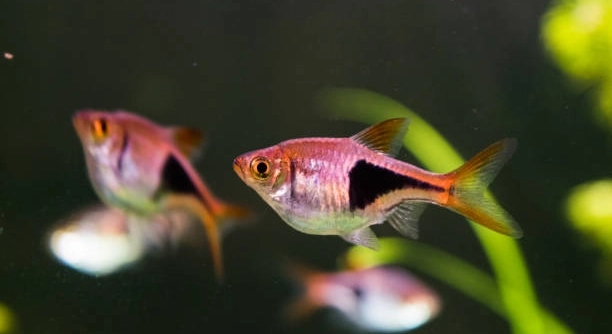
Rasboras are small, peaceful fish often kept in home aquariums. Many owners notice these fish swimming close to the glass, sometimes seeming restless or curious. Understanding why this behavior happens can help create a better environment for them.
Rasboras may drift near the glass due to reflections, seeking food, or environmental stressors such as water quality and tank setup. These factors influence their behavior, causing them to interact with the glass more frequently than other areas of the tank.
Learning about these causes will help you improve your tank conditions and support your rasbora’s well-being in a thoughtful way.
Common Reasons Rasboras Drift Near the Glass
One common reason rasboras swim close to the glass is the reflection they see. Fish may mistake their own reflection for other fish, which can either attract or stress them. This behavior often occurs in tanks with strong lighting or clean glass surfaces that create clear reflections. Another factor is feeding time. Rasboras tend to gather near the glass when they expect food, especially if they have learned to associate human presence with feeding. Lastly, the tank’s environment plays a big role. If the water quality is poor, or if there isn’t enough space or hiding spots, rasboras might behave anxiously and stay near the glass. Ensuring proper tank maintenance and adding plants or decorations can reduce this behavior. Monitoring these conditions helps keep your fish calm and comfortable.
Reflections and feeding routines are the most noticeable triggers for this behavior.
Understanding these simple causes makes it easier to manage your tank and help your rasboras feel more at ease.
How Tank Setup Affects Rasbora Behavior
Tank setup impacts how your rasboras act near the glass.
The size of the tank, water quality, and decorations all influence their comfort level. A cramped tank can cause stress, making fish swim oddly or stick close to the glass. Clean, well-filtered water is essential, as poor conditions can lead to discomfort and unusual behavior. Additionally, providing plants and hiding spots gives rasboras a sense of security. When they feel safe, they are less likely to stay near the glass out of anxiety or confusion. Lighting should also be balanced—too bright can cause reflections and stress, too dim can reduce their activity. Taking time to arrange a natural, spacious tank helps rasboras show normal behavior and enjoy their environment more.
Proper tank setup not only improves your fish’s health but also encourages natural, relaxed movement. It’s important to regularly check water parameters like pH, ammonia, and nitrite levels. A stable environment reduces stress and prevents unwanted habits like glass drifting. Plants such as Java fern or floating species add cover and make the tank feel less exposed. Decorations that break up open spaces help reduce reflections, which can confuse fish. Ensuring a gentle water flow and consistent temperature also contributes to their comfort. Each small adjustment supports the well-being of your rasboras and helps them thrive in captivity. By creating a balanced habitat, you reduce their need to seek out the glass as a reaction to their surroundings. This leads to happier fish and a more peaceful aquarium overall.
Stress and Health Issues
Stress can cause rasboras to swim near the glass more often. Sudden changes in water temperature or quality may trigger this. Overcrowding and aggressive tank mates also increase stress levels, affecting behavior.
When rasboras are stressed, they may appear restless or try to escape by staying close to the glass. Stress weakens their immune system, making them vulnerable to diseases. Watch for signs like faded colors, clamped fins, or unusual swimming patterns. Regular water tests and stable conditions help reduce stress. Providing enough space and peaceful tank mates creates a calm environment. If stress is left unchecked, it can lead to health problems and shorten the fish’s lifespan. Taking steps early can make a big difference in their overall well-being.
Treating stress involves improving water conditions, avoiding sudden changes, and maintaining a clean tank. Using stress-reducing additives or plants may also help your rasboras feel more secure.
Interaction With Owners
Rasboras often swim near the glass when owners approach. This behavior usually shows curiosity or anticipation of feeding.
Over time, rasboras can recognize their owners and learn feeding routines. They swim close to the glass expecting food or attention. This interaction is a sign of comfort and recognition, not just random movement. It can also be a way for the fish to explore their environment more actively. Responding gently by feeding or observing quietly encourages positive interaction. However, tapping on the glass or sudden movements can startle them and cause stress. Consistent, calm behavior around the tank builds trust and reduces anxiety. This connection makes aquarium keeping more enjoyable and rewarding.
Reflection and Lighting Effects
Strong lighting can create clear reflections on the glass, attracting rasboras. They may swim near the glass trying to interact with their own reflection.
Reflections sometimes confuse the fish, making them believe there are other fish nearby. Adjusting light intensity or adding plants can help reduce these reflections.
Feeding Habits
Rasboras often associate people approaching the tank with feeding time. This makes them gather near the glass in anticipation of food.
Overfeeding or inconsistent feeding schedules can cause restless behavior near the glass. Maintaining a regular feeding routine helps keep them calm and satisfied.
Tank Maintenance Importance
Regular cleaning and water changes are essential. Poor water quality stresses rasboras and can increase glass-drifting behavior.
Keeping the tank clean and stable improves fish health and reduces unwanted behaviors.
Final Thoughts on Behavior
Rasboras’ glass drifting is influenced by many small factors that can be managed with care and attention.
FAQ
Why do rasboras swim near the glass all the time?
Rasboras may swim near the glass because of reflections, expecting food, or feeling stressed. Reflections can confuse them, making them think other fish are nearby. When they see a person approach, they often gather near the glass anticipating feeding. Stress from poor water quality, overcrowding, or lack of hiding spots can also cause this behavior. Monitoring tank conditions and providing a comfortable environment usually reduces this.
Is it harmful if my rasboras stay close to the glass?
Staying near the glass is not harmful by itself, but it can be a sign of stress or discomfort. If they do this often, check the water quality, tank size, and other fish in the tank. Addressing these factors helps prevent potential health problems linked to stress.
How can I reduce reflections that attract my rasboras?
Reducing strong lighting and placing plants or decorations near the glass can help. Using a background on the outside of the tank or adjusting the room’s lighting can also minimize reflections. These changes make the environment less confusing for the fish.
Can feeding habits cause glass drifting behavior?
Yes. Rasboras learn to expect food when someone approaches the tank, so they swim near the glass at those times. Overfeeding or irregular feeding times can make them restless. Keeping a consistent feeding schedule helps calm them and reduces glass-focused behavior.
What tank size is best to prevent this behavior?
A tank that is at least 10 gallons for a small group of rasboras is ideal. More space reduces stress and gives them enough room to swim freely. Overcrowded tanks often cause fish to behave nervously, including staying near the glass.
Does tank decoration affect this behavior?
Yes, decorations like plants and hiding spots help rasboras feel safe. When they have secure places to rest, they are less likely to linger near the glass out of anxiety or confusion. A natural-looking tank with varied structure encourages more natural behavior.
How often should I clean the tank to keep my rasboras healthy?
Perform partial water changes of 20-30% weekly or biweekly, depending on tank size and stocking levels. Regular cleaning prevents buildup of harmful substances that stress fish. A clean tank helps keep rasboras comfortable and less prone to unusual behaviors.
Can tank mates cause my rasboras to act this way?
Yes, aggressive or overly active tank mates can stress rasboras, causing them to stay near the glass to avoid conflict. Choosing peaceful species compatible with rasboras helps reduce this stress and promotes natural movement throughout the tank.
What signs of illness should I watch for if my rasboras are near the glass often?
Look for faded colors, clamped fins, slow movement, or loss of appetite. These can indicate illness or stress. If these signs appear alongside glass drifting, it’s important to test water quality and consider consulting a vet or fish expert.
Is tapping the glass harmful to rasboras?
Yes, tapping can frighten them and increase stress levels. Stress can weaken their immune system and lead to health problems. It’s better to avoid tapping and use calm movements around the tank to keep them comfortable.
Will adding plants help reduce glass drifting?
Adding live or artificial plants creates hiding spots and reduces open space reflections. This gives rasboras more security and can reduce their tendency to stay near the glass. Plants also improve water quality, supporting overall fish health.
How does water temperature affect rasbora behavior?
Sudden changes or temperatures outside the ideal range (72-78°F) can stress rasboras. Stress may cause more frequent glass swimming or erratic movements. Keeping water temperature stable and within the right range helps maintain calm behavior.
Can supplements help reduce stress in rasboras?
Some aquarium additives are designed to reduce stress by improving water conditions or adding natural calming agents. These can be helpful in stressful situations but should not replace good tank maintenance and proper care routines.
How long does it take for rasboras to get used to a new tank?
It usually takes a few days to a couple of weeks for rasboras to adjust. During this time, they might swim near the glass more often as they explore and react to new surroundings. Providing stable conditions helps speed up their comfort level.
Are there specific rasbora species more prone to this behavior?
While most rasboras may show this behavior, some species like the Harlequin Rasbora are more active and curious, making them more likely to swim near the glass. Understanding your specific species’ habits can help tailor tank conditions better.
What role does water flow play in their swimming patterns?
Strong or irregular water flow can stress rasboras, causing them to seek calmer areas near the glass. Gentle, consistent water movement is best. It mimics natural conditions and allows fish to swim comfortably throughout the tank.
Rasboras swimming near the glass is a behavior that many aquarium owners notice. It can happen for several reasons, such as reflections, feeding habits, or stress caused by their environment. Understanding these reasons helps you provide better care for your fish. Sometimes, they are simply curious or expect food when they see someone approach the tank. Other times, this behavior signals that the tank conditions need improvement. Paying attention to water quality, tank size, and tank mates plays a big role in helping your rasboras feel comfortable and safe.
Creating a healthy environment for your rasboras reduces the chances they will stay near the glass out of stress or confusion. Regular tank maintenance, such as cleaning and water changes, keeps their habitat clean and stable. Including plants and decorations gives them places to hide and explore, making them feel secure. It is important to keep the water temperature stable and avoid sudden changes that might upset them. Also, controlling lighting to avoid strong reflections on the glass will prevent confusion. These small adjustments make a big difference in your fish’s behavior and health.
Ultimately, observing your rasboras closely will give you clues about their needs. When they stay near the glass, it is a signal to check their environment and care routine. Making changes like adjusting lighting, improving water quality, and offering hiding spots will help them swim more naturally throughout the tank. Remember that each tank is unique, and your fish may react differently depending on their specific situation. With patience and attention, you can create a peaceful, happy home for your rasboras where they feel safe and comfortable.

Hello,
If you enjoy the content that we create, please consider saying a "Thank You!" by leaving a tip.
Every little bit helps us continue crafting quality advice that supports the health, happiness, and well-being of pets around the world, for pets of all shapes, sizes, and species.
We really appreciate the kindness and support that you show us!