
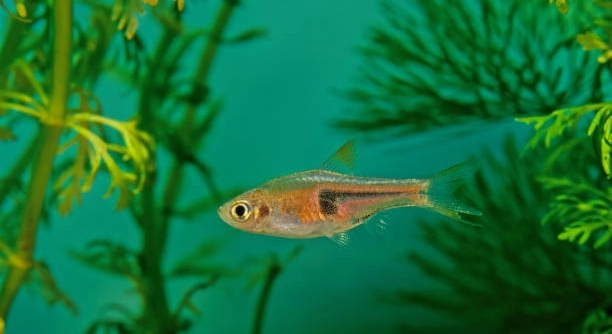
Rasboras are small, peaceful fish that many enjoy keeping in home aquariums. They usually thrive in groups and calm environments. Sometimes, though, they may act differently around other tank mates, which can affect their behavior and well-being.
Rasboras might avoid certain tank mates due to stress caused by aggression, territorial behavior, or incompatible water conditions. These factors can lead to discomfort, hiding, or reduced activity, impacting the fish’s health and social interactions within the aquarium.
Understanding why rasboras steer clear of some companions helps create a better tank environment. This knowledge supports healthier, more balanced aquatic communities for both the fish and their caretakers.
Stress and Aggression in the Tank
When rasboras share a tank with aggressive or overly active fish, they often become stressed. These small fish prefer calm environments where they can swim freely without fear. If tank mates chase or nip at them, rasboras may hide for long periods or stay near the bottom. Stress weakens their immune system, making them more prone to disease. Even if the aggressive fish are not directly harming them, constant disturbance can affect rasboras’ natural behavior. They might eat less or stop schooling, which is unusual for their species. Proper tank selection and arrangement can help reduce stress. Providing hiding spots with plants or decorations gives rasboras a place to feel safe. This improves their comfort and encourages normal behavior. A peaceful environment is essential for maintaining healthy rasboras in a community tank.
Stress can cause rasboras to avoid interacting with other fish, impacting their well-being.
Creating a peaceful setup requires attention to tank mates and environment. Choosing compatible species and avoiding overly territorial fish allows rasboras to thrive. Regular observation helps identify signs of stress early, such as hiding or loss of color. Adjustments to tank size, décor, and stocking density can also improve conditions. A calm, stable environment supports healthy social behavior and longer lifespans for rasboras.
Water Conditions and Compatibility
Rasboras need specific water conditions to stay healthy and active. Temperature, pH level, and water hardness play a big role in their comfort. If these factors differ greatly from those preferred by tank mates, rasboras may avoid interaction or certain areas of the tank. Sudden changes or poor water quality can stress them, causing them to hide. Stable, clean water supports their natural swimming and schooling behavior. Compatibility with other species includes matching water needs as well as temperament. Researching each species’ requirements before adding them helps prevent problems. Ensuring consistent water parameters creates a balanced tank where rasboras feel secure and are less likely to avoid others. This attention to detail is key for a thriving community aquarium.
Tank Size and Space
A cramped tank can cause rasboras to avoid other fish. They need enough room to swim and school comfortably.
When space is limited, rasboras feel stressed and may hide more often. Crowded tanks increase competition for food and territory, making smaller fish like rasboras retreat. Overcrowding also lowers water quality faster, which impacts their health. Giving them enough room means they can maintain their natural behavior and avoid conflict. A tank size of at least 20 gallons is recommended for a small group, with plenty of open swimming space.
Proper tank size helps rasboras stay active and social. Providing enough room for each species reduces stress and supports a peaceful community environment. Without enough space, rasboras may become withdrawn, affecting their overall well-being and lifespan.
Schooling and Social Needs
Rasboras are schooling fish that rely on the presence of their own kind for comfort and security. They feel safer and more confident when in groups of at least six or more. Without a proper school, they become shy and may avoid other tank mates. This natural behavior is key to their happiness and health.
Incompatible tank mates or a lack of sufficient schooling companions can cause rasboras to isolate themselves. Observing their social interactions helps in understanding if the group size or species mix needs adjustment. Ensuring proper schooling conditions improves their activity and reduces stress-related hiding behavior.
Tank Decorations and Hiding Spots
Rasboras appreciate tanks with plenty of plants and decorations. These provide places to hide and feel safe, which reduces stress.
Without enough cover, rasboras may become anxious and avoid active tank mates. Hiding spots help balance the tank’s social dynamics by giving them refuge when needed.
Feeding Competition
If tank mates are aggressive eaters, rasboras might avoid mealtime or lose access to food. This can cause stress and poor health.
Ensuring food is spread evenly and feeding smaller portions multiple times a day helps rasboras get enough nutrition. Watching feeding habits is important for their well-being.
Light Sensitivity
Rasboras prefer moderate lighting. Too bright or too harsh light can make them uncomfortable and hide more.
Adjusting light intensity to suit rasboras and tank mates encourages natural behavior and activity.
Why do rasboras hide from other fish?
Rasboras often hide when they feel threatened or stressed by tank mates. This behavior is a natural response to avoid aggression or bullying. If other fish are too large, fast, or aggressive, rasboras may retreat to plants or decorations. Stress from poor water quality or sudden changes can also cause them to hide. Providing a peaceful environment with compatible fish and plenty of hiding places helps reduce this behavior. When rasboras feel safe, they are more active and social.
Can rasboras live with aggressive fish?
Rasboras generally do not do well with aggressive fish. Aggressive tank mates can chase or nip at them, causing constant stress. This can lead to illness or death if the situation is not fixed. It is best to keep rasboras with calm, peaceful species. If aggression occurs, rearranging the tank or separating the fish can help. Choosing tank mates that have similar temperament and size ensures a harmonious community.
How many rasboras should I keep together?
A minimum group of six rasboras is recommended. They are schooling fish and feel more secure in groups. Smaller groups may cause stress or loneliness, leading to hiding or poor health. Larger groups allow natural schooling behavior, which promotes activity and reduces fear. Keeping at least six creates a balanced social structure and improves their overall well-being.
What water conditions do rasboras need?
Rasboras thrive in water with a temperature of 72 to 78°F (22 to 26°C). They prefer slightly acidic to neutral pH, around 6.0 to 7.0. Soft to moderately hard water is ideal. Stable water conditions with regular maintenance are essential. Sudden changes in temperature or pH can stress rasboras and affect their behavior. Testing water regularly and performing consistent water changes keeps them healthy.
Why do rasboras avoid feeding time?
Rasboras may avoid feeding if tank mates are too aggressive or competitive during meals. If larger or faster fish eat all the food, rasboras might not get enough nutrition. This causes stress and weakness over time. Feeding small amounts multiple times a day and spreading food around the tank helps. Using feeding rings or targeted feeding methods ensures rasboras have access to food without competition.
Can tank size affect rasbora behavior?
Yes, tank size greatly impacts rasbora behavior. Small or overcrowded tanks cause stress and limit swimming space. Rasboras need enough room to school and explore. A minimum 20-gallon tank is recommended for a small group. More space reduces aggression and competition. It also helps maintain better water quality. Proper tank size supports natural behavior and keeps rasboras healthy and active.
Do rasboras need plants in their tank?
Plants are important for rasboras as they provide hiding spots and reduce stress. Live or artificial plants help mimic their natural habitat. They also improve water quality by absorbing toxins and providing oxygen. Without sufficient cover, rasboras may feel exposed and hide more. Adding dense planting encourages natural swimming and social behavior, making the tank more comfortable for them.
How can I tell if rasboras are stressed?
Signs of stress in rasboras include hiding frequently, loss of color, reduced appetite, and lethargy. They may stop schooling or swimming actively. Stress can also cause unusual behaviors like gasping at the surface or rubbing against objects. Early detection allows for quick adjustments in tank conditions or social setup. Reducing stress improves their immune system and overall health.
Is lighting important for rasbora health?
Yes, lighting affects rasbora comfort. Bright or harsh lighting can cause them to hide more often. Moderate, diffused light is best. Lighting should mimic natural daylight cycles to support their normal activity. Too little light may reduce plant growth and disrupt their environment. Adjusting the light to suit the needs of both fish and plants creates a balanced tank where rasboras thrive.
What should I do if my rasboras avoid tank mates?
First, check for signs of aggression or stress in the tank. Make sure water conditions are stable and appropriate for all species. Increase hiding places and plants to give rasboras refuge. Evaluate the tank size and reduce overcrowding if needed. Consider adjusting the group size of rasboras or switching incompatible species. Regular observation and small changes can greatly improve their comfort and social behavior.
Rasboras are peaceful fish that need a calm and comfortable environment to thrive. They often avoid certain tank mates when they feel stressed or unsafe. Factors like aggressive fish, poor water conditions, limited space, and lack of hiding spots can cause rasboras to hide or stay away from others. Understanding these reasons helps in creating a tank that supports their natural behavior. When rasboras feel secure, they are more active, healthy, and social, making the aquarium more enjoyable to watch.
Choosing the right tank mates is important to keep rasboras happy. They do best with other peaceful fish that have similar water and space needs. Overcrowding or mixing them with aggressive species can cause stress, which affects their health and behavior. It is also essential to provide plenty of plants and decorations, giving rasboras places to hide when they need a break from the tank’s activity. Maintaining good water quality and stable conditions supports their well-being and reduces the chance of illness.
By paying attention to these factors, it becomes easier to keep rasboras comfortable in a community tank. Small changes like increasing tank size, adjusting lighting, or feeding carefully can make a big difference. Watching their behavior regularly allows quick responses to any problems. Rasboras show their best colors and natural schooling behavior when they feel safe and relaxed. Creating this kind of environment ensures a longer, healthier life for them and a more peaceful aquarium for everyone.

Hello,
If you enjoy the content that we create, please consider saying a "Thank You!" by leaving a tip.
Every little bit helps us continue crafting quality advice that supports the health, happiness, and well-being of pets around the world, for pets of all shapes, sizes, and species.
We really appreciate the kindness and support that you show us!