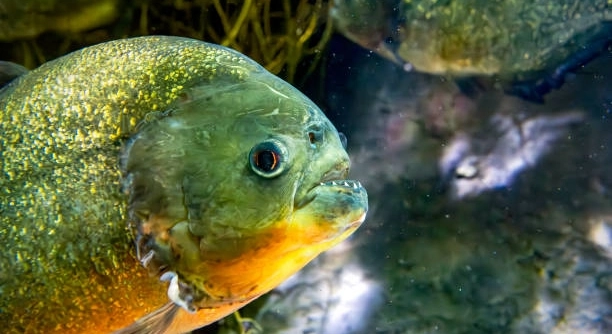
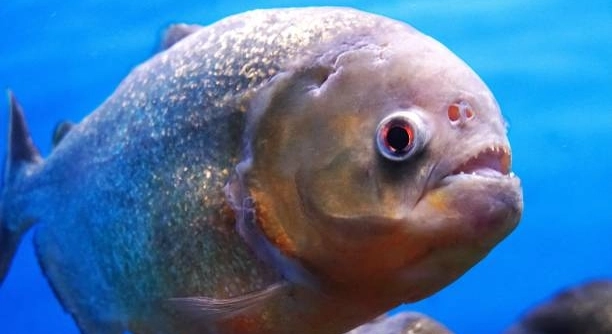
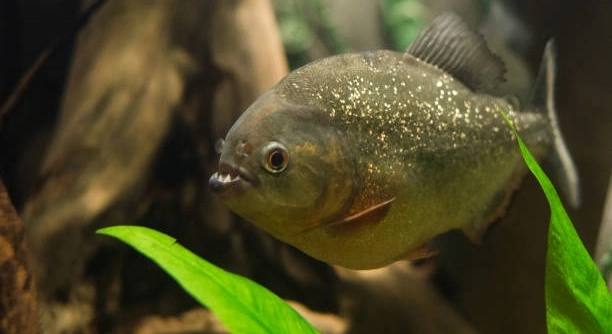
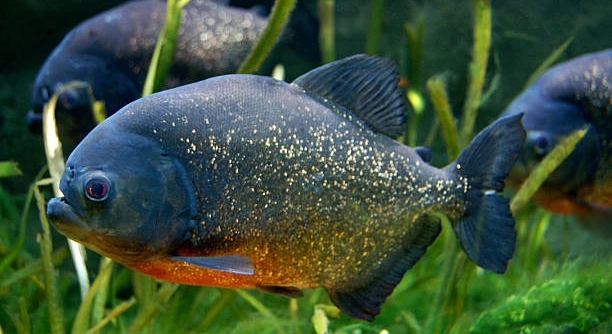
7 Differences Between Nervous and Confident Piranhas
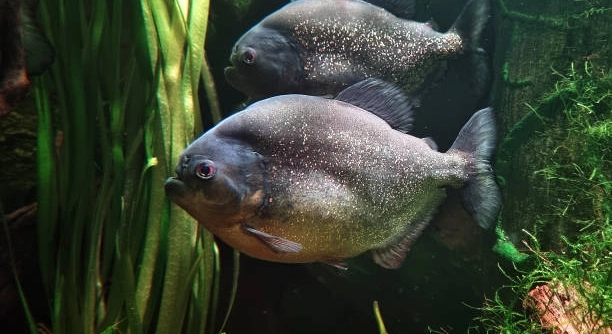
Nervous and confident piranhas show very different behaviors and reactions in their environment. These differences can affect how they interact with each other and with other creatures around them. Understanding these traits helps in recognizing their nature more clearly. Nervous piranhas often display cautious, erratic movements and stay close to shelter, while confident piranhas exhibit … Read more
7 Piranha Reactions to Sudden Light Changes

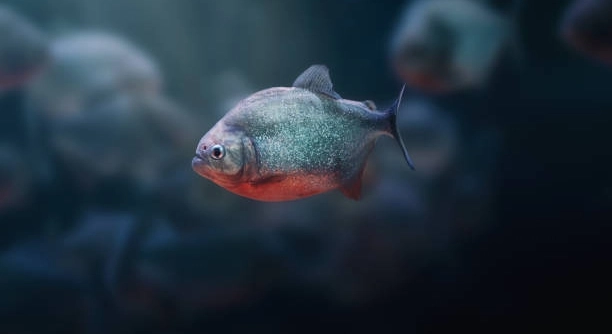
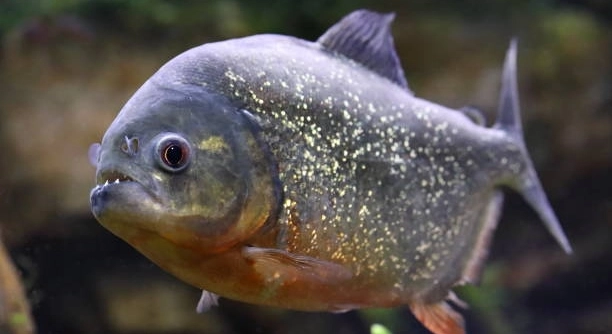
Piranhas are known for their sharp teeth and quick reactions. Sudden changes in light can trigger noticeable behaviors in these fish. Understanding how they respond helps in caring for them properly and keeping their environment stable. Piranhas react to sudden light changes with a variety of behaviors such as darting away, freezing, aggressive posturing, or … Read more

7 Moments That Prove Piranhas Are Strategic

Have you ever found piranhas fascinating but didn’t realize just how strategic they can be in their behavior and attacks? Piranhas are more than just aggressive feeders—they exhibit calculated group behaviors, coordinated movement, and environmental awareness. These fish use timing, teamwork, and adaptive strategies to survive and hunt efficiently, revealing surprising intelligence beneath their fierce … Read more

Can Piranhas Be Tamed? (What Long-Term Owners Say)

Piranhas have a fierce reputation, often seen as aggressive predators in the wild. Many people find themselves intrigued by the idea of keeping them as pets despite their intimidating nature. Their sharp teeth and quick movements create a sense of caution around them. Long-term piranha owners report that while these fish can show some recognition … Read more

7 Adjustments to Make When Your Piranha Stops Swimming

Your piranha stopped swimming, leaving you concerned about its health and environment. These fish rely on movement for oxygen and wellbeing, so changes in their behavior can signal issues in their tank or care. When a piranha stops swimming, it often indicates poor water quality, illness, stress, or inadequate tank conditions. Addressing these factors promptly … Read more

7 Things New Piranhas Need on Day One

New piranhas require careful attention on their first day to ensure a smooth transition into their new environment. Proper setup and supplies can greatly affect their health and behavior in the critical initial period. This article outlines essential needs to address immediately. New piranhas need clean, well-conditioned water, stable temperature, appropriate tank size, hiding spots, … Read more

7 Piranha Motions That Indicate Territory Marking

Piranhas are known for their sharp teeth and strong presence in freshwater habitats. These fish use specific movements to communicate with each other, especially when defending their space. Understanding these motions can reveal important details about their behavior. Piranha territory marking involves distinct motions such as fin spreading, rapid darting, jaw snapping, and body posturing. … Read more

7 Feeding Errors That Lead to Tank Mess

Feeding your aquarium fish seems simple, but small mistakes can quickly lead to a messy tank. Many hobbyists unintentionally create problems that affect water quality and fish health. Recognizing common feeding errors is key to maintaining a clean environment. Seven feeding mistakes commonly cause tank messes: overfeeding, improper food types, inconsistent feeding schedules, poor food … Read more

7 Common Items Piranhas Mistake for Food

Piranhas have a reputation for being fierce and fast eaters. They often bite into objects that resemble food, which can cause confusion for their owners. Understanding what items they mistake for food helps prevent accidents and keeps them safe. Piranhas commonly confuse shiny, small, or moving objects with food due to their hunting instincts. Items … Read more

7 Tricks to Reduce Tank Disputes

Tank disputes can cause stress for both fish and owners. Aggressive behavior disrupts harmony in aquariums and can lead to injuries or even death among fish. Managing these conflicts is essential for a peaceful tank environment. Effective strategies to reduce tank disputes involve selecting compatible species, maintaining adequate space, providing hiding spots, and controlling feeding … Read more