
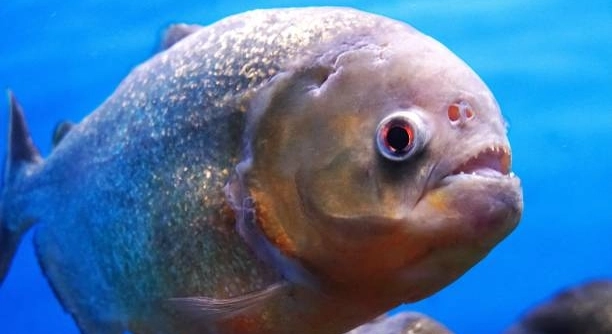
Your piranha stopped swimming, leaving you concerned about its health and environment. These fish rely on movement for oxygen and wellbeing, so changes in their behavior can signal issues in their tank or care.
When a piranha stops swimming, it often indicates poor water quality, illness, stress, or inadequate tank conditions. Addressing these factors promptly by adjusting water parameters, improving diet, and ensuring proper tank setup is essential for the fish’s recovery and survival.
Understanding these key adjustments will help you create a better environment and bring your piranha back to active swimming and good health.
Checking Water Quality and Temperature
Maintaining good water quality is essential when your piranha stops swimming. Poor water conditions can quickly cause stress and illness. Test the tank water for ammonia, nitrites, nitrates, and pH levels using a reliable kit. Ammonia and nitrites should be at zero, and nitrates kept below 20 ppm. Also, check the temperature. Piranhas thrive in water between 74°F and 82°F. Sudden changes or incorrect temperature can shock them. Regular partial water changes help maintain stable conditions. Avoid overcrowding the tank, as it increases waste and lowers oxygen levels. If water tests reveal issues, address them immediately by adjusting filters or performing water changes. Keeping the environment stable will support your piranha’s health and encourage it to swim again.
Water quality and temperature directly affect your piranha’s ability to stay active and healthy.
Keeping the tank clean and stable is the foundation for your fish’s recovery. Regular checks and adjustments prevent many common problems that cause inactivity.
Identifying Signs of Illness
A piranha that stops swimming might be showing signs of illness. Watch for symptoms like lethargy, clamped fins, loss of appetite, or unusual spots on its body. Parasites, bacterial infections, and fungal growth are common issues. Promptly isolating the fish can prevent spreading disease to others. Infections often require treatment with specific medications or antibiotics, depending on the diagnosis. Consulting a vet or an experienced aquarist can help identify the problem accurately. Proper medication and maintaining good water conditions will improve recovery chances. Pay close attention to behavior changes, as they are often the first sign that something is wrong. Early intervention can make a big difference in outcomes. Monitoring regularly will help you catch problems before they worsen.
Improving Tank Aeration and Circulation
Adequate aeration is vital for your piranha’s health. Poor oxygen levels can cause it to stop swimming.
Using an air pump or upgrading your filter can increase oxygen circulation in the tank. Proper water movement helps distribute oxygen evenly, reducing stagnant areas. Avoid strong currents that may stress the fish. Positioning air stones or powerheads strategically improves water flow without overwhelming your piranha.
If you notice bubbles or surface agitation is minimal, it may be time to clean or replace equipment. Regularly check that aeration devices work well, especially after maintenance. Good circulation supports your piranha’s breathing and encourages natural swimming activity, improving overall tank conditions.
Adjusting Diet and Feeding Habits
A poor diet can lead to health issues that affect your piranha’s activity. Feeding high-quality, varied food supports energy and immune function.
Offer fresh or frozen fish, shrimp, and occasional vegetables to provide balanced nutrition. Avoid overfeeding, which can pollute the water and harm your fish. Feed smaller amounts once or twice daily and remove uneaten food quickly. Proper nutrition strengthens your piranha’s resistance to illness and promotes regular movement.
Observe your piranha’s appetite closely; a lack of interest in food often signals stress or sickness. Adjusting feeding habits and food quality plays a key role in restoring activity and vitality. Consistent, appropriate feeding improves health over time and keeps your fish more active.
Reducing Stress Factors
Stress can cause a piranha to stop swimming or hide excessively.
Limit sudden noises, bright lights, and tank vibrations. These can startle or unsettle your fish. Providing hiding spots with plants or decorations creates a safe environment.
Checking Tank Size and Population
Overcrowding leads to competition, stress, and poor water quality. Each piranha needs enough space to swim freely.
A tank of at least 75 gallons is recommended for one adult piranha, with additional space for each extra fish. Reducing tank population or upgrading to a larger tank can improve your fish’s behavior and health significantly.
Monitoring Water Changes
Regular water changes remove toxins and keep the tank clean.
Change 20-30% of the water weekly to maintain a healthy environment and support your piranha’s recovery.
FAQ
Why has my piranha stopped swimming suddenly?
A sudden stop in swimming can be due to poor water quality, illness, stress, or changes in tank conditions. Checking water parameters and observing for signs of disease will help determine the cause. Immediate action is needed to prevent worsening health.
How can I improve water quality for my piranha?
Test ammonia, nitrite, nitrate, and pH regularly. Perform partial water changes of 20-30% weekly to remove waste. Use a good filtration system and avoid overfeeding, which increases toxins. Keep tank size appropriate for the number of fish.
What are common signs of illness in piranhas?
Look for lethargy, loss of appetite, clamped fins, spots, or unusual swimming patterns. These signs suggest infections or parasites that require treatment. Quarantining sick fish helps control spread.
Can temperature changes cause my piranha to stop swimming?
Yes, sudden or extreme temperature shifts can shock your piranha, causing inactivity. Maintain water between 74°F and 82°F and avoid placing the tank near drafts or heat sources. Use a reliable heater and thermometer.
Is tank overcrowding harmful to piranhas?
Overcrowding increases stress, reduces oxygen, and worsens water quality. Each adult piranha should have at least 75 gallons. Reducing fish numbers or upgrading the tank supports healthier, more active fish.
How important is aeration in the tank?
Good aeration ensures oxygen reaches all parts of the tank, vital for your piranha’s breathing. Use air pumps, air stones, or filters that create water movement without strong currents to keep oxygen levels high.
What diet is best for a piranha’s health?
Feed a balanced diet with fresh or frozen fish, shrimp, and occasional vegetables. Avoid overfeeding and remove leftovers promptly to prevent water pollution. Proper nutrition boosts immune health and activity.
What should I do if my piranha stops eating?
Loss of appetite often indicates stress or illness. Check water quality, temperature, and tank conditions first. If problems persist, isolate the fish and consult a vet for possible treatment options.
Can stress from tank environment cause swimming issues?
Yes, stress from bright lights, noise, or lack of hiding places can cause inactivity. Adding plants or decorations offers shelter, while keeping the environment calm reduces stress.
How often should I clean the tank?
Regular weekly water changes are key. Avoid over-cleaning, which can disturb beneficial bacteria. Clean filters and remove uneaten food to maintain water quality without stressing fish.
Are medications safe for treating sick piranhas?
Medications can be effective but should be used carefully according to instructions. Overuse or wrong treatments may harm fish or beneficial bacteria. When in doubt, seek advice from an aquatic vet or experienced aquarist.
How long does it take for a piranha to recover and start swimming again?
Recovery time varies depending on the cause and treatment. Improvement may be seen within days if conditions are corrected quickly, but serious illness can take weeks. Consistent care is essential for a full recovery.
What is the best way to introduce a new piranha to my tank?
Quarantine new fish for at least two weeks to monitor for illness. Gradually acclimate them to the tank’s temperature and water chemistry before full introduction. This prevents disease spread and reduces stress.
Can poor water circulation cause my piranha to stop swimming?
Yes, stagnant water limits oxygen and causes discomfort. Proper circulation distributes oxygen and nutrients evenly, encouraging natural swimming behavior. Check filters and aeration devices regularly.
Is it normal for piranhas to rest at the bottom sometimes?
Occasional resting is normal, but prolonged inactivity or refusal to swim may indicate health or environment issues. Monitor behavior closely to detect problems early.
This FAQ covers the most common concerns when a piranha stops swimming. Following these guidelines will help maintain a healthy and active fish.
Final Thoughts
Keeping a piranha healthy and active requires close attention to its environment and care routine. When a piranha stops swimming, it often signals an underlying problem that needs addressing. Whether it is poor water quality, stress, illness, or tank conditions, identifying and fixing the issue early can prevent serious health consequences. Regular testing of water parameters and maintaining proper tank conditions are key steps to ensure your fish’s well-being.
Feeding your piranha the right diet and avoiding overfeeding plays a significant role in its overall health. Providing balanced nutrition with fresh or frozen foods supports energy levels and strengthens the immune system. Equally important is creating a calm, stable environment with good aeration, adequate space, and places to hide. Stress reduction helps the fish feel secure and promotes normal behavior, including regular swimming.
Patience is essential when caring for a piranha showing signs of trouble. Recovery may take time, especially if illness is involved. Consistent care, monitoring, and adjustments to the tank setup will improve your piranha’s chances of returning to its active self. Staying informed about proper care and observing your fish regularly can make a big difference in preventing problems before they start.

Hello,
If you enjoy the content that we create, please consider saying a "Thank You!" by leaving a tip.
Every little bit helps us continue crafting quality advice that supports the health, happiness, and well-being of pets around the world, for pets of all shapes, sizes, and species.
We really appreciate the kindness and support that you show us!