
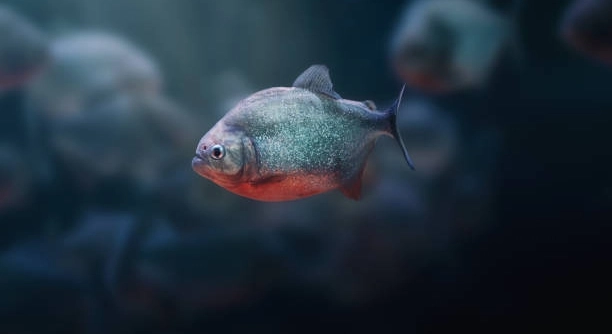
Piranhas are known for their sharp teeth and quick reactions. Sudden changes in light can trigger noticeable behaviors in these fish. Understanding how they respond helps in caring for them properly and keeping their environment stable.
Piranhas react to sudden light changes with a variety of behaviors such as darting away, freezing, aggressive posturing, or increased activity. These reactions are instinctive responses to perceived threats or environmental shifts.
Knowing these reactions can improve how you manage their tank conditions and ensure a healthier, less stressful habitat for your piranhas.
Sudden Startle Response
When piranhas experience a sudden change in light, their most common reaction is the startle response. This means they quickly dart away or swim erratically to escape what they perceive as danger. The abrupt shift in brightness can mimic the shadow or movement of a predator, triggering this instinctive behavior. In aquariums, rapid lighting changes caused by turning lights on or off or passing shadows can cause this reaction. It’s important to avoid startling them frequently, as this can increase their stress levels over time. Stress in fish can lead to weakened immune systems and reduced lifespan. Providing a stable lighting environment with gradual changes helps keep piranhas calm and comfortable. Dimmer switches or timers on tank lights can reduce the chance of sudden light shifts, allowing the fish to adjust naturally. Observing these behaviors can help owners recognize when their fish feel threatened or stressed.
Piranhas are sensitive to quick changes in their environment. Consistent lighting reduces their startle reactions and promotes better well-being.
Gradual lighting adjustments are key to maintaining a peaceful tank environment. This reduces unnecessary stress and supports natural behavior in piranhas.
Aggressive Display and Territory Defense
Piranhas often react to sudden light changes by showing aggressive behavior, such as flaring fins, opening their mouths wide, or charging at tank mates. These displays are territorial warnings meant to establish dominance or protect their space. In the wild, sudden light shifts could signal a potential threat or an intruder, prompting this defensive behavior. In captivity, repeated light changes might cause frequent aggressive episodes, which can lead to injury or constant tension among fish. Managing light intensity and avoiding harsh flickering can help minimize these displays. Providing plenty of hiding spots and space also lowers territorial aggression. If aggression persists, it may indicate that the fish are stressed or overcrowded. Observing tank conditions and adjusting accordingly can prevent unnecessary conflict and improve the social balance within the group.
Aggression from light changes is a natural defense mechanism in piranhas. Reducing sudden light shifts helps keep tank peace.
Limiting aggressive displays through stable lighting and proper tank setup ensures your piranhas stay healthier and less stressed.
Increased Swimming Activity
Sudden light changes can cause piranhas to swim more actively than usual. This burst of energy is part of their natural response to unexpected environmental shifts.
The quick movement helps piranhas assess their surroundings and prepare for potential threats. In an aquarium setting, this increased activity might look like rapid circling or darting across the tank. While occasional bursts are normal, frequent sudden light changes can cause ongoing agitation, leading to wasted energy and stress. Over time, this can affect their overall health and appetite. It’s best to keep light transitions smooth and avoid sudden bright flashes or shadows near the tank.
Providing a calm and consistent environment helps reduce these sudden bursts. When piranhas feel safe, their swimming patterns become more relaxed and natural, which supports their well-being and longevity.
Freezing or Hiding Behavior
Piranhas often respond to abrupt light changes by freezing in place or seeking shelter. This behavior is a defense tactic to avoid detection by predators or threats.
When the light shifts suddenly, the fish may stop all movement and remain still to avoid attracting attention. Alternatively, they might quickly hide behind plants, rocks, or decorations. In captivity, this hiding behavior can indicate discomfort or stress caused by the lighting environment. Too many sudden light changes can make them feel unsafe, causing prolonged periods of hiding that reduce feeding and social interaction. Ensuring a stable, predictable lighting schedule and offering ample hiding spots helps piranhas feel secure and lowers stress. This balance is important for their mental and physical health, promoting a peaceful tank atmosphere.
Stress-Induced Color Changes
Piranhas can change color slightly when stressed by sudden light changes. This shift usually makes their colors appear duller or darker.
Color changes signal discomfort and stress. Prolonged exposure to abrupt light variations may weaken their immune system, making them vulnerable to illness.
Group Flocking Behavior
Sudden light changes often cause piranhas to group closely together. This protective behavior helps them feel safer as they react to perceived threats.
In tanks, this tight schooling reduces exposure and increases their sense of security. Frequent light shifts can cause constant flocking, which may affect their natural movement and social balance.
Reduced Feeding Response
When light changes suddenly, piranhas may eat less or stop feeding temporarily. Stress from these changes lowers their appetite and interest in food.
Keeping light conditions stable encourages regular feeding habits and helps maintain their overall health and growth.
How do sudden light changes affect piranha behavior?
Sudden light changes can trigger a range of behaviors in piranhas, such as startle responses, increased swimming activity, aggression, or freezing. These reactions happen because piranhas interpret rapid light shifts as potential threats. In nature, sudden changes in light might mean a predator is near, so they react quickly to protect themselves. In captivity, this means frequent or harsh lighting changes can cause stress and disrupt their normal behavior patterns, making it harder for them to thrive.
Why do piranhas sometimes hide when lights change quickly?
Hiding is a natural defense mechanism for piranhas. When the light changes suddenly, they might feel vulnerable and choose to freeze or retreat to a safe spot. This helps them avoid attention from predators or perceived threats. In an aquarium, repeated sudden light shifts can cause piranhas to hide more often, which could reduce their activity, feeding, and interaction with other fish. Providing plenty of hiding places and using gradual lighting changes can help minimize this behavior.
Can sudden light changes cause stress in piranhas?
Yes, frequent or extreme light changes can stress piranhas. Stress lowers their immune system, making them more prone to disease. It also affects their behavior, causing erratic swimming, aggression, or loss of appetite. Keeping the lighting consistent and avoiding abrupt light on/off cycles reduces stress. Using timers or dimmers can help create a stable environment that supports their health.
Is it normal for piranhas to show aggression when lights change?
Aggression triggered by light changes is common. Piranhas are territorial, and sudden brightness can signal danger or intrusion, prompting them to flare fins, charge, or bite tank mates. This is a defensive reaction to protect their space. Reducing sudden light shifts and providing enough space and hiding spots can lessen these aggressive displays, improving tank harmony.
How can I reduce negative reactions to light changes in my piranha tank?
Gradual lighting transitions are key. Use timers to simulate natural sunrise and sunset, avoiding sudden on/off switches. Installing dimmers helps adjust light intensity slowly. Arrange plants and decorations to create shaded areas where fish can retreat. Avoid frequent disturbances near the tank that cause sudden shadows or flashes. Monitoring fish behavior and adjusting light accordingly keeps piranhas calm and healthy.
Do piranhas stop eating because of light changes?
Yes, sudden or frequent light changes can reduce feeding behavior. Stress from unexpected lighting makes piranhas less interested in food or causes them to hide during feeding times. Maintaining stable lighting and feeding at consistent times supports better appetite and growth. If piranhas regularly refuse food, checking lighting conditions is a good place to start.
What signs indicate my piranhas are stressed by lighting?
Signs include darting or freezing suddenly, hiding more often, showing aggression, duller colors, and reduced feeding. Prolonged stress might lead to slower movement and health decline. Watching for these behaviors can help identify lighting issues early. Making adjustments to light intensity and timing often improves their condition quickly.
Are all piranhas equally sensitive to light changes?
Sensitivity can vary depending on species, age, and individual temperament. Younger or smaller piranhas might be more reactive, while some species tolerate light shifts better. However, all piranhas benefit from stable and gradual lighting to reduce stress and promote natural behavior.
Can tank placement affect how piranhas respond to light?
Yes, placing a tank near windows or busy areas can expose fish to sudden light changes from sunlight or shadows. This can cause frequent startle responses. Choosing a location with controlled, indirect lighting helps create a calm environment. Using curtains or blinds to block direct sunlight also reduces sudden light changes.
Is it necessary to mimic natural light cycles for piranhas?
Mimicking natural light cycles with gradual transitions supports piranhas’ biological rhythms and reduces stress. Timers that slowly increase and decrease light intensity throughout the day create a stable environment similar to their natural habitat. This encourages normal feeding, resting, and social behaviors, improving their overall health.
Sudden light changes can have a strong effect on piranhas. These fish react quickly to shifts in their environment, which often means they show behaviors like darting away, freezing, or becoming more aggressive. This is a natural response that helps them protect themselves from threats in the wild. In an aquarium, these reactions can happen when lights turn on or off quickly or when shadows suddenly appear in the tank. While occasional changes are normal, too many sudden shifts can cause stress. Stress is not good for piranhas because it can affect their health and behavior over time. Understanding how piranhas respond to light helps in creating a better, more stable environment for them.
To reduce the negative effects of sudden light changes, it is important to create a calm and consistent lighting setup. Using timers or dimmers to gradually adjust the light helps the fish get used to changes without feeling startled. This keeps them from reacting too much or becoming aggressive. Providing places where piranhas can hide also helps them feel safe when they do get stressed. When the fish feel secure, they swim more naturally, eat better, and interact peacefully with each other. Making small adjustments to the lighting and tank layout can make a big difference in how comfortable piranhas are in their home.
Overall, paying attention to light conditions in a piranha tank is an important part of good care. Stable lighting supports their natural behavior and helps prevent problems caused by stress. While piranhas are strong and quick fish, they still need a safe environment to thrive. By reducing sudden light changes, providing hiding spots, and watching their reactions, it is possible to create a healthy and peaceful tank. This helps piranhas live longer and be less anxious. Taking care of these details shows respect for the fish and improves the experience of keeping them as pets.

Hello,
If you enjoy the content that we create, please consider saying a "Thank You!" by leaving a tip.
Every little bit helps us continue crafting quality advice that supports the health, happiness, and well-being of pets around the world, for pets of all shapes, sizes, and species.
We really appreciate the kindness and support that you show us!