
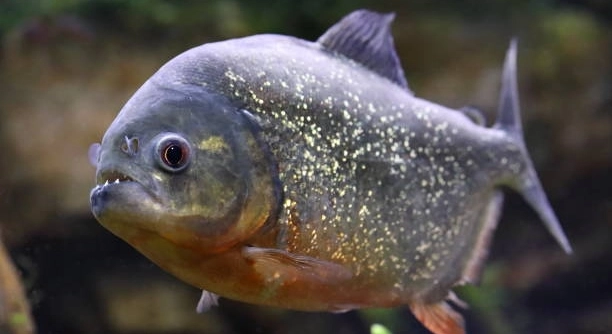
Have you ever found piranhas fascinating but didn’t realize just how strategic they can be in their behavior and attacks?
Piranhas are more than just aggressive feeders—they exhibit calculated group behaviors, coordinated movement, and environmental awareness. These fish use timing, teamwork, and adaptive strategies to survive and hunt efficiently, revealing surprising intelligence beneath their fierce reputation.
Each moment in this list shows how their behavior is far more thoughtful than it first appears.
When Piranhas Use Group Tactics to Corner Prey
Piranhas don’t just attack randomly—they plan as a group. When food is scarce, they circle around schools of fish, closing in from all sides. This method forces their target into a tight area where escape becomes almost impossible. The piranhas then strike quickly and all at once. Scientists have observed this type of strategic hunting during low-water seasons, when resources are limited and survival becomes more competitive. These group attacks show coordination and patience. Each piranha holds its position, waiting until the moment is right. This approach not only ensures a higher success rate, but also keeps individual fish safer from injury. Instead of competing, they cooperate for the best outcome. Watching this unfold highlights their awareness and timing. It’s not a wild frenzy—it’s a deliberate plan. This strategy has helped piranhas survive in changing river systems where adaptability is key.
Group tactics reduce effort and risk. More than anything, they show planning and communication.
It’s fascinating how a group of fish can synchronize so perfectly. Their movements are so well-timed that it almost seems rehearsed. Each piranha plays a part. This level of coordination is one reason why they’re still thriving in difficult habitats.
When Piranhas Wait and Watch Before Attacking
Piranhas don’t always act on impulse. In some environments, they pause and observe before striking. When unfamiliar objects or animals enter their area, they often swim around them without touching. They look for weakness or signs of stress. This isn’t mindless circling—it’s a kind of test. The group waits to see how the other animal reacts. If it seems injured or slow, that’s when they move in. If it’s healthy or defensive, they might keep their distance. This behavior has been seen in both wild rivers and controlled studies. It shows that piranhas can assess a situation and adjust. They aren’t just driven by hunger—they’re guided by safety and timing. This cautious approach lets them avoid danger while still staying alert to opportunity. When piranhas show restraint, it’s easy to see their instincts go beyond simple aggression. They understand when to act—and when it’s better not to.
When Piranhas Use Distraction to Split Prey
Piranhas sometimes use distraction to confuse prey. A few individuals might dart ahead to get attention while others sneak in from the sides. This move breaks the prey group apart, making it easier to target weaker ones.
This tactic has been observed in murky rivers where visibility is limited. A sudden splash or darting motion from a few piranhas grabs attention, while others come in silently from different angles. The prey gets startled, splits up, and the chances of a clean catch increase. This isn’t just chaos—it’s well-timed and rehearsed. Piranhas know that panic can make even fast swimmers vulnerable. By splitting their prey, they reduce the group’s defense and isolate targets. It’s quick, efficient, and shows a surprising level of teamwork. Even when the river is crowded and noisy, this strategy helps them cut through confusion and get results fast.
In distraction-based attacks, the fish don’t hesitate. Once the prey starts to scatter, the entire group shifts quickly. They move in with precision, often from behind or below. This behavior shows how well they understand both timing and direction. It’s not just random chaos—it’s calculated. They create just enough confusion to take control of the situation and focus on what’s easiest to catch. These moments prove they’re not just reacting—they’re thinking ahead.
When Piranhas Target Weakness in a School of Fish
Piranhas have a keen eye for weakness. In a fast-moving school of fish, they scan for signs of injury or slower motion. Once they spot it, the group shifts toward that target and ignores the rest.
This behavior is efficient and purposeful. Piranhas don’t waste energy chasing healthy, alert prey. Instead, they zero in on the slowest or most vulnerable. Scientists studying them in controlled environments found that even when presented with many options, piranhas consistently chose the target that showed hesitation or imbalance. This selectiveness helps them conserve energy and avoid unnecessary risks. It’s not just about what’s closest—it’s about what’s easiest and safest to catch. In wild settings, you can often see them passing up faster fish to go after one that drifts slightly behind. Their quick shifts in direction and movement make it clear that they’ve made a decision, not a guess. It’s smart, sharp behavior that gets results.
When Piranhas Take Advantage of Murky Water
Piranhas use low visibility to sneak up on prey. In murky water, their movements are harder to detect, making it easier to get close before attacking. They rely more on vibration and movement than sight in these conditions.
This gives them an edge. While other fish struggle to navigate or communicate, piranhas stay coordinated and focused. They move silently and strike with speed, often before the prey knows they’re there. Murky water works in their favor, not against them.
When Piranhas Use Sound to Signal the Group
Piranhas aren’t silent hunters. They make specific sounds—clicks and grunts—to communicate, especially when under stress or preparing to strike. Researchers have found that these sounds act like alerts, helping the group stay organized. When one piranha clicks, the others often respond by tightening their formation or shifting position. This coordination improves their hunting success. The sound signals may even help them avoid conflict within the group. Instead of bumping into each other or acting on impulse, they react to cues. This sound-based strategy keeps their efforts controlled and efficient, especially in fast-moving or tense situations. It shows they have more tools than just teeth.
When Piranhas Retreat to Regroup
Piranhas don’t always press forward. If an attack goes wrong or the prey resists too much, they pull back. This gives them a chance to regroup and try again with better timing.
What makes piranhas such effective hunters?
Piranhas are effective hunters because of their sharp teeth, quick reflexes, and strong jaws. They also use strategic group behaviors that allow them to coordinate attacks and corner prey. Their ability to sense movement and vibrations helps them detect nearby animals, even in murky water. This combination of physical traits and teamwork makes their hunting very efficient.
Are piranhas always aggressive?
No, piranhas are not always aggressive. They usually attack only when they feel threatened or are hungry. Many times, they swim calmly in schools without bothering other animals. Their aggressive reputation comes from moments of group hunting or self-defense. Outside of those moments, they tend to avoid unnecessary conflict.
How do piranhas communicate during a hunt?
Piranhas communicate through sounds like clicks and grunts, as well as body movements. These signals help them stay coordinated when attacking or avoiding danger. For example, clicking sounds can alert the group to focus or change direction. This sound-based communication is essential for maintaining group tactics.
Can piranhas really plan their attacks?
Yes, piranhas show evidence of planning. They use strategies like group circling, distraction, and targeting weaker prey, which require timing and coordination. These behaviors suggest they are capable of thinking ahead rather than acting purely on instinct.
Why do piranhas sometimes wait before attacking?
Piranhas wait before attacking to assess the situation and identify the best target. This pause allows them to avoid risks and focus on weaker or slower prey. Waiting helps them avoid wasting energy on unlikely catches and reduces chances of injury.
Do piranhas only attack in groups?
While piranhas often hunt in groups for better success, some species and individuals can attack alone. However, group hunting increases their chances by overwhelming prey and providing protection. Solo attacks tend to be less common and usually happen when food is scarce.
How do piranhas use murky water to their advantage?
Piranhas use murky water to sneak up on prey more easily. Low visibility hides their approach, allowing them to get closer before attacking. They rely more on sensing movement and vibrations than sight, giving them an edge when water is cloudy or dark.
What happens if a piranha attack fails?
If a piranha attack fails, the group usually retreats to regroup and try again later. This break helps them conserve energy and plan a better approach. They avoid chasing prey endlessly, showing they prefer calculated strikes over wasted effort.
Are piranhas dangerous to humans?
Piranhas are rarely dangerous to humans. Most attacks on people happen if the fish feel threatened or during dry seasons when food is scarce. In general, piranhas prefer smaller prey and avoid large animals. Taking precautions in their habitat reduces any risks.
How do piranhas choose which prey to target?
Piranhas choose prey based on vulnerability. They focus on injured, slow, or isolated animals rather than healthy ones. This selectiveness helps them catch food efficiently while minimizing risk. Their sharp eyesight and quick decisions allow them to spot these weaknesses easily.
Piranhas often get a reputation for being mindless, aggressive fish, but their behavior shows a lot more strategy and thought than many people realize. They use coordinated group tactics to hunt more effectively, relying on distraction, sound signals, and careful timing. These fish are able to adapt to different environments, such as murky water, by focusing on senses other than sight. Their ability to target weaker or slower prey helps them conserve energy and improve success rates. This shows that piranhas are not just acting on instinct but use planning and cooperation as part of their survival.
The moments when piranhas retreat to regroup or wait before attacking reveal another side of their behavior. They do not rush in blindly but rather assess situations and make decisions that improve their chances. This patience and flexibility highlight their adaptability in the wild. Although their attacks can look chaotic and violent, there is clear order behind their movements. They are smart in how they work as a group, making sure they don’t waste energy or take unnecessary risks. This careful balance between aggression and strategy is what helps piranhas thrive in tough environments.
Understanding piranhas beyond the common stereotypes helps us appreciate them as more complex creatures. They are not just dangerous animals but skilled hunters with effective methods. Their behaviors reflect a mix of instinct, learning, and teamwork. Recognizing these qualities gives a better view of how piranhas fit into their ecosystems. It also reminds us that animals often have surprising intelligence and survival skills that go beyond what we see on the surface. These strategic moments from piranhas offer insight into the careful and thoughtful ways nature works.

Hello,
If you enjoy the content that we create, please consider saying a "Thank You!" by leaving a tip.
Every little bit helps us continue crafting quality advice that supports the health, happiness, and well-being of pets around the world, for pets of all shapes, sizes, and species.
We really appreciate the kindness and support that you show us!