
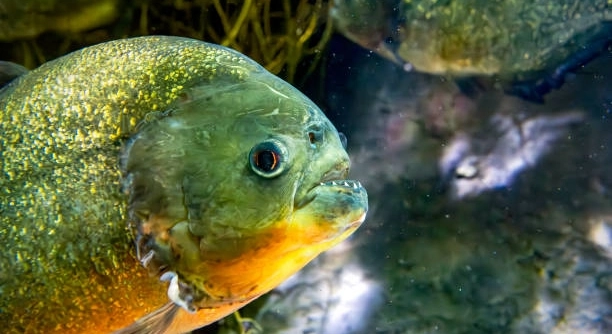
Piranhas have a fierce reputation, often seen as aggressive predators in the wild. Many people find themselves intrigued by the idea of keeping them as pets despite their intimidating nature. Their sharp teeth and quick movements create a sense of caution around them.
Long-term piranha owners report that while these fish can show some recognition of their caretakers, they remain largely wild and unpredictable. Taming piranhas in a traditional sense is limited by their natural instincts and territorial behaviors.
The experiences of seasoned owners offer valuable insights into managing these fish safely and understanding their behavior over time. This article explores those perspectives to provide a clearer picture.
Understanding Piranha Behavior
Piranhas are often misunderstood due to their aggressive reputation. In reality, their behavior is driven mostly by instinct and survival needs. They can be territorial and may show aggression toward other fish or unfamiliar movements around their tank. Long-term owners note that piranhas respond to feeding routines and sometimes recognize the person who feeds them. However, this recognition does not mean they are tame in the traditional sense. Piranhas do not form bonds like typical pets; their behavior remains cautious and defensive. Proper tank setup and regular maintenance are crucial for minimizing stress, which helps reduce aggressive displays. Many owners emphasize patience and respect for the fish’s nature rather than expecting domestication. Over time, owners adapt to their piranhas’ signals and learn how to interact safely. This understanding allows them to maintain a balanced environment that benefits both the fish and the caretaker.
Piranhas respond best to consistency in feeding and tank conditions, which helps them settle and reduce stress.
Owners advise focusing on observation and respect for piranha instincts rather than attempting to force taming. Recognizing the limits of their behavior leads to better care and safer interactions.
Care Tips from Long-Term Owners
Long-term piranha owners stress the importance of tank size and water quality. These fish need spacious tanks to swim freely and proper filtration to maintain clean water. Keeping water parameters stable reduces stress and aggressive tendencies.
Maintaining a diet that mimics natural feeding helps keep piranhas healthy. They thrive on a mix of fish, insects, and occasional plant matter, providing balanced nutrition. Overfeeding or inconsistent meals can cause health problems and increase aggression. Frequent water changes are essential to remove waste and toxins, preventing disease. Many owners use dim lighting to reduce stress, as piranhas prefer lower light levels. Introducing tank mates is generally discouraged since piranhas are territorial and may attack other fish. Observing their behavior closely helps identify any early signs of illness or stress. Experienced owners recommend avoiding sudden movements near the tank and using feeding tongs to reduce risk. This careful approach helps maintain a stable environment where piranhas can live for several years.
Interaction and Handling
Piranhas are not suitable for frequent handling. Their sharp teeth and unpredictable behavior make physical interaction risky. Most long-term owners avoid direct contact except during tank maintenance.
Handling piranhas requires caution and specialized tools like nets or containers. Sudden movements can provoke bites, even from fish that seem calm. Many owners recommend limiting interaction to feeding times to reduce stress. Over time, some fish may appear less reactive, but this does not guarantee safety. Understanding their limits is key to avoiding injury and maintaining a good relationship with the fish.
Owners often describe a cautious respect that develops between them and their piranhas. While these fish do not become pets in the traditional sense, they can exhibit signs of recognition. This creates a unique dynamic based on observation rather than physical interaction.
Signs of Comfort and Recognition
Piranhas may respond to familiar feeding routines by swimming closer or showing less aggressive postures. These behaviors indicate a level of comfort but not full domestication.
Owners note that piranhas learn to associate the caretaker’s presence with feeding, which can lead to anticipatory behavior such as following movements near the tank. However, this response is based on conditioning, not affection. Even so, it allows owners to predict feeding times and reduces sudden aggressive reactions. The fish remain alert and cautious, ready to defend their territory if threatened. Recognizing these subtle signals helps owners manage interactions more safely and effectively.
Challenges of Keeping Piranhas
Piranhas require specific care that can be demanding. Their aggressive nature and need for precise tank conditions make them unsuitable for beginners.
Owners often face challenges with feeding, tank maintenance, and managing aggression. These factors require commitment and experience to handle effectively.
Tank Setup Essentials
A large tank with strong filtration is necessary to support healthy piranhas. Clean, well-oxygenated water and stable temperature are critical for their wellbeing. Tank decorations should allow hiding spots to reduce stress. Proper setup minimizes aggressive behavior and promotes natural activity.
Feeding Practices
Feeding piranhas a varied diet supports their health. Fresh fish, insects, and occasional plant matter provide necessary nutrients. Avoid overfeeding to prevent water quality issues and aggression.
Summary of Owner Advice
Long-term owners recommend patience, careful observation, and respect for piranha behavior to manage these fish safely and successfully.
Can piranhas recognize their owners?
Piranhas do show signs of recognizing the person who regularly feeds them. They may swim toward the side of the tank when the owner approaches, especially around feeding time. This behavior is based on routine and conditioning rather than emotional bonding. Piranhas associate the caretaker’s presence with food, which makes them more attentive. However, this recognition does not mean they are tame or safe to handle.
Are piranhas aggressive toward humans?
Piranhas can bite if they feel threatened, but attacks on humans are rare and usually occur only if the fish are provoked or stressed. In a well-maintained aquarium, aggression is mostly directed at other fish, not people. Handling piranhas is not recommended because their sharp teeth can cause serious injuries. It is best to limit interaction to feeding and tank cleaning.
How big should a piranha tank be?
A tank for one or two piranhas should be at least 40 gallons. Larger tanks are needed if keeping multiple fish to reduce territorial aggression. Piranhas are active swimmers and need space to move freely. A spacious tank also helps maintain better water quality, which is critical for their health.
What water conditions do piranhas need?
Piranhas thrive in warm water with temperatures between 74°F and 82°F. The pH should stay between 6.5 and 7.5. Proper filtration and regular water changes are essential to keep ammonia and nitrate levels low. Clean water reduces stress and prevents disease.
Can piranhas live with other fish?
Most long-term owners advise against mixing piranhas with other species. Piranhas are territorial and may attack tank mates, especially smaller or slower fish. Keeping piranhas alone or in a group of their own kind is safer and less stressful for the fish.
What do piranhas eat in captivity?
Piranhas need a varied diet that mimics their natural feeding habits. They eat live or frozen fish, insects, and occasionally plant material. Feeding should be controlled to avoid overfeeding, which can cause water quality problems and increase aggression. Feeding 2-3 times a week is usually sufficient.
How long do piranhas live as pets?
With proper care, piranhas can live 10 to 15 years in captivity. Maintaining good water quality, a suitable diet, and a stress-free environment helps ensure longevity. Regular tank maintenance and careful observation of their behavior contribute to their health.
Are piranhas good pets for beginners?
Piranhas are not recommended for beginner fishkeepers. Their aggressive nature, specific care needs, and risk of injury require experience and commitment. New owners should research thoroughly and be prepared for regular maintenance and careful handling.
Do piranhas need special lighting?
Piranhas prefer dim lighting because bright light can stress them. Low or moderate lighting levels help replicate their natural environment and reduce aggressive behavior. Many owners use floating plants or subdued lights to create shaded areas.
Can piranhas be trained or tamed?
Piranhas cannot be tamed like traditional pets, but they can become accustomed to feeding routines and recognize their caretakers. Their behavior remains instinct-driven and unpredictable. Training is limited to conditioning them to associate certain signals with feeding.
What signs indicate a stressed piranha?
Signs of stress include erratic swimming, loss of appetite, hiding excessively, or visible injuries from fights. Poor water quality or overcrowding often causes stress. Owners should test water parameters regularly and adjust tank conditions as needed.
How often should a piranha’s tank be cleaned?
Regular cleaning is essential to maintain water quality. Partial water changes of about 25% every week or two help remove waste and toxins. Cleaning the substrate and filter should be done carefully to avoid disturbing beneficial bacteria. Proper maintenance reduces disease risk.
Is it safe to keep multiple piranhas together?
Keeping multiple piranhas is possible but requires a large tank and careful monitoring. They form loose social groups but can show aggression when space is limited. Owners must watch for signs of fighting and separate individuals if necessary to prevent injury.
Piranhas are fascinating fish that attract attention because of their reputation and unique behaviors. Long-term owners emphasize that these fish are not typical pets that can be handled or tamed like dogs or cats. Instead, piranhas require respect and understanding of their natural instincts. They can show signs of recognizing the person who cares for them, mainly through routine feeding habits. However, this recognition should not be mistaken for tameness or friendliness. Piranhas remain wild animals with sharp teeth and defensive behaviors, making careful handling and proper tank management essential for safety.
Taking care of piranhas involves providing a suitable environment that mimics their natural habitat. This includes a spacious tank with clean, well-oxygenated water at the right temperature and pH level. Long-term owners highlight the importance of maintaining good water quality through regular cleaning and filtration. Aggression between piranhas can be reduced by giving them enough space and hiding places. Their diet needs to be varied and controlled to support their health without causing water pollution or feeding disputes. Overall, keeping piranhas demands commitment, attention to detail, and patience to meet their specific needs.
For those interested in keeping piranhas, understanding their behavior and care requirements is critical. These fish are not ideal for beginners or those expecting affectionate pets. Long-term owners advise that success with piranhas comes from respecting their nature rather than trying to tame them. With the right setup, feeding schedule, and caution, piranhas can live healthy lives in captivity and provide a unique experience for responsible keepers. Careful observation and consistent maintenance create the best conditions for both the fish and their owners.

Hello,
If you enjoy the content that we create, please consider saying a "Thank You!" by leaving a tip.
Every little bit helps us continue crafting quality advice that supports the health, happiness, and well-being of pets around the world, for pets of all shapes, sizes, and species.
We really appreciate the kindness and support that you show us!