7 Piranha Swimming Patterns You Should Watch
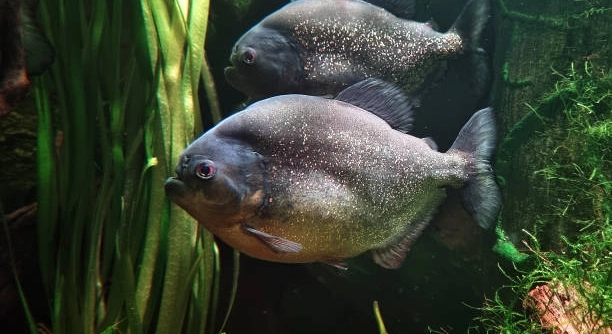
Have you ever found yourself watching piranhas and noticing they move in strange, organized patterns that seem more intentional than random? These movements can be fascinating to observe, especially in group settings or during feeding times. Piranhas exhibit seven key swimming patterns that reflect their social behavior, territorial instincts, and feeding strategies. These patterns include … Read more
7 Unpredictable Things Piranhas Might Attack

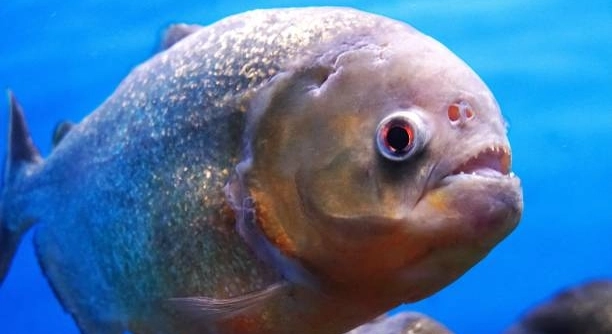
Piranhas are often seen as fierce fish, known for their sharp teeth and strong jaws. These small creatures live mostly in rivers and lakes, where they hunt for food. They have a reputation for being aggressive and dangerous to other animals. Piranhas may attack more than just fish; they can target birds, mammals, and even … Read more

7 Easy Fixes for Cloudy Piranha Water

Are your piranha tank’s waters often cloudy and hard to see through? This common issue can make your aquarium look less appealing and may signal problems with water quality or tank maintenance. Understanding the causes is important for keeping your fish healthy. Cloudy water in a piranha tank usually results from excess waste, uneaten food, … Read more

7 Unusual Traits in Captive-Bred Piranhas

Captive-bred piranhas show several traits that differ from their wild counterparts. These traits often surprise hobbyists and researchers alike, revealing how captivity shapes their behavior and appearance. Understanding these differences can improve their care and management. Seven unusual traits in captive-bred piranhas include altered aggression levels, changes in coloration, smaller size, modified feeding habits, increased … Read more

How to Safely Add a New Piranha to Your Tank

Have you ever added a new piranha to your tank only to find tension, stress, or unexpected aggression among your fish?The safest way to introduce a new piranha is by rearranging the tank layout, monitoring behavior closely, and quarantining the newcomer beforehand. These steps reduce territorial disputes and allow for a smoother transition into the … Read more

7 Lighting Mistakes That Make Piranhas Anxious

Lighting plays an important role in the well-being of piranhas kept in aquariums. Improper lighting can cause stress and anxiety in these fish, affecting their health and behavior. Understanding common lighting mistakes helps create a better environment for them. Piranhas are sensitive to bright, flickering, or inconsistent lighting, which can disrupt their natural rhythms and … Read more

7 Ways to Calm a Nervous Piranha

Do you ever find yourself wondering how to calm a jittery piranha that just won’t settle down in its tank? These energetic fish can become nervous due to changes in their environment or lack of proper care. The most effective way to calm a nervous piranha is by reducing external stressors, maintaining stable water conditions, … Read more

7 Subtle Indicators of Piranha Stress

Caring for piranhas means knowing when they are feeling stressed. These subtle signs often go unnoticed but can tell you a lot about your fish’s well-being. Watching for small changes helps keep your piranhas healthy and comfortable. Piranha stress can be indicated by subtle behaviors such as erratic swimming, loss of appetite, faded colors, increased … Read more

7 Moments Piranhas Show Complete Stillness

Piranhas are often seen as aggressive fish, always moving and hunting. Yet, there are moments when they show complete stillness. Observing these quiet moments reveals a different side of their behavior. Piranhas display stillness in specific situations such as resting, hiding from predators, digesting food, during breeding, when sensing danger, conserving energy, and adapting to … Read more

What to Do If Your Piranha Stops Eating (7 Solutions)

Is your piranha suddenly ignoring its food, leaving you worried about its health and behavior in the tank? This change can be unsettling for any fish owner, especially when it happens without warning. A piranha may stop eating due to stress, poor water quality, illness, or changes in diet or environment. Addressing these conditions promptly … Read more