
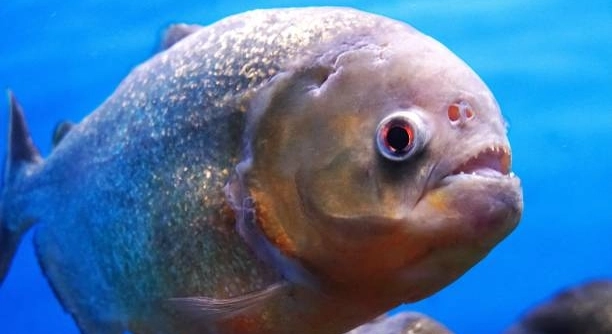
Piranhas are often seen as fierce fish, known for their sharp teeth and strong jaws. These small creatures live mostly in rivers and lakes, where they hunt for food. They have a reputation for being aggressive and dangerous to other animals.
Piranhas may attack more than just fish; they can target birds, mammals, and even unusual objects near the water. Their behavior depends on hunger, environment, and threats, making their attacks unpredictable and varied.
Knowing what piranhas might attack helps us better understand their habits and avoid unexpected encounters in the wild or around water. This knowledge is useful for anyone spending time near their habitats.
Birds Near the Water’s Edge
Piranhas are known to attack birds that come too close to the water. Birds often land on branches or rocks near rivers and lakes to drink or hunt for fish. These moments make them vulnerable. Piranhas can sense movement and may leap out of the water to grab a bird. Their sharp teeth easily pierce feathers and skin. While not all piranhas do this, it happens often enough to be noted by scientists. The attacks are usually quick and sudden, leaving little time for the bird to escape. In some regions, fishermen have observed piranhas striking birds resting nearby, especially during the dry season when food is scarce. This behavior shows how piranhas adapt to their environment and seize any chance for a meal.
Piranhas attack birds mostly when food is limited, showing opportunistic feeding habits during dry periods.
Understanding how piranhas hunt birds helps clarify their role in the ecosystem. Birds near the water need to stay alert, as even a small mistake can lead to an attack. This also means that piranhas play a part in controlling bird populations that rely heavily on aquatic environments. Observing this interaction gives insight into how predators and prey coexist in nature. For people spending time by the water, it’s important to remember that wildlife behavior can be unpredictable, and caution is always advised.
Small Mammals at the Riverbank
Small mammals like rodents or monkeys sometimes fall prey to piranhas when they approach the water to drink or cross rivers. These mammals can slip or get caught by the fish. Piranhas use their speed and group attacks to overwhelm prey, especially vulnerable animals near the shore.
Piranhas attack small mammals mostly during water crossings, using quick group bites to incapacitate them.
In certain areas, monkeys have been seen losing limbs or even their lives after falling into piranha-infested waters. Rodents and other small animals are easy targets because they cannot defend themselves well. The fish may not eat the whole animal but often cause serious injuries. This behavior supports the piranha’s survival by giving them more sources of protein. Small mammals that live close to rivers have to be cautious, especially during droughts when water levels drop, making animals more exposed. These attacks highlight how piranhas can influence the behavior and survival strategies of nearby land animals.
Floating Debris and Objects
Piranhas sometimes bite floating debris or objects near the water’s surface. They mistake these for food or investigate unfamiliar items.
This behavior occurs because piranhas are curious and use biting to explore. They may attack sticks, leaves, or even human-made trash. This happens especially during feeding frenzies when the fish are excited and less selective. Although they don’t eat these objects, their bites can cause damage or wear. This tendency shows how their instincts can lead to unexpected attacks beyond living prey. It also highlights the importance of keeping water clean, as piranhas may harm themselves by biting hard or sharp debris.
When people swim or fish, they should be aware that piranhas might nip at gear or floating items. These bites are usually quick and not harmful, but they can surprise anyone near the water.
Fish and Other Aquatic Animals
Piranhas are well-known for attacking fish, their primary food source. They hunt in groups to catch fish efficiently. The sharp teeth allow them to tear flesh quickly.
Besides fish, piranhas may attack other aquatic animals like turtles or frogs. These attacks happen when other animals enter their territory or compete for food. Piranhas’ aggressive behavior can disrupt the balance of smaller species in the water. Group attacks increase their chances of success, especially in crowded habitats.
This hunting style benefits the piranhas by providing enough food to sustain their large groups. Their presence controls the population of smaller aquatic animals, keeping ecosystems stable. For people observing wildlife, understanding these dynamics explains why piranhas are both feared and respected in their habitats.
Humans Near the Water
Humans can sometimes be targets of piranha attacks, especially if they enter waters where piranhas are hungry or threatened. These attacks are rare but can happen during certain conditions.
Wounds from piranha bites on humans are usually minor but can be painful. The fish mostly bite fingers or toes when people splash or swim in their territory.
Dead Animals in the Water
Piranhas are scavengers as well as hunters. They often feed on dead or dying animals floating in the water. This behavior helps clean the environment.
Feeding on carrion provides piranhas with easy meals and supports their survival during times when live prey is scarce. It also reduces waste in their habitat.
Unusual Attacks on Boats
Piranhas sometimes bite at boats or paddles moving through their water. They react to vibrations and movement, attacking out of curiosity or defense.
These bites usually don’t cause serious damage but can surprise people on the water. It’s best to move calmly to avoid provoking them.
What makes piranhas attack unexpectedly?
Piranhas attack unexpectedly mainly because of hunger, environmental stress, or feeling threatened. When food is scarce, they become more aggressive and less picky about what they bite. Rapid movements in the water, loud noises, or unfamiliar objects can also trigger their attacks. These fish often hunt in groups, increasing their chances of a quick strike. Their natural instincts to survive lead to sudden and sometimes surprising behavior. Understanding these triggers helps explain why piranhas might attack things beyond their usual prey.
Are piranha attacks dangerous to humans?
Most piranha attacks on humans are minor and cause small bites or scratches. Serious injuries are rare and usually happen when the fish feel cornered or the person is injured and bleeding. Piranhas tend to avoid large animals and humans if possible. However, swimming in waters known for piranhas during dry seasons or feeding times can increase risk. Wearing protective footwear and avoiding splashing can reduce the chances of getting bitten. Being calm and careful near their habitats is the best way to stay safe.
Can piranhas attack animals other than fish?
Yes, piranhas do attack other animals such as birds, small mammals, turtles, and frogs. They take advantage of any vulnerable creature near the water’s edge. Birds resting or drinking near the water can be surprised by quick piranha bites. Small mammals that drink or cross rivers sometimes fall victim as well. Piranhas’ group hunting style helps them overpower these animals quickly. Their diet is flexible, allowing them to adapt to what food is available in their environment.
Do piranhas eat plants or only animals?
Piranhas are mainly carnivores but some species eat plant material occasionally. They primarily feed on fish, insects, and small animals. However, certain piranhas may consume seeds, fruits, or aquatic plants, especially when animal prey is scarce. This helps them survive during tougher times. While they are known for their teeth and hunting skills, they do not rely solely on meat. Their diet varies depending on location and season, showing their ability to adapt to changing food sources.
How do piranhas attack in groups?
Piranhas attack in groups by coordinating their movements to surround and overwhelm prey. This tactic allows them to deliver multiple bites quickly, causing rapid injury. Group attacks are most common when the fish are hungry or defending territory. The sudden, combined effort confuses prey and reduces escape chances. Group hunting also improves food sharing among the fish, increasing survival rates. This behavior is one reason piranhas have a fierce reputation, though attacks on large animals or humans are still uncommon.
Why do piranhas bite floating objects?
Piranhas bite floating objects because they investigate unfamiliar items in their environment by biting. Movement on or near the water surface triggers their curiosity and feeding instincts. During feeding frenzies, they may bite non-food objects like sticks, leaves, or trash. These bites do not cause harm to the fish but show their natural response to potential food or threats. This behavior can cause damage to gear or surprise people swimming nearby. Keeping water clean reduces risks of accidental biting on dangerous debris.
Can piranhas survive without attacking live prey?
Piranhas can survive without attacking live prey by scavenging dead animals and eating plant matter. They are opportunistic feeders, adjusting their diet based on availability. During dry seasons or food shortages, scavenging becomes more common. Feeding on carrion provides an easy meal and supports the group. While live hunting is important, piranhas do not rely solely on it to survive. Their flexible diet helps maintain stable populations even in changing environments.
Are piranhas attracted to blood in the water?
Piranhas are attracted to blood because it signals the presence of injured prey. Blood in the water can trigger feeding frenzies, causing piranhas to become more aggressive. This attraction helps them find easy meals. However, they do not attack large animals or humans unless provoked or if there is significant bleeding. Swimmers or fishermen should avoid bleeding in piranha habitats to reduce the risk of attracting attacks. This sensitivity to blood is part of their natural hunting behavior.
Do piranhas attack boats or fishing equipment?
Piranhas sometimes bite boats, paddles, or fishing gear because of vibrations and movement in the water. They may see these as threats or curious objects. These bites are usually small and do not damage equipment seriously. The fish are more defensive than aggressive in these situations. Moving calmly and avoiding sudden splashes can help prevent such encounters. Being aware of this behavior allows people to better protect their gear and avoid startling the fish unnecessarily.
How can people avoid piranha attacks?
People can avoid piranha attacks by staying calm and avoiding sudden movements in piranha habitats. Wearing protective footwear helps protect feet from bites. Avoid swimming during feeding times or dry seasons when piranhas are more aggressive. Do not enter the water with open wounds or bleeding. Keep fishing gear and boats moving smoothly to avoid provoking the fish. Learning about local piranha behavior and respecting their environment reduces risks and ensures safer interactions around their waters.
Piranhas have a strong reputation for being fierce and dangerous fish. While they do have sharp teeth and can attack quickly, their behavior is often misunderstood. Piranhas usually only attack when they feel threatened, hungry, or curious. Many of their attacks happen during times when food is hard to find, such as the dry season. They use group attacks to catch prey more efficiently, but they do not constantly hunt large animals or humans. Understanding these facts helps clear up some of the myths about piranhas and shows that their actions are driven mainly by survival instincts.
Piranhas are part of a balanced ecosystem in rivers and lakes. They help control populations of smaller fish and animals, keeping the environment healthy. Their feeding habits include scavenging dead animals, eating insects, and occasionally consuming plants. This variety in diet allows them to adapt to changing conditions in their habitats. Even though they may attack unusual targets like birds, small mammals, or floating objects, these behaviors show how piranhas respond to opportunities and challenges in their environment. Knowing this can help people respect the fish and take precautions when near their habitats.
Being aware of how and why piranhas attack helps us stay safe while spending time near their waters. Simple actions like avoiding splashing, not entering water with wounds, and wearing protective shoes can reduce the chance of bites. Piranhas rarely cause serious harm to humans, and most attacks are quick and minor. Learning about their habits makes it easier to enjoy nature responsibly and avoid accidents. Overall, piranhas are fascinating creatures with unique behaviors that deserve understanding rather than fear.

Hello,
If you enjoy the content that we create, please consider saying a "Thank You!" by leaving a tip.
Every little bit helps us continue crafting quality advice that supports the health, happiness, and well-being of pets around the world, for pets of all shapes, sizes, and species.
We really appreciate the kindness and support that you show us!