
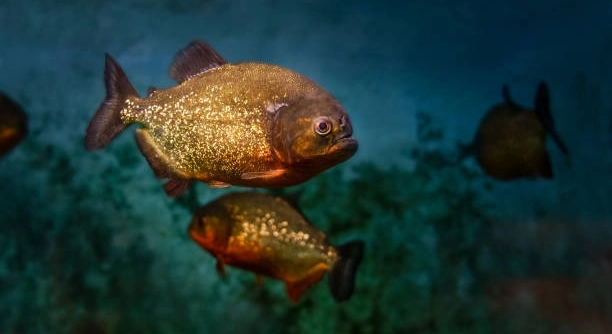
Do you ever find yourself wondering how to calm a jittery piranha that just won’t settle down in its tank? These energetic fish can become nervous due to changes in their environment or lack of proper care.
The most effective way to calm a nervous piranha is by reducing external stressors, maintaining stable water conditions, and providing consistent routines. Creating a secure environment with proper hiding spaces helps promote a sense of safety and comfort.
From light adjustments to the right tank mates, each step matters when helping your piranha feel at ease and thrive peacefully.
Adjust the Tank Environment
A nervous piranha often reacts to its surroundings. If the lighting is too bright, it may feel exposed and stressed. Dim the tank lights or use floating plants to soften the light. Make sure the water temperature is stable, around 75–80°F, and avoid sudden fluctuations. Loud noises and vibrations from nearby speakers, foot traffic, or tapping on the glass can also stress your fish. Place the tank in a calm, low-traffic area of your home. Add hiding spots using plants, driftwood, or caves to create a sense of security. When a piranha has somewhere to retreat, it’s more likely to feel calm. A quiet, controlled space helps reduce anxiety and allows your fish to feel more in control of its environment.
Piranhas feel safer when they have consistent tank conditions and places to hide. The right environment can go a long way toward reducing nervous behavior.
Small environmental changes are usually enough to ease anxiety. Think of how a peaceful space can help your fish feel more secure. Be mindful of both the tank’s layout and its location in your home. Dim light, reduced noise, and plenty of shelter will help your piranha settle down gradually without causing further stress.
Establish a Consistent Routine
Piranhas respond well to consistency. Feed them at the same times each day and avoid sudden changes in their schedule. Keep tank cleaning and maintenance on a predictable weekly routine to avoid disrupting their space too often.
Establishing a set pattern creates predictability that can help your piranha feel secure. Sudden shifts—like inconsistent feeding, unexpected lighting changes, or random cleaning—can confuse or startle them. Use a timer for lights to regulate day and night cycles. Maintain water conditions by doing partial water changes weekly and testing water parameters regularly. Avoid rearranging decorations or introducing new tank mates without planning. Handle them gently during maintenance and avoid disturbing their hiding spots. The more predictable their environment and interactions, the less reactive and nervous they become. Regularity helps them know what to expect, reducing defensive behavior and promoting calmness over time.
Monitor Tank Mates Carefully
Not all fish get along with piranhas. Housing them with aggressive or overly active species can cause stress. Even placing them with other piranhas requires caution, especially if the tank is too small or lacks hiding spots.
Piranhas are naturally territorial, and crowding can lead to defensive behavior. If you’re keeping more than one, make sure the tank is large enough—at least 20 gallons per fish. Provide plenty of cover so each piranha has its own space. Avoid mixing them with fast or nippy fish that might provoke a reaction. Monitor interactions closely after introducing any new tank mate. If signs of stress appear—like skittish swimming, hiding constantly, or refusing food—reconsider your tank arrangement. It’s better to have one calm piranha than several stressed ones fighting for space.
Separating incompatible fish helps maintain peace in the tank. Even piranhas that seem calm can suddenly act out if they feel threatened or cornered. Watch for signs of aggression like chasing, biting, or torn fins. Rearranging the tank layout may help reduce territorial disputes, but in some cases, separating the fish is the safest solution. Keep your setup simple and stable to avoid unnecessary conflict.
Handle With Care During Maintenance
Tank maintenance can stress a piranha, especially when movements are sudden. Always move slowly and predictably. Avoid chasing or cornering the fish while working inside the tank, and never remove them unless absolutely necessary.
Use tools with long handles to minimize hand movements inside the tank. Clean around their space gently and avoid touching hiding spots or decorations too abruptly. Perform partial water changes instead of full ones to reduce disruption. Try to maintain the water’s temperature and parameters during each cleaning. When possible, keep the maintenance schedule consistent, ideally on the same day and time each week. This routine helps your piranha understand what to expect and reduces its stress response. If your fish becomes overly anxious, take breaks and let it settle before continuing. Patience and calm handling make a noticeable difference over time.
Keep Noise and Vibrations Low
Sudden loud sounds and strong vibrations can make a piranha feel unsafe. Keep the tank away from speakers, televisions, or high-traffic areas with constant movement. Soft surroundings help the fish remain calm throughout the day.
Avoid tapping the glass or moving furniture near the tank. Even low sounds can carry through the water and disturb your fish. If you have children or pets, try to keep them from playing close to the aquarium.
Feed a Balanced, Regular Diet
Feeding a nervous piranha properly supports both health and behavior. Offer a balanced diet with a mix of high-quality pellets, frozen foods like bloodworms, and occasional fresh pieces of fish. Avoid overfeeding, which can affect water quality and stress levels. Feed at the same time daily to create routine. Sudden changes in diet or feeding times may confuse the fish and cause agitation. Remove uneaten food promptly to maintain clean water. Monitor appetite, as refusal to eat can signal ongoing stress. Keeping meals consistent and nutritious is a small habit that helps build security in a piranha’s environment.
Limit Handling and Disruption
Avoid moving your piranha or disturbing its tank unless absolutely necessary. Too much disruption can increase anxiety and undo progress made through routine and stability.
How do I know if my piranha is nervous?
Signs of nervousness in piranhas include erratic swimming, hiding excessively, refusal to eat, or frequent darting around the tank. They may also display rapid gill movement or flare their fins more often than usual. These behaviors usually indicate stress caused by environmental or social factors.
Can sudden changes in water conditions cause anxiety?
Yes. Piranhas are sensitive to sudden shifts in temperature, pH, and water quality. Even small fluctuations can make them nervous. Consistent water parameters are essential to keep them calm. Regular testing and partial water changes help maintain stability and reduce stress.
Is it safe to keep multiple piranhas together?
It depends. Piranhas are territorial, and overcrowding can increase aggression. A tank size of at least 20 gallons per fish is recommended, along with plenty of hiding spots. Watch their behavior carefully, and separate any that become overly aggressive.
What kind of tank mates can calm or stress a piranha?
Generally, avoid small or fast-moving fish, as these can trigger aggressive or nervous behavior in piranhas. Larger, peaceful species may be better, but caution is still needed. It’s often safer to keep piranhas alone to prevent stress caused by incompatible tank mates.
How often should I feed my piranha to reduce nervousness?
Feeding once or twice a day at the same times helps establish a routine that reduces anxiety. Avoid overfeeding to prevent water quality issues, which can further stress the fish. Remove any uneaten food promptly.
Does lighting affect piranha behavior?
Yes. Bright lighting can make piranhas feel exposed and nervous. Use dim or filtered lighting and provide shaded areas with plants or decorations. This creates a more natural, secure environment that helps reduce stress.
What is the best way to clean the tank without stressing the piranha?
Perform partial water changes regularly instead of full cleanings to minimize disruption. Move slowly and avoid sudden movements around the tank. Use long-handled tools to reduce the need to reach inside the tank and disturb the fish’s environment.
How do vibrations and noise impact my piranha?
Loud noises and vibrations can cause significant stress. Place the tank in a quiet area away from speakers, heavy foot traffic, and other sources of constant movement. Even tapping on the glass can frighten your piranha.
Can piranhas be trained to feel less nervous?
To some extent, yes. Consistency in care, feeding, and tank maintenance helps build a predictable environment that piranhas can adjust to. Over time, they may become less reactive to normal activities around the tank.
Is it necessary to provide hiding spots?
Absolutely. Hiding places reduce nervousness by offering a safe retreat. Use plants, caves, or driftwood to create multiple sheltered areas within the tank. This helps the piranha feel secure and less exposed.
What should I avoid doing around a nervous piranha?
Avoid sudden movements, tapping on the tank, changing tank decorations frequently, and introducing new fish without preparation. These actions can increase anxiety and provoke aggressive or defensive behavior.
How can I improve water quality to help calm my piranha?
Regular testing for ammonia, nitrites, and nitrates is key. Partial water changes and proper filtration keep the water clean and stable. Good water quality directly supports fish health and reduces nervousness caused by poor conditions.
How long does it take for a piranha to calm down?
This varies based on the cause of stress and care improvements. Some piranhas settle within days, while others may take weeks. Patience and consistent care are essential for long-term calm behavior.
Is it normal for piranhas to be aggressive even when calm?
Piranhas naturally have aggressive tendencies, but calm fish show less erratic or defensive behavior. Controlled aggression related to feeding or territory is normal, but constant nervousness or stress-driven aggression indicates an issue.
Can diet changes help with nervousness?
A balanced, consistent diet supports overall health and reduces stress. Avoid sudden changes in food type or feeding schedule. Nutritional stability helps your piranha maintain energy and reduces anxiety.
Should I move a nervous piranha to a new tank?
Moving can increase stress unless the new tank offers a better environment with stable conditions and hiding places. Minimize handling and prepare the new tank carefully to avoid worsening nervous behavior.
What signs indicate my piranha is improving?
More relaxed swimming, regular feeding, less hiding, and reduced rapid fin movement are good signs. Consistency in behavior over several days or weeks shows progress toward a calmer state.
Can temperature changes help calm a nervous piranha?
Keep temperature stable within the ideal range (75–80°F). Sudden changes cause stress. Adjusting temperature slightly outside this range can be harmful and increase nervousness.
How do I reduce stress after introducing a new fish or tank mate?
Quarantine new fish before introduction and monitor interactions closely. Rearrange the tank to create new territories and increase hiding spots. Remove aggressive fish promptly to restore calm.
Are there supplements or treatments to calm piranhas?
Some aquarium products claim to reduce stress, but their effectiveness varies. Focus on environmental stability, proper diet, and tank management for the best results.
How often should I observe my piranha for stress signs?
Daily observation helps catch early signs of nervousness or illness. Monitoring behavior allows timely adjustments to care and environment before stress worsens.
Final thoughts are important when caring for a nervous piranha. These fish require stable conditions and consistent care to feel safe. Small changes in their environment or routine can cause stress, so attention to detail matters. Providing the right tank setup, including proper water parameters, hiding spots, and minimal noise, creates a calm atmosphere. Maintaining a steady feeding schedule with a balanced diet also supports their well-being. All these factors work together to reduce nervous behavior and promote a healthier fish.
It is essential to understand that calming a nervous piranha takes time and patience. These fish are naturally territorial and sometimes aggressive, which can make calming efforts challenging. However, with steady care and avoidance of sudden disruptions, piranhas can gradually adjust to their surroundings. Observing their behavior daily helps detect stress early. This allows for quick interventions, such as improving water quality or adjusting lighting. Regular tank maintenance and avoiding overcrowding also play a key role in creating a peaceful environment.
In summary, a calm piranha is the result of consistent, thoughtful care. Stability in water conditions, quiet surroundings, and proper nutrition are the foundation. Avoiding sudden changes and providing hiding places reduces anxiety. Patience is necessary because improvements take time. Following these guidelines helps ensure a more relaxed and healthier piranha. Careful attention to these needs benefits both the fish and the keeper, creating a balanced aquatic environment.

Hello,
If you enjoy the content that we create, please consider saying a "Thank You!" by leaving a tip.
Every little bit helps us continue crafting quality advice that supports the health, happiness, and well-being of pets around the world, for pets of all shapes, sizes, and species.
We really appreciate the kindness and support that you show us!