
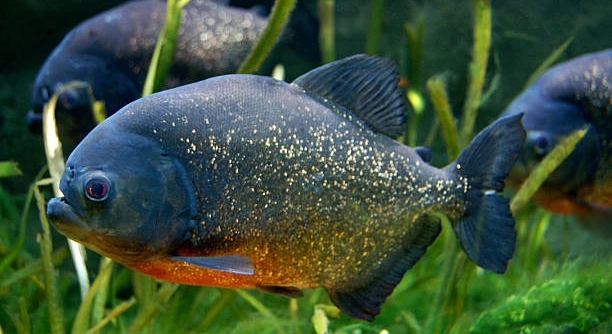
Caring for piranhas means knowing when they are feeling stressed. These subtle signs often go unnoticed but can tell you a lot about your fish’s well-being. Watching for small changes helps keep your piranhas healthy and comfortable.
Piranha stress can be indicated by subtle behaviors such as erratic swimming, loss of appetite, faded colors, increased aggression, hiding more than usual, rapid gill movement, and clamped fins. Recognizing these signs early is crucial for maintaining optimal tank conditions and fish health.
Identifying these indicators can improve your piranhas’ environment and prevent serious health problems from developing.
Erratic Swimming Patterns
When a piranha begins to swim erratically, it is often a sign of stress. This can mean darting quickly from one side of the tank to the other or sudden jerky movements. Such behavior may show that the fish feels threatened or uncomfortable with its surroundings. Changes in water quality, sudden noises, or overcrowding can trigger this response. Sometimes, piranhas swim near the surface or hide behind decorations more frequently. It’s important to observe these movements carefully, as prolonged stress can weaken their immune system. Adjusting the environment, like improving filtration or reducing tank disturbances, can help calm the fish. Keeping the tank clean and stable makes a big difference in preventing stress-induced erratic swimming.
Erratic swimming can also be a sign of disease, so checking water parameters regularly is key to early detection.
Noticing these unusual swimming behaviors early allows you to make quick changes to the tank environment. This reduces stress and helps the piranhas stay healthy and active.
Loss of Appetite
Loss of appetite is one of the clearest signs that a piranha is under stress. When your fish stops eating or shows less interest in food, it may be struggling with its environment or health. Stress from poor water quality, temperature changes, or bullying from tank mates often causes this. Additionally, illness or parasites can reduce appetite. It’s important to monitor feeding habits closely and note any sudden changes. Offering a variety of fresh foods and ensuring the tank conditions are optimal can encourage your piranha to eat again. Sometimes, the fish just needs a quieter space or better hiding spots to feel safe enough to eat. Maintaining a consistent feeding schedule also supports better appetite and reduces stress. When appetite loss continues, it’s wise to test the water and observe for other signs of illness.
Faded Colors
Piranhas often lose their vibrant colors when stressed. This dulling can signal poor water quality or illness.
Fading colors happen because stress affects the fish’s natural pigments. When water conditions are off—such as incorrect pH, high ammonia, or nitrite levels—piranhas may lose their bright reds and silvers. Stress from overcrowding or aggressive tank mates also plays a role. Restoring clean water and stable conditions usually helps colors return. Using proper lighting and a balanced diet with nutrients that support pigmentation can also improve their appearance.
Sometimes, faded colors appear alongside other stress signs like lethargy or hiding. It’s important to act quickly, as ongoing stress can weaken the immune system and lead to disease. Regular water testing and careful tank management help keep your piranhas looking healthy and vibrant.
Increased Aggression
Stress often causes piranhas to act more aggressively than usual.
Increased aggression might mean frequent chasing or biting among tank mates. When stressed, piranhas become territorial and defensive. Overcrowded tanks or lack of hiding spaces worsen this behavior. Feeding competition also raises aggression levels. If your piranhas are constantly fighting, it’s a strong sign their environment needs adjustment. Providing more space and reducing stressors helps calm them down.
Aggression can lead to injuries and more stress, creating a harmful cycle. Separating aggressive individuals or rearranging the tank layout can reduce conflict. Ensuring stable water conditions and adequate nutrition supports calmer behavior. Addressing aggression early helps maintain a peaceful tank and healthier fish overall.
Hiding More Than Usual
When piranhas hide more often, it usually means they are stressed or feeling unsafe.
Changes in the tank environment or new tank mates can cause this behavior. Lack of hiding places can increase their anxiety, so providing adequate shelter is important.
Rapid Gill Movement
Rapid gill movement is a clear sign that a piranha is struggling to breathe properly. This often points to poor water quality or low oxygen levels in the tank.
Monitoring water parameters and improving aeration can help reduce this stress. Keeping the tank clean and well-oxygenated supports healthy gill function and overall fish well-being.
Clamped Fins
Clamped fins happen when a piranha keeps its fins tight against its body, showing discomfort or stress. This behavior often signals poor water conditions or illness and needs quick attention.
How can I improve the water quality to reduce my piranha’s stress?
Improving water quality starts with regular tank maintenance. Perform partial water changes of about 20-30% every week to remove waste and toxins. Use a reliable water testing kit to monitor ammonia, nitrite, nitrate, and pH levels. Keeping ammonia and nitrite at zero and nitrate under 20 ppm is important. Use a good filtration system to keep the water clean and oxygenated. Avoid overfeeding, as leftover food can pollute the water. Also, make sure the water temperature is stable, ideally between 75°F and 82°F (24°C to 28°C), since sudden changes can stress piranhas. Removing uneaten food and waste regularly helps maintain healthy water conditions, keeping your fish calm and healthy.
Why does my piranha show aggression even when there is enough space?
Piranhas are naturally territorial and can become aggressive even in spacious tanks. Stress, poor water quality, or boredom can increase their aggression. Sometimes, aggression happens if the tank lacks hiding spots or visual barriers. If piranhas feel exposed, they may act defensively. Feeding habits also affect behavior; if they are hungry or compete for food, aggression rises. It helps to provide multiple hiding places, feed high-quality food regularly, and maintain clean water. Watching their behavior closely helps decide if you need to separate the most aggressive individuals to prevent injury and stress.
What foods help reduce stress in piranhas?
A balanced diet supports a piranha’s immune system and reduces stress. Feeding them high-quality protein sources like fresh fish, shrimp, and worms mimics their natural diet. Occasionally, adding vegetables like spinach or peas offers vitamins and fiber. Avoid overfeeding, as this can foul the water and harm your fish. Variety in food keeps them interested and ensures they get all necessary nutrients. Live or frozen foods are often preferred, as they encourage natural hunting behavior, which reduces boredom and stress. Ensuring a consistent feeding schedule also helps piranhas feel secure and well cared for.
How often should I check my piranha tank for signs of stress?
Daily observation is best to catch early signs of stress. Watching your piranhas closely allows you to notice changes in behavior, appetite, and appearance quickly. Checking water parameters once or twice a week is essential for stable conditions. Regular tank maintenance and monitoring prevent small issues from becoming serious problems. Keeping a routine will help you maintain a healthy environment where your piranhas can thrive.
Can stress in piranhas lead to illness?
Yes, stress weakens a piranha’s immune system and makes them more vulnerable to infections and diseases. Prolonged stress can cause fin rot, bacterial infections, and parasitic infestations. Detecting stress early and improving tank conditions reduces the risk of illness. Treating water quality issues and reducing aggressive tank mates can prevent many health problems. Keeping your piranhas comfortable helps maintain their strength and overall well-being.
What are the best ways to create a stress-free environment for piranhas?
Creating a calm environment involves stable water quality, proper tank size, and adequate hiding places. Avoid sudden changes in temperature or lighting. Maintain consistent feeding schedules and avoid overcrowding. Use decorations or plants to break sightlines and give piranhas places to retreat. Reducing loud noises and vibrations near the tank also helps. A quiet, clean, and stable habitat keeps piranhas relaxed and healthy.
How can I tell if a piranha’s stress is due to illness or environment?
Stress from illness often comes with visible symptoms like white spots, ulcers, or clamped fins, alongside behavioral changes. Environmental stress usually causes behaviors like hiding, color fading, or erratic swimming without obvious physical damage. Testing water quality helps identify if the environment is the cause. If physical symptoms appear, consulting a vet or experienced aquarist is recommended. Addressing both environment and health ensures the best care.
Are there any specific tank mates that help reduce stress in piranhas?
Piranhas prefer living alone or in groups of their own kind because they can be aggressive toward other species. Adding peaceful, larger fish might not reduce stress but could increase aggression or injury risks. It’s best to keep piranhas in appropriately sized groups with enough space and hiding spots. Minimizing aggressive interactions through careful tankmate selection and environment setup is key to lowering stress.
What should I do if my piranha refuses to eat for several days?
If a piranha stops eating, check water quality and tank conditions immediately. Look for other stress signs or illness symptoms. Try offering different types of food, such as live or frozen options, to stimulate appetite. Reduce disturbances near the tank and ensure stable temperature. If the appetite loss continues beyond a few days, seek advice from an aquatic specialist to rule out disease. Quick action can prevent further stress and health decline.
How important is tank size in preventing piranha stress?
Tank size is very important because piranhas need space to swim and establish territory. Crowded tanks cause stress, aggression, and poor water quality. A minimum of 75 gallons for a small group is recommended to give them enough room. Larger tanks allow better filtration and more hiding places, which reduce stress. Providing enough space helps piranhas feel secure and less aggressive. Proper tank size supports their physical and mental well-being.
Taking care of piranhas requires paying close attention to their behavior and environment. These fish may show stress in subtle ways that are easy to miss at first. Noticing signs like erratic swimming, loss of appetite, or faded colors helps you understand when something isn’t right. Stress can affect their health quickly, so it’s important to act early. Simple changes, such as improving water quality or providing more hiding places, can make a big difference. Keeping the tank clean and stable is one of the best ways to support their well-being.
It is also important to maintain a balanced diet and a calm environment. Feeding your piranhas a variety of foods that match their natural diet helps keep them strong and reduces stress. Avoiding overcrowding and aggressive tank mates gives them space to feel safe. Temperature and water quality must be consistent, as sudden changes can upset your fish. Regular monitoring and maintenance will help catch problems before they become serious. By providing a healthy, stress-free habitat, you allow your piranhas to live longer and thrive.
Stress is a natural reaction, but it does not have to harm your fish if managed well. Understanding the signs and causes of stress helps you provide better care. It also strengthens your connection to your fish, as you become more aware of their needs. Taking time to watch and respond to their behavior makes a big difference in their happiness and health. With patience and proper care, your piranhas can enjoy a peaceful and comfortable life in your aquarium.

Hello,
If you enjoy the content that we create, please consider saying a "Thank You!" by leaving a tip.
Every little bit helps us continue crafting quality advice that supports the health, happiness, and well-being of pets around the world, for pets of all shapes, sizes, and species.
We really appreciate the kindness and support that you show us!