
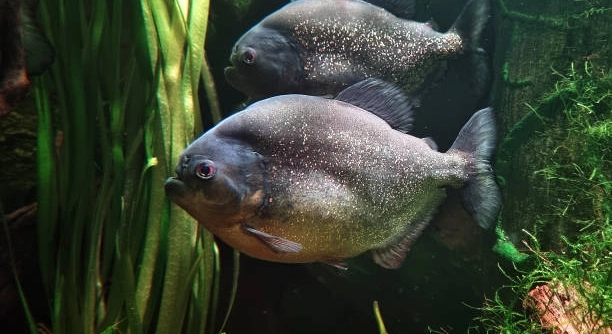
Have you ever found yourself watching piranhas and noticing they move in strange, organized patterns that seem more intentional than random? These movements can be fascinating to observe, especially in group settings or during feeding times.
Piranhas exhibit seven key swimming patterns that reflect their social behavior, territorial instincts, and feeding strategies. These patterns include schooling, chasing, circling, darting, hovering, hiding, and scattering. Each serves a distinct purpose in their natural aquatic environment.
Recognizing these patterns can help you better understand how piranhas interact with one another and respond to their surroundings. This knowledge can be useful whether you’re studying them or simply enjoying their unique behavior.
Schooling for Safety and Coordination
Piranhas often swim in large groups, a behavior known as schooling. This pattern helps them feel more secure and reduces their chances of being targeted by predators. When in schools, piranhas swim closely together, moving in synchronized ways that make them appear as a single, larger organism. This tactic is especially common among younger or smaller fish. Schooling also allows them to react quickly to threats or changes in their environment. It’s a form of communication and protection all in one. In captivity, schooling behavior still shows up, particularly if the tank setup mimics natural conditions.
In small tanks or when alone, piranhas may appear more skittish. Grouping helps regulate their confidence and behavior.
This pattern is one of the most recognizable among piranhas. Watching them move together reveals how they rely on one another to stay alert and adapt. Even subtle changes in one fish’s motion can influence the whole group.
Chasing and Aggression Signals
Chasing happens when one piranha quickly swims after another, often as a way of asserting dominance. This isn’t always a full attack—it’s more about control and hierarchy.
Chasing is common in tanks that house multiple piranhas. One fish may begin to act more aggressively, asserting itself as dominant. The others typically respond by moving away or adjusting their positions. If chased repeatedly, a fish may try to find shelter or stay motionless to reduce attention. This behavior can also happen during feeding times when food competition increases. In the wild, chasing has a practical purpose. It helps establish roles within the group and prevents more serious fights. It also serves as a reminder of who controls what space. This swimming pattern is fast and direct, often ending as quickly as it begins. While it might look threatening, it usually stops short of serious harm if the tank or environment has enough space and hiding spots.
Circling and Spatial Awareness
Circling is when piranhas swim around each other or an object repeatedly. This often signals curiosity, mild aggression, or a territorial check. It’s subtle but useful for gauging social dynamics without direct conflict.
In shared environments, piranhas may circle one another to test reactions. This can prevent open confrontation by allowing them to assess intentions quietly. Circling is also seen during mating displays or when establishing boundaries. It’s not always aggressive—sometimes it’s more about understanding who’s nearby and how they’re acting. If you notice a piranha circling an object, it could mean the fish is curious or uncertain. Tank arrangements that include plants, rocks, or decorations can trigger this behavior, offering more chances for natural interactions. While circling might seem harmless, repeated instances in the same spot can mean the fish is trying to claim that area. It’s one of those behaviors that looks simple but carries a lot of social weight.
This pattern can also show up during feeding when one fish tries to dominate a spot. Others may respond by backing off, darting away, or subtly circling back from a safer angle. These movements aren’t random—they help piranhas figure out their roles in a group. Watching them do this gives insight into their instincts.
Darting and Defensive Movement
Darting is a quick, sharp movement often triggered by stress or sudden changes. It can be seen when piranhas are startled, approached too closely, or react to unexpected noise or light near their environment.
These movements serve a defensive purpose. Darting lets a piranha escape perceived threats quickly and regain a sense of safety. This behavior is common in younger or more anxious fish. Over time, a calm environment with steady routines can reduce these reactions. In community tanks, darting might also occur if a dominant fish moves too close. It’s not always a sign of fear—sometimes it’s just a fast repositioning to avoid potential conflict. Lighting, tank placement, and loud movements around the tank can all influence this reaction. While it looks chaotic, darting is instinctive. It helps piranhas avoid trouble before it escalates. By observing when darting happens, you can tell a lot about what triggers stress in your tank.
Hovering and Alertness
Hovering happens when a piranha stays nearly still in the water, moving only slightly. This often means the fish is observing its surroundings or waiting to respond to something it senses nearby.
It’s a controlled behavior that shows the fish is alert but not stressed. Piranhas may hover before feeding or when sensing movement.
Hiding and Passive Avoidance
Piranhas use hiding as a way to avoid confrontation. They often stay behind plants, rocks, or tank corners to feel secure. This behavior increases after aggressive encounters or during changes in the tank setup.
Hiding can also be triggered by loud noises, unfamiliar people, or new fish introductions. It’s normal, especially in smaller or more submissive individuals. If hiding becomes constant, it may mean the fish feels threatened or the tank lacks enough space or structure. Adding plants or rearranging objects can help balance their comfort level. Hiding is not always a problem—it can be a healthy part of how piranhas manage their environment. Some fish hide more often than others, and that’s fine as long as they come out to eat and explore. This quiet pattern is easy to miss but tells a lot about their comfort.
Scattering and Panic Response
Scattering is a fast and chaotic movement where multiple piranhas dart in different directions. It usually means they’re startled and trying to escape a sudden disturbance or threat in the water.
FAQ
What does it mean when my piranha chases another around the tank?
Chasing usually shows dominance behavior. One fish may be trying to establish control or defend its space. It’s common when there’s a new fish, a change in the environment, or food competition. This doesn’t always lead to aggression, but if it continues or becomes physical, you might need to rearrange the tank or separate the fish. Having enough hiding spots and space helps lower tension and gives each fish its own area to retreat.
Why do piranhas freeze suddenly and stop moving?
Freezing is a natural reaction when they feel exposed or threatened. It’s a way to avoid detection. You’ll often notice this after a loud sound or quick movement near the tank. Piranhas also freeze briefly before attacking or chasing, using it as a way to prepare. If your fish freezes a lot, try making the room quieter or keeping a more consistent lighting schedule. It’s usually not harmful unless it’s paired with other stress signs like erratic swimming or loss of appetite.
How do I know if my piranha is stressed by its swimming pattern?
Look for sudden darting, frequent hiding, constant surface pacing, or avoiding other fish. These are usually signs of stress. You may also notice a loss of color or reduced interest in food. Stress can come from poor water conditions, loud environments, or overcrowding. Regular water changes, proper filtration, and providing enough space are simple ways to improve your piranha’s comfort. Watching how your fish swims every day can help you catch problems before they get worse.
Is it normal for piranhas to swim close together?
Yes, especially if they’re part of a group raised together. Swimming close can mean they’re comfortable or loosely schooling. It helps reduce anxiety in unfamiliar situations. But if one fish keeps pushing others or circling too much, it might be claiming territory or trying to dominate. If the tank is large enough and has clear zones, the fish will usually settle into a stable pattern over time. Swimming together isn’t always a sign of bonding—it’s often more about comfort and safety.
What causes erratic swimming or bumping into glass?
Erratic movement or glass-bumping often means stress, confusion, or poor water quality. It can also happen when fish see their reflection and think it’s another fish. Check your tank for ammonia, nitrite, and pH levels. Also, reduce external stress like loud sounds or fast movement. Covering one side of the tank or adjusting lighting can cut reflections. If the fish keeps doing it, check for signs of illness or vision problems, especially in older fish.
Why does my piranha stay near the filter or heater?
Piranhas sometimes stick close to the filter or heater because those spots feel secure. The filter offers cover, and the heater gives warmth. It can also be a sign they’re not comfortable in the open tank space. Try rearranging plants and decorations to create more hiding spots or shaded areas. If they still cling to the same area, check water flow and temperature—too strong a current or poor temperature balance might push them toward those spots for relief.
How can I tell if a swimming pattern means illness?
Illness often changes the way piranhas swim. They may swim slowly, lose balance, float at odd angles, or sink to the bottom. Pair this with signs like faded color, spots, or ragged fins, and it’s likely your fish is unwell. These signs could point to bacterial or parasitic infections, or even poor water quality. Quarantine the fish if needed, test the water, and consider starting a treatment. Quick action based on behavior makes a big difference.
Do all piranhas have the same swimming behaviors?
Not exactly. Different species and individual fish have their own patterns. Red-bellied piranhas tend to be more active, while black piranhas are more solitary and slow. Even in the same species, age, size, and personality affect how they move. Some fish might circle more, others may hide more often. By learning your own fish’s usual behavior, you’ll notice changes faster and spot possible problems. While some patterns are shared, each fish will have its own habits.
Final Thoughts
Watching piranha swimming patterns is a useful way to understand their needs, comfort, and health. Each movement tells a story about how your fish feels in its space. Whether they swim in bursts, circle plants, or stay still under a rock, these actions can signal something deeper. Sometimes it means they are calm and adjusted. Other times, it points to stress, discomfort, or a need for change in their tank. Noticing these differences early can help prevent problems before they grow. It also builds a stronger connection between you and your fish, even if that bond is quiet and from a distance.
Piranhas are not just aggressive or wild, as often shown in movies. They are sensitive, smart, and responsive to their surroundings. Their behavior, especially their swimming, changes when something isn’t right. They might dart quickly if startled, hover by the filter when uneasy, or chase each other during disputes. These actions are not random. They are clues that help you understand how to make the tank a better place. Paying attention to these small details makes a big difference in your fish’s well-being. The more you learn, the more you’ll see how their movements reflect real emotions and needs.
Providing clean water, enough space, and safe hiding spots is just the start. Observing how your piranha swims adds another layer of care. You don’t need to be an expert to notice when something feels off. A change in pace, direction, or routine is often enough to raise a flag. That quiet pause at the surface or repeated lap around a log might be your fish asking for help. Being consistent with your care, while staying alert to change, keeps your fish healthy and calm. Over time, you’ll learn what’s normal and what’s not for your own setup. And that simple awareness is one of the most important tools you can have.

Hello,
If you enjoy the content that we create, please consider saying a "Thank You!" by leaving a tip.
Every little bit helps us continue crafting quality advice that supports the health, happiness, and well-being of pets around the world, for pets of all shapes, sizes, and species.
We really appreciate the kindness and support that you show us!