7 Mistakes to Avoid in Arowana Water Chemistry
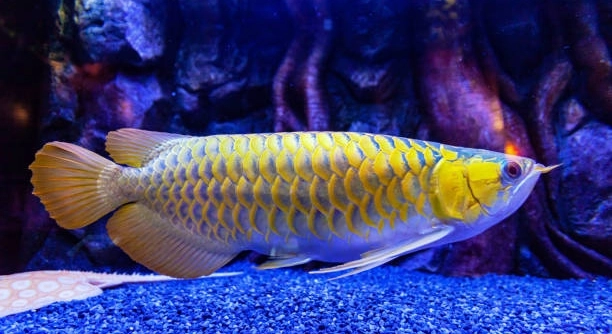
Arowanas are beautiful and majestic fish, but maintaining their water chemistry can be tricky. Many hobbyists struggle to keep their tanks balanced, which can affect the fish’s health and growth over time. Proper water care is essential. Avoiding mistakes in Arowana water chemistry requires careful monitoring of pH, hardness, temperature, and ammonia levels. Consistent testing … Read more
Why Is My Arowana Only Eating From One Side?

Is your arowana only eating from one side of the tank? This behavior can be surprising and a bit concerning for any fish keeper. Many owners notice this pattern and wonder what might be causing it. Arowanas may favor one side of the tank due to environmental factors, tank setup, or minor health issues. Uneven … Read more

How to Know If Arowana Are Confused or Stressed

Are your arowanas acting differently, swimming erratically, or staying in corners more than usual? Observing these subtle changes in behavior can help you understand their wellbeing and notice signs of stress or confusion early. Arowanas show signs of confusion or stress through irregular swimming patterns, loss of appetite, or constant hiding. Environmental changes, poor water … Read more

7 Ways to Prepare Your Tank for a New Arowana

Are you planning to welcome a new arowana into your home aquarium but feel unsure about where to start? Preparing the tank properly is essential for the fish’s health and smooth adjustment to its new environment. Properly preparing your tank for a new arowana involves thorough cleaning, ensuring stable water conditions, and setting up appropriate … Read more

7 Uncommon Tank Decorations That Arowana Like

Have you ever noticed your arowana swimming endlessly, searching for engaging surroundings in its tank? Many fishkeepers focus on standard décor, but arowanas respond positively to unique items that enrich their environment. Small changes can make a difference. Arowanas thrive with uncommon tank decorations that provide stimulation and mimic natural habitats. Items such as driftwood, … Read more

Should You Feed Arowana Before or After Lights On?

Feeding an arowana can feel simple, yet timing plays an important role in its health. Many owners notice their fish behave differently depending on when they receive food in the tank environment. Arowanas should be fed shortly after the lights turn on. This timing aligns with their natural activity patterns, improves digestion, and reduces stress. … Read more

7 Signs Your Arowana Is Getting Too Much Light

Are your Arowanas thriving under the light in their tank, or do you sometimes notice subtle changes in their behavior and appearance? Many hobbyists enjoy bright tanks, but too much light can quietly affect their health and comfort. Excessive light can stress Arowanas, leading to changes in color, appetite, and activity levels. Continuous exposure to … Read more

7 Ways Arowana Show Curiosity

Have you ever noticed your arowana slowly moving around its tank, seemingly watching everything with interest? These fish are graceful and striking, yet their behavior often shows that they are more aware of their surroundings than most people realize. Arowana display curiosity through distinct behaviors such as exploring new objects, following movement outside the tank, … Read more

Why Does My Arowana Stay Still All Day?

Arowanas are striking and elegant fish that captivate any aquarium enthusiast. Observing them glide through the water is mesmerizing, yet it can be concerning when they remain motionless for long periods. Their stillness often leaves owners puzzled. Arowanas may stay still all day due to a combination of factors, including water quality, temperature, lighting, stress, … Read more

Can Arowana Get Attached to a Specific Spot?

Do you enjoy observing your arowana as it swims gracefully around the tank, yet notice it often returns to the same area? Many fish owners wonder if these elegant creatures form attachments to particular spots. Arowanas can indeed show a preference for specific areas within their tank. This behavior is often linked to comfort, perceived … Read more