
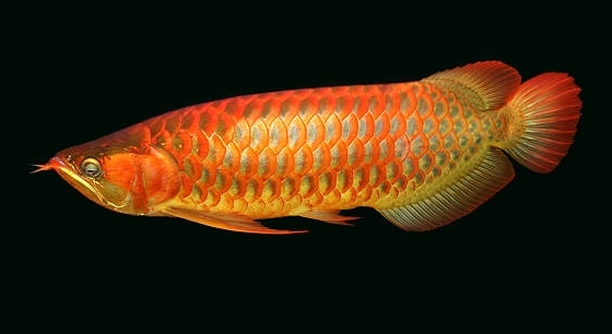
Feeding an arowana can feel simple, yet timing plays an important role in its health. Many owners notice their fish behave differently depending on when they receive food in the tank environment.
Arowanas should be fed shortly after the lights turn on. This timing aligns with their natural activity patterns, improves digestion, and reduces stress. Feeding during their active phase ensures they consume food efficiently and maintain optimal health.
Knowing the right timing can prevent feeding mistakes and promote a calmer, healthier fish. Understanding these details helps maintain a thriving aquarium environment.
Why Timing Matters for Arowana Feeding
Arowanas are naturally active during the day and tend to rest when the lights are off. Feeding them before the lights turn on can confuse their internal clock and make them less likely to eat properly. Over time, irregular feeding may affect their growth and overall health. I noticed that when I fed my arowana right after turning on the lights, it ate more eagerly and seemed more alert. The fish’s digestive system is also more active during this period, making it easier for them to process food efficiently. Feeding at the wrong time can lead to leftover food in the tank, which may foul the water and increase maintenance. Consistent timing also helps the fish recognize routine, reducing stress and encouraging regular swimming patterns. Arowanas benefit from structure, and a clear feeding schedule supports both their appetite and general well-being.
Feeding immediately after lights on maximizes intake and keeps the tank cleaner.
Regular feeding schedules build healthy habits. When I adjusted the timing, my arowana became noticeably more active and less picky with its meals. The fish also showed better growth patterns over a few weeks. Maintaining a predictable routine ensures that feeding times coincide with natural behavior, reducing wasted food and keeping the water quality stable. I found that using a timer for lights helps me stay consistent, making care much easier. Observation during these feeding times revealed the fish’s preferences and behavior changes, which I could respond to more effectively. Even small shifts in timing can have clear effects, showing how sensitive arowanas are to their environment. Adjusting feeding routines improved not only eating habits but also the tank’s cleanliness. Feeding during their active phase is a simple step with significant benefits, supporting both health and a calmer tank.
How to Feed Properly After Lights On
Start with small portions to ensure the fish can finish food quickly.
After lights come on, observe your arowana closely. Feed manageable amounts to prevent leftover food, which can pollute the water. I usually offer a mix of pellets and occasional frozen treats to provide variety. Watching the fish eat helps identify if it is healthy and ready for the day. If any food remains after a few minutes, it should be removed immediately to avoid water issues. Maintaining this practice consistently strengthens the fish’s feeding habits and overall health. Patience and attention during feeding are key, as overfeeding can be harmful while underfeeding slows growth. The water quality also improves when food is given in proper amounts at the right time. With routine, the fish starts recognizing the feeding period, swimming to the surface eagerly but calmly. Over time, this method reduced stress for both the fish and me, making feeding a smooth part of the day.
Feeding after lights on helps regulate appetite, activity, and digestion efficiently.
Consistent feeding improves fish health, reduces waste, and simplifies tank maintenance. Observing your arowana while feeding provides insight into its condition and preferences. Adjusting portions based on behavior ensures proper nutrition without overfeeding. Small adjustments, such as spreading the feed or varying types of food, can encourage natural hunting behaviors, keeping the fish stimulated. I found that a careful feeding routine prevents sudden changes in appetite and helps monitor early signs of illness. Over time, the arowana adapts to the schedule, leading to stronger digestion and better energy levels. Monitoring water quality alongside feeding routines maintains a stable environment, essential for long-term health. This method also minimizes stress, as the fish becomes accustomed to expected activity and meals. Proper feeding timing is a small step that significantly enhances the aquarium’s harmony and the arowana’s vitality.
Common Mistakes When Feeding Arowanas
Overfeeding is a frequent issue that can harm your fish. Many owners give too much food at once, thinking it’s better, but it often leads to poor water quality and stress.
I noticed that my arowana would sometimes leave half the food uneaten if portions were too large. This leftover food quickly started decomposing, affecting water clarity and increasing ammonia levels. Smaller, measured portions ensured the fish ate everything and digestion improved. Another mistake is feeding too early, before the lights turn on. This often makes the fish sluggish and uninterested in food. Consistency is essential. Once I set a clear feeding schedule after lights on, the fish became more alert, ate reliably, and water quality stayed stable. Proper portioning and timing together prevent health issues and make tank maintenance easier.
Feeding the wrong food type is another common problem. Many arowana owners rely only on pellets. While pellets are convenient, they lack variety. My fish responded better when I added occasional frozen or live treats. These additions mimic natural hunting and provide essential nutrients missing from pellets. Over time, I saw improved activity and better coloration. Avoid feeding human food, as it can upset digestion and cause illness. It’s also important to remove uneaten food promptly. A simple scoop after feeding keeps water cleaner and prevents bacteria growth. Attention to food type ensures your arowana thrives physically and mentally.
Benefits of Feeding at the Right Time
Feeding right after lights on supports natural behavior and digestion. The fish are more active and ready to eat, making feeding more efficient and enjoyable.
When I adjusted my arowana’s feeding schedule to match its active period, I noticed several improvements. The fish ate more eagerly and digested food better, resulting in less waste in the tank. Its swimming patterns became more predictable, reducing stress and aggression. Feeding during this active phase also helps maintain water quality, as food is consumed promptly rather than left to decompose. The fish’s metabolism aligns with its natural rhythm, enhancing growth and coloration. Over a few weeks, the overall tank environment stabilized, and maintenance became easier. Observing these changes reinforced the importance of timing in feeding routines.
Consistent timing also improves monitoring of health. I could quickly spot changes in appetite or behavior when feeding occurred at the same time daily. Irregular feeding often masks issues, making illness harder to detect early. Aligning feeding with activity patterns helps the fish maintain energy and proper nutrition. My arowana’s appearance and vitality improved noticeably. Even minor shifts in schedule can impact stress levels and digestion, showing how sensitive these fish are. Maintaining this routine creates a stable environment where the fish thrives and the tank remains cleaner. Proper timing strengthens both health and overall aquarium management.
Adjusting Feeding Based on Arowana Behavior
Watching your arowana’s behavior helps determine the best feeding routine. If it seems sluggish or ignores food, timing or portion size may need adjustment.
My arowana became more responsive once I fed it after lights on. Observing its swimming and appetite guided me in finding the right portion and type of food.
Portion Control and Frequency
Giving the right amount of food prevents waste and keeps water clean. I usually feed my arowana small portions two times a day. Overfeeding caused leftover food, which led to cloudy water and extra maintenance. Smaller, measured amounts made feeding predictable and reduced stress. Over time, the fish grew healthier and showed brighter coloration. Feeding frequency also matters. While some owners feed once daily, I found dividing the portions helps digestion and maintains energy levels throughout the day. Consistency in both portion and timing created a routine my arowana adapted to quickly, making the tank easier to manage.
Observing Appetite Changes
Appetite changes often signal health issues or environmental stress. Monitoring eating patterns helps address problems early.
FAQ
How much should I feed my arowana at each session?
Portion size depends on your arowana’s size and age. I usually start with small amounts that the fish can finish in three to five minutes. Overfeeding can cause water quality issues, while underfeeding slows growth. Gradually adjust the amount based on appetite and behavior. Observing how quickly your arowana finishes the food helps determine the proper portion. I found that dividing daily food into two smaller sessions works best, keeping digestion steady and preventing leftover food from fouling the tank.
Is it okay to feed my arowana only pellets?
Pellets are convenient but lack variety. I include occasional frozen or live treats to provide essential nutrients and mimic natural hunting behavior. Feeding only pellets may slow growth and affect coloration. Adding different types of food keeps the fish interested and promotes overall health. I rotate between pellets, small frozen fish, and insects to balance nutrition. Observation shows that variety also reduces picky eating. Treats should be offered in moderation to prevent overfeeding and maintain clean water.
Should I feed before turning on the lights?
Feeding before lights on usually results in less interest and reduced appetite. Arowanas are more active after lights are on, making this the optimal feeding time. I noticed my fish refused food early in the morning but ate eagerly after the lights were on. Feeding during their active period supports digestion, energy levels, and reduces leftover food.
How often should I feed my arowana?
Frequency depends on age. Young arowanas need two to three small meals per day, while adults often thrive on one or two meals. I feed my adult fish twice daily, giving smaller portions each time. Regular feeding intervals create a predictable routine, helping the fish stay active and healthy. Skipping meals occasionally is fine but should not become a habit.
What signs show my arowana is hungry or overfed?
A hungry arowana will swim actively near the surface and follow your hand. Overfed fish may refuse food, appear sluggish, or leave uneaten food in the tank. I noticed my fish became less active when I overfed, and water quality dropped quickly. Watching swimming patterns, appetite, and leftover food helps monitor feeding health.
Can feeding at the wrong time affect water quality?
Yes. Uneaten food decomposes and increases ammonia and nitrite levels. Feeding after lights on ensures the fish consumes food quickly. I experienced cleaner water and less maintenance when I adjusted feeding times. Promptly removing leftover food and monitoring portions further reduces water issues.
Are live foods necessary for an arowana’s diet?
Live foods are not essential but provide enrichment and nutritional benefits. I occasionally use live fish or insects to mimic natural hunting. They stimulate activity and improve muscle tone. Live food should be safe and free of disease. Overreliance is unnecessary if pellets and frozen foods provide balanced nutrition.
Is it okay to feed my arowana at night?
Night feeding is less effective. Arowanas are diurnal, meaning they are active during the day. I tried night feeding once, and the fish ignored most of the food. Sticking to daytime feeding aligns with natural behavior and reduces wasted food.
How do I know if my feeding routine is working?
Look for regular eating, active swimming, proper growth, and clean water. I keep a simple log of feeding times, portions, and behavior. Consistency in appetite and activity shows the routine is effective. Changes in any of these areas may signal adjustments are needed.
Can I give human food to my arowana?
Human food is not recommended. Items like bread, meat, or processed snacks can upset digestion and cause health problems. I stick to pellets, frozen, or live foods. Providing a proper diet keeps the fish healthy and prevents long-term issues.
Should I remove uneaten food immediately?
Yes. Leaving food in the tank can pollute water and promote bacterial growth. I use a small net to remove leftover portions after feeding. This simple step improves water quality and keeps the tank environment stable.
How long should a feeding session last?
Feeding should take only a few minutes. I feed until the fish finishes the food, usually three to five minutes. Prolonged sessions can stress the fish or result in overfeeding. Short, focused feeding ensures efficient consumption and maintains water quality.
Can feeding at the same time daily improve behavior?
Yes. Consistent timing creates routine, reducing stress and encouraging predictable activity. My arowana swims to the surface at the expected time and eats eagerly. This habit supports healthy digestion and overall tank stability.
Feeding an arowana may seem straightforward, but timing, portion, and type of food all matter for its health. I have learned that giving food at the right time makes a big difference in behavior and digestion. Feeding immediately after the lights turn on aligns with the fish’s natural activity patterns. During this period, arowanas are alert, ready to eat, and more likely to finish their meals completely. I noticed that when I followed this schedule consistently, the fish became more responsive, energetic, and easier to observe for health changes. Skipping this timing or feeding too early often left food uneaten and the fish less active. Over time, maintaining a consistent schedule helped the fish settle into a routine that reduced stress and encouraged natural movement patterns throughout the tank. Even small adjustments in timing made visible improvements in its energy levels and appetite.
Portion size is another important factor to consider. I learned that giving too much food at once can quickly create water quality problems. Uneaten food decomposes, leading to cloudy water and higher ammonia levels. Small, measured portions not only prevent waste but also support proper digestion. Dividing daily food into two smaller sessions works well for adult arowanas, while younger fish may require more frequent feedings. Observing how the fish responds to each portion is the easiest way to find the right amount. When my fish consistently finished its food within a few minutes, I knew the portion was correct. This approach also made tank maintenance simpler and reduced the risk of overfeeding. Food variety is important too. I found that combining pellets with occasional frozen or live treats provides nutrients that pellets alone cannot offer, keeps the fish interested, and mimics natural hunting behavior. A balanced diet improves color, muscle tone, and overall vitality.
Consistency in feeding also helps monitor health and detect early warning signs of illness. When feeding happens at the same time daily, it becomes easier to notice changes in appetite, swimming behavior, or energy. I saw that irregular feeding schedules sometimes masked these signs, making it harder to act quickly. Keeping a predictable routine creates stability in the tank environment, which benefits both the fish and the aquarium as a whole. Proper feeding habits not only support physical health but also improve the fish’s mental well-being. Over time, following a consistent, measured, and appropriately timed feeding schedule led to a happier, healthier arowana and a cleaner, easier-to-manage tank. Simple practices like timing, portion control, and monitoring behavior can make a noticeable difference in long-term fish care.

Hello,
If you enjoy the content that we create, please consider saying a "Thank You!" by leaving a tip.
Every little bit helps us continue crafting quality advice that supports the health, happiness, and well-being of pets around the world, for pets of all shapes, sizes, and species.
We really appreciate the kindness and support that you show us!