
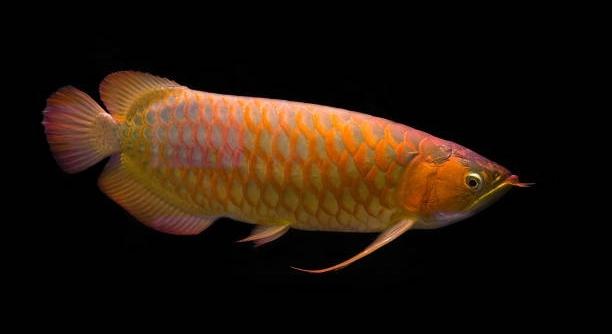
Are your arowanas acting differently, swimming erratically, or staying in corners more than usual? Observing these subtle changes in behavior can help you understand their wellbeing and notice signs of stress or confusion early.
Arowanas show signs of confusion or stress through irregular swimming patterns, loss of appetite, or constant hiding. Environmental changes, poor water quality, or incompatible tank mates are common causes affecting their physical and mental state.
Recognizing these signs allows you to take timely action and create a more stable, comfortable environment for your fish to thrive.
Common Signs of Stress in Arowanas
Arowanas under stress often display behaviors that are unusual for their normal routine. They may swim erratically, bump into tank walls, or avoid interaction entirely. Appetite changes are also common, with stressed fish sometimes refusing food for several days. Color fading can occur, as their vibrant scales dull when they are not feeling secure or comfortable. Some arowanas may become aggressive, snapping at other fish or reacting violently to minor disturbances. Stress can be caused by poor water quality, sudden changes in temperature, overcrowding, or incompatible tank mates. Observing these signs early is key to maintaining their health. Tank setup and consistent care play a crucial role in minimizing stress. Ensuring proper filtration, temperature, and a calm environment helps the fish feel safe. Regular observation allows you to intervene before minor issues escalate into serious health problems, promoting a more peaceful and stable tank atmosphere.
Early recognition of stress can prevent long-term health issues and promote a more comfortable habitat for your arowanas.
By keeping a close eye on behavior, feeding patterns, and interactions, you can detect subtle changes before they worsen. Stress often develops gradually, so noticing small signs, like hesitation during feeding or brief periods of hiding, can be invaluable. Maintaining consistent water parameters and avoiding abrupt changes are essential for preventing stress. Enrichment, such as hiding spots or floating plants, helps your arowana feel secure. Avoiding overcrowding and ensuring compatible tank mates also reduces tension. Adjusting light exposure and keeping a predictable routine supports their natural behavior. When necessary, quarantining new fish before introducing them to the tank prevents the spread of stress-inducing pathogens. Simple adjustments, such as more frequent water testing or small, gradual feeding changes, can dramatically improve overall well-being. Attending to both physical and environmental needs ensures your arowana remains active, vibrant, and healthy, reducing the likelihood of confusion or stress-related illnesses.
Causes of Confusion in Arowanas
Confusion in arowanas often results from sudden environmental changes or health issues affecting their behavior.
When arowanas become confused, it is typically linked to sensory disruptions or internal discomfort. Poor water quality, abrupt temperature shifts, and unfamiliar surroundings can disorient them. Neurological or digestive problems may also manifest as confused swimming or aimless drifting. Lack of proper lighting or insufficient hiding spaces can further increase confusion, leaving the fish unsure how to navigate its environment. In some cases, social dynamics with other fish can cause uncertainty, especially if arowanas are introduced to aggressive or dominant tank mates. Correctly identifying the cause requires careful observation and elimination of potential stressors. Monitoring water chemistry, maintaining consistent feeding schedules, and providing a structured habitat all help reduce confusion. Ensuring the fish have adequate space and environmental enrichment supports natural behavior patterns. With steady care and attention, many signs of confusion can be minimized, allowing your arowana to regain normal, confident movement throughout the tank.
Environmental Factors Affecting Arowanas
Water temperature and quality have a direct impact on arowanas’ behavior and health. Sudden changes in temperature, improper pH levels, or high ammonia and nitrite levels can cause stress. Filtration and aeration must be consistent to keep the environment stable.
Arowanas thrive in clean, well-oxygenated water with a stable temperature between 75°F and 82°F. Fluctuations in temperature or poor water circulation can confuse their natural instincts, leading to erratic swimming or refusal to eat. Overcrowded tanks also increase stress, as arowanas need sufficient space to swim freely. Introducing plants, hiding spots, and calm areas in the tank can help them feel secure, reducing confusion and aggression. Regular water tests and gradual adjustments prevent sudden shocks to their system. Maintaining consistent feeding schedules supports both mental and physical health, reinforcing natural behaviors.
Lighting and tank placement influence arowanas’ sense of security. Bright, direct light or frequent disturbances can make them anxious. Consistent routines and minimizing sudden changes help maintain their comfort. Observing their reactions to environmental shifts allows you to identify specific stressors. Regular cleaning, careful monitoring of water parameters, and thoughtful arrangement of decorations or hiding spots reduce environmental confusion. Over time, these adjustments create a more predictable and safe habitat, helping your arowanas move confidently, eat properly, and interact naturally. Consistency in care reinforces stability and overall wellbeing.
Diet and Nutrition Impact
Improper feeding routines or unbalanced diets can increase stress and confusion in arowanas. Irregular feeding times or poor-quality food often result in lethargy, aggression, or erratic swimming.
Arowanas require a varied diet to stay healthy and maintain energy levels. Relying solely on one type of food, such as pellets, can lead to nutritional deficiencies. Including live or frozen food like shrimp, small fish, or insects encourages natural hunting behaviors and keeps them mentally stimulated. Overfeeding should also be avoided, as excess food can degrade water quality, indirectly causing stress and confusion. Careful portioning, along with monitoring their appetite and digestion, ensures they receive the proper nutrients. A balanced diet, combined with clean water and consistent care, reduces behavioral issues and supports long-term health.
Supplements like vitamins and minerals may be necessary in some cases, especially if your arowana shows signs of fatigue or weakened immunity. Gradual changes in diet help prevent digestive upset, while varied textures and shapes of food can keep their interest and encourage natural instincts. Feeding in calm, undisturbed conditions reduces stress and reinforces positive behavior patterns. Observing how your arowana responds to different foods allows you to refine their diet for optimal energy, coloration, and overall wellbeing. Consistent nutrition forms a cornerstone of both physical and mental stability.
Tank Mates and Social Stress
Arowanas can become stressed when housed with aggressive or overly active fish. Territorial disputes and constant chasing lead to anxiety and confusion. Choosing compatible tank mates reduces tension.
Smaller, non-aggressive species are usually better companions. Avoid overcrowding and provide enough space for each fish to establish its territory.
Health Issues and Disease
Illnesses such as bacterial infections, parasites, or internal organ problems can cause erratic behavior in arowanas. Confusion, lethargy, or loss of appetite often signals underlying health concerns. Early detection and treatment are critical to prevent deterioration and restore normal activity. Proper quarantine for new fish helps limit disease spread.
Observation and Monitoring
Regular observation of behavior and tank conditions helps detect stress or confusion early. Keeping a routine log of feeding, activity, and water quality supports proactive care.
FAQ
How can I tell if my arowana is stressed?
Signs of stress in arowanas include erratic swimming, hiding constantly, refusing food, fading color, and unusual aggression. Stress often results from poor water quality, temperature fluctuations, overcrowding, or incompatible tank mates. Observing behavior changes early helps address problems before they affect health.
What are the main causes of confusion in arowanas?
Confusion usually arises from environmental changes or health problems. Sudden temperature shifts, poor water conditions, lack of hiding spots, or illness can make arowanas swim aimlessly or act disoriented. Consistent care, proper lighting, and structured feeding routines help reduce confusion.
How often should I test my tank water?
Testing water at least once a week is recommended. Key parameters include ammonia, nitrite, nitrate, pH, and temperature. Maintaining stable water conditions prevents stress and confusion, supporting your arowana’s overall health.
What foods help reduce stress in arowanas?
A balanced diet including pellets, frozen or live shrimp, small fish, and insects keeps your arowana healthy and mentally stimulated. Avoid overfeeding, as leftover food can harm water quality and contribute to stress. Supplements can support immune health when needed.
Can tank mates affect my arowana’s behavior?
Yes. Aggressive or highly active tank mates can cause stress or confusion. Non-aggressive, similarly sized fish usually work best. Ensure enough space and hiding areas to minimize tension. Observe interactions closely to prevent territorial disputes.
How does lighting impact stress levels?
Sudden changes in lighting or bright, direct light can make arowanas anxious. Consistent light schedules and soft, diffused lighting help them feel secure. Adjust lighting gradually if needed to avoid startling the fish.
When should I seek a veterinarian?
Consult a veterinarian if your arowana shows prolonged lethargy, unexplained weight loss, erratic swimming, or persistent refusal to eat. Early intervention prevents minor issues from becoming serious health problems. Proper diagnosis ensures effective treatment and recovery.
How can I prevent stress from environmental changes?
Introduce changes gradually. Adjust temperature slowly, avoid sudden water replacements, and ensure the tank layout is stable. Providing plants, rocks, and hiding spots reduces anxiety and encourages normal behavior. Monitoring water quality consistently is essential for long-term stability.
Does quarantine help reduce stress?
Yes. Quarantining new fish prevents the spread of disease and allows observation of behavior before adding them to the main tank. This reduces potential stressors for both existing and new fish. Quarantine tanks should have similar conditions to the main tank.
What daily habits support arowana well-being?
Observe behavior during feeding, note changes in activity or appearance, and check water parameters regularly. Feed balanced portions, maintain consistent lighting, and clean the tank as needed. Small, consistent efforts create a stable environment and reduce stress and confusion.
How do I know if stress is temporary or serious?
Short-term stress may cause brief hiding or reduced appetite, while serious stress leads to prolonged lethargy, rapid color loss, or erratic swimming. Continuous monitoring and tracking patterns help distinguish temporary discomfort from issues requiring intervention.
Can tank decorations influence stress or confusion?
Yes. Too few hiding spots or poorly arranged decorations can increase stress. Adequate shelters, plants, and structured areas give arowanas a sense of security. Avoid clutter that restricts swimming space. Adjust the tank layout gradually to prevent confusion.
What role does routine play in preventing stress?
A predictable feeding schedule, stable lighting, and consistent cleaning routines reassure arowanas. Predictability helps reduce anxiety, allowing them to develop confidence in their environment. Irregular routines often lead to behavioral issues.
Are there signs of recovery from stress?
Yes. A healthy arowana resumes regular swimming, eats consistently, displays normal coloration, and interacts calmly with tank mates. Gradual improvement indicates that environmental adjustments, proper nutrition, and care are effective.
How long does it take for a stressed arowana to recover?
Recovery depends on the severity and cause of stress. Minor issues may resolve in a few days, while chronic or severe stress could take weeks. Consistent water quality, proper diet, and stable conditions accelerate recovery.
Can stress affect growth?
Chronic stress can slow growth by reducing appetite and energy levels. Maintaining a stable environment, proper nutrition, and minimal disturbances promotes healthy development and overall vitality.
Are certain arowana species more prone to stress?
Some species are more sensitive to water changes, tank mates, and environmental fluctuations. Research the specific needs of your arowana species to provide ideal conditions, minimizing stress and confusion.
How can I safely adjust the tank if my arowana is stressed?
Make changes gradually, such as slowly adjusting temperature or rearranging decorations. Observe behavior closely after each adjustment. Sudden modifications can increase anxiety, while slow, steady improvements help the fish adapt and feel secure.
Is it normal for arowanas to hide a lot?
Temporary hiding is normal, especially after new introductions or environmental changes. Persistent hiding, however, often signals stress, illness, or confusion. Ensure hiding spots are available but monitor for prolonged inactivity or loss of appetite.
How do water currents affect stress levels?
Strong or irregular water currents can confuse or exhaust arowanas. Gentle, steady circulation is ideal. Adjust filters or pumps to maintain suitable flow without overwhelming the fish, promoting calm and natural swimming behavior.
Can stress cause aggression in arowanas?
Yes. Stressed arowanas may become territorial, snap at tank mates, or react aggressively to minor disturbances. Reducing environmental stressors, providing space, and choosing compatible companions helps prevent aggressive behavior.
How important is tank size for stress prevention?
Arowanas need ample swimming space. Small or overcrowded tanks lead to frustration, stress, and potential injury. Ensure the tank meets minimum size requirements for the species and allows freedom of movement to promote comfort.
Do seasonal changes affect arowanas?
Yes. Sudden seasonal temperature fluctuations or light variations can stress arowanas. Adjust water temperature gradually and maintain consistent lighting schedules to help them stay comfortable year-round.
Can I use stress-reducing products in the tank?
Some water conditioners and supplements claim to reduce stress. Use them carefully, following instructions, and only as a temporary measure. Long-term stability depends more on proper environment, diet, and care practices than chemical additives.
How often should I feed my arowana?
Feed juveniles 1–2 times daily, adults every other day, depending on size and appetite. Avoid overfeeding, which can harm water quality and contribute to stress. Consistency in feeding schedules supports overall health and natural behavior.
What is the link between stress and disease?
Stress weakens the immune system, making arowanas more susceptible to infections and parasites. Maintaining stable water conditions, proper nutrition, and minimal environmental disturbances helps prevent stress-related illnesses.
Are there behavioral exercises to reduce confusion?
Providing live or frozen prey encourages natural hunting instincts, which can reduce confusion and boredom. Interactive feeding, structured tank layout, and environmental enrichment stimulate mental and physical activity.
Can sudden noises or vibrations affect arowanas?
Yes. Loud or repeated noises, tapping on the tank, or vibrations can startle arowanas, causing temporary stress or disorientation. Minimizing disturbances around the tank promotes a calm environment.
How do I track long-term behavior changes?
Keep a simple log of feeding, swimming patterns, interactions, and water quality. Recording changes over weeks helps identify trends, detect stress early, and measure the effectiveness of adjustments to care or environment.
What is the role of quarantine in preventing confusion and stress?
Quarantining new or sick fish prevents disease introduction and reduces anxiety for established arowanas. Observing fish in isolation allows early detection of health issues, minimizing stress when they join the main tank.
How do I know if my arowana is truly comfortable?
Signs of comfort include active swimming, consistent appetite, bright coloration, and calm interaction with tank mates. Confidence in moving around the tank and exploring shows they feel secure and unstressed.
Can frequent tank maintenance stress arowana?
Yes, abrupt cleaning or frequent disturbances can create anxiety. Perform maintenance carefully and gradually, keeping some areas undisturbed. Consistency and gentle handling help the fish remain calm during necessary tank upkeep.
Is stress reversible in arowanas?
Most stress is reversible with proper care. Stabilizing water parameters, improving diet, minimizing environmental changes, and providing hiding spots help arowanas recover physical and mental well-being over time.
How do I balance water changes without causing stress?
Perform partial water changes gradually, maintaining temperature and chemistry close to the tank’s current conditions. Avoid large, sudden replacements. Regular, controlled water updates support health without triggering stress responses.
Do arowanas recognize their caretakers?
They may respond to familiar movements or feeding routines. Consistent, calm interaction can build recognition, but abrupt or rough handling can increase stress. Observing and interacting predictably helps maintain trust and comfort.
What role does tank layout play in stress management?
A clear swimming area combined with hiding spots creates a secure environment. Avoid overcrowding decorations or restricting movement. Gradual layout changes prevent confusion and promote confident behavior.
How can I encourage natural behavior in arowanas?
Provide live or frozen prey, sufficient space, hiding spots, and consistent environmental conditions. Natural behaviors, like hunting, exploring, and swimming patterns, reduce stress and enhance overall health.
Are some behaviors irreversible if stress persists too long?
Chronic stress may lead to stunted growth, weakened immunity, or persistent aggression. Early detection and intervention are critical. Reversing prolonged stress is possible but may take weeks or months of consistent care.
Can stress affect reproduction?
Yes. High stress can reduce breeding interest, impair egg quality, and affect overall reproductive success. Maintaining calm, stable conditions and proper nutrition supports healthy reproductive behavior.
How do I introduce new fish without causing stress?
Use gradual acclimation methods, such as floating the bag in the tank and slowly mixing water. Ensure new fish are compatible and provide hiding spots to reduce stress for both new and established arowanas.
What is the first step when noticing erratic behavior?
Check water parameters immediately. Temperature, ammonia, nitrite, nitrate, and pH issues often cause sudden behavioral changes. Correcting these factors can quickly reduce stress and confusion.
How do I differentiate between illness and environmental stress?
Illness usually presents with physical symptoms, like lesions, swelling, or fin rot, along with behavior changes. Environmental stress typically affects behavior first, such as hiding, erratic swimming, or reduced appetite. Observation and testing help determine the cause.
How important is tank size when introducing new fish?
Larger tanks reduce territorial disputes and stress. Adequate space ensures all fish can establish territories without constant confrontation. Overcrowding increases confusion and aggression, compromising overall health and well-being.
Can stress be contagious among arowanas?
Yes. Observing stressed behavior in one fish may trigger anxiety in others, especially in smaller tanks. Maintaining calm, stable conditions benefits all fish and reduces the spread of stress-induced behaviors.
Are there environmental cues that signal comfort or stress?
Calm, confident swimming, consistent eating, and exploring the tank indicate comfort. Rapid movements, hiding, or refusing food signal stress or confusion. Monitoring these cues allows early intervention.
What should I prioritize when multiple stress factors are present?
Address water quality first, then adjust diet, tank mates, and environment. Stabilizing the most impactful factors helps reduce overall stress efficiently. Consistent observation ensures interventions are effective.
How do I know if my interventions are working?
Improved appetite, normalized swimming, and relaxed interactions indicate progress. Keep tracking behavior, water parameters, and tank conditions to confirm recovery. Consistency in care ensures lasting results.
What minor changes can improve comfort quickly?
Gradual temperature adjustments, adding hiding spots, reducing light intensity, or introducing compatible companions can quickly reduce stress. Small, steady improvements often have an immediate positive effect on behavior.
Can stress affect lifespan?
Chronic stress can weaken immunity, slow growth, and increase susceptibility to disease, potentially shortening lifespan. Maintaining consistent care, stable environment, and proper nutrition supports long-term health.
How can I maintain long-term stability for my arowana?
Regular water testing, consistent feeding, careful monitoring of tank mates, and providing a predictable environment are essential. Maintaining routines and observing behavior closely prevents stress and confusion from developing.
What role does enrichment play in reducing stress?
Environmental enrichment, such as plants, hiding spots, and interactive feeding, stimulates natural behavior and reduces boredom. Engaging the fish mentally and physically promotes comfort, reduces stress, and supports overall well-being.
Is occasional hiding normal behavior?
Yes, hiding occasionally is natural. Persistent or extreme hiding indicates stress, illness, or confusion. Monitoring frequency and duration helps differentiate normal behavior from concern.
How can I prepare for unavoidable environmental changes?
Introduce changes gradually, adjust water parameters slowly, and maintain stable routines. Minimize disturbances and provide additional hiding spots to help the arowana adapt with minimal stress.
Can stress influence coloration?
Yes. Stress can cause dulling or fading of scales. Consistent care, stable water conditions, and proper nutrition help maintain vibrant colors and overall health.
Are some signs of stress subtle?
Yes. Small changes in swimming speed, minor appetite loss, or slight hiding may indicate stress. Careful observation and tracking help catch these subtle signs early.
Does tank location matter?
Placement near heavy foot traffic, vibrations, or noise can stress arowanas. Quiet, stable locations with consistent lighting support calm behavior and reduce anxiety.
Can temperature swings cause confusion?
Sudden temperature shifts disrupt metabolic and behavioral patterns, causing disorientation and erratic swimming. Gradual adjustments prevent confusion and help maintain stability.
How important is consistency in feeding times?
Predictable feeding schedules reduce anxiety and help the arowana feel secure. Irregular feeding can contribute to stress and behavioral issues over time.
What is the most common behavioral response to stress?
Hiding, reduced appetite, and erratic swimming are typical. Recognizing these early allows corrective action before serious health problems develop.
How can I improve social harmony in the tank?
Select compatible tank mates, provide ample space, and observe interactions. Separating aggressive fish or adding hiding spots reduces conflicts and promotes calm behavior.
Do arowanas require mental stimulation?
Yes. Interactive feeding and environmental enrichment prevent boredom and reduce stress. Stimulated fish are more confident and exhibit natural behaviors consistently.
Can I prevent stress completely?
Stress cannot be eliminated entirely, but consistent care, stable environment, proper nutrition, and compatible tank mates greatly reduce its frequency and severity.
How do I know if stress is affecting health?
Look for faded color, lethargy, abnormal swimming, loss of appetite, or weakened immunity. Early detection allows intervention before permanent damage occurs.
Are partial water changes stressful?
If done gradually and carefully, partial water changes are minimally stressful. Sudden, large changes can shock the fish and increase anxiety.
What is the best way to calm a stressed arowana?
Ensure water quality is stable, provide hiding spots, maintain consistent routines, and avoid sudden changes. Gradual, gentle adjustments reduce anxiety and confusion effectively.
How can observation prevent long-term issues?
Tracking behavior, appetite, and environmental conditions allows early detection of stress or confusion. Timely interventions prevent minor problems from becoming chronic, ensuring healthier, more confident fish.
Can stress affect appetite long-term?
Yes. Chronic stress can reduce feeding interest and slow growth. Stabilizing the environment and providing a balanced diet encourages normal eating behavior and overall health.
How do I minimize stress during cleaning?
Perform gradual partial water changes, avoid excessive tapping on the tank, and keep decorations mostly undisturbed. Calm, consistent cleaning helps maintain a secure environment.
Are live plants helpful for reducing stress?
Yes. Plants provide hiding spots, create natural boundaries, and reduce anxiety by mimicking arowanas’ natural habitat. They also support water quality and create a more comfortable environment.
Does overstocking increase stress?
Yes. Too many fish create competition for space and food, increase aggression, and lead to poor water quality. Adequate space prevents tension and supports normal behavior.
Can seasonal temperature control prevent confusion?
Maintaining steady water temperatures despite seasonal changes prevents disorientation and stress. Gradual adjustments and monitoring ensure the arowana remains comfortable year-round.
Are stress behaviors reversible with proper care?
Yes. Stabilizing environment, correcting diet, and minimizing disturbances help arowanas recover normal behavior, appetite, and coloration over time. Consistent attention is key to recovery.
How can I identify subtle signs of stress early?
Note minor changes in swimming, hiding frequency, coloration, and appetite. Keeping a log helps track trends, allowing prompt intervention before stress escalates.
Is erratic swimming always a sign of stress?
Not always. Temporary bursts of activity can be normal. Persistent or repetitive erratic swimming, especially combined with hiding or loss of appetite, usually indicates stress or confusion.
Can tank decorations reduce or increase stress?
Decorations can reduce stress by offering hiding spaces and defined territories. Poorly placed or overcrowded decor restricts movement, increasing anxiety. Proper layout supports comfort and confidence.
Does stress impact immune function?
Yes. Prolonged stress weakens the immune system, making arowanas more susceptible to infections and diseases. Preventing stress is critical for maintaining long-term health.
How important is routine observation?
Daily or frequent observation allows early detection of stress, confusion, or health issues. Monitoring behavior and environment supports timely intervention and ensures arowanas remain healthy and comfortable.
What is the link between stress and aggression?
Stress can trigger territorial or defensive aggression. Minimizing environmental stressors and providing sufficient space helps maintain calm and reduces conflict with other fish.
Can stress lead to long-term behavioral changes?
Yes. Chronic stress can cause persistent hiding, aggression, or reduced appetite. Early intervention is essential to prevent permanent negative behaviors.
How does feeding method influence stress?
Interactive feeding, like live or frozen prey, stimulates natural behavior and reduces stress. Predictable feeding routines also create security and confidence.
Are there signs of confusion that differ from stress?
Confusion often presents as aimless swimming, bumping into objects, or failing to navigate the tank. Stress may involve hiding, aggression, or appetite loss. Both require observation and intervention.
Can water chemistry changes trigger both stress and confusion?
Yes. Sudden shifts in pH, temperature, or toxin levels can cause both behavioral issues. Maintaining consistent water quality is essential to prevent these problems.
What is the best overall approach to prevent stress and confusion?
Provide stable water conditions, consistent feeding, appropriate tank
Final Thoughts
Arowanas are fascinating fish that can bring a lot of life and beauty to a home aquarium. At the same time, they are sensitive creatures that react strongly to changes in their environment. Stress and confusion in arowanas are not always obvious at first, but they can have a serious impact on the fish’s health and behavior if left unaddressed. Regular observation is key. By noticing small changes in swimming patterns, appetite, or social behavior, you can often detect stress early. Acting quickly to correct environmental issues, such as water quality, tank setup, or temperature fluctuations, helps the fish feel safe and secure. Even simple adjustments, like adding hiding spots or improving tank circulation, can make a noticeable difference in how comfortable and confident your arowana feels. Maintaining a stable, clean, and well-organized tank creates the foundation for long-term wellbeing and reduces the risk of behavioral problems.
Nutrition and diet also play a major role in supporting arowana health. A varied diet that includes high-quality pellets, live or frozen food, and occasional supplements helps ensure they receive the necessary nutrients for growth and energy. Feeding routines should be consistent and predictable, as irregular feeding can increase stress and lead to confusion or aggressive behavior. Overfeeding should be avoided, because uneaten food can affect water quality and create additional stress. Observing your arowana’s eating habits gives important clues about its overall health. When fish show changes in appetite, it often indicates that something in the tank or in their diet needs adjustment. Providing a balanced diet, along with stable environmental conditions, helps reinforce natural behaviors, keeps the fish active, and supports both physical and mental health.
Tank mates, space, and social conditions are also essential for maintaining calm and balanced behavior. Aggressive or incompatible fish can trigger stress, so it’s important to carefully select companions and monitor their interactions. Providing enough space for swimming and clear territories helps reduce tension. Environmental enrichment, such as plants, hiding spots, and structured layouts, also contributes to mental stimulation and comfort. Gradual introductions of new fish or changes in the tank prevent sudden anxiety. Overall, patience, attention, and consistency are essential. By keeping a close eye on behavior, water quality, feeding, and tank conditions, you can create an environment where your arowana feels safe, healthy, and confident. With steady care, many signs of stress or confusion can be prevented or corrected, allowing your fish to thrive for years.

Hello,
If you enjoy the content that we create, please consider saying a "Thank You!" by leaving a tip.
Every little bit helps us continue crafting quality advice that supports the health, happiness, and well-being of pets around the world, for pets of all shapes, sizes, and species.
We really appreciate the kindness and support that you show us!