
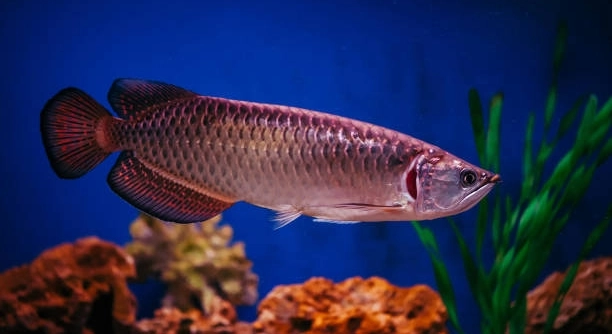
Have you ever noticed your arowana slowly moving around its tank, seemingly watching everything with interest? These fish are graceful and striking, yet their behavior often shows that they are more aware of their surroundings than most people realize.
Arowana display curiosity through distinct behaviors such as exploring new objects, following movement outside the tank, reacting to changes in lighting, and investigating food. These actions indicate cognitive awareness, environmental engagement, and a natural instinct to interact with stimuli in their habitat.
Observing these behaviors can give you a better understanding of your arowana’s personality and help you create a more engaging environment for it.
Investigating New Objects
Arowanas are naturally drawn to anything new in their environment. When I added a small floating decoration to the tank, I noticed my fish slowly approaching it, circling, and gently nudging it with its mouth. This behavior is a clear sign of curiosity and assessment. They are not just reacting instinctively—they are evaluating. New objects challenge them mentally and encourage physical activity, which is essential for their health. Watching them inspect the item, I realized how attentive they are to changes around them. Arowanas use their lateral line system to sense vibrations and movements, which helps them understand unfamiliar objects. Over time, introducing new items can help reduce boredom in captivity. It also allows them to express natural behaviors that might otherwise go unnoticed. By observing carefully, it becomes clear that these fish are not passive; they are constantly learning and adapting.
Exploring new objects helps arowanas stay alert and mentally active. Their curiosity is a vital part of healthy behavior.
Regularly changing their environment can stimulate interest, reduce stress, and foster natural investigative behavior. Small additions encourage movement and interaction, keeping them engaged.
Following Movements Outside the Tank
Arowanas often track activity beyond the glass of their tank.
When I move around the room, my arowana frequently follows my motions with smooth, deliberate movements. This response is not random; it shows a keen awareness of surroundings and an ability to focus attention. They watch reflections, shadows, and even minor movements, demonstrating both intelligence and attentiveness. Observing this, I realized that their curiosity extends beyond objects inside the tank—it includes anything that enters their line of sight. Such behavior suggests that arowanas are not only reactive but also proactive in their exploration. Consistent interaction with visual stimuli can strengthen their alertness and responsiveness. Providing an environment where they can safely observe external movements supports mental engagement. It also allows the fish to express instinctive behaviors, like stalking or assessing potential threats, even if there is no actual danger present. Watching them follow movements can be surprisingly rewarding and gives insight into their cognitive capabilities, reminding me that these fish have personalities and preferences worth noticing and accommodating in their daily care.
Reacting to Changes in Lighting
Arowanas often respond quickly when the lighting in their tank shifts. Sudden dimming or brightening catches their attention, prompting careful observation and cautious movement.
When I adjusted the aquarium lights to mimic a sunset, my arowana slowed down, turned toward the new glow, and swam close to the glass. These fish notice subtle changes and seem to assess their surroundings, adjusting their behavior accordingly. Their sensitivity to light is part of their natural instinct, helping them detect movement and potential food or threats. Over time, I learned that gradual lighting changes keep them comfortable, while sudden shifts spark curiosity. Watching their reactions made me appreciate how finely tuned their senses are and how they use these cues to explore and understand their environment. It also reminded me that their behavior is more than reflex—it’s a form of learning and engagement that benefits both their mental and physical health.
Lighting changes encourage arowanas to explore and pay attention. These shifts stimulate curiosity and alertness, making their tank more engaging.
Investigating Food Appearance
Arowanas display strong curiosity when new food is introduced. Their approach is deliberate, cautious, and highly observant, showing an evaluation of the item before eating.
I noticed that when I dropped a new type of pellet into the tank, my arowana slowly circled it, paused, and tapped it lightly with its mouth. This behavior indicated careful assessment, ensuring it was safe to consume. They often swim around the food, observing how it moves and interacts with water currents. Sometimes, they even push it gently to test texture or size. These behaviors demonstrate that arowanas are not impulsive eaters—they rely on their senses to gather information. This investigative approach can extend to live food or treats like small shrimp, where their natural hunting instincts combine with curiosity. Watching this behavior reinforced that feeding time is both a nutritional and mental exercise, keeping the fish engaged, alert, and satisfied.
Observing food interactions provides insight into an arowana’s intelligence and curiosity. Their deliberate movements reveal careful evaluation and natural instinct.
Exploring Tank Corners
Arowanas often swim to corners they rarely visit. This behavior shows interest in all areas of their habitat, not just the open space.
I noticed my arowana spending extra time near a far corner after adding a small rock. It circled slowly, inspected the area, and sometimes rested nearby, showing curiosity about previously ignored spaces.
Watching Reflections
Reflections on the glass can captivate arowanas. They may approach, tilt their heads, and follow the mirrored image. Observing this behavior highlights their attentiveness and tendency to investigate visual stimuli, even if it is just themselves.
Interacting with Tank Equipment
Filters, heaters, and air stones often attract arowanas’ attention. My fish frequently swims near the filter, nudges it, and watches the bubbles closely. These interactions demonstrate exploration and curiosity toward moving or unfamiliar objects.
Swimming Patterns Change
Arowanas adjust their swimming patterns when curious. They may move slowly, circle objects, or pause frequently to observe surroundings. These changes indicate mental engagement and awareness, reflecting natural exploratory behavior in their environment.
How can I tell if my arowana is curious or stressed?
Curiosity in arowanas is usually shown by slow, deliberate movements, careful inspection of new objects, or following movement outside the tank. Stressed fish, however, tend to hide, dart frantically, or show erratic swimming. I noticed my fish approaching new decorations calmly and circling them before interacting, which always indicated curiosity rather than stress. Regular observation is key because behavior changes can be subtle.
Why does my arowana follow my movements around the room?
Arowanas are highly aware of their environment. When I walk by the tank, my fish tracks me smoothly, tilting its head and adjusting speed to maintain focus. This behavior is natural and stems from their instinct to observe potential prey or changes around them. Following movement demonstrates attentiveness, not aggression. Over time, I realized that they enjoy tracking activity and remain alert, which also helps maintain mental stimulation. This curiosity is part of their intelligence and natural instincts in both feeding and territorial behaviors.
Is it normal for my arowana to react to lighting changes?
Yes. Arowanas are very sensitive to light, noticing sudden shifts or gradual changes. I once dimmed the lights for a sunset effect, and my arowana paused, tilted, and observed the tank before swimming calmly. Such reactions show curiosity and alertness. These fish use light cues to detect movement, potential food, or threats. Gradual lighting changes encourage engagement, while abrupt changes may startle them. Observing these responses helped me understand their perception and adjust tank conditions for comfort and stimulation.
Why does my arowana inspect new food before eating?
Arowanas are careful eaters. They circle, tap, or nudge new food before consuming it. I noticed this when introducing a new pellet type; my fish approached slowly, tested it lightly, then ate. This behavior reflects natural instinct and curiosity, not hesitation. Evaluating food ensures safety and engages their senses, combining observation, tactile feedback, and decision-making. Feeding time becomes an exercise for both body and mind, helping them stay alert. Over time, I saw this careful inspection apply to live food as well, showing consistent investigative behavior.
Do arowanas interact with tank equipment out of curiosity?
Absolutely. Filters, heaters, and air stones often attract attention. My arowana swims near the filter, nudges it, or follows bubbles, showing investigative behavior. These interactions are not random—they test texture, movement, and water flow. Watching this behavior has shown me that curiosity in arowanas extends beyond food and objects to anything that changes the tank environment. This interaction keeps them engaged and encourages natural behaviors. Regularly observing these moments can help identify what stimulates or interests them most.
How can I encourage curiosity in my arowana?
Introducing new objects, occasionally adjusting lighting, and providing varied food types stimulates interest. I noticed that my fish became more active and alert when I added a floating decoration or new pellet type. Observing movement outside the tank also keeps them engaged. These actions provide mental stimulation and enrich the tank environment. Avoid overcrowding the tank or making sudden changes, as this may cause stress. Gradual, safe introductions work best. Curiosity thrives when their surroundings are varied, predictable enough to feel secure, yet new enough to inspire investigation and engagement.
Can observing curiosity help with overall health?
Yes. Curious behavior indicates mental alertness, environmental engagement, and low stress levels. I’ve found that when my arowana interacts with objects, reacts to lighting, or follows movement, it shows signs of well-being. Lack of curiosity may signal boredom, illness, or stress. Encouraging curiosity through enrichment, observation, and varied feeding practices supports both mental and physical health. Watching how they explore allows me to respond quickly if behavior changes, ensuring their long-term welfare. Maintaining a stimulating environment fosters natural behaviors, making the fish more active, happier, and less prone to health issues.
How do arowanas show curiosity toward reflections?
They often approach mirrored surfaces, tilt their heads, and follow their own image. I observed my arowana interacting with its reflection for several minutes, appearing cautious yet interested. This shows visual investigation and awareness. While it is not social behavior, it demonstrates attentiveness and exploration. Reflections mimic movement, which can intrigue them and encourage physical activity. I noticed that brief reflection periods keep my fish engaged without causing frustration, making it a simple way to stimulate curiosity while observing natural behavior patterns in the tank.
Observing arowanas can be surprisingly rewarding. These fish are not just beautiful to look at; they display a clear sense of awareness and curiosity in many ways. From approaching new objects to following movement outside their tank, arowanas engage with their environment thoughtfully. Their behavior often reflects careful observation, as they assess unfamiliar items before interacting. Over time, I have noticed how they investigate every corner of the tank, respond to changes in lighting, and examine new food carefully. These behaviors are not random; they show intelligence and natural instincts that help them adapt to their surroundings. Watching an arowana’s curiosity unfold makes it clear that these fish are active participants in their habitat rather than passive creatures. Providing an environment that allows them to explore, investigate, and observe helps them remain mentally and physically healthy, and it can also deepen the connection between the fish and their caretaker.
Creating a stimulating environment is important for encouraging curiosity. Small changes in the tank, like introducing decorations or adjusting lighting gradually, can capture an arowana’s attention and encourage exploration. Even the way food is presented can make a difference, as arowanas often inspect and test new items before eating. I have seen how these small adjustments can lead to longer periods of observation and interaction, keeping the fish engaged and active. Tanks with varied objects, clear sightlines, and enough space for movement allow arowanas to express natural behaviors safely. These activities are not only entertaining to watch but also beneficial for their overall well-being. When curiosity is encouraged, the fish are more likely to explore consistently, engage with their environment, and remain alert. In my experience, arowanas that are given opportunities to investigate show fewer signs of stress and are more responsive to their surroundings, which makes caring for them more rewarding.
Understanding arowanas’ curiosity can also help in long-term care. Observing how they react to new objects, lighting, or food can reveal their preferences and indicate when something is amiss. When a fish loses interest in exploring or shows unusual avoidance behavior, it may signal health issues or discomfort, prompting timely adjustments. In my own tank, paying attention to these small behaviors has allowed me to make better decisions regarding tank setup, feeding routines, and enrichment. By respecting their natural curiosity and providing opportunities to explore, arowanas stay active, mentally stimulated, and happier in captivity. Recognizing that their curiosity is a sign of intelligence and engagement makes it easier to create an environment where they thrive. Overall, supporting an arowana’s inquisitive nature strengthens both their health and the satisfaction of keeping them, showing that even simple observation can lead to better care and a deeper understanding of these fascinating fish.

Hello,
If you enjoy the content that we create, please consider saying a "Thank You!" by leaving a tip.
Every little bit helps us continue crafting quality advice that supports the health, happiness, and well-being of pets around the world, for pets of all shapes, sizes, and species.
We really appreciate the kindness and support that you show us!