Do Cherry Shrimp Show Mating Preferences?
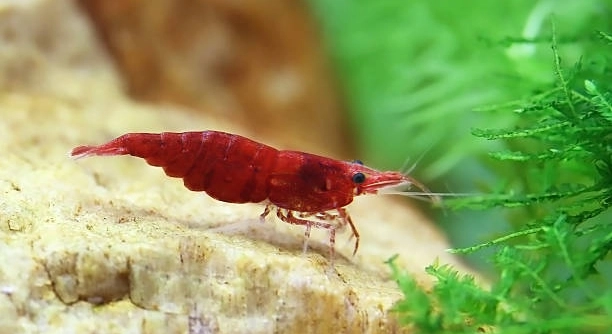
Many aquarists enjoy watching their cherry shrimp explore the tank, and it can be interesting to notice how their interactions change when breeding behaviors begin to appear in a peaceful and balanced aquatic environment daily. Cherry shrimp demonstrate selective mating behaviors influenced by factors such as color intensity, health, and overall vitality. These preferences shape … Read more
Why Are Cherry Shrimp Darting Across the Tank?

Are your cherry shrimp suddenly racing around the tank, leaving you unsure about what their sudden burst of movement might mean for their comfort and health in your aquarium setup each day you watch them? Cherry shrimp typically dart across the tank due to environmental stress, sudden changes in water parameters, or natural exploratory behavior. … Read more

Can Cherry Shrimp Get Disoriented in Strong Flow?

Do you ever notice your cherry shrimp moving differently when the water flows faster than usual? Their tiny bodies can react in unexpected ways, making their usual graceful swimming appear somewhat shaky or confused. Cherry shrimp can become disoriented in strong water flow. High currents interfere with their ability to maintain balance and direction, causing … Read more

7 Signs Cherry Shrimp Are Living Stress-Free

Cherry shrimp are small, colorful freshwater creatures that bring life to any aquarium. Watching them swim and interact can be calming, but understanding their behavior helps ensure they thrive in a healthy environment. Observing them closely can reveal much. Cherry shrimp display clear signs of being stress-free when they actively explore their surroundings, maintain vibrant … Read more

Do Cherry Shrimp Like Consistent Tank Layouts?

Cherry shrimp are small, colorful freshwater creatures that bring life to aquariums. Their movements and behaviors can be fascinating, especially when observing how they interact with their surroundings. Many owners enjoy arranging tanks thoughtfully. Cherry shrimp generally prefer consistent tank layouts as sudden changes can cause stress and disrupt their natural behaviors. Maintaining stable decorations, … Read more

7 Tank Setups Shrimp Keepers Swear By

Keeping shrimp can be both relaxing and rewarding, but setting up the right tank requires careful planning. Even small mistakes can affect their health and growth. Many hobbyists spend years finding setups that truly work well. The most effective tank setups for shrimp involve stable water parameters, proper filtration, adequate hiding places, and suitable substrate. … Read more

7 Early Signs of a Shrimp About to Molt

Have you ever noticed your shrimp acting a bit unusual in the tank? Observing their behavior closely can reveal important changes. These small creatures go through molting, and their actions often give subtle early warnings before it happens. Shrimp exhibit distinct physical and behavioral indicators before molting. Common signs include reduced activity, hiding, color changes, … Read more

Why Shrimp Might Prefer Floating Plants

Many shrimp owners notice their tiny pets spending most of their time near the top of the tank. Floating plants seem to attract them, offering both shelter and a place to explore safely in their environment. Shrimp are naturally drawn to floating plants because these plants provide shade, reduce water stress, and offer surfaces for … Read more

7 Tips for Creating a Peaceful Shrimp Zone

Creating a peaceful environment for your shrimp can make a big difference in their health and behavior. Small changes in the tank setup, water conditions, and decorations can help them thrive and reduce stress. Maintaining a stable and harmonious shrimp habitat requires attention to water quality, temperature, hiding spaces, and compatible tank mates. Proper tank … Read more

7 Ways to Tell If Your Shrimp Are Overfed

Keeping shrimp healthy in a home aquarium requires careful feeding habits. Overfeeding can easily happen, even with the best intentions, leading to water quality issues and stress for your shrimp. Observing their behavior is essential. Overfeeding shrimp can be identified through visible signs such as uneaten food, cloudy water, abnormal growth, lethargy, or irregular molting … Read more