
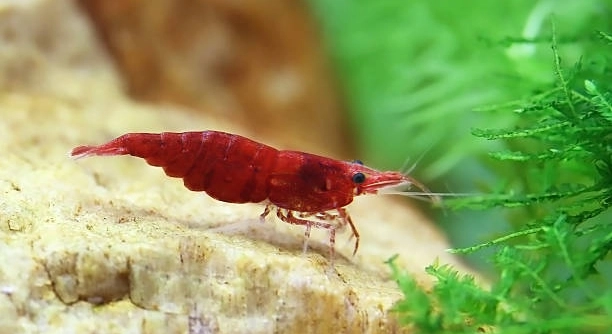
Creating a peaceful environment for your shrimp can make a big difference in their health and behavior. Small changes in the tank setup, water conditions, and decorations can help them thrive and reduce stress.
Maintaining a stable and harmonious shrimp habitat requires attention to water quality, temperature, hiding spaces, and compatible tank mates. Proper tank management ensures shrimp can feed, molt, and reproduce without unnecessary disturbances, supporting overall well-being and longevity.
Following these guidelines will help your shrimp feel safe and comfortable, encouraging natural behaviors and a balanced, thriving community in your aquarium.
Choosing the Right Tank Size
A tank that is too small can cause stress and aggression among shrimp. A larger tank allows them to spread out, reducing conflicts and providing space for natural behaviors. Shrimp need room to explore, hide, and feed without constantly competing for resources. Plants, rocks, and driftwood can help break open areas and create a sense of security. Proper water circulation and filtration are easier to maintain in a well-sized tank, which helps keep water quality stable. Crowded conditions increase the risk of disease and molting problems. Even small species benefit from extra space. A 10-gallon tank is often recommended for beginners, while larger tanks allow more flexibility for adding decorations or tank mates. Carefully planning the layout ensures each shrimp has a safe spot, which reduces stress and improves overall activity. Regular observation of their behavior helps identify areas of overcrowding or tension before problems arise.
Choosing an appropriately sized tank ensures shrimp have enough space to thrive and remain stress-free.
Providing a larger environment not only improves water stability but also encourages natural behaviors, molting, and healthier growth patterns. Proper tank size is a foundational step for creating a peaceful shrimp zone, giving them room to hide, explore, and interact safely. With thoughtful placement of plants and structures, each shrimp can find its own space, reducing stress and competition. This simple step lays the groundwork for a harmonious aquarium where shrimp can thrive and reproduce effectively.
Maintaining Water Quality
Water quality directly affects shrimp health and behavior. Consistent testing and regular water changes are essential.
Stable parameters, including pH, temperature, and hardness, reduce stress and prevent illness.
Shrimp are highly sensitive to changes in water conditions. Sudden shifts in temperature or pH can lead to molting issues, loss of appetite, or even death. Using a reliable filter and performing partial water changes weekly helps keep ammonia, nitrite, and nitrate levels in check. Adding plants not only provides hiding spots but also helps naturally absorb excess nutrients. Dechlorinated water prevents chemical burns and promotes a safe environment. Monitoring water parameters with test kits ensures that any problems are caught early. Small adjustments over time are more effective than sudden changes. By maintaining stable, clean water, shrimp are more likely to display natural behaviors, feed well, and reproduce successfully. Keeping a consistent routine for testing and maintenance is key to supporting their long-term health and peace in the tank.
Providing Hiding Spots
Hiding spots help shrimp feel secure and reduce stress. Plants, caves, and driftwood give them places to retreat during molting or when feeling threatened.
Dense plant growth and strategically placed decorations allow shrimp to move freely while maintaining safety. Moss, ferns, and small rock structures offer protection and comfort. These areas also encourage natural grazing, as shrimp feed on biofilm and algae that grow on surfaces. Providing multiple hiding spots prevents territorial disputes and reduces aggression from tank mates. Over time, shrimp become more active and confident when they have safe zones to explore. Including a mix of open swimming areas and sheltered retreats creates a balanced environment. Observing shrimp behavior can help determine if more cover is needed or if certain areas are underused. Well-planned hiding spots enhance overall well-being and improve the health of the entire shrimp community.
Consistent hiding areas encourage shrimp to molt safely, feed comfortably, and interact naturally within their environment.
Hiding spots are essential for peaceful shrimp behavior. They reduce stress, prevent injuries, and allow shy shrimp to establish a sense of territory. Even in smaller tanks, providing vertical and horizontal cover gives every shrimp a safe space. By combining live plants with natural decorations, you can create a visually appealing and functional habitat. Careful placement ensures no shrimp is left exposed, and all have access to food and shelter. Over time, the shrimp will display more natural, confident behaviors, making the tank a calmer, healthier ecosystem overall.
Controlling Tank Mates
Choose tank mates that are small, non-aggressive, and unlikely to prey on shrimp. Compatibility reduces stress and promotes a peaceful environment.
Avoid fish or invertebrates that nip or chase shrimp. Small snails, peaceful fish, and other non-aggressive species are better companions.
Shrimp are delicate and vulnerable to larger or more aggressive tank mates. Fish like tetras, guppies, or dwarf rasboras often coexist well, while larger cichlids or active bottom dwellers may cause stress. Monitoring interactions between species is important, especially during molting periods when shrimp are most vulnerable. Snails and peaceful invertebrates can add diversity without threatening the shrimp. Providing plenty of hiding spots helps minimize encounters with curious or slightly aggressive tank mates. Proper selection and observation create a balanced, low-stress environment, allowing shrimp to feed, molt, and reproduce without constant threats. Peaceful cohabitation supports long-term health and maintains harmony in the tank.
Feeding Properly
Feed shrimp small amounts several times a day. Overfeeding can pollute the tank and stress shrimp.
Use high-quality shrimp pellets or blanched vegetables. Remove uneaten food promptly to maintain water quality and prevent harmful bacteria growth.
Monitoring Molting
Shrimp need a calm environment to molt safely. Disturbances can lead to incomplete or failed molts, which may be fatal.
Provide hiding spots and stable water conditions during molting. Observing shrimp carefully ensures they have the space and security needed to shed their exoskeletons successfully.
Maintaining Consistent Lighting
Consistent lighting supports shrimp activity and plant growth. Avoid sudden changes that can stress shrimp.
FAQ
How often should I change the water in my shrimp tank?
Performing regular water changes is crucial for maintaining stable water parameters. For most small to medium shrimp tanks, changing about 10-20% of the water weekly is sufficient. Larger tanks may require less frequent changes, but monitoring water quality is always important. Regular partial water changes help remove excess nutrients, reduce nitrates, and maintain overall cleanliness. Using dechlorinated water at the same temperature as the tank prevents stress. Observing shrimp behavior can indicate if water quality needs attention, as lethargy or decreased feeding often points to deteriorating conditions.
What types of plants are best for a peaceful shrimp tank?
Live plants are ideal because they provide hiding spots, grazing surfaces, and help absorb excess nutrients. Mosses, Java fern, and Anubias are popular choices due to their hardiness and slow growth. Floating plants can reduce light intensity and offer additional cover. Plants like mosses also encourage biofilm growth, which serves as a natural food source for shrimp. Incorporating a variety of plant types ensures there are both dense areas for hiding and open spaces for swimming. Healthy plants contribute to a balanced ecosystem, making the tank more stable and shrimp-friendly over time.
Can I keep shrimp with fish?
Yes, but only with small, non-aggressive fish. Fish that chase, nip, or prey on shrimp should be avoided. Suitable companions include dwarf rasboras, small tetras, and peaceful snails. Observing interactions is essential, especially during molting when shrimp are vulnerable. Overcrowding with fish can stress shrimp and reduce feeding opportunities. Providing ample hiding spaces further protects them from potential harassment. Keeping compatible species ensures shrimp remain active, healthy, and reproduce successfully while minimizing conflicts. Careful selection of tank mates and continuous monitoring are key to maintaining a calm environment.
How do I prevent my shrimp from escaping?
Shrimp are skilled climbers and may leave the tank if there are gaps in the lid or filter openings. Ensure all openings are properly covered and secure. Using fine mesh over filters or tank tops prevents shrimp from escaping while still allowing proper water flow and air exchange. Monitoring water levels and maintaining a snug lid helps avoid accidental escapes. Even small gaps can allow juveniles or tiny shrimp to climb out. Securing the tank carefully ensures they remain safe and prevents the stress or loss caused by escapes.
Why are my shrimp hiding more than usual?
Excessive hiding often indicates stress or environmental issues. Common causes include sudden water parameter changes, aggressive tank mates, or lack of hiding spots. Molting periods also make shrimp retreat more frequently. Observing water conditions and adjusting as needed helps identify the source. Adding more plants or decorations can reduce stress and create a more comfortable environment. Ensuring stable temperature, pH, and proper feeding encourages shrimp to become more active. Regular observation and addressing environmental concerns quickly helps maintain a healthy, peaceful tank.
What should I feed my shrimp for optimal health?
Shrimp thrive on a varied diet that includes high-quality pellets, blanched vegetables, and occasional protein sources like frozen or live foods. Overfeeding should be avoided, as uneaten food can pollute the water. Supplementing with algae wafers or biofilm encourages natural grazing behavior. A balanced diet supports molting, growth, and reproduction. Rotating food types ensures nutritional diversity. Removing leftover food promptly maintains water quality and prevents bacterial growth. Observing how shrimp consume different foods helps adjust portions and timing. Providing a consistent feeding routine fosters a healthier, calmer shrimp community.
How do I know when my shrimp are stressed?
Signs of stress include hiding constantly, reduced feeding, faded colors, or lethargy. Molting issues and sudden deaths may also indicate poor conditions. Monitoring water parameters, observing behavior, and checking for aggressive tank mates can help identify the cause. Correcting environmental problems quickly reduces stress and supports recovery. Providing hiding spots, maintaining stable water conditions, and keeping compatible tank mates are all effective ways to prevent stress. Consistent observation ensures problems are noticed early, keeping shrimp active, healthy, and safe in their habitat.
Can I keep different shrimp species together?
Some species can coexist if they have similar water requirements and temperaments. Conflicting needs, such as differences in temperature, pH, or aggression levels, can create stress or competition. Research compatibility before mixing species. Providing enough space, hiding spots, and food reduces conflicts and encourages peaceful cohabitation. Monitoring interactions over time ensures one species does not dominate or harm another. Careful planning and observation are essential to maintain a stable and harmonious multi-species shrimp tank.
How do I handle shrimp during molting?
Avoid disturbing shrimp during molting, as they are vulnerable. Provide plenty of hiding spots to reduce stress. Ensure stable water parameters and high water quality to support safe molting. Inadequate conditions can lead to incomplete molts or injury. Observing them discreetly allows you to check progress without causing harm. If water conditions are ideal, shrimp usually molt successfully on their own. Proper preparation and care during this period are critical for their health and long-term survival.
Why is my shrimp population not growing?
Low reproduction can result from stress, poor water quality, insufficient hiding spots, or incompatible tank mates. Shrimp need stable conditions and a calm environment to breed successfully. A well-planted tank with clean water encourages natural reproduction. Avoid overcrowding and provide enough food for both adults and juveniles. Monitoring parameters like temperature, pH, and hardness ensures conditions remain optimal. Addressing these factors improves breeding success and supports a thriving shrimp community. Patience is important, as healthy shrimp populations grow gradually under the right circumstances.
This FAQ covers essential topics for creating a peaceful shrimp zone, ensuring proper care, feeding, habitat, and reproduction while minimizing stress and conflicts.
Creating a peaceful shrimp zone takes time, attention, and careful planning. Every detail, from tank size to water quality, influences how comfortable your shrimp feel in their environment. Small adjustments, like adding hiding spots or monitoring water parameters, can make a big difference in reducing stress and promoting natural behavior. Consistency is key—regular maintenance, feeding routines, and observation help maintain stability and prevent problems before they escalate. A tank that is thoughtfully arranged and regularly cared for allows shrimp to thrive and display their natural colors, movement, and social behaviors. Even small changes, like adding moss or rearranging decorations, can provide new areas for exploration and shelter, making the tank feel safer for each shrimp. By paying attention to these details, you are creating more than just a habitat; you are establishing a balanced and functional ecosystem that supports long-term health and well-being.
Water quality remains one of the most critical factors for a peaceful shrimp environment. Stable pH, temperature, and hardness, along with low levels of ammonia, nitrites, and nitrates, reduce stress and prevent disease. Regular water testing and partial water changes help maintain these conditions. Shrimp are particularly sensitive to sudden changes, so careful monitoring and gradual adjustments are necessary. Providing a calm and stable environment allows shrimp to feed, molt, and reproduce successfully without unnecessary strain. Tank mates also play a role in maintaining peace. Choosing compatible species and avoiding aggressive or predatory fish ensures that shrimp can interact safely and confidently. Adequate hiding spaces complement this by giving each shrimp a safe retreat when needed, further reducing stress and encouraging natural behaviors. When water and environment are carefully managed, shrimp display healthier growth, better coloration, and more active and social behavior.
Feeding, habitat setup, and observation all work together to create a harmonious shrimp tank. Providing a varied diet ensures proper nutrition and supports growth and molting. Strategically placing plants, rocks, and decorations gives shrimp spaces to explore and hide, while maintaining open swimming areas encourages activity. Observing shrimp regularly helps detect early signs of stress or illness and allows for timely adjustments. Attention to detail in every aspect of care builds a thriving environment where shrimp can reproduce and live comfortably. Patience and consistency are essential; it takes time for shrimp to adjust and for the tank to reach balance. Over time, a well-maintained and thoughtfully arranged tank becomes a calm, peaceful habitat where shrimp can flourish, giving you a healthy, vibrant, and enjoyable aquarium.

Hello,
If you enjoy the content that we create, please consider saying a "Thank You!" by leaving a tip.
Every little bit helps us continue crafting quality advice that supports the health, happiness, and well-being of pets around the world, for pets of all shapes, sizes, and species.
We really appreciate the kindness and support that you show us!