
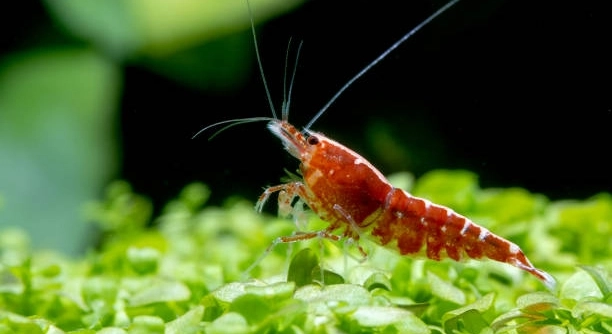
Keeping shrimp can be both relaxing and rewarding, but setting up the right tank requires careful planning. Even small mistakes can affect their health and growth. Many hobbyists spend years finding setups that truly work well.
The most effective tank setups for shrimp involve stable water parameters, proper filtration, adequate hiding places, and suitable substrate. Popular arrangements include planted tanks, moss-rich environments, and low-maintenance systems that promote breeding and reduce stress. These configurations support shrimp health and longevity.
Knowing which setups work best makes caring for shrimp easier. These proven arrangements can help maintain a thriving, balanced aquatic environment.
Planted Shrimp Tanks
Planted tanks are one of the most reliable setups for shrimp keepers. Live plants provide hiding spaces, food sources, and help maintain water quality by absorbing nitrates. Popular choices include java moss, anubias, and moss balls, which are easy to maintain and grow slowly. A planted tank also stabilizes water conditions, reducing stress for delicate species. Shrimp feel safer when they have ample foliage to explore, molt, and graze. Lighting should be moderate to encourage plant growth without promoting excessive algae. Substrate selection matters too—fine gravel or sand allows plants to root while supporting beneficial bacteria that aid in biological filtration. Regular water changes help maintain nutrient balance, and using liquid fertilizers carefully can boost plant health without harming shrimp. A small sponge filter is often sufficient, providing gentle water flow and protecting tiny shrimp from being sucked into the system. With these components in place, shrimp thrive naturally, showing more vibrant colors and increased activity.
A planted tank supports shrimp health while keeping maintenance manageable and natural. It balances aesthetics and practicality effectively.
Plants also create microhabitats where shrimp can hide, forage, and molt safely. They improve water quality and encourage natural behaviors, making the tank more stable and enjoyable to observe.
Moss-Focused Setups
Moss-heavy setups emphasize dense moss growth as the main feature.
Moss provides constant grazing surfaces for shrimp, which is critical for their nutrition and molting. Java moss is particularly versatile, attaching to driftwood, rocks, or the tank floor. Marimo moss balls add a visual element and benefit water quality. A moss-focused tank requires careful attention to debris buildup, as uneaten food and waste can accumulate within dense moss. Gentle filtration is essential to prevent disturbing shrimp while maintaining water flow. Light should be moderate, allowing moss to photosynthesize without encouraging excessive algae. Regular trimming keeps moss healthy and accessible. Shrimp appreciate the vertical and horizontal surfaces moss provides, giving them multiple levels to explore and hide. Moss also supports biofilm growth, an important natural food source that complements their diet. This setup reduces stress and encourages natural behaviors, particularly for shy or breeding shrimp. Adding small caves or rocks can enhance habitat diversity, making the environment more engaging and functional.
Moss-heavy tanks create a safe, nutritious, and interactive habitat that promotes shrimp health and activity.
Nano Shrimp Tanks
Nano tanks are compact, making them ideal for small spaces or limited setups. Despite their size, they can provide stable environments when carefully maintained. Frequent monitoring of water parameters is crucial, as small volumes can change quickly.
Because nano tanks hold less water, changes in temperature, pH, or ammonia occur faster than in larger systems. This makes consistency essential. A small sponge filter and a heater, if needed, help maintain stability. Live plants and moss are important in nanos, providing hiding spots and reducing stress. Feeding should be light and regular to prevent waste buildup. Shrimp populations in nano tanks thrive best when overcrowding is avoided, keeping water conditions steady. Careful observation ensures early detection of potential issues, and small adjustments are easier to implement than in larger tanks. Regular maintenance and patience make nano setups surprisingly effective for breeding and showcasing shrimp.
Nano tanks can still house a variety of shrimp species, offering vibrant colors and natural behavior in a manageable space. They allow close observation and appreciation of shrimp activity without overwhelming maintenance demands.
Filtered Community Tanks
Filtered community tanks combine shrimp with peaceful tank mates carefully chosen to avoid predation.
A gentle sponge filter is critical to prevent shrimp from being sucked in while maintaining water quality. Peaceful fish such as small rasboras or tetras can coexist, but aggressive species must be avoided. Plants and moss provide secure areas for shrimp to hide during molting or feeding. Regular water changes help maintain stable conditions. Shrimp thrive when food is evenly distributed and excess debris is removed. Keeping shrimp populations moderate prevents overcrowding, while observing behavior ensures stress is minimized. Water parameters should match the shrimp species’ needs, particularly pH and temperature. Supplemental feeding with biofilm-rich foods or algae wafers supports growth and coloration. Gradually introducing tank mates reduces shock and ensures compatibility.
Filtered community tanks allow shrimp to display natural behaviors while interacting safely with other species. Proper filtration, plant coverage, and careful monitoring make these tanks stable and engaging for both shrimp and fish.
Low-Tech Shrimp Tanks
Low-tech tanks rely on natural processes rather than complex equipment. They are easy to maintain, requiring only basic filtration, lighting, and occasional water changes. Shrimp thrive in these setups with stable water parameters.
Using a low-tech approach reduces maintenance stress and costs. Live plants and moss provide sufficient oxygen and hiding spots.
Drip-Fed Planted Systems
Drip-fed planted systems use controlled nutrient delivery to support plant growth. This method prevents excess fertilizer from harming shrimp while promoting healthy plants. Substrate choice is important, as it holds nutrients and supports root development. Filtration and gentle water flow help maintain clarity, allowing shrimp to forage safely among the plants. Consistent monitoring ensures water parameters remain stable, protecting sensitive species. These setups often result in lush plant growth, creating a visually appealing tank while providing natural grazing surfaces for shrimp. Gradual adjustment of nutrient flow keeps both plants and shrimp balanced, enhancing overall tank health.
Biotope Shrimp Tanks
Biotope tanks recreate natural habitats, using substrate, plants, and water conditions similar to the shrimp’s native environment. This encourages natural behavior and breeding success.
FAQ
How often should I change water in my shrimp tank?
Water changes are essential for maintaining stable conditions, especially in smaller tanks. For most setups, changing 10–20% of the water weekly is sufficient. Nano tanks may require more frequent changes due to faster shifts in water parameters. Using dechlorinated water at similar temperature prevents stress.
What is the best substrate for shrimp?
Shrimp prefer fine gravel, sand, or specialized shrimp substrates. These materials support plant roots and harbor beneficial bacteria. Darker substrates often enhance shrimp coloration. Avoid sharp or coarse substrates that could damage delicate shrimp legs and antennae. Regular cleaning helps maintain substrate health.
Can I keep shrimp with fish?
Yes, but careful selection is crucial. Peaceful, small fish like tetras or rasboras coexist well. Avoid aggressive or predatory species that may eat shrimp. Providing dense plants, moss, and hiding spaces ensures shrimp can escape if needed. Observe interactions to prevent stress or injury.
How do I prevent algae in my shrimp tank?
Algae growth can be controlled through balanced lighting, moderate feeding, and regular water changes. Live plants compete with algae for nutrients, helping to keep it in check. Introducing algae-eating species, like small snails, can also reduce buildup. Avoid over-fertilizing planted tanks.
What should I feed my shrimp?
Shrimp thrive on a varied diet including specialized shrimp pellets, algae wafers, blanched vegetables, and biofilm naturally growing in the tank. Feed small amounts once or twice daily to prevent uneaten food from decaying. Observing their activity helps gauge if they are eating enough.
How can I encourage breeding?
Stable water parameters, ample hiding spaces, and a balanced diet promote breeding. Females carry eggs under their abdomen until hatching. Avoid sudden temperature or chemical changes, as shrimp are sensitive. Moss and plants provide shelter for baby shrimp, increasing survival rates.
What water parameters are ideal for shrimp?
Most freshwater shrimp thrive in slightly acidic to neutral pH (6.5–7.5), soft to moderately hard water, and temperatures between 72–78°F (22–26°C). Stability is more important than exact numbers. Sudden changes can cause stress, illness, or death. Regular testing ensures consistent conditions.
Why are my shrimp hiding?
Hiding is often a normal behavior, especially during molting or after new additions to the tank. Stress from water changes, poor parameters, or aggressive tank mates can also cause hiding. Ensure plenty of moss, plants, or shelters to make them feel secure.
How do I handle molting issues?
Shrimp shed their exoskeleton to grow. If molts are incomplete or shrimp appear weak, check water quality and ensure adequate calcium or mineral supplements. Providing hiding spaces reduces stress during vulnerable periods. Remove leftover exoskeletons only after observing the shrimp has fully absorbed nutrients.
Can shrimp survive without plants?
Shrimp can survive in bare tanks, but plants provide food, hiding spots, and improve water quality. Tanks without plants may require extra attention to water changes, biofilm supplementation, and hiding structures to reduce stress. Live moss or floating plants significantly enhance shrimp health.
How do I acclimate new shrimp?
Float the sealed bag in the tank to equalize temperature, then slowly mix tank water with bag water over an hour. Sudden changes in temperature or chemistry can be fatal. Gentle acclimation reduces stress and helps shrimp adjust to their new environment smoothly.
What are common shrimp illnesses?
Shrimp are sensitive to poor water quality, bacterial infections, and parasites. Symptoms include lethargy, color fading, unusual swimming, or shell deformities. Preventive measures include stable water parameters, avoiding overcrowding, and quarantining new additions. Observing behavior regularly ensures early detection and treatment.
How do I keep water stable in a small tank?
Smaller volumes fluctuate faster. Frequent testing, small water changes, gentle filtration, and consistent feeding help maintain stability. Avoid sudden temperature or chemical changes. Using substrates and plants that buffer pH naturally can also reduce rapid shifts and provide a more stable environment.
Is it necessary to use a heater?
Heaters are only needed if your local climate or tank conditions cause temperature drops below the species’ preferred range. Most tropical shrimp prefer 72–78°F. Avoid overheating, as small tanks are prone to rapid temperature changes. Monitoring with a thermometer ensures a safe, consistent environment.
How do I reduce stress for shrimp?
Stable water parameters, plenty of hiding spots, gentle filtration, and minimal sudden changes reduce stress. Avoid aggressive tank mates and maintain a consistent feeding schedule. Observing shrimp behavior helps detect early signs of stress, allowing adjustments before health is affected.
Can shrimp eat algae alone?
Algae is a natural supplement but not sufficient for long-term nutrition. Shrimp need biofilm, specialized pellets, and occasional vegetables to remain healthy, grow, and breed. Providing a balanced diet ensures vibrant colors and active behavior.
How do I control overpopulation?
Shrimp reproduce quickly under optimal conditions. Avoid overfeeding and monitor population levels. Removing excess shrimp or setting up additional tanks prevents overcrowding, maintains water quality, and reduces stress for all inhabitants.
How often should I clean my tank?
Partial cleaning should be weekly or biweekly, including removing debris, checking filters, and siphoning substrate. Avoid full tank cleaning, which can disrupt beneficial bacteria. Maintaining a clean environment without over-disturbing shrimp is key to health and growth.
Why are shrimp losing color?
Fading colors often indicate poor water quality, inadequate nutrition, or stress from aggressive tank mates or overcrowding. Providing a nutrient-rich diet, stable parameters, and plenty of hiding places helps restore vibrant coloration naturally.
What is the best lighting for shrimp tanks?
Moderate lighting supports plants and moss growth without encouraging excessive algae. LED lights with timers create a consistent day-night cycle. Adjust intensity based on plant type and tank size, ensuring shrimp have shaded areas to retreat.
How do I introduce shrimp to a new tank?
Gradual acclimation is essential. Match temperature and water chemistry slowly, and release shrimp gently. Provide plants or moss to reduce stress. Avoid sudden changes or overcrowding to ensure they settle safely and adapt quickly to their new environment.
Final Thoughts
Shrimp keeping can be a calming and rewarding hobby when the right tank setup is chosen. Each type of setup offers distinct benefits depending on the shrimp species and the level of maintenance you prefer. Planted tanks, for example, provide hiding spots and natural grazing surfaces, which help reduce stress and encourage healthy growth. Moss-focused and drip-fed planted systems support breeding and give shrimp constant access to biofilm and food sources. Even nano tanks, though small, can be highly effective when carefully monitored and maintained. Understanding the needs of your shrimp and the requirements of each setup helps create an environment where they can thrive naturally. The success of any shrimp tank relies on balancing water stability, nutrition, and shelter.
Water quality is the foundation of shrimp health and longevity. Regular monitoring of parameters such as pH, temperature, and hardness prevents sudden changes that could stress or harm shrimp. Filtration systems, whether sponge-based or low-flow community setups, provide essential circulation and biological filtration without posing a risk to tiny shrimp. Frequent partial water changes help maintain stable conditions, especially in smaller tanks where shifts can occur quickly. Feeding practices also play an important role, as overfeeding can lead to water quality issues, while underfeeding can stunt growth and weaken coloration. Providing a varied diet including specialized pellets, biofilm, and occasional vegetables ensures shrimp receive the nutrients they need. Proper care extends to tank mates in community systems; only compatible, non-aggressive species should be included to prevent predation or stress.
Consistency and observation are key to long-term success. Shrimp respond positively to predictable routines, such as feeding schedules and maintenance practices. Providing plants, moss, and hiding spaces enhances their well-being and supports natural behavior like foraging and molting. Even minor details, like gentle water flow, moderate lighting, and gradual acclimation when introducing new shrimp, can have significant effects on their health. Paying attention to subtle signs, such as color changes, hiding patterns, or molting difficulties, allows you to address potential issues early. While shrimp keeping requires attention to detail, it is also highly satisfying. A well-maintained tank can display vibrant colors, active behavior, and even successful breeding, making all the effort worthwhile. By focusing on stable water conditions, appropriate feeding, and thoughtful tank design, shrimp keepers can create an environment that supports thriving, healthy shrimp for years to come.

Hello,
If you enjoy the content that we create, please consider saying a "Thank You!" by leaving a tip.
Every little bit helps us continue crafting quality advice that supports the health, happiness, and well-being of pets around the world, for pets of all shapes, sizes, and species.
We really appreciate the kindness and support that you show us!