
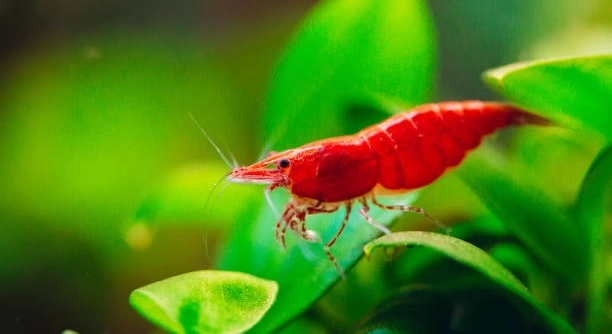
Many shrimp owners notice their tiny pets spending most of their time near the top of the tank. Floating plants seem to attract them, offering both shelter and a place to explore safely in their environment.
Shrimp are naturally drawn to floating plants because these plants provide shade, reduce water stress, and offer surfaces for biofilm growth, which serves as a primary food source. This combination of shelter and nutrition supports shrimp health and natural behaviors.
Learning more about these preferences can improve tank setup and shrimp well-being, creating a more balanced and thriving aquatic environment for them.
How Floating Plants Benefit Shrimp
Floating plants create a gentle shelter at the water’s surface, giving shrimp a safe place to hide. They help diffuse light, reducing stress and making shrimp feel more secure. The roots of these plants also grow downward, creating a natural grazing area where biofilm and algae accumulate. Shrimp can pick at these surfaces, supplementing their diet with nutrients and microbes they need for growth and molting. Additionally, floating plants slightly improve water quality by absorbing excess nutrients and slowing the growth of harmful algae. This combination of shelter, food, and a cleaner environment encourages shrimp to stay near the plants, promoting more active and healthy behaviors. Even small tanks benefit from a few floating plants, as they provide multiple advantages without taking up space or requiring complicated maintenance. Over time, shrimp will appear more relaxed, exploring more areas near the surface while still feeling protected.
Floating plants also help maintain stable water conditions, which is essential for delicate shrimp species.
Adding these plants enhances both the shrimp’s health and the tank’s balance, creating a more natural habitat that encourages consistent feeding and molting patterns. Proper plant choice and minimal disturbance allow shrimp to thrive, showing more vivid colors and higher activity levels. Observing them interact with floating plants can be rewarding, revealing behaviors not seen in bare tanks. By carefully selecting hardy plants and arranging them thoughtfully, you can maximize their benefits. It also reduces algae problems, as floating plants limit light penetration, slowing unwanted growth. Shrimp often use the roots as resting spots or climbing areas, which enriches their environment and keeps them stimulated. Maintaining the plants is simple; occasional trimming and gentle cleaning prevent overcrowding, while the shrimp continue to enjoy a protected, nutritious space. Overall, floating plants make tanks healthier, livelier, and more visually appealing.
Choosing the Right Floating Plants
Some floating plants grow faster than others, which can affect shrimp activity and tank maintenance.
Plants like duckweed, water lettuce, and frogbit are popular because they grow quickly, offer dense coverage, and provide substantial root structures for shrimp to graze on. Slower-growing options like salvinia or red root floaters can be used if minimal maintenance is desired. When choosing plants, consider light levels, tank size, and compatibility with other species. Some plants may require extra nutrients or CO₂ supplementation to thrive, while others grow well in simple freshwater setups. Avoid plants that shed excessive leaves or decay quickly, as this can affect water quality and create stress for shrimp. It is also helpful to rotate or thin the plants periodically, keeping them healthy and preventing overcrowding. Healthy floating plants will anchor biofilm and provide continuous grazing opportunities, helping shrimp maintain proper growth and molting cycles. Observing how shrimp interact with each plant type can guide future choices and tank arrangements.
Plant Density and Shrimp Behavior
Higher plant density offers more hiding spots, which reduces stress and encourages natural shrimp behavior. Shrimp feel safer and spend more time exploring and grazing around roots, making them more active and healthier overall.
Dense floating plants create multiple layers of cover, allowing shrimp to choose their preferred space. Some may stay close to roots, while others explore the water surface or cling to plant stems. This variety mimics their natural environment and supports social interactions. More coverage also slows water movement near the surface, giving shrimp calm areas to molt and feed. When plants are spaced too sparsely, shrimp often hide in corners or remain inactive, which can affect growth. Proper density balances visibility and shelter, ensuring shrimp feel secure without overcrowding. Observing these patterns can help adjust plant placement for the best shrimp activity and overall tank health.
Maintaining plant density requires occasional trimming to prevent overgrowth while keeping enough coverage. Overcrowded plants can block light and limit water circulation, which may stress shrimp. Regular maintenance ensures the tank stays functional and shrimp continue using floating plants effectively.
Light, Temperature, and Shrimp Preference
Light intensity affects how comfortable shrimp feel near floating plants, as plants diffuse harsh light and create shaded areas.
Temperature also plays a key role; floating plants slightly stabilize surface temperatures, offering cooler areas when the water warms. Shrimp naturally seek these zones to maintain comfort, reduce stress, and support proper molting cycles. Strong light or fluctuating temperatures can cause shrimp to hide excessively or stop feeding. Floating plants buffer these changes by filtering sunlight and slowing temperature swings. Even minor shading differences can change shrimp distribution in the tank, showing how sensitive they are to their environment. Adjusting light levels and ensuring stable water temperature encourages shrimp to use plants consistently, promoting healthy behavior and growth.
Combining controlled light with floating plants improves both plant health and shrimp activity. Proper placement avoids overcrowding shaded areas while still providing comfort. Observing shrimp movement under different light conditions helps fine-tune plant density and positioning, ensuring that each shrimp finds an ideal balance of shade, grazing opportunities, and open water. This approach supports long-term well-being and reduces stress-related issues.
Feeding Opportunities Around Floating Plants
Floating plants create natural grazing spots where shrimp can find biofilm and microorganisms. These areas supplement their diet and encourage constant foraging, which is important for healthy growth and molting.
Shrimp often use plant roots as both shelter and feeding surfaces. The dense root systems attract algae and tiny particles, providing a steady food source without overfeeding.
Reducing Stress and Aggression
Dense floating plants reduce stress by offering multiple hiding spots and visual barriers. Shrimp can avoid conflicts and feel safer, which improves overall health and behavior.
Cleaning Benefits of Floating Plants
Floating plants absorb excess nutrients and help control algae growth. This indirectly supports shrimp health by maintaining cleaner water and more stable tank conditions.
Observing Shrimp Interaction
Shrimp use floating plants differently based on size and personality. Some cling to roots, others explore nearby water, showing their preferences and comfort levels in the tank.
FAQ
Why do shrimp prefer floating plants over other decorations?
Shrimp are naturally cautious and seek areas that provide both safety and food. Floating plants create shaded zones at the surface while offering roots and leaves covered in biofilm, algae, and microorganisms. These surfaces serve as supplemental feeding spots. Other decorations might offer hiding spots, but they rarely provide both nourishment and cover at the same time. The gentle movement of floating plants also mimics their natural environment, reducing stress and encouraging natural behaviors like grazing, climbing, and resting.
Can floating plants help improve water quality for shrimp?
Yes, floating plants absorb excess nutrients from the water, which can limit algae growth and stabilize water chemistry. By taking up nitrates and phosphates, plants reduce the risk of harmful spikes in water parameters. Their roots also create microhabitats where beneficial bacteria thrive, aiding in biological filtration. Healthier water conditions mean shrimp are less stressed, more active, and more likely to molt successfully. Floating plants act as a natural buffer, maintaining cleaner water and improving overall tank stability.
Do shrimp eat floating plants directly?
Shrimp generally do not consume healthy plant tissue, though they may nibble on decaying leaves. Their main interest lies in the biofilm and algae growing on the roots and surfaces. This biofilm provides essential nutrients and helps shrimp maintain a balanced diet. Occasionally, a shrimp may trim soft plant parts, but this does not harm the plant significantly. Healthy, fast-growing plants can support shrimp grazing for long periods, making them both a functional and decorative addition to the tank.
How many floating plants are ideal in a shrimp tank?
The number of floating plants depends on tank size and shrimp density. A light coverage allows sufficient light for other plants, while moderate to dense coverage provides hiding spaces and grazing areas. Too many floating plants can block light and reduce water circulation, which may stress shrimp. Observing shrimp activity can help determine the right balance. If shrimp are overly hidden or inactive, reducing coverage slightly can improve movement and feeding behavior without sacrificing the benefits of shade and shelter.
Do floating plants affect shrimp molting?
Yes, floating plants create calmer areas with less water flow, which are ideal for molting. Shrimp feel safer under shaded roots, reducing stress and risk of injury during this vulnerable time. The biofilm present on roots also provides extra nutrients, supporting growth and successful molts. Tanks without floating plants may expose shrimp to stronger currents or open spaces, which can make them hesitant to molt freely, leading to delayed growth or increased mortality during the molting process.
Are all floating plants safe for shrimp?
Not all floating plants are equally suitable. Most common options like duckweed, water lettuce, frogbit, and salvinia are safe. Avoid plants treated with pesticides or that decay quickly, as this can harm water quality. Plants with thick or waxy leaves might limit grazing opportunities, while delicate roots are more beneficial for feeding and shelter. Choosing hardy, low-maintenance species ensures consistent coverage and minimal impact on water parameters, making the environment safer and more comfortable for shrimp.
How often should floating plants be trimmed or maintained?
Trimming is necessary to prevent overcrowding and maintain light penetration for other plants. Remove excess leaves or roots when growth becomes dense. Regular maintenance prevents decaying material from fouling water and ensures shrimp have open areas to swim and feed. Minimal trimming is often sufficient for slow-growing species, while fast-growing plants may require weekly attention. Proper maintenance keeps the tank visually appealing and supports the natural behavior and health of shrimp over time.
Can floating plants reduce shrimp aggression?
Yes, by providing multiple hiding spots and visual barriers, floating plants reduce stress and territorial disputes. Shrimp can retreat to shaded areas when feeling threatened, which minimizes confrontations. Overcrowded or bare tanks often see more aggressive behavior because shrimp lack adequate shelter. Floating plants encourage a more peaceful environment, allowing shrimp to interact freely while maintaining a sense of security.
Do floating plants need special lighting for shrimp tanks?
Most floating plants grow well under standard aquarium lighting. Moderate light supports plant growth and biofilm development on roots, which benefits shrimp. Too little light may slow plant growth, limiting grazing surfaces. Excessively strong light can stress shrimp, so balancing lighting for both plants and shrimp is key. Positioning lights above floating plants rather than directly on them helps create shaded areas without harming plant health, maintaining a comfortable environment for shrimp to thrive.
Can shrimp reproduce near floating plants?
Yes, floating plants create ideal conditions for shrimp reproduction. Shaded roots provide protection for juveniles and adults, while biofilm offers food for developing shrimp. Dense plant coverage reduces predation risk in tanks with multiple species and ensures young shrimp have areas to hide and feed. Tanks with floating plants often see more successful breeding cycles because the environment supports both safety and nutrition for all life stages.
How do I know if shrimp are using floating plants effectively?
Observe shrimp behavior over several days. Active grazing on roots, resting under leaves, and frequent exploration near plant surfaces indicate the plants are beneficial. Reduced stress, vibrant coloration, and regular molting are also signs. If shrimp avoid plants, they may be overcrowded, poorly positioned, or the species may prefer other areas. Adjusting placement, density, or plant type can encourage consistent use, ensuring the benefits of floating plants are fully realized in the tank.
This FAQ covers the most common considerations for shrimp and floating plants, helping ensure a healthier, more balanced aquarium environment.
Floating plants offer more than just a decorative touch to a shrimp tank. They create shaded areas that make shrimp feel safe and secure, which is important for their daily activity and overall well-being. Shrimp are naturally cautious creatures, and the presence of floating plants gives them a place to rest and hide when they feel stressed or threatened. The roots of these plants provide surfaces where biofilm, algae, and microorganisms grow, giving shrimp a reliable source of food without the need for constant feeding. This combination of shelter and nutrition encourages shrimp to explore and interact with their environment in a way that supports healthy growth and molting. Even small tanks can benefit from a few well-chosen floating plants, as they provide these advantages without taking up too much space or requiring complicated maintenance. Over time, shrimp that have access to floating plants tend to appear more relaxed and active, showing more natural behaviors compared to shrimp in bare tanks.
In addition to supporting shrimp behavior, floating plants help maintain a more stable tank environment. They absorb excess nutrients from the water, which can reduce the growth of harmful algae and keep water quality balanced. This indirectly benefits shrimp by creating a cleaner, less stressful habitat. Floating plants also help diffuse light and buffer minor temperature fluctuations, giving shrimp areas to escape intense light or slightly warmer water near the surface. Maintaining plant density is important, as overcrowding can block light and restrict water circulation. A balance between coverage and open space ensures shrimp have enough areas to swim, feed, and rest while still enjoying the shelter floating plants provide. Trimming plants when they grow too dense also prevents decay from affecting water quality and keeps the tank visually appealing. Observing shrimp behavior around floating plants can guide adjustments to plant placement and density, helping create a tank setup that maximizes both shrimp comfort and health.
Choosing the right type of floating plants is key to achieving these benefits. Popular options like duckweed, frogbit, water lettuce, and salvinia grow well in freshwater tanks and develop dense root systems that shrimp can explore. Hardy plants that grow quickly but do not decay excessively are ideal, as they provide consistent grazing areas and cover without creating water problems. Slow-growing or delicate plants can still be used, but they may need more attention to ensure they remain healthy and functional. By selecting plants carefully and maintaining them regularly, shrimp owners can create a stable and enriching habitat. In this environment, shrimp not only survive but thrive, showing increased activity, more successful molting, and often better coloration. Floating plants are a simple, natural way to improve a shrimp tank, making the habitat more balanced and enjoyable for both the shrimp and anyone observing them.

Hello,
If you enjoy the content that we create, please consider saying a "Thank You!" by leaving a tip.
Every little bit helps us continue crafting quality advice that supports the health, happiness, and well-being of pets around the world, for pets of all shapes, sizes, and species.
We really appreciate the kindness and support that you show us!