Can Cherry Shrimp Tell When You’re Near?
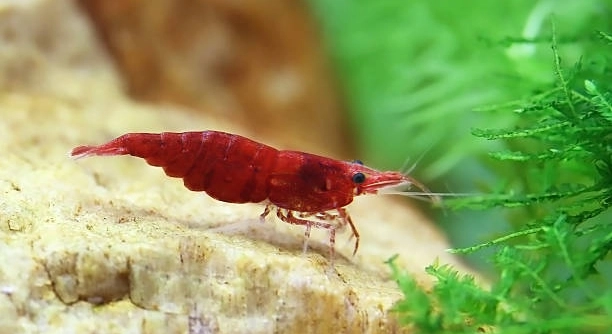
Do you ever notice your cherry shrimp moving differently when you approach the tank? Many shrimp owners observe small changes in behavior that seem linked to human presence near their aquariums. Cherry shrimp can detect changes in their environment, including vibrations and shadows caused by nearby movement. This sensitivity allows them to respond when someone … Read more
7 Things to Add to a Shrimp Tank

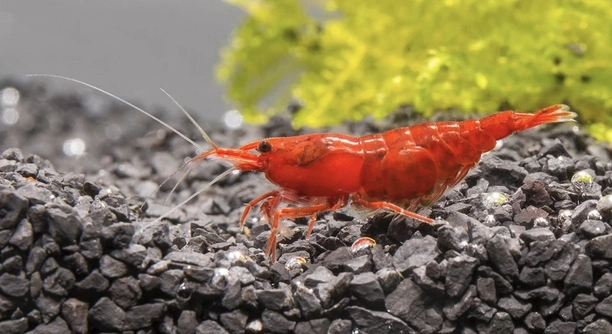
Keeping a shrimp tank healthy and enjoyable takes more than just water and shrimp. Many shrimp owners find themselves wondering what additions can make the tank more comfortable and stimulating for their tiny pets. Adding items like plants, hiding spots, substrate, moss, driftwood, small decorations, and water conditioners can improve shrimp health and behavior. These … Read more

7 Tips to Create a More Shrimp-Friendly Tank

Do you love keeping freshwater shrimp but worry about their well-being in your tank? Creating a safe and supportive environment requires more than just water and food. Proper care ensures healthy, active shrimp that thrive over time. Maintaining a shrimp-friendly tank involves optimizing water parameters, providing adequate hiding spaces, selecting compatible tank mates, and offering … Read more

7 Causes of Uneven Shrimp Growth

Have you ever noticed that some shrimp in your tank grow faster than others, leaving a mix of tiny and large shrimp side by side? Uneven growth can be frustrating, especially when you are trying to maintain a healthy, balanced colony. Uneven shrimp growth is primarily caused by differences in water quality, nutrition, genetics, stress, … Read more

7 Natural Additions That Shrimp Go Crazy For

Shrimp are fascinating creatures that respond strongly to certain foods in their environment. Many aquarists aim to enrich their tanks with natural additions that encourage shrimp to feed actively and remain healthy. Observing their preferences can be rewarding. Shrimp are particularly attracted to a variety of natural additions including algae wafers, blanched vegetables, and small … Read more

Why Is My Cherry Shrimp Not Moving After Molt?

Have you ever noticed your cherry shrimp lying still after shedding its old shell? It can be worrying, especially if you are unsure whether it is resting or in danger. Many shrimp owners face this common concern. Cherry shrimp often remain motionless after molting due to the vulnerability of their soft, newly formed exoskeleton. During … Read more

Why Cherry Shrimp Might Avoid Tank Mates

Cherry shrimp are small, delicate creatures that often prefer calm environments. Their natural instincts lead them to avoid conflict, and they tend to stay hidden when feeling threatened or stressed by other tank inhabitants. Cherry shrimp might avoid tank mates primarily due to stress, territorial behavior, and predation risk. Aggressive or larger fish can intimidate … Read more

Do Cherry Shrimp Prefer Calm Water?

Have you ever noticed how cherry shrimp move quietly around your tank and wondered if the water’s flow affects their comfort? These tiny creatures can be sensitive to their surroundings, and small changes might influence their behavior. Cherry shrimp generally prefer calm water as it reduces stress and allows them to forage and hide more … Read more

Why Are Your Cherry Shrimp Hanging Upside Down?

Are your cherry shrimp suddenly hanging upside down in the tank, leaving you a bit puzzled? Observing this unusual behavior can feel alarming, especially when you are trying to maintain a healthy, thriving aquarium environment for them. The primary cause of cherry shrimp hanging upside down is poor water quality or low oxygen levels. Stress, … Read more

Can Cherry Shrimp Survive Cold Water?

Cherry shrimp are popular aquarium pets known for their bright colors and small size. Many enthusiasts enjoy keeping them in planted tanks and watching them thrive in a carefully maintained environment. Their delicate nature requires attention to water conditions. Cherry shrimp cannot tolerate cold water for extended periods. Sustained low temperatures can slow their metabolism, … Read more