
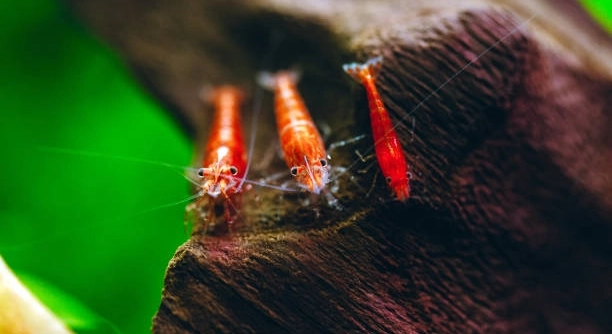
Cherry shrimp are popular aquarium pets known for their bright colors and small size. Many enthusiasts enjoy keeping them in planted tanks and watching them thrive in a carefully maintained environment. Their delicate nature requires attention to water conditions.
Cherry shrimp cannot tolerate cold water for extended periods. Sustained low temperatures can slow their metabolism, impair immune function, and increase mortality risk. Maintaining water between 68–78°F is essential for their survival and overall health.
Proper care and understanding of their temperature needs will help ensure your shrimp remain healthy and active in your aquarium setup.
Understanding Cherry Shrimp and Temperature Sensitivity
Cherry shrimp are tiny creatures that depend heavily on stable water conditions. Sudden drops in temperature can stress them, affecting their behavior and growth. In colder water, their metabolism slows, making it harder for them to process food and reproduce. Signs of stress include reduced movement, fading colors, and hiding more frequently. Tanks that fluctuate in temperature can also make shrimp more vulnerable to disease. Using a reliable heater and thermometer helps maintain a consistent environment. Keeping the tank clean and monitoring water parameters like pH and ammonia is equally important. Seasonal changes in room temperature can have a direct impact, so monitoring daily is beneficial. Small adjustments, like insulating the tank or moving it away from drafts, can prevent sudden temperature drops. By understanding their needs and responding to changes quickly, cherry shrimp can thrive even in indoor setups where external temperature variations are common. Attention to these details ensures longevity and vitality.
Cold water slows metabolism and increases disease risk, making consistent temperature essential for cherry shrimp survival.
Proper feeding also plays a role in their resilience. Providing balanced food that is easy to digest ensures they maintain energy despite slower metabolism. Frozen or live foods can supplement regular pellets, giving essential nutrients. Avoid overfeeding, as leftover food decomposes and affects water quality. Keeping plants and hiding spaces allows shrimp to regulate their stress levels naturally. Monitoring behavior daily helps detect early signs of temperature stress, so corrective measures can be taken immediately. Simple actions like using a tank cover, adding insulation, or slightly adjusting room temperature can stabilize the environment. By combining careful feeding, habitat management, and constant observation, maintaining healthy cherry shrimp in slightly cooler conditions becomes manageable, though ideally, the water should stay within their preferred temperature range.
Seasonal Changes and Their Impact
Cold seasons can lead to lower water temperatures, especially in homes without controlled heating.
During winter, indoor temperatures can drop, causing aquarium water to cool faster than expected. This affects cherry shrimp by slowing their metabolism and reducing activity levels. Some shrimp may stop eating temporarily, and molting can become irregular. To combat this, consider using a small, reliable heater set to maintain consistent temperatures. Insulating the tank with foam or blankets can prevent rapid drops during cold nights. Monitoring the thermometer multiple times a day ensures any changes are caught early. Even a few degrees difference can cause stress, so small adjustments are often enough. Maintaining proper filtration and avoiding excessive cleaning during colder periods helps reduce additional stress. By preparing for seasonal temperature swings and adjusting the tank setup, cherry shrimp can remain healthy throughout the year without experiencing extreme stress or mortality.
Signs of Cold Stress in Cherry Shrimp
Shrimp exposed to cold water often become sluggish, hide more, and show faded coloration. Molting may slow down, and some may refuse food. These signs indicate that the water temperature is too low for them to thrive.
Prolonged exposure to cooler temperatures can weaken their immune system, making shrimp more vulnerable to disease. They may become lethargic, staying at the bottom of the tank or clustering near the heater. Reduced feeding is common, which can further impact growth and reproduction. Monitoring their behavior closely allows for timely intervention before serious health issues develop. Regular checks on water temperature and observation of activity patterns are crucial.
Shrimp stress can also manifest in molting problems. Delayed or failed molts increase the risk of injury or death. Providing consistent warmth and stable water parameters helps them recover and maintain normal behavior. Small environmental adjustments often have a significant impact on their well-being.
Maintaining Safe Water Temperatures
Keeping the tank water within 68–78°F is crucial for cherry shrimp health. Proper heating prevents metabolic slowdown and stress.
Using a reliable heater and thermometer ensures consistent temperatures throughout the day and night. Avoid placing the tank near drafts, windows, or air vents, as sudden changes can cause rapid drops. Insulating the tank during colder months adds an extra layer of protection. Gradual adjustments are better than sudden changes, reducing stress on the shrimp. Filtration should remain efficient to keep water clean, supporting overall health. Monitoring multiple points in the tank can reveal uneven heating, which can be corrected with minor repositioning of equipment or décor.
Temperature stability directly influences breeding success and overall vitality. Shrimp in consistently warm water are more active, feed reliably, and molt on schedule. Providing plants, hiding spaces, and balanced nutrition complements proper heating, creating an environment that supports growth and reduces stress. In addition, maintaining regular water changes with temperature-matched water prevents shocks and supports long-term survival. Simple practices like these are effective in keeping shrimp healthy through seasonal variations and indoor temperature shifts.
Preventing Temperature Fluctuations
Rapid changes in water temperature can be harmful to cherry shrimp. Keeping the tank away from windows, doors, and heating vents helps maintain stability.
Using a small aquarium heater with a thermostat ensures that water stays within the safe range. Regularly checking the thermometer prevents surprises and keeps the environment consistent.
Tank Placement and Insulation
Positioning the tank in a stable, draft-free area reduces the risk of temperature swings. Insulating the sides with foam or placing it on a stable surface can further prevent sudden drops. Avoid direct sunlight, which can heat the water unevenly and stress the shrimp.
Feeding During Cold Periods
Shrimp eat less when the water is cooler, so adjusting feeding amounts is important. Offer smaller portions to prevent waste and maintain water quality.
Monitoring Water Parameters
Even with stable temperatures, keeping pH, ammonia, nitrite, and nitrate levels in check supports shrimp health. Regular testing and maintenance prevent additional stress and ensure their survival.
FAQ
Can cherry shrimp survive brief cold snaps?
Cherry shrimp can tolerate short, mild drops in temperature, but extended exposure to cold water is harmful. Short dips may slow their activity temporarily, but they usually recover if the water quickly returns to the safe 68–78°F range. Prolonged cold, however, can lead to stress, reduced feeding, and higher disease risk.
What is the minimum safe temperature for cherry shrimp?
The lower limit for cherry shrimp survival is about 65°F. Temperatures below this can slow metabolism significantly, increase lethargy, and impair immune function. Even a few degrees lower for an extended period can cause serious health issues or death. Keeping water above 68°F is ideal for consistent growth and activity.
How can I gradually raise tank temperature without stressing shrimp?
Use a reliable heater with a thermostat to increase temperature slowly. Adjust in increments of 1–2°F per day until the tank reaches the optimal range. Avoid sudden changes, as rapid warming can cause molting problems, stress, and feeding refusal. Continuous monitoring ensures the shrimp remain safe throughout the adjustment.
Do cherry shrimp need heaters all year?
Heaters are essential if room temperatures frequently drop below 68°F. Even in moderate climates, winter nights can lower water temperatures enough to stress shrimp. In consistently warm environments, heaters may be unnecessary, but monitoring is still recommended to prevent unexpected cold periods from harming the shrimp.
Can cherry shrimp survive in unheated tanks?
They can survive in unheated tanks only if the ambient temperature consistently stays within their safe range. Fluctuating or cooler temperatures often reduce activity, hinder feeding, and increase susceptibility to disease. Many shrimp kept in unheated tanks do not breed well and may experience higher mortality.
What behaviors indicate cold stress?
Shrimp may hide more, move slowly, and show faded colors. Reduced feeding and delayed or failed molting are common. Clustering near a heat source or the tank bottom is another sign. Observing these behaviors early allows intervention before serious health problems occur.
Does cold water affect shrimp reproduction?
Yes, colder temperatures slow metabolism and reduce breeding activity. Eggs may develop more slowly, and survival rates for young shrimp decrease. Maintaining water at 68–78°F encourages consistent molting, feeding, and reproduction, supporting a healthy, growing colony.
Can plants in the tank help regulate temperature?
Plants provide some insulation and microhabitats, allowing shrimp to escape slightly cooler areas. While they cannot replace a heater, live plants can help moderate minor temperature fluctuations and provide shelter during brief drops. Combining plants with consistent heating ensures optimal shrimp health.
Is sudden temperature change more harmful than consistently cold water?
Sudden drops or rises in temperature are more stressful than slightly colder but stable water. Rapid changes shock shrimp, causing stress responses like hiding, reduced feeding, and failed molts. Gradual adjustments and stable tank conditions are safer for long-term health and survival.
How often should I check tank temperature?
Daily monitoring is recommended, especially during colder months. Checking morning and evening helps catch fluctuations caused by heating systems or drafts. Using a thermometer at multiple points in the tank ensures even temperature distribution, helping maintain consistent conditions for all shrimp.
What is the best way to insulate a shrimp tank?
Simple methods like foam sheets on tank sides, placing it against a wall, or using a tank hood can reduce heat loss. Avoid wrapping the tank completely, as air circulation is necessary. Insulation works best when combined with a reliable heater and stable room temperature.
Can juvenile shrimp survive cold water as well as adults?
Juveniles are more sensitive to cold than adults. Their metabolism and immune systems are less developed, making them vulnerable to temperature fluctuations. Keeping water consistently within the optimal range is especially important for young shrimp to grow, molt properly, and survive to adulthood.
Does colder water affect shrimp color?
Yes, cold stress can dull their vibrant red coloration. Shrimp under prolonged cold may appear pale or translucent. Maintaining proper water temperature supports normal pigment development and overall vitality, helping them stay visually healthy and active.
Are some cherry shrimp strains more tolerant of cold?
Some hardier strains tolerate slightly lower temperatures, but all require water within their safe range for optimal health. Even tolerant strains can suffer stress, reduced feeding, and slower growth if exposed to prolonged cold. Understanding the specific strain helps in managing temperature effectively.
Can I use a water heater with a timer to prevent cold stress?
Yes, using a heater with a timer or thermostat ensures the tank stays within safe temperatures during night or colder periods. Avoid turning heaters off for long periods, as shrimp can quickly become stressed by even brief drops below 68°F.
How does water volume affect temperature stability?
Larger tanks retain heat longer and resist sudden temperature changes, while small tanks cool quickly. For smaller setups, using a heater and insulating the tank is more critical. Monitoring water temperature closely ensures shrimp remain within their safe range.
Can I rely on room temperature alone for winter months?
Relying solely on room temperature is risky. Indoor heating can fluctuate, and nights can drop significantly. A heater ensures consistency, preventing stress, lethargy, and potential deaths from sudden cold periods. Regular checks remain necessary to maintain stability.
Do cold water issues affect other tank inhabitants?
Yes, snails, plants, and other invertebrates may also slow down or suffer from cold stress. Maintaining stable temperatures benefits the entire ecosystem, keeping all inhabitants active, feeding, and healthy. This reduces waste buildup and maintains water quality.
What long-term effects does cold stress have on shrimp?
Extended cold stress can shorten lifespan, reduce breeding success, and weaken immunity. Shrimp may become more prone to disease, molting issues, and color fading. Consistently maintaining optimal temperatures is key to preventing chronic health problems and ensuring a thriving colony.
How can I prevent cold stress when adding new water?
Always match the temperature of new water to the tank before adding it. Sudden differences can shock shrimp and stress them. Using a bucket to preheat water or adjusting it gradually prevents temperature swings and maintains a stable environment for all shrimp.
Are there signs of recovery after cold stress?
Shrimp may resume normal movement, feeding, and coloration once water temperature stabilizes. Molting returns to regular patterns, and breeding activity may resume. Observing these improvements confirms that interventions, like heating or insulation, were successful in restoring a safe environment.
Can using a thermometer alone guarantee shrimp safety?
While thermometers are essential, they are not enough. Consistent monitoring, proper heating, insulation, stable water parameters, and observing shrimp behavior all work together to ensure health and prevent cold-related stress or mortality.
How important is consistency versus exact temperature?
Consistency is often more important than a perfect number. Small, stable variations are better than fluctuating temperatures, even if slightly outside the ideal range. Shrimp adapt better to predictable conditions than to rapid or repeated changes, which cause chronic stress.
What equipment helps maintain consistent temperatures?
Reliable heaters with thermostats, insulation materials, thermometers, and timers are key. Combining these tools creates a controlled environment that minimizes stress, supports feeding and molting, and prevents temperature-related health issues.
How do I combine temperature control with regular tank maintenance?
Perform water changes with temperature-matched water, avoid cleaning during extreme cold periods, and monitor parameters frequently. This prevents additional stress while keeping the tank clean and healthy for shrimp growth and survival.
Are live plants or decorations enough to protect shrimp from cold?
Plants and décor provide shelter but cannot maintain proper water temperature alone. They help reduce stress by giving hiding spaces, but heating and monitoring remain necessary for consistent survival.
How fast can cherry shrimp recover from mild cold stress?
Recovery usually takes a few days once water is restored to 68–78°F. Feeding returns to normal, activity increases, and molting resumes. Quick response to stress improves survival chances and reduces long-term effects.
Can cold water affect shrimp behavior permanently?
Extended or repeated cold exposure can cause lasting lethargy, slow feeding, and reduced breeding. Consistent care and stable temperatures prevent permanent behavioral changes, ensuring shrimp remain active and healthy.
How often should equipment be checked during winter?
Daily checks on heaters, thermometers, and insulation are recommended. Early detection of malfunctions prevents sudden drops in temperature and protects shrimp from cold stress. Small adjustments can prevent serious health issues.
Does water chemistry interact with temperature effects?
Yes, ammonia, nitrite, nitrate, and pH levels impact how shrimp tolerate cold. Poor water quality combined with low temperatures increases stress and disease risk. Stable parameters enhance resilience and improve recovery from mild cold exposure.
Can breeding be paused intentionally during colder periods?
Some shrimp may naturally reduce breeding in cooler water. While this can prevent stress, maintaining optimal temperatures ensures consistent reproduction, healthier offspring, and fewer mortality issues.
Are there signs that shrimp are too warm as well as too cold?
Shrimp may become hyperactive, feed excessively, or show shortened lifespan in high temperatures. Both extremes are stressful, so maintaining a moderate, consistent temperature is crucial.
Can seasonal temperature changes be offset with tank location?
Placing the tank in a stable, insulated area away from windows, vents, and drafts helps buffer seasonal swings. Combining this with heating and monitoring ensures shrimp remain in their safe temperature range year-round.
Is it safe to use submersible heaters for small tanks?
Yes, small submersible heaters with thermostats are effective in stabilizing water temperature. Ensure proper placement and regular checks to avoid overheating or uneven heating, which can stress shrimp.
How much temperature fluctuation is acceptable?
Small daily fluctuations of 1–2°F are generally safe. Larger swings, especially sudden drops below 68°F, can stress shrimp and lead to health problems. Consistency is more critical than perfect precision.
What immediate steps should be taken if water suddenly gets too cold?
Gradually raise the temperature using a heater or warm water addition. Avoid rapid heating, observe shrimp for stress signs, and ensure filtration continues. Quick response helps prevent illness, molting issues, and mortality.
How long can cherry shrimp survive below 65°F?
Survival is limited to a few hours or days, depending on the degree of cold and water quality. Extended exposure almost always results in severe stress or death, making prompt heating essential.
Can equipment failure during winter be fatal?
Yes, heater or thermostat failure can quickly lower tank temperature. Immediate corrective action, such as portable heaters or relocating the tank temporarily, is critical to prevent shrimp deaths.
Is acclimating new shrimp more important in cold conditions?
Absolutely. Slowly adjusting new shrimp to tank water minimizes shock and stress. Cold water amplifies risk, so using gradual acclimation ensures survival and reduces stress-related issues.
How do I balance feeding, cleaning, and temperature during winter?
Feed smaller amounts to prevent waste, perform gentle water changes with temperature-matched water, and avoid drastic maintenance during extreme cold. This keeps shrimp healthy without adding stress from temperature fluctuations.
Can stress from cold water lead to disease?
Yes, stressed shrimp have weaker immunity, making them more susceptible to bacterial and fungal infections. Maintaining stable temperatures and good water quality prevents disease outbreaks and supports long-term health.
Are shrimp more sensitive to temperature than fish?
Many small invertebrates, including cherry shrimp, are more vulnerable to sudden temperature changes than most fish. Their small size and delicate physiology make consistent heating and monitoring critical for survival.
What signs indicate shrimp are fully recovered from cold stress?
Active swimming, normal feeding, bright coloration, regular molting, and breeding activity indicate recovery. Observing these behaviors confirms the tank environment is suitable and shrimp health is restored.
Does cold water impact shrimp molting cycles?
Yes, cold slows or halts molting. Failed molts increase the risk of injury or death. Stable, warm water encourages proper molting and supports growth and reproduction.
Can you prevent all cold-related problems?
While some minor stress may be unavoidable, consistent heating, monitoring, insulation, and proper care greatly reduce cold-related issues and improve shrimp survival. Regular observation ensures early intervention when needed.
How important is observation compared to equipment?
Observation is equally important. Equipment provides stability, but noticing shrimp behavior, feeding patterns, and molting ensures problems are addressed before they become serious.
Are small tanks at higher risk?
Yes, small tanks fluctuate faster due to lower water volume. Heaters, insulation, and frequent monitoring are more critical for maintaining safe temperatures.
Can shrimp tolerate gradual seasonal temperature shifts?
Slow, minor changes are manageable. Gradual seasonal increases or decreases, combined with monitoring and heating adjustments, reduce stress and support long-term health.
What should I do during power outages in winter?
Insulate the tank, cover it to retain heat, and monitor water temperature. Portable heaters or warm water additions may be necessary to prevent stress and mortality.
Do shrimp recover differently depending on age?
Adults generally recover faster than juveniles, as younger shrimp are more sensitive to cold stress and have weaker immune systems. Extra care is required for juvenile survival.
How does temperature affect shrimp lifespan?
Consistently cold water reduces lifespan by increasing stress, disease susceptibility, and molting issues. Maintaining optimal, stable temperatures supports longer, healthier lives.
Is it possible to breed shrimp in slightly cooler water?
Breeding is reduced in cooler water. Eggs may develop slowly or fail. Optimal temperatures ensure active reproduction and higher survival of offspring.
Can adding more shrimp affect temperature stability?
Higher shrimp density has minimal effect on temperature but may increase stress if the tank is already marginally cool. Proper heating and monitoring remain essential.
How does water circulation influence temperature?
Good circulation distributes heat evenly, preventing cold spots. Poor circulation can create micro-environments that stress shrimp despite the overall tank being within range.
Are there alternative heating methods for small tanks?
Submersible heaters, heating pads, and insulated covers all help. Combining methods ensures stability without overheating, especially for smaller setups.
Can cold stress cause permanent color loss?
Prolonged exposure can dull colors, but recovery is possible with stable, warm water. Chronic cold stress may have lasting effects on pigmentation.
How do I prevent recurrence of cold stress?
Maintain consistent heating, insulation, monitoring, and stable water parameters. Avoid sudden environmental changes, and observe shrimp behavior daily to catch early signs of stress.
Is automated monitoring worth the investment?
Yes, alarms for temperature deviations provide peace of mind and allow rapid intervention, preventing stress and mortality in the tank.
How quickly should water changes be done in winter?
Use small, temperature-matched portions to avoid shocks. Gradual water replacement prevents stress while maintaining water quality.
Do shrimp recover faster in planted or bare tanks?
Planted tanks offer hiding spaces, reducing stress and supporting faster recovery. Bare tanks provide no shelter, increasing vulnerability during cold periods.
Can cold water affect shrimp appetite permanently?
Extended cold stress may temporarily reduce appetite. Recovery is usually complete once water is stabilized, but repeated exposure can have lasting effects on feeding behavior.
How often should tank insulation be checked?
Check insulation monthly and after seasonal changes. Ensure it is intact and properly positioned to prevent sudden heat loss during cold periods.
Does water hardness influence cold tolerance?
Moderate hardness supports stress resistance, but it does not replace the need for stable temperatures. Proper water chemistry complements heating and care.
Can adding live plants create micro-warm zones?
Yes, plants and decorations can slightly buffer cold areas. They provide shelter but are not a substitute for heaters or monitoring.
Is there a maximum temperature above which cherry shrimp are stressed?
Temperatures above 78°F can stress shrimp, increase metabolism, and shorten lifespan. Both low and high extremes are harmful, so stability is key.
Are neon shrimp or other varieties more cold-tolerant?
Some varieties tolerate slightly lower temperatures, but all need stable, moderate water. Cold stress still affects feeding, molting, and reproduction.
Do shrimp need more food in colder water?
No, metabolism slows, so overfeeding leads to water quality issues. Provide small, digestible portions to avoid waste.
Can winter heating affect water evaporation?
Yes, heaters can increase evaporation. Top off with temperature-matched water to maintain stable conditions and prevent sudden drops in volume or temperature.
Should aeration be increased in cold water?
Adequate aeration is important to maintain oxygen levels, especially since colder water holds more oxygen. Avoid excessive aeration that causes surface cooling.
How to monitor multiple tanks for cold stress?
Use thermometers in each tank and observe shrimp behavior. Even small variations between tanks can impact shrimp health differently.
Is it safe to combine different shrimp species in cooler water?
Different species may have slightly different temperature tolerances. Mixing them requires maintaining the range suitable for all, otherwise stress and mortality increase.
Can stress from cold water lead to cannibalism?
Yes, stressed shrimp may become aggressive, especially during molting. Stable temperatures and hiding spaces reduce this risk.
Are DIY heaters effective for small tanks?
They can work if carefully monitored. Commercial heaters with thermostats are safer and more reliable for consistent temperature control.
Does substrate affect temperature stability?
Thicker substrate retains heat longer, creating more stable conditions. Bare tanks or thin layers cool faster, increasing risk of stress.
Can seasonal daylight changes affect shrimp along with cold water?
Reduced light can add stress, affecting feeding and activity. Maintaining consistent temperature mitigates part of this seasonal impact.
How do I balance tank cleaning with cold water care?
Perform gentle, temperature-matched water changes, avoid over-cleaning, and maintain proper heating. This prevents added stress while keeping water quality stable.
Are neon tetras or other tank mates affected by the same cold water range?
Most tropical fish share similar temperature needs. Cold water impacts their metabolism and activity, making overall tank stability essential.
How to tell if shrimp are comfortable in cooler water?
Active swimming, normal feeding, bright colors, and regular molting indicate comfort. Lethargy, hiding, or color fading signals stress.
Is recovery slower in heavily planted tanks?
Plants provide shelter but may slow water circulation, which can cause minor temperature variations. Monitor and adjust as needed to ensure full recovery.
Do shrimp need acclimation to seasonal temperature changes?
Gradual adjustments prevent stress. Slowly increasing or decreasing heater settings during seasonal shifts helps shrimp maintain normal behavior and reproduction.
Can small water changes trigger stress in cold tanks?
Yes, adding cooler water can shock shrimp. Always match temperature before adding, and avoid large-volume changes in one go.
Does molting frequency decrease in cold water?
Yes, colder temperatures slow molting cycles, increasing vulnerability and reducing growth. Stable temperatures restore regular molting patterns.
Are shrimp more sensitive during molting?
Absolutely. Molting shrimp are delicate; cold stress increases risk of failed molts, injury, or death.
Final Thoughts
Cherry shrimp are delicate creatures that rely heavily on stable water conditions to thrive. Temperature plays a significant role in their health, behavior, and reproduction. Water that is too cold slows their metabolism, reduces activity, and makes them more vulnerable to disease. Even short periods of cold can cause stress, which may affect feeding habits and molting. Maintaining a consistent temperature in the range of 68–78°F ensures they remain active, feed properly, and grow at a healthy rate. Paying attention to their behavior is just as important as monitoring the thermometer. Signs such as hiding more than usual, fading colors, or slow movement are clear indicators that the water may be too cold or that they are stressed. By addressing these issues quickly, shrimp are more likely to recover and continue to thrive in the tank environment.
Proper tank setup and maintenance are essential for preventing cold-related problems. A reliable heater with a thermostat is crucial, especially in areas where room temperatures fluctuate seasonally. Insulating the tank and placing it away from drafts, windows, or vents helps maintain stability. Even small tanks benefit from these adjustments, as water in smaller volumes cools more quickly than in larger setups. Consistent monitoring of water temperature and other parameters, like pH and ammonia levels, supports the shrimp’s overall health and reduces the risk of stress. Feeding habits should also be adjusted during colder periods, providing smaller, easier-to-digest portions to prevent leftover food from decaying and affecting water quality. Plants and hiding spaces within the tank offer additional protection, giving shrimp a safe space during minor temperature fluctuations. When all these factors are managed together, cherry shrimp have the best chance of surviving and thriving even if external conditions change.
Long-term care and observation are key to sustaining a healthy shrimp population. Seasonal temperature changes, equipment malfunctions, or even minor mistakes in water changes can cause stress if not addressed promptly. Keeping an eye on shrimp behavior, maintaining a stable environment, and making small adjustments when needed all contribute to their survival. Even though cherry shrimp are hardy in the right conditions, they are sensitive to cold and require careful attention to thrive over time. Ensuring proper temperature stability, balanced feeding, and a well-maintained habitat encourages regular molting, reproduction, and active behavior. By combining all these measures, cherry shrimp can live longer, healthier lives, allowing them to display their vibrant colors and lively activity in a tank environment that supports both their physical and behavioral needs.

Hello,
If you enjoy the content that we create, please consider saying a "Thank You!" by leaving a tip.
Every little bit helps us continue crafting quality advice that supports the health, happiness, and well-being of pets around the world, for pets of all shapes, sizes, and species.
We really appreciate the kindness and support that you show us!