
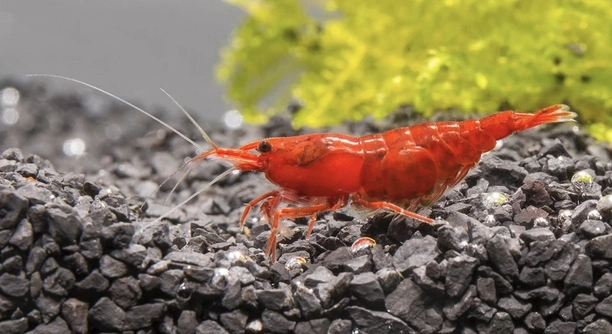
Cherry shrimp are small, delicate creatures that often prefer calm environments. Their natural instincts lead them to avoid conflict, and they tend to stay hidden when feeling threatened or stressed by other tank inhabitants.
Cherry shrimp might avoid tank mates primarily due to stress, territorial behavior, and predation risk. Aggressive or larger fish can intimidate them, prompting hiding and reduced activity, while competition for food or space may further discourage interaction and social engagement within the tank.
Understanding these behaviors can help you create a safer and more comfortable environment for your shrimp, promoting their health and natural activity in a community tank.
Why Cherry Shrimp Prefer Hiding Spots
Cherry shrimp naturally seek shelter to feel secure in their environment. In tanks with limited hiding spots, they may become stressed or withdrawn, moving less and avoiding other inhabitants. Plants, moss, and small decorations give them the cover they need, allowing them to explore without fear. Overcrowded tanks amplify stress, making shrimp more prone to illness and less likely to interact with tank mates. Even when other fish are peaceful, a lack of safe spaces can trigger avoidance behavior. Providing multiple hiding areas near feeding zones helps shrimp feel confident and reduces competition. Observing shrimp in different parts of the tank can indicate whether they feel safe. A well-decorated tank not only improves shrimp activity but also creates a balanced ecosystem, where shrimp can graze naturally on biofilm and algae. Comfort and security are key to encouraging natural shrimp behavior.
Providing shelter improves shrimp confidence and encourages more interaction with the environment, reducing their stress.
Tank decorations and live plants help shrimp feel secure. Moss balls, caves, and dense plants allow them to hide, graze, and explore safely. Shrimp are more likely to be active and healthy when their environment mimics natural habitats. Placement of hiding spots near feeding areas reduces stress during meal times. Dense vegetation also protects them from sudden movements or curious fish. Over time, shrimp become more visible and display normal behaviors when they feel safe. A mix of vertical and horizontal cover ensures they can escape threats from different directions. Well-structured tanks also support cleaner water and more stable conditions, which benefit all inhabitants. Regularly checking the tank layout and adjusting decorations helps maintain an environment that keeps shrimp comfortable and active. Proper shelter is essential for observing natural shrimp behaviors and maintaining long-term health in community aquariums.
Tank Mates and Stress Levels
Aggressive or large fish can intimidate shrimp, prompting avoidance and hiding behavior.
Selecting compatible tank mates is crucial for shrimp comfort. Fish that are fast, territorial, or predatory can stress shrimp, reducing feeding and social activity. Small, peaceful species like certain tetras or rasboras are better options. Shrimp will interact more and display natural behaviors when they feel safe from threats. Maintaining a balanced fish-to-shrimp ratio reduces competition and promotes a calm environment. Careful observation helps identify stress triggers and allows adjustments before shrimp health is affected.
Stress from incompatible tank mates affects shrimp in multiple ways. Shrimp exposed to aggressive or large fish may hide constantly, eat less, and experience slower growth. Continuous stress can weaken immune responses, making them vulnerable to disease and shortening lifespans. Even peaceful fish can unintentionally harass shrimp if space is limited or food is scarce, leading to increased hiding. Proper tank layout with dense plants, moss, and decorations provides escape routes, giving shrimp control over interactions. Choosing slower, smaller fish reduces sudden movements that trigger fear. Observing shrimp behavior during different times of the day helps identify patterns of stress. Feeding strategies, like placing food in multiple locations, also reduce competition. A carefully planned community tank ensures shrimp maintain normal activity levels, healthy growth, and natural grazing habits. Managing these factors promotes a thriving tank where shrimp can coexist peacefully with compatible fish.
Water Quality and Its Impact
Poor water conditions directly stress cherry shrimp, causing them to avoid other tank inhabitants. Sudden changes in temperature, pH, or ammonia levels make them hide more. Maintaining stable parameters keeps shrimp active and healthy, reducing hiding behavior.
Stable water conditions are essential for shrimp health. Cherry shrimp are sensitive to fluctuations in temperature, pH, and chemical levels. Even minor spikes in ammonia or nitrites can cause immediate stress, prompting them to hide or stop eating. Regular testing and gradual adjustments prevent sudden shocks. Filters, gentle water flow, and consistent maintenance routines help maintain a stable environment. Shrimp thrive in clean water with consistent parameters, showing natural activity and interaction with tank mates. Neglecting water quality leads to prolonged hiding and lower activity, which can affect overall tank balance.
Proper water care supports shrimp longevity and activity. Gradual changes during water changes prevent stress. Adding plants and hiding spots reduces shock. Monitoring temperature, pH, and chemical levels keeps shrimp healthy.
Feeding Practices That Encourage Interaction
Uneven feeding or aggressive feeders can make shrimp shy. Placing food in multiple areas ensures they get a chance to eat safely without being chased or stressed.
Feeding methods affect shrimp comfort and interaction. If fast-moving fish dominate the food, cherry shrimp may retreat to hiding spots and avoid social activity. Scattering small portions throughout the tank allows shrimp to graze at their own pace. Target feeding with sinking pellets or specialized shrimp food ensures they get proper nutrition without competition. Consistent feeding schedules help shrimp anticipate meals and reduce stress. Observing shrimp during feeding times can indicate if some are being excluded or stressed. Adequate food placement and portion control maintain shrimp activity, promote healthy growth, and encourage them to explore the tank confidently.
A thoughtful feeding routine fosters shrimp confidence and visibility. Multiple feeding spots and smaller portions reduce competition, allowing shrimp to graze naturally and remain active.
Tank Size Considerations
Smaller tanks increase stress for cherry shrimp because there is limited space to escape from other inhabitants. Larger tanks provide more room for hiding and grazing, which encourages natural activity and reduces avoidance behavior.
Adequate tank size also helps maintain stable water conditions. In cramped tanks, waste accumulates quickly, causing fluctuations in ammonia, nitrite, and pH. This creates additional stress, making shrimp hide more and interact less. A larger tank allows for better filtration, more plants, and multiple hiding spots, all of which support healthy shrimp behavior. Spacing out decorations and food areas gives shrimp control over their environment, helping them feel secure and confident. Choosing a tank that accommodates both shrimp and tank mates reduces competition and promotes overall harmony.
Molting and Behavior Changes
Molting is a vulnerable period for cherry shrimp. During this time, they hide to protect themselves until their new exoskeleton hardens.
Light and Activity Levels
Bright lighting can make shrimp retreat to shaded areas. Dimming light or providing plants reduces stress and encourages normal movement.
FAQ
Why do cherry shrimp hide all the time?
Cherry shrimp hide frequently when they feel threatened or stressed. Stress can come from aggressive tank mates, poor water conditions, or lack of hiding spots. Hiding is a natural defense mechanism that protects them during molting, feeding, or when they detect sudden movement in the tank. Providing dense plants, moss, and small decorations gives them safe areas to retreat, which helps reduce constant hiding and encourages normal activity over time.
Can tank mates harm cherry shrimp even if they seem peaceful?
Yes. Even calm fish can unintentionally stress shrimp. Fast-moving or curious fish may chase shrimp while competing for food, causing them to hide or avoid open spaces. Smaller, slower fish are more compatible, especially if hiding spots are plentiful. Observing shrimp behavior regularly helps identify which tank mates may cause stress and allows adjustments before shrimp health or activity declines.
How often should I check water quality for shrimp?
Regular testing is critical for maintaining shrimp health. Weekly checks of ammonia, nitrite, nitrate, and pH help detect issues before they cause stress. Temperature should be monitored daily. Stable water conditions reduce hiding behavior and support normal feeding, growth, and molting cycles. Gentle filtration and consistent water changes also help maintain balance and comfort for shrimp.
Do cherry shrimp need special hiding spots during molting?
Yes, molting makes shrimp extremely vulnerable. During this period, they are soft and unable to protect themselves. Hiding spots such as moss, caves, or dense plants are essential. Ensuring these areas are accessible reduces stress, allows proper hardening of the new exoskeleton, and prevents potential harassment from tank mates.
How does feeding affect shrimp interaction with tank mates?
Feeding practices influence shrimp confidence. If other fish dominate food, shrimp may avoid open areas and retreat to hiding spots. Placing food in multiple locations or using sinking pellets designed for shrimp ensures even distribution. Regular feeding routines and careful observation encourage shrimp to forage naturally while minimizing stress and competition.
Can bright lights cause shrimp to avoid tank mates?
Yes. Bright lights make shrimp feel exposed and unsafe. They naturally seek shaded areas or dense vegetation. Using dim lighting or providing floating plants reduces stress, allowing shrimp to move freely, feed, and interact without constant hiding. Adjusting light levels based on shrimp activity encourages a calmer tank environment.
Will overcrowding affect shrimp behavior?
Overcrowding increases competition for space and resources. Shrimp may hide more frequently, eat less, and become stressed. Maintaining an appropriate shrimp-to-fish ratio, providing ample hiding spots, and distributing food evenly helps reduce tension and supports healthy, active shrimp behavior.
How can I tell if my shrimp are stressed?
Signs of stress include constant hiding, reduced movement, loss of color, or refusal to eat. Frequent observation during feeding and throughout the day helps identify problems. Addressing water quality, tank mates, and hiding options immediately ensures shrimp regain confidence and return to normal behaviors.
Is it necessary to rearrange the tank for shrimp comfort?
Yes, small adjustments improve shrimp security. Adding plants, moss, or caves, and spacing decorations to create multiple escape routes, allows shrimp to control their environment. Rearranging occasionally also prevents dominance by certain tank mates and encourages shrimp to explore safely.
Do temperature fluctuations impact shrimp social behavior?
Absolutely. Sudden changes in temperature cause stress, prompting hiding and inactivity. Stable water temperatures within the recommended range for cherry shrimp ensure normal feeding, interaction, and molting cycles, helping shrimp remain active and visible in the tank.
Can I keep cherry shrimp with larger fish safely?
It is possible but requires caution. Larger, non-aggressive fish that are slow movers and well-fed are less likely to chase shrimp. Providing multiple hiding areas and monitoring behavior ensures shrimp can coexist without constant stress or avoidance.
How long do shrimp usually hide after molting?
Shrimp hide until their new exoskeleton hardens, which typically takes a few hours to a day. Providing safe spaces and minimal disturbance during this time ensures they emerge healthy and resume normal activity with reduced stress.
Are certain plants better for shrimp hiding?
Yes. Mosses, Java fern, and dense stem plants offer excellent cover. Floating plants also provide shaded areas. These plants create secure zones where shrimp can graze and retreat from tank mates, improving confidence and natural behavior.
Does water flow affect hiding behavior?
Strong currents can stress shrimp, making them avoid open areas. Gentle flow or low-flow zones around plants and decorations allow shrimp to feed, explore, and interact safely without feeling threatened by turbulence.
Can I train shrimp to be more visible?
Gradual acclimation to tank mates and stable environmental conditions encourages shrimp to feel secure. Consistent feeding, proper hiding spots, and low-stress tank mates help shrimp become more active and visible over time, though some hiding is natural and expected.
Final Thoughts
Cherry shrimp are small, delicate creatures that respond strongly to their environment. Their natural instincts lead them to hide when they feel threatened or stressed. Factors such as aggressive tank mates, sudden water changes, or limited hiding spots can all influence their behavior. Shrimp often appear timid not because of weakness but because they are instinctively cautious. Providing an environment that mimics their natural habitat is crucial for their well-being. Dense plants, moss, and small decorations give them secure areas to retreat. These safe zones allow shrimp to explore and graze while avoiding unnecessary stress. Observing their behavior over time helps identify whether the tank conditions meet their needs. When shrimp feel secure, they display more natural activity, interact with their environment, and maintain healthy feeding and molting patterns. Small changes in the tank layout or water quality can have a significant effect on how visible and active shrimp become.
Water quality is one of the most important aspects of maintaining a healthy shrimp tank. Stable parameters for temperature, pH, and chemical levels reduce stress and prevent hiding behavior. Sudden spikes in ammonia or nitrites can cause immediate retreat to hiding spots and even impact molting success. Regular testing, gentle filtration, and consistent water changes help maintain balance and stability in the tank. Proper tank maintenance ensures that shrimp are not forced to hide due to poor conditions. Feeding practices also play a role in their comfort. Uneven food distribution or overly aggressive tank mates during feeding times can cause shrimp to retreat. By scattering food in multiple areas and providing sinking pellets or specialized shrimp food, all shrimp get a chance to eat safely without competition. Over time, these small adjustments create a calmer environment where shrimp can move freely, feed naturally, and coexist peacefully with other tank inhabitants.
Behavioral patterns, such as hiding, are natural for cherry shrimp, but consistent stress can affect their health and longevity. Understanding the reasons behind avoidance behavior helps aquarists create a supportive tank environment. Tank size, hiding spots, light levels, water flow, and compatible tank mates all contribute to shrimp confidence and activity. Observing shrimp during feeding, molting, and throughout daily routines provides insight into their comfort level. By addressing stressors proactively, aquarists can promote healthy growth, vibrant coloration, and active behavior. Even simple changes, such as adding plants or adjusting lighting, can make a noticeable difference. Maintaining stable water conditions, planning compatible tank mates, and offering secure spaces ensures that shrimp remain active and healthy. Ultimately, a well-planned tank supports natural shrimp behavior while reducing hiding tendencies, helping these small, sensitive creatures thrive in a community aquarium.

Hello,
If you enjoy the content that we create, please consider saying a "Thank You!" by leaving a tip.
Every little bit helps us continue crafting quality advice that supports the health, happiness, and well-being of pets around the world, for pets of all shapes, sizes, and species.
We really appreciate the kindness and support that you show us!