
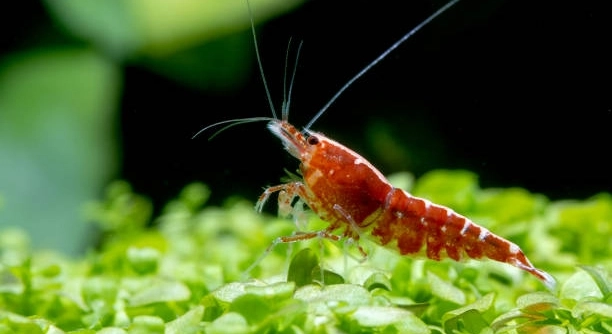
Are your cherry shrimp suddenly hanging upside down in the tank, leaving you a bit puzzled? Observing this unusual behavior can feel alarming, especially when you are trying to maintain a healthy, thriving aquarium environment for them.
The primary cause of cherry shrimp hanging upside down is poor water quality or low oxygen levels. Stress, illness, or exposure to toxins can also affect their normal swimming patterns, making them cling to surfaces or float awkwardly in the water.
Recognizing these signs early is important for keeping your shrimp healthy and preventing further complications in your tank.
Understanding Water Quality and Its Impact
Water quality is the most important factor for cherry shrimp health. High ammonia, nitrite, or nitrate levels can stress shrimp and cause them to hang upside down. Even small fluctuations in pH or hardness can affect their swimming behavior. Temperature changes also play a role; sudden drops or rises may confuse their internal balance. Consistent maintenance, including weekly water changes, testing for toxins, and using a reliable filter, helps create a stable environment. Removing leftover food promptly prevents decay, which can increase harmful chemicals. Proper aeration ensures oxygen is available throughout the tank. Sometimes, shrimp show this behavior as a response to subtle changes in the water that might seem minor but are significant to them. Observing patterns over time can help pinpoint specific issues. A clean, stable tank will reduce stress and support healthy activity, preventing upside-down hanging and other unusual behavior.
Maintaining stable water conditions is essential for preventing stress and ensuring your shrimp thrive.
Regular testing and gradual adjustments are key to keeping shrimp behavior normal. Understanding their needs helps prevent recurring problems.
Diet and Nutrition Effects
Poor nutrition can affect shrimp swimming and overall behavior. Shrimp need a balanced diet with algae, biofilm, and occasional supplements to maintain energy and health.
A diet lacking essential nutrients weakens shrimp, making them float or cling oddly. They may hang upside down when energy is low or their bodies cannot support normal swimming. Feeding small portions frequently rather than one large meal prevents overfeeding, which can pollute water and harm shrimp. Including natural food sources encourages foraging behavior, which keeps them active and reduces stress. Commercial shrimp food should be supplemented with blanched vegetables like zucchini or spinach, as these provide vitamins and fiber. Observing shrimp during feeding times helps identify weaknesses in their diet. If certain shrimp consistently hang upside down while others remain active, nutrition is often the underlying factor. Correcting the diet gradually allows shrimp to regain strength and resume normal swimming patterns without shocking their system. Balanced feeding, combined with clean water, promotes long-term health and stability in the tank.
Stress and Environmental Changes
Stress can make cherry shrimp hang upside down in the tank. Sudden movements, loud noises, or frequent rearranging of decorations can disturb them.
Shrimp are sensitive to their surroundings. Rapid changes in lighting, adding new tank mates, or shifting plants can cause stress. Stressed shrimp often cling to surfaces or float awkwardly. Even minor disturbances like tapping on the glass or sudden temperature shifts can affect their behavior. Keeping a calm, consistent environment helps shrimp feel secure and reduces unusual swimming patterns. Observing their reactions over time helps identify triggers. By minimizing sudden changes, you can keep shrimp active and healthy, supporting normal movement and behavior within the tank.
Even small stressors can disrupt normal activity. Consistency in the tank setup helps shrimp regain confidence and normal swimming patterns.
Illness and Parasites
Illness or parasites can be responsible for upside-down hanging in cherry shrimp. Signs often appear gradually, including lethargy, color fading, or unusual swimming.
Bacterial infections, fungal growth, or parasitic infestations weaken shrimp, making them cling to tank surfaces or float irregularly. Stress and poor water quality increase susceptibility to disease. Identifying the problem early is important, as prompt treatment can prevent widespread harm. Observation is key: noticing subtle changes in behavior, appetite, or coloration helps catch issues before they worsen. Treatments vary depending on the condition, ranging from quarantine to medication. Maintaining optimal tank conditions and a balanced diet reduces risks. Healthy shrimp are more resistant to illness, so preventive care is essential.
Regular monitoring and early intervention are critical for preventing disease from worsening. Consistent water quality, diet, and observation minimize the likelihood of illness-related upside-down behavior.
Molting Issues
Molting can cause cherry shrimp to hang upside down temporarily. During this process, their exoskeleton softens, making swimming difficult.
Shrimp may cling to surfaces to reduce stress while shedding. They are vulnerable at this stage, so providing hiding spots and stable water conditions supports safe molting and recovery.
Chemical Exposure
Exposure to chemicals like cleaning agents, medications, or contaminated water can affect shrimp behavior. Even low levels may cause them to float or hang oddly. Maintaining a chemical-free environment and monitoring water parameters carefully prevents stress and protects their health.
Tank Overcrowding
Too many shrimp or other tank inhabitants can create stress and reduce oxygen levels, leading to upside-down hanging. Overcrowding limits space for swimming and foraging.
Observation and Monitoring
Careful observation is key to maintaining healthy shrimp. Noticing subtle changes in behavior, appearance, or activity can help catch issues early and prevent long-term problems in the tank.
FAQ
Why are my cherry shrimp hanging upside down suddenly?
Upside-down hanging usually points to stress, poor water quality, or illness. Sudden changes in temperature, water parameters, or tank setup can shock shrimp. Weak or sick shrimp may cling to surfaces or float oddly. Observing water conditions and shrimp behavior carefully helps identify the exact cause.
Can upside-down shrimp recover on their own?
In mild cases, yes. If water quality is stable, stress is reduced, and nutrition is proper, shrimp often regain normal swimming within hours or days. Providing hiding spots and maintaining consistent tank conditions supports recovery. Monitoring for worsening symptoms is important to prevent complications.
Does water temperature affect shrimp behavior?
Absolutely. Cherry shrimp are sensitive to temperature changes. Rapid drops or rises can confuse their internal systems, leading to floating or hanging upside down. Keeping temperature stable, ideally within 72–78°F, ensures shrimp remain active and healthy. Sudden adjustments can increase stress and vulnerability to disease.
Can overfeeding cause upside-down shrimp?
Overfeeding can indirectly contribute. Excess food decays, raising ammonia and nitrite levels. Poor water quality stresses shrimp, leading to abnormal behavior. Feeding small amounts and removing uneaten food helps maintain clean water and prevents upside-down floating. Balanced nutrition is also essential to maintain energy and healthy molting.
Are upside-down shrimp always sick?
Not always. Temporary upside-down behavior can occur during molting, minor stress, or low oxygen levels. Illness is only one possibility. Observing other signs like lethargy, color fading, or refusal to eat helps determine if medical attention or water adjustments are needed.
How do I improve oxygen levels in the tank?
Adding an air stone or adjusting filter flow can improve oxygen distribution. Live plants also help maintain oxygen levels during the day. Avoid overcrowding and maintain a clean substrate, as decaying matter reduces oxygen. Proper aeration encourages normal swimming behavior and reduces upside-down hanging.
Can chemicals in the tank cause this behavior?
Yes. Household cleaners, medications, or contaminated water introduce toxins that stress shrimp. Even mild exposure can affect swimming. Avoid using chemicals near the tank and test water regularly. Quarantining new shrimp or plants before adding them also reduces risks.
Is molting the main reason shrimp hang upside down?
Molting is a common, non-dangerous reason. Shrimp soften their exoskeleton, making swimming difficult. They often cling to surfaces for protection. Ensuring stable water, hiding spots, and proper nutrition helps shrimp molt safely without injury or stress.
How long does it take for shrimp to return to normal?
It depends on the cause. If related to water quality or minor stress, shrimp may recover in hours to a couple of days. Illness or parasite issues may take longer and require treatment. Consistent monitoring and maintaining optimal tank conditions accelerate recovery.
Can tank overcrowding cause upside-down hanging?
Yes. Overcrowding reduces swimming space and oxygen, stressing shrimp. Stress often manifests as clinging to surfaces or floating upside down. Maintaining a reasonable shrimp-to-space ratio, monitoring tank mates, and providing hiding spots helps reduce stress and encourages normal behavior.
Should I isolate upside-down shrimp?
Isolation is only necessary if disease is suspected or aggression occurs. Healthy shrimp usually recover with water adjustments and stress reduction. Quarantine tanks are useful for treatment or observation, preventing potential spread of illness while supporting recovery.
Does diet impact this behavior?
Nutrition plays a role. Poor or unbalanced diets weaken shrimp, making them float or cling unusually. Providing a mix of algae, biofilm, blanched vegetables, and high-quality shrimp pellets ensures energy and supports healthy swimming and molting. Observation during feeding can highlight dietary deficiencies.
Can I prevent upside-down hanging entirely?
Prevention relies on stable water quality, balanced nutrition, proper temperature, minimal stress, and regular observation. Maintaining a clean tank, avoiding sudden changes, and monitoring shrimp health reduce occurrences. Even with precautions, temporary upside-down behavior during molting or minor stress may still appear, which is usually harmless.
How do I know if the shrimp is dying?
Persistent upside-down hanging combined with lethargy, color fading, and lack of response to feeding signals a serious problem. Immediate water testing, treatment, or isolation may be necessary. Early intervention improves survival chances and helps prevent spread of disease to other tank inhabitants.
What are the first steps when noticing upside-down shrimp?
Test water for ammonia, nitrites, nitrates, pH, and temperature. Remove decaying food and check for sudden environmental changes. Adjust aeration if necessary and provide hiding spots. Observe shrimp for additional symptoms to determine if medical treatment or continued monitoring is needed.
Can other tank animals cause this behavior?
Yes, aggressive fish or overly active tank mates can stress shrimp. Stress may manifest as clinging or floating upside down. Ensuring compatible species and providing sufficient hiding spaces allows shrimp to move safely without interference, reducing abnormal swimming behaviors.
Do all shrimp species hang upside down for the same reasons?
While causes overlap, different species have varying sensitivities. Cherry shrimp are particularly sensitive to water quality and stress. Other species may react differently to temperature, diet, or molting, but abnormal swimming typically signals environmental or health issues that need attention.
How often should I check shrimp behavior?
Daily observation is ideal. Noticing subtle changes early allows quick response to stress, disease, or water issues. Frequent checks help prevent escalation, maintain tank health, and ensure shrimp continue to swim normally without prolonged upside-down hanging.
Can lighting affect shrimp behavior?
Sudden or intense lighting can stress shrimp, causing unusual swimming. Gradual changes and providing shaded areas or plants for cover help them adjust. Stable light cycles reduce stress and encourage normal activity, keeping upside-down hanging to a minimum.
Is it normal for shrimp to hang upside down occasionally?
Occasional hanging during molting, minor stress, or exploration is normal. Persistent or repeated behavior usually indicates underlying issues like water quality, illness, or diet deficiencies. Monitoring and adjusting tank conditions helps distinguish harmless activity from concerning patterns.
Can I use medications to fix upside-down shrimp?
Medications are only necessary if illness or parasites are confirmed. Using chemicals without identifying the problem can stress shrimp further. Focus on water quality, diet, and stress reduction first. Quarantine and targeted treatments are safer when dealing with sick shrimp.
What should I do if multiple shrimp hang upside down?
Multiple upside-down shrimp usually point to tank-wide issues like poor water quality, low oxygen, or disease. Test water parameters, improve aeration, remove contaminants, and observe symptoms carefully. Addressing the environment benefits all shrimp and helps restore normal swimming patterns.
How long should I observe before taking action?
Immediate water testing is recommended. If behavior persists beyond a few hours or other symptoms appear, take corrective action. Waiting too long can worsen stress or disease, so timely intervention is crucial for shrimp health.
Can stress from transport cause this behavior?
Yes. Newly introduced shrimp may hang upside down after transport due to stress and adjustment to new water conditions. Gradual acclimation, gentle handling, and stable tank parameters help them settle and resume normal swimming.
Do I need to change the entire tank water?
Not always. Partial water changes often improve conditions without shocking shrimp. Large water changes should be gradual and matched to temperature and parameters. Maintaining consistency reduces stress and encourages recovery from upside-down behavior.
Can plants help reduce upside-down hanging?
Live plants provide hiding spots, improve water quality, and increase oxygen. Shrimp feel secure when they have cover, reducing stress-related hanging. Moss, floating plants, or dense decorations create areas for molting and resting, supporting normal behavior.
Is it normal for baby shrimp to hang upside down?
Young shrimp are more vulnerable to water changes, oxygen levels, and stress. Temporary upside-down hanging during adjustment or feeding is common. Ensure stable water, proper nutrition, and protection from adults or tank mates to support healthy growth.
How do I know if molting is the cause?
Shrimp may cling or float awkwardly just before or after shedding. Soft, translucent exoskeletons indicate molting. Provide hiding spaces and avoid handling during this period. Once the new exoskeleton hardens, shrimp usually return to normal swimming.
Can low pH cause this behavior?
Yes. Cherry shrimp prefer slightly acidic to neutral water. Low pH can stress them, causing floating or clinging. Monitoring pH levels and making gradual adjustments with safe buffers helps maintain normal behavior.
How often should I feed shrimp to prevent this behavior?
Small, frequent feedings work best. Overfeeding or underfeeding can stress shrimp. Providing a mix of natural food, vegetables, and pellets ensures energy for swimming, molting, and recovery from minor stress, reducing upside-down occurrences.
What signs indicate oxygen deficiency?
Shrimp may hang near the surface or cling upside down when oxygen is low. Rapid gill movement, lethargy, or group clustering near aeration points signals a need for increased oxygenation. Regular monitoring helps prevent stress-related behavior.
Can tank decorations cause upside-down hanging?
Yes. Sharp, slippery, or unstable decorations can stress shrimp or impede swimming. Providing secure hiding spots and gentle surfaces encourages normal movement and reduces the chance of clinging or floating oddly.
Is upside-down hanging more common at night?
Shrimp activity varies with light cycles. Temporary upside-down hanging at night may occur but usually is brief. Consistent light schedules and shaded areas help maintain normal swimming patterns throughout the day.
How does ammonia affect shrimp?
Ammonia is toxic even at low levels. It irritates gills, stresses shrimp, and can cause floating or upside-down hanging. Regular testing and partial water changes prevent accumulation and support healthy behavior.
Can frequent water changes stress shrimp?
Yes. Sudden or large water changes can shock shrimp. Gradual, consistent water replacement with temperature- and parameter-matched water minimizes stress and prevents abnormal swimming.
Do adult and juvenile shrimp react differently?
Juveniles are more sensitive to stress, water changes, and diet deficiencies. Adults are hardier but still react to poor conditions. Observing both groups separately helps identify specific causes of upside-down hanging.
Can disease spread quickly in a tank?
Yes. Bacterial, fungal, or parasitic infections can move fast, especially in overcrowded or stressed tanks. Isolating sick shrimp and maintaining clean water reduces transmission and protects healthy individuals.
How do I improve recovery chances for upside-down shrimp?
Stabilize water quality, reduce stress, provide hiding spots, and ensure proper nutrition. Observing behavior closely and treating underlying issues promptly gives shrimp the best chance to return to normal swimming.
Are there long-term effects of repeated upside-down behavior?
Persistent upside-down hanging can weaken shrimp, affect molting, and increase susceptibility to disease. Addressing environmental and dietary issues early prevents long-term health problems and supports a stable, active shrimp population.
Is it normal for shrimp to hang upside down during feeding?
Occasionally, shrimp may cling while eating biofilm or vegetables. This is normal if they return to normal swimming afterward. Persistent hanging during feeding may indicate stress, illness, or water issues.
Can temperature swings overnight affect behavior?
Yes. Even small overnight drops can stress shrimp, causing floating or clinging. Using a heater or ensuring stable room temperature minimizes nighttime stress and supports consistent activity.
How do I know when the tank is safe again?
Shrimp swimming normally, eating regularly, and showing vibrant color indicate recovery. Testing water and observing for several days ensures conditions remain safe, preventing recurrence of upside-down hanging.
Does tank size matter for this behavior?
Smaller tanks have less stable water and oxygen, increasing stress. Proper tank size with adequate hiding spots allows normal movement and reduces upside-down hanging. Overcrowding in small tanks exacerbates problems.
Can I prevent upside-down hanging with supplements?
Supplements like calcium for molting or vitamins can help but won’t fix water or stress issues. Balanced nutrition supports health, but environmental stability is the primary prevention method.
Are all shrimp affected the same way by stress?
Individual sensitivity varies. Some shrimp may hang upside down while others remain active under the same conditions. Observing all shrimp helps determine if behavior is species-wide or individual.
Can leftover food trigger this behavior?
Yes. Decaying food releases toxins, stressing shrimp. Cleaning uneaten food and monitoring feeding reduces water contamination and prevents upside-down hanging.
How long can shrimp survive upside down?
Short periods are usually harmless if water and oxygen are adequate. Prolonged hanging combined with lethargy or color loss signals serious issues and requires immediate attention.
Is this behavior reversible?
Yes, in most cases. Correcting water quality, stress, and nutrition issues usually restores normal swimming. Prompt action ensures shrimp recover without lasting effects.
Can lighting changes trigger stress?
Sudden shifts in lighting can stress shrimp. Gradual changes and providing shaded areas reduce abnormal swimming and upside-down hanging.
What is the most common reason overall?
Poor water quality, stress, and molting are the leading causes. Addressing these factors first resolves most upside-down behavior.
Should I worry if only one shrimp is affected?
Single occurrences often indicate minor stress, molting, or individual sensitivity. Persistent or widespread behavior signals tank-wide problems needing attention.
Can I prevent this by quarantining new shrimp?
Yes. Quarantine prevents introducing disease or sudden water changes, reducing stress and upside-down hanging in established shrimp populations.
Do shrimp ever hang upside down naturally?
Occasionally during molting or foraging, but persistent or repeated hanging is abnormal and usually linked to environmental or health issues.
How do I balance water parameters for prevention?
Regular testing for ammonia, nitrites, nitrates, pH, and temperature, combined with gradual adjustments and partial water changes, maintains stable conditions and minimizes stress-related hanging.
Can I keep multiple shrimp species together safely?
Yes, if they have similar environmental needs. Monitor behavior closely, provide hiding spots, and avoid overcrowding to reduce stress and upside-down hanging.
What is the role of hiding spots?
Hiding spots reduce stress, provide safety during molting, and allow shrimp to rest, minimizing upside-down hanging and promoting normal swimming patterns.
Does filtration affect this behavior?
Proper filtration stabilizes water quality and oxygen, reducing stress. Too strong a flow may cause shrimp to cling or float oddly. Adjusting flow ensures comfort while maintaining clean water.
Can disease alone cause hanging upside down?
Yes, but usually in combination with stress or poor water quality. Early detection and treatment are critical for recovery.
Are transparent shrimp more sensitive?
Transparent or lightly colored shrimp may show stress signs sooner, including upside-down hanging. Observing these individuals helps identify environmental problems early.
Can seasonal changes impact behavior?
Yes. Room temperature fluctuations or daylight changes can stress shrimp. Maintaining consistent conditions reduces upside-down hanging across seasons.
How often should I clean the tank?
Weekly partial water changes and substrate cleaning help maintain water quality and oxygen levels, preventing stress and abnormal behavior.
Do I need special tools to monitor behavior?
Not necessarily. Careful observation and regular water testing are usually sufficient. Notes on shrimp activity and appearance help track health trends.
Can shrimp recover if water quality is poor for a long time?
Prolonged poor water quality can weaken shrimp and increase mortality. Prompt improvement in water conditions and supportive care increases recovery chances.
What role does pH stabilization play?
Stable pH reduces stress and supports normal molting and swimming. Sudden shifts can cause upside-down hanging, especially in sensitive shrimp like cherries.
Can tankmates help reduce stress?
Peaceful, non-predatory tankmates may provide activity without threat. Avoid aggressive species that can stress shrimp and trigger upside-down hanging.
Is regular observation enough for prevention?
Observation combined with water testing, proper feeding, and environmental stability is effective for preventing most upside-down hanging cases.
How do I know if the problem is resolved?
Shrimp swim normally, eat regularly, and display healthy color. Consistent monitoring ensures long-term recovery and tank stability.
Are shrimp more prone to hanging upside down in small tanks?
Yes. Limited space and less stable water parameters increase stress and reduce swimming freedom. Proper tank size and environmental management help prevent this behavior.
Does molting frequency affect this?
Frequent molting may temporarily increase upside-down hanging. Providing proper nutrition and hiding spots ensures safe, healthy molting cycles.
Can I prevent disease-related hanging?
Maintaining clean water, balanced nutrition, quarantine procedures, and minimal stress reduces disease risk and associated upside-down behavior.
What immediate steps help stressed shrimp?
Check water parameters, add hiding spots, remove decaying food, and ensure stable temperature and aeration. These steps often restore normal swimming quickly.
How do I distinguish stress from illness?
Stress often shows as temporary floating, clinging, or hiding. Illness includes persistent lethargy, color fading, appetite loss, and abnormal exoskeletons. Careful observation helps differentiate causes.
Can I treat upside-down behavior directly?
Direct treatment isn’t possible. Addressing underlying causes like water quality, stress, diet, or disease restores normal swimming. Supportive care and monitoring are key.
Does tank decoration density matter?
Yes. Dense or sharp decorations can limit movement and stress shrimp. Safe, accessible decorations with hiding spots support healthy swimming and reduce upside-down occurrences.
How important is gradual change in preventing this?
Very important. Sudden shifts in water, temperature, or lighting stress shrimp. Gradual adjustments help them adapt without triggering upside-down hanging.
Can adult shrimp recover faster than juveniles?
Adults may recover faster due to stronger immune systems, but both benefit from stable conditions, nutrition, and low-stress environments. Observation and care are essential for all ages.
Is there a specific pattern to upside-down hanging?
Patterns vary based on cause. Molting-related hanging is temporary, while stress, poor water quality, or illness may cause repeated or prolonged behavior. Tracking patterns helps identify triggers.
How do I maintain oxygen levels consistently?
Use proper filtration, aeration devices, live plants, and avoid overcrowding. Monitoring behavior and water parameters ensures oxygen remains sufficient for all shrimp.
Does substrate type influence behavior?
Fine or soft substrates are easier to navigate, reducing stress. Sharp or rough substrates can make shrimp cling or float oddly, contributing to upside-down hanging.
Can temperature swings during the day affect behavior?
Yes. Daytime fluctuations can stress shrimp. Consistent temperature helps maintain normal swimming and reduces the likelihood of upside-down hanging.
Is feeding timing important?
Yes. Regular, small feedings support energy levels, prevent water contamination, and reduce stress-related upside-down behavior. Irregular feeding can contribute to abnormal swimming patterns.
Can shrimp adapt to minor water quality fluctuations?
They can tolerate small fluctuations, but consistent extremes cause stress. Maintaining stable
Cherry shrimp hanging upside down can be worrying, but it is often a signal from your tank that something needs attention. Observing their behavior carefully helps identify whether the cause is stress, water quality, diet, molting, or illness. These tiny creatures are sensitive to their environment, and even small changes can affect how they swim. Monitoring daily activity, eating habits, and interactions with other shrimp gives you clues about their overall health. Keeping water clean and stable is one of the most effective ways to reduce upside-down hanging. Regular testing for ammonia, nitrites, nitrates, pH, and temperature ensures that water conditions remain suitable for your shrimp. Partial water changes and gentle cleaning of the substrate prevent harmful chemical buildup and support healthy shrimp activity. Providing proper aeration keeps oxygen levels consistent and helps maintain normal swimming patterns, which are essential for shrimp to thrive.
Diet also plays a major role in shrimp health. A balanced mix of algae, biofilm, high-quality shrimp pellets, and occasional blanched vegetables provides the nutrients needed for energy and proper molting. Overfeeding should be avoided, as leftover food can decay and create toxins, stressing the shrimp. Feeding small portions regularly encourages active foraging behavior and helps shrimp maintain strength. During molting, shrimp may hang upside down temporarily. Providing hiding spots and a calm environment allows them to complete the process safely. Understanding their dietary needs and adjusting feeding routines based on shrimp activity supports long-term health and reduces unusual behavior in the tank. Careful observation during feeding times is useful to see which shrimp may be struggling or weak, allowing for timely adjustments.
Stress is another common factor contributing to upside-down behavior. Sudden changes in lighting, water temperature, or tank setup can disturb shrimp, while aggressive tank mates or overcrowding increase tension. Maintaining a calm, consistent environment and offering sufficient hiding spaces helps shrimp feel secure. Illness or parasites may also cause abnormal swimming, and early detection is crucial. Watching for color changes, lethargy, or refusal to eat allows for timely intervention. In most cases, improving water quality, providing proper nutrition, and reducing stress will restore normal swimming patterns. By combining consistent maintenance, careful observation, and attention to diet and stress, you can help your shrimp recover and prevent upside-down hanging from becoming a recurring problem. Healthy, stable tank conditions ensure your cherry shrimp remain active, strong, and comfortable in their environment, making it easier to enjoy their natural behaviors.

Hello,
If you enjoy the content that we create, please consider saying a "Thank You!" by leaving a tip.
Every little bit helps us continue crafting quality advice that supports the health, happiness, and well-being of pets around the world, for pets of all shapes, sizes, and species.
We really appreciate the kindness and support that you show us!