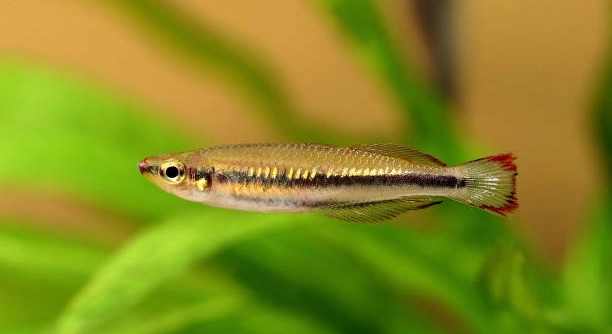
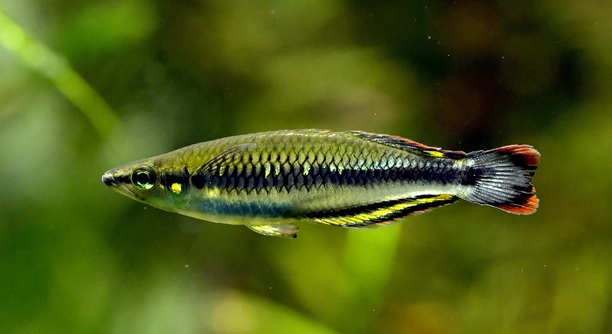
7 Signs Your Rainbowfish Is Getting Older
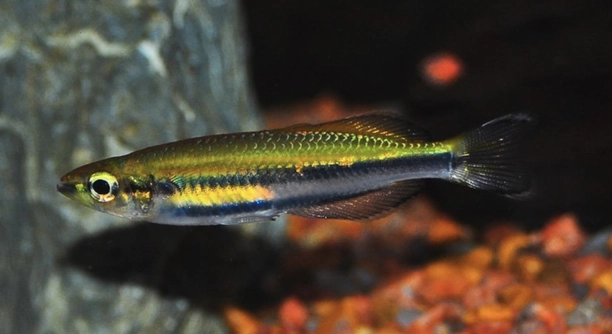
Have you ever noticed subtle changes in your rainbowfish but weren’t sure if they meant anything? Aging in fish can be gradual, making it hard to recognize the signs until they become more obvious over time. Rainbowfish show aging through physical and behavioral changes, including faded colors, slower swimming, reduced appetite, and changes in fin … Read more
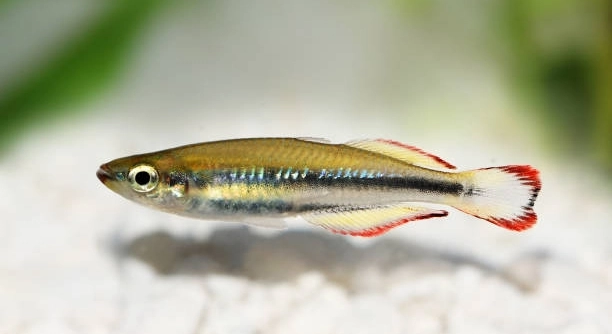
Are Rainbowfish Smarter Than Other Fish?

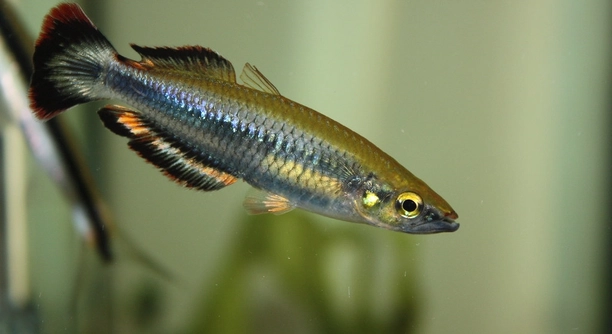
Rainbowfish are small, colorful freshwater fish that many aquarists enjoy keeping. Their active swimming patterns and vibrant colors make them a lively addition to home aquariums, often attracting attention for both their appearance and behavior. Research indicates that rainbowfish exhibit higher cognitive abilities compared to many other freshwater species. Studies show they can learn new … Read more

Do Rainbowfish Enjoy Bubble Walls?

Rainbowfish are small, colorful freshwater fish that many people enjoy keeping in home aquariums. Their lively movements and bright scales make them appealing, and owners often try different ways to enhance their environment for better wellbeing. Rainbowfish generally respond positively to bubble walls in aquariums. The gentle streams of bubbles provide both visual stimulation and … Read more

How to Tell If Rainbowfish Are Comfortable

Rainbowfish are small, colorful freshwater fish that bring life to any aquarium. Their vivid colors and active swimming patterns make them popular among fish enthusiasts who want a lively and engaging tank environment. Rainbowfish display comfort through consistent swimming, vibrant coloration, and healthy appetite. Calm interactions with tank mates, regular exploration of their environment, and … Read more

Why Rainbowfish May Act Shy in New Tanks

Have you ever noticed rainbowfish hiding quietly when they enter a new tank, showing less color and movement than expected, despite being active community fish known for confidence in stable, familiar aquarium environments over time. Rainbowfish often act shy in new tanks due to environmental stress, unfamiliar surroundings, and altered social dynamics. Changes in water … Read more

7 Indicators of Poor Tank Flow

Do you ever notice your aquarium looks healthy yet something feels off with movement and clarity, even with regular care and clean water routines in place that support fish comfort and overall system balance daily? Poor tank flow is most commonly caused by inadequate circulation design and obstructed equipment. Insufficient water movement allows debris to … Read more

Can You Keep Rainbowfish in a Bowl?

Keeping rainbowfish can seem simple, especially with their bright colors and lively movements. Many people enjoy having them in smaller setups, hoping to bring a bit of beauty and calm into their homes. Rainbowfish should not be kept in a bowl due to inadequate space, poor water quality, and stress. Proper care requires a well-filtered … Read more

7 Signs Your Rainbowfish Is Getting Old

Are your rainbowfish showing subtle changes in behavior or appearance as time passes? Over the years, these colorful fish can gradually show signs of aging that are easy to miss for many aquarium owners. Rainbowfish exhibit several physiological and behavioral changes as they age. These include fading coloration, slower swimming patterns, decreased appetite, fin deterioration, … Read more

7 Things You Can Use Instead of Fake Plants

Many people enjoy decorating their homes with greenery, but not everyone wants the upkeep real plants require. Fake plants are convenient, yet they can feel artificial and lack the natural touch some spaces need. There are several alternatives to fake plants that provide visual appeal without high maintenance. Items such as dried flowers, preserved moss, … Read more

7 Signs Your Tank Needs More Plants

Are your fish tank decorations starting to feel bare or empty? Many aquarists enjoy watching their tanks flourish, but sometimes the space can feel incomplete without enough greenery. Plants add life, color, and texture to any aquarium. A tank lacking sufficient plants can negatively affect water quality, fish behavior, and overall ecosystem balance. Adding more … Read more