
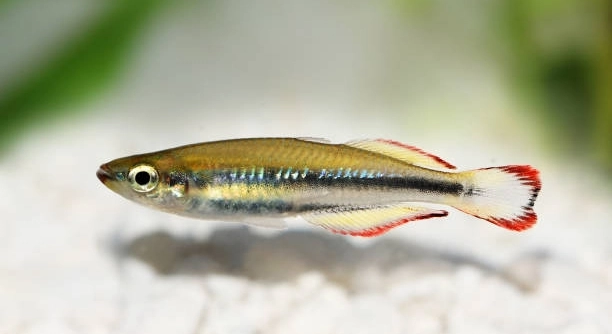
Rainbowfish are small, colorful freshwater fish that many people enjoy keeping in home aquariums. Their lively movements and bright scales make them appealing, and owners often try different ways to enhance their environment for better wellbeing.
Rainbowfish generally respond positively to bubble walls in aquariums. The gentle streams of bubbles provide both visual stimulation and mild water movement, which can encourage activity. These features contribute to a more dynamic environment, supporting overall fish health and engagement.
Adding a bubble wall can change the aquarium atmosphere and subtly influence how rainbowfish interact with their surroundings. Observing these changes can reveal interesting details about their behavior and preferences.
Benefits of Bubble Walls for Rainbowfish
Bubble walls add movement and oxygen to an aquarium, which helps rainbowfish stay active and healthy. The rising bubbles create gentle currents that encourage swimming and exploration. Fish that are active tend to show brighter colors and improved appetite. For rainbowfish, this can make a noticeable difference in how they behave daily.
The visual effect of bubbles also provides stimulation. Fish watch and interact with the rising streams, which keeps them occupied and reduces boredom in a confined space.
Over time, bubble walls can improve overall tank health. The movement prevents stagnant water spots, helping oxygen reach all areas. Fish can swim against currents, which supports their muscle development. Owners often notice that rainbowfish using bubble walls display more consistent energy levels. Additionally, the bubbling motion can help prevent algae buildup by keeping water circulating and mixing nutrients evenly, contributing to a cleaner, healthier aquarium.
How to Install a Bubble Wall
Installing a bubble wall is simple and requires minimal equipment. Most setups need an air pump, tubing, and the bubble wall itself.
Place the bubble wall along the tank’s back or side and connect it to the air pump. Adjust airflow to create gentle bubbles suitable for rainbowfish. Positioning matters; ensure bubbles do not disturb plants or decorations. Regular maintenance, like checking tubing for blockages, keeps the system running efficiently.
It’s important to monitor the fish after installation. Observe how they interact with the bubbles and adjust the flow if necessary. Too strong a current can stress them, while too weak may not provide enough stimulation. Over several days, rainbowfish usually get used to the new addition and may actively swim through the rising streams. Cleaning the bubble wall regularly prevents mineral buildup that can reduce efficiency. Choosing a high-quality air pump ensures consistent performance, and keeping tubing away from sharp edges prevents leaks. With proper care, a bubble wall enhances both fish activity and overall aquarium health, making it a practical addition for anyone looking to improve their tank environment.
Choosing the Right Bubble Wall
Not all bubble walls are the same. Size, design, and airflow affect how rainbowfish experience them. Selecting a wall that matches the tank dimensions ensures even bubbles and proper circulation.
A bubble wall that is too small may not create enough movement, leaving some areas stagnant. Conversely, a wall that is too large or produces excessive bubbles can stress the fish. Opt for adjustable airflow models to fine-tune the bubble strength. Position the wall to avoid interfering with decorations or plants, giving fish space to swim freely. A well-chosen bubble wall balances water movement, oxygenation, and visual appeal, creating a healthier environment for rainbowfish.
Materials matter as well. Durable, non-toxic plastics or silicone prevent harmful chemicals from leaching into the water. Easy-to-clean surfaces reduce maintenance time, ensuring bubbles remain consistent. Tubing quality is also important; leaks or blockages can disrupt the system and affect fish behavior. Checking for proper fittings and compatibility with your air pump ensures long-term stability. Investing in quality equipment improves performance and supports a calmer, more active aquarium atmosphere for rainbowfish.
Monitoring Rainbowfish with Bubble Walls
Observation is essential after installing a bubble wall. Watch how rainbowfish respond to the water movement and adjust accordingly.
Active swimming and bright coloration indicate comfort, while hiding or erratic movements suggest stress. Adjust airflow to find a balance that encourages activity without overwhelming them. Regularly inspect both the bubble wall and pump to maintain consistent performance. Monitoring also helps detect early signs of health issues, as stressed fish may show changes in appetite or swimming patterns. Tracking behavior over time ensures rainbowfish remain happy and engaged with the enhanced environment.
Keeping a log of fish behavior can be helpful. Note times when they interact most with the bubbles and any reactions to changes in airflow. This information guides adjustments to optimize the setup. Additionally, bubble walls can indirectly improve water quality by circulating oxygen and preventing stagnant zones. Combined with regular water testing, this ensures a stable habitat. Observing patterns also allows fine-tuning of placement and intensity to match tank size, plant arrangements, and fish activity levels. Careful monitoring strengthens overall aquarium health and supports rainbowfish wellbeing.
Bubble Wall Placement Tips
Place the bubble wall where it does not block swimming space. Corners or along the back wall work best for circulation.
Avoid placing it too close to delicate plants or decorations. Fish need open areas to swim freely without obstruction.
Adjusting Airflow for Comfort
Start with low airflow and gradually increase it to suit rainbowfish activity levels. Gentle bubbles encourage natural swimming without causing stress. Watch fish reactions and adjust until they interact comfortably with the rising bubbles. Consistent, controlled airflow helps maintain water movement and oxygenation, supporting overall health and engagement.
Cleaning and Maintenance
Regularly clean the bubble wall to prevent buildup. Mineral deposits or algae can block bubbles and reduce effectiveness.
FAQ
Do rainbowfish get stressed by bubble walls?
Rainbowfish can become stressed if the bubbles are too strong or the wall is poorly positioned. Gentle, consistent bubbles usually encourage activity rather than stress. Observing fish behavior helps identify any issues, and adjusting airflow or moving the wall often resolves discomfort.
How often should I clean the bubble wall?
Cleaning every two to four weeks is generally sufficient. Remove mineral buildup, algae, or debris that can block airflow. Regular maintenance ensures consistent bubbles and prevents uneven water circulation, which contributes to a healthier aquarium for rainbowfish.
Can bubble walls replace filters or aerators?
No. Bubble walls improve water movement and oxygenation but do not replace the filtration system. Filters remove waste and toxins, while bubble walls help circulate water and stimulate fish activity. Both are important for a balanced and clean aquarium environment.
Will bubble walls affect tank temperature?
Bubble walls do not significantly alter water temperature. They create mild currents that help even out temperature in the tank, but heaters or chillers are still necessary to maintain stable temperatures suitable for rainbowfish.
Can plants survive near bubble walls?
Yes, most plants tolerate gentle bubble walls. Position the wall to avoid direct, strong currents hitting delicate plants. The circulation can even help prevent stagnant water pockets and support healthy plant growth.
Is a bubble wall suitable for all tank sizes?
Bubble walls work best when sized appropriately for the tank. Small tanks may only need a short wall with low airflow, while larger tanks benefit from longer walls with adjustable bubbles. Proper sizing ensures even circulation and reduces stress on fish.
Do rainbowfish interact with bubble walls?
Yes, they often swim through and around the rising bubbles. This interaction provides physical exercise and mental stimulation. Fish may use the currents for gentle resistance, which encourages natural swimming behaviors.
Can I leave the bubble wall running overnight?
Yes, bubble walls can run continuously. Consistent oxygenation and water movement are beneficial, especially in tanks with multiple fish. Ensure the pump is quiet enough not to disturb daily activities or rest cycles.
Are there safety concerns with bubble walls?
Ensure tubing and pump connections are secure to prevent leaks or electrical hazards. Avoid placing walls near sharp edges that could damage the tubing. Using non-toxic, aquarium-safe materials keeps rainbowfish safe while enjoying the bubbles.
Will all rainbowfish react the same way to a bubble wall?
Individual fish may vary in response. Some may swim actively through the bubbles, while others prefer calm areas. Observe each fish and adjust placement or airflow to accommodate different personalities. Over time, most adapt and benefit from the wall.
Can bubble walls help with water quality?
Indirectly, yes. By promoting circulation, bubbles prevent stagnant spots, distribute oxygen evenly, and help nutrients mix. While they do not remove waste, they support a healthier environment alongside filtration and regular water changes.
How do I know if the bubble wall is too strong?
Signs of strong airflow include fish avoiding the area, erratic swimming, or hiding constantly. Reduce the airflow gradually until fish swim comfortably and interact naturally with the bubbles. A well-adjusted wall encourages activity without stress.
Do bubble walls make noise in the aquarium?
Some noise is normal, mainly from the pump. High-quality pumps run quietly, and proper tubing placement reduces gurgling. Minor sound usually does not disturb rainbowfish but can be noticed in very quiet rooms.
Can bubble walls help with breeding rainbowfish?
Indirectly, yes. Active, healthy fish are more likely to breed successfully. Bubbles increase swimming activity and reduce stress, creating a better environment for natural behaviors. They do not replace specific breeding setups but support overall wellbeing.
Should I use one bubble wall or multiple?
The number depends on tank size and fish count. Large tanks may benefit from multiple walls to ensure even circulation, while small tanks typically only need one. Proper placement avoids excessive currents and keeps fish comfortable throughout the tank.
Do bubbles affect feeding behavior?
Mild bubbles usually do not interfere with feeding. Fish may swim around bubbles while eating, but strong currents can scatter food. Adjust airflow during feeding if necessary to ensure fish can easily reach their food.
Are there alternatives to bubble walls for stimulation?
Yes. Gentle water pumps, decorations that create currents, or floating ornaments can also provide activity. Bubble walls are effective because they combine oxygenation, movement, and visual appeal, which most alternatives cannot fully replicate.
How long do bubble walls last?
With proper maintenance, bubble walls can last several years. Cleaning regularly, checking for leaks, and replacing worn tubing ensures long-term performance. Quality materials and a reliable air pump increase lifespan and reduce the need for frequent replacement.
Can bubble walls be used with other fish species?
Yes, many species enjoy mild water movement, but placement and airflow must suit each species’ needs. Aggressive currents can stress certain fish, while calmer currents are preferred for delicate or slow-moving species. Monitor behavior to ensure compatibility.
What is the main benefit of bubble walls for rainbowfish?
The main benefit is improved activity and mental stimulation. The combination of gentle water movement and visual interaction encourages natural behaviors, supports health, and enhances the overall aquarium environment, making rainbowfish more vibrant and engaged.
Final Thoughts
Bubble walls can be a valuable addition to a rainbowfish aquarium. They provide gentle water movement and oxygenation, which encourages fish to swim more actively. Increased activity helps rainbowfish maintain healthy muscles and prevents them from becoming lethargic. Over time, this improved activity can also enhance their colors, making them appear brighter and more vibrant. A properly installed bubble wall offers both physical and mental stimulation, giving rainbowfish an environment that feels more dynamic and engaging.
Placement and airflow are important considerations for success. Bubble walls should be positioned where they do not block swimming space or disturb plants and decorations. Starting with low airflow and gradually increasing it allows fish to adjust comfortably. Observing fish reactions is essential; signs of stress, such as hiding or erratic swimming, indicate the need to reduce bubble intensity. With careful adjustment, rainbowfish usually adapt quickly and begin to interact naturally with the bubbles, swimming through the rising streams or using the gentle currents for exercise.
Maintenance is another key factor in keeping a bubble wall effective. Regular cleaning prevents mineral deposits, algae buildup, and blockages that can reduce bubble production. Checking tubing and pump connections ensures consistent airflow and prevents leaks or mechanical issues. While bubble walls do not replace filtration or water changes, they complement other systems by promoting circulation and evenly distributing oxygen. Overall, a well-chosen, properly maintained bubble wall can improve aquarium health, enhance rainbowfish activity, and create a more visually appealing environment. It is a simple adjustment that can make a noticeable difference in the wellbeing of the fish.

Hello,
If you enjoy the content that we create, please consider saying a "Thank You!" by leaving a tip.
Every little bit helps us continue crafting quality advice that supports the health, happiness, and well-being of pets around the world, for pets of all shapes, sizes, and species.
We really appreciate the kindness and support that you show us!