
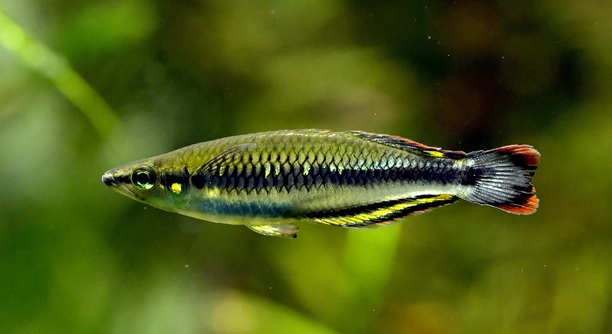
Have you ever noticed rainbowfish hiding quietly when they enter a new tank, showing less color and movement than expected, despite being active community fish known for confidence in stable, familiar aquarium environments over time.
Rainbowfish often act shy in new tanks due to environmental stress, unfamiliar surroundings, and altered social dynamics. Changes in water parameters, lighting, and tank layout temporarily disrupt normal behavior, causing cautious movement until acclimation and perceived safety improve steadily returns.
Understanding these early behaviors helps aquarists create calmer setups, support adjustment, and encourage rainbowfish to display their confidence and color.
Environmental Changes and Stress
Rainbowfish are highly sensitive to changes in their surroundings, and a new tank introduces many differences at once. Water chemistry often shifts during setup, even when parameters appear stable. Subtle changes in temperature, hardness, and pH can affect comfort levels. Lighting is another factor, as brighter or unfamiliar lighting may feel exposing. Decorations and plants that lack coverage can increase this response. In addition, sounds and movement around the tank may be new and unpredictable. When combined, these elements create mild stress that encourages hiding rather than exploration. I have noticed that even healthy rainbowfish will stay close to corners or plants during this period. This behavior is not a sign of illness, but a natural response to unfamiliar conditions. Given time and consistency, their confidence slowly increases as the tank becomes predictable and safe without rushing changes or forcing interaction before they settle fully into the environment around them.
Social structure also plays a role in shy behavior. Rainbowfish rely on group dynamics, and unfamiliar tank mates can cause hesitation. When hierarchy is unclear, individuals may withdraw temporarily. This adjustment phase is common and usually short when stocking choices are appropriate and environmental conditions remain stable and calm throughout.
Tank layout strongly influences how secure rainbowfish feel. Open tanks with little plant cover offer few places to retreat. This can lead to constant alert behavior and reduced swimming. Driftwood, tall plants, and shaded areas help break lines of sight. These features allow fish to rest without feeling exposed. I prefer adding visual barriers before introducing fish, as it reduces early stress. Consistent feeding schedules also help build trust. Over time, rainbowfish learn where food appears and begin associating the tank with routine rather than threat. This shift supports calmer behavior and gradual social display during the first weeks period.
How to Help Rainbowfish Adjust
Shy behavior is usually temporary, but supportive care speeds adjustment. Small changes make a difference, especially during the first days. Patience matters more than constant interference. Watching quietly allows rainbowfish to settle naturally without added pressure from repeated tank disturbances caused by frequent cleaning, tapping glass, or sudden lighting changes.
Helping rainbowfish adjust starts before they enter the tank. Water parameters should match their source as closely as possible to limit shock. Slow acclimation reduces stress responses and improves early behavior. Once introduced, avoid rearranging decorations for at least several weeks. Stability encourages confidence. Feeding lightly at first prevents excess waste and keeps water quality steady. I have found that offering food at the same time daily creates predictability. Tank mates should be peaceful and appropriately sized, as active or aggressive species increase hiding. Adequate group size is also important. Rainbowfish feel safer when kept in proper numbers, which spreads attention and reduces tension. Lighting should remain moderate, with gradual transitions between day and night. Sudden brightness can trigger hiding. Maintenance routines should be gentle and consistent. With stable conditions, rainbowfish begin swimming openly, showing stronger coloration and interaction. Their initial shyness fades as the tank becomes familiar, reinforcing that patience and preparation shape long term behavior. This approach reduces stress signals, supports immune health, and allows natural social behavior to emerge without force or constant intervention from the aquarist over time. Consistent care builds trust and results in a calmer, more visible school within a well maintained aquarium environment.
Tank Mates and Social Comfort
Rainbowfish react strongly to the presence of other fish during early tank stages. Active or territorial species can cause constant alert behavior. Even peaceful fish may feel threatening at first. This pressure encourages rainbowfish to stay hidden until social roles settle and movement patterns become familiar over time slowly together.
Group size plays an important role in confidence levels. Rainbowfish thrive when kept in proper numbers, as attention spreads across the group. Too few individuals can increase stress and withdrawal. When introduced together, fish establish order faster. I have noticed larger groups explore sooner, especially when tank mates remain calm. Avoid mixing rainbowfish with fin nippers or overly fast swimmers. These interactions can suppress natural movement and color. Peaceful companions allow rainbowfish to observe without fear, encouraging gradual participation in open swimming areas. This support helps reduce hiding and promotes steady behavioral adjustment over time within the aquarium environment overall.
Timing also affects social comfort. Adding rainbowfish to an established tank with active residents may overwhelm them initially. Introducing them before other species often leads to better outcomes. Feeding behavior reflects comfort levels as well. Shy fish hesitate during meals, staying back until activity slows. I usually observe feeding closely during the first week. Consistent routines help rainbowfish anticipate safety. Over time, they move forward sooner and compete gently for food. This shift signals growing trust and social stability within the tank environment as conditions stabilize and daily patterns become predictable for all fish involved over time naturally together steadily.
Lighting and Daily Activity Patterns
Lighting intensity influences how exposed rainbowfish feel. Bright lights without shaded areas can keep them near cover. Sudden changes between light and dark increase caution. I prefer gradual lighting schedules to reduce stress. Floating plants or dim zones help create balance. When light feels predictable, rainbowfish spend more time swimming openly during daily activity periods, especially in newly set up tanks where familiarity is still developing and confidence builds slowly with routine exposure over time.
Daily rhythms shape behavior more than many expect. Rainbowfish adjust their activity based on light cycles, feeding times, and surrounding movement. Inconsistent schedules can prolong hiding. Regular lighting hours help establish normal patterns. I have found that tanks placed in busy rooms cause longer adjustment periods due to constant motion. Quieter locations support calmer behavior. Morning and evening transitions are especially sensitive moments. Abrupt light changes often trigger retreat. Using timers creates smooth consistency. Combined with stable feeding routines, this approach encourages predictable movement. Over several weeks, rainbowfish begin aligning their swimming and resting with these cues. This consistency reduces stress responses and supports healthier social interaction within the tank environment as stability improves behavior normalizes naturally without forced changes or excessive intervention over time.
Water Conditions and Stability
Water parameters influence comfort more than appearance. Minor shifts in temperature, pH, or hardness affect behavior. New tanks often fluctuate during early weeks. Rainbowfish respond by slowing movement and hiding. I monitor parameters closely during this phase to maintain consistency and reduce unnecessary stress before issues escalate further over time.
Poor water quality does not always show visible signs immediately. Elevated ammonia or nitrite levels can exist quietly. Rainbowfish sense these changes early. I rely on frequent testing and gentle water changes to keep conditions steady while fish adjust without sudden swings that trigger fear responses during acclimation periods overall.
Tank Size and Physical Space
Tank size and layout directly affect how secure rainbowfish feel. Cramped spaces limit escape routes and increase tension. Larger tanks allow smoother movement and reduce visual pressure. I prefer long tanks with open swimming areas balanced by plant cover. Vertical height matters less than horizontal space. Overcrowding slows confidence growth and delays social behavior. Proper filtration supports stability by keeping water clean without strong currents. Gentle flow encourages natural swimming patterns. When space feels adequate, rainbowfish spend less time hiding and more time exploring. This shift often marks successful adjustment in new environments for sensitive species overall during early stocking.
Observing Behavior Over Time
Observation remains important during the first weeks. Subtle behavior changes indicate comfort levels. I watch swimming patterns, feeding response, and color intensity. Gradual improvement signals adaptation. Sudden withdrawal suggests instability. Adjustments should be slow and measured to avoid restarting stress responses that delay progress further in new tanks long term.
FAQ
Why do rainbowfish hide during the first few days in a new tank?
Rainbowfish hide because the environment is unfamiliar and unpredictable. New water chemistry, lighting, and surroundings trigger caution. I often see them stay near plants or corners until they learn where food appears and which areas feel safe. This behavior is normal and temporary.
How long does shy behavior usually last?
Shyness often lasts one to three weeks, depending on tank stability. Consistent water parameters and routines shorten this period. In my experience, visible improvement starts once feeding becomes regular and swimming patterns look relaxed rather than rushed or hesitant.
Can lighting make rainbowfish more shy?
Yes, lighting has a strong effect. Bright lights without shaded areas increase exposure. Sudden light changes also cause retreat. I prefer timers and floating plants to soften intensity. Once lighting feels predictable, rainbowfish spend more time swimming openly.
Does tank size affect confidence levels?
Tank size matters greatly. Small tanks restrict movement and increase tension. Longer tanks provide space for schooling and smooth swimming. When space feels adequate, rainbowfish show more color and reduce hiding. I notice faster adjustment in larger setups.
Are rainbowfish shy because of tank mates?
Tank mates influence behavior strongly. Fast or territorial fish cause rainbowfish to stay alert. Peaceful species allow them to relax. I avoid pairing them with fin nippers or overly active swimmers, especially during early adjustment stages.
Is group size important for reducing shyness?
Proper group size increases security. Too few rainbowfish can heighten stress. Larger groups spread attention and encourage natural schooling. I have seen timid fish become active within days when added to a suitable sized group.
Can feeding routines help reduce hiding?
Yes, consistent feeding builds trust. Feeding at the same time daily creates predictability. At first, shy rainbowfish may hang back. Over time, they move forward sooner. This shift signals growing comfort and reduced fear responses.
Do water changes affect shy behavior?
Large or frequent water changes can restart stress. Gentle, regular changes work better. I keep adjustments small during the first weeks. Stable conditions help rainbowfish feel secure without sudden shifts that trigger hiding.
Is it normal for rainbowfish to lose color when shy?
Faded color often appears during stress. This is common in new tanks. As comfort improves, color returns gradually. I use color intensity as a general indicator of well being rather than a fixed measurement.
Can tank decor reduce stress?
Decor plays a key role. Plants, driftwood, and visual barriers create resting spots. Open tanks increase alert behavior. I prefer balanced layouts that offer both cover and swimming space to support confidence.
Should rainbowfish be added before or after other fish?
Adding rainbowfish before more active species often leads to better results. They settle faster without competition. When added last, they may hide longer while observing established tank movement and feeding patterns.
Does tank placement in the home matter?
Yes, constant motion near the tank can delay adjustment. Busy rooms cause prolonged hiding. I place tanks in quieter areas when possible. Reduced outside movement helps rainbowfish relax and observe calmly.
Can stress cause long term shyness?
Extended instability may lead to lasting withdrawal. Poor water quality or aggressive tank mates can suppress natural behavior. Addressing these factors early prevents long term effects and supports normal social display.
How can I tell if shyness is improving?
Look for longer swimming periods, quicker feeding response, and stronger color. I also watch how often fish remain in open areas. Gradual changes indicate healthy adjustment rather than sudden shifts.
Should I intervene if rainbowfish hide constantly?
Intervention should be minimal. Sudden changes often worsen stress. I focus on testing water, checking tank mates, and maintaining routine. Most cases resolve naturally with time and stability.
Do rainbowfish behave differently at certain times of day?
Activity varies with light cycles. Morning and evening transitions are sensitive periods. Abrupt changes cause retreat. Timers help smooth these shifts. Once routines stabilize, activity becomes more consistent.
Is hiding a sign of illness?
Hiding alone does not indicate illness. Combined signs like loss of appetite or erratic swimming deserve attention. I observe behavior patterns rather than single actions to judge health accurately.
Will rainbowfish ever become fully confident?
Yes, once settled, rainbowfish are active and visible. Their early caution fades with stable care. Watching this change is rewarding and confirms that patience supports healthy behavior development.
Final Thoughts
Shy behavior in rainbowfish is a natural response to change, not a flaw or failure in care. New tanks bring unfamiliar conditions that take time to settle, even when everything appears correct on the surface. Water chemistry stabilizes gradually, routines take shape, and fish learn which areas feel safe. During this period, rainbowfish rely on caution rather than curiosity. From my experience, the most important factor is patience. Rushing adjustments or constantly modifying the setup often delays progress. Stability allows fish to observe quietly and build confidence without pressure. When given consistent conditions, rainbowfish show steady improvement through subtle changes like longer swimming periods and stronger color. These small signs matter more than immediate visibility. Understanding this process helps reduce unnecessary worry and creates a calmer approach to early tank management.
Creating an environment that supports adjustment requires attention to details that are often overlooked. Lighting, tank placement, group size, and feeding routines all shape daily behavior. None of these elements work alone. Instead, they support each other when aligned properly. A predictable light cycle paired with gentle water flow encourages natural movement. Adequate space combined with visual cover reduces tension. Peaceful tank mates allow rainbowfish to focus on their surroundings instead of constant alertness. I have found that once these factors are balanced, behavior improves without further intervention. The tank begins to feel established, and fish respond by exploring more openly. This shift does not happen overnight, but it follows a clear pattern when conditions remain stable. Consistency becomes more valuable than perfection, especially during the first weeks after introduction.
Observing rainbowfish during this adjustment period offers insight into their needs and limits. Their behavior reflects how they perceive safety rather than how they are expected to act. Quiet observation allows patterns to emerge without disrupting them. Over time, shy movements give way to confident schooling, and hiding becomes occasional rather than constant. This transition reinforces the importance of restraint in aquarium care. Allowing fish to adapt at their own pace builds long term health and resilience. In my view, successful care is not about forcing results but supporting natural behavior through thoughtful preparation and steady routines. When patience guides decisions, rainbowfish reward that effort with visible comfort, stronger presence, and balanced social behavior that reflects a well settled environment.

Hello,
If you enjoy the content that we create, please consider saying a "Thank You!" by leaving a tip.
Every little bit helps us continue crafting quality advice that supports the health, happiness, and well-being of pets around the world, for pets of all shapes, sizes, and species.
We really appreciate the kindness and support that you show us!