
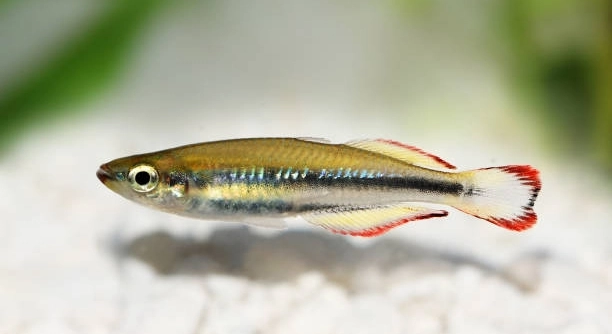
Keeping rainbowfish can seem simple, especially with their bright colors and lively movements. Many people enjoy having them in smaller setups, hoping to bring a bit of beauty and calm into their homes.
Rainbowfish should not be kept in a bowl due to inadequate space, poor water quality, and stress. Proper care requires a well-filtered aquarium with sufficient swimming room, appropriate temperature, and social grouping to maintain their health and natural behavior.
Learning the correct setup will ensure your rainbowfish thrive and display their vibrant colors to the fullest in a safe environment.
Why Bowls Are Not Suitable for Rainbowfish
Many people think a bowl is enough for small, colorful fish, but rainbowfish need space to swim and grow. Bowls are often too small to maintain stable water conditions, which can quickly affect the fish’s health. Without a proper filtration system, waste builds up, leading to toxic ammonia levels. Temperature control is another issue, as bowls heat and cool rapidly, stressing the fish. Rainbowfish are active swimmers that prefer a taller tank with plenty of horizontal and vertical space. A small environment can restrict movement and prevent them from displaying natural behaviors. Social interaction is important too, as they thrive in groups, and a bowl does not provide adequate room for multiple fish. Oxygen levels fluctuate more easily in small containers, making it hard for rainbowfish to breathe comfortably. Overall, a bowl may look decorative, but it cannot meet the physical and behavioral needs of these fish.
A proper tank helps maintain water quality, stable temperature, and enough space for active swimming, which promotes healthier fish.
Using a filtered aquarium also makes cleaning easier and reduces sudden changes that harm rainbowfish. Adding plants, rocks, and hiding spots improves comfort and reduces stress. Regular water testing ensures ammonia, nitrite, and nitrate levels remain safe. Grouping rainbowfish in small schools supports social behavior and natural activity. Bowls limit swimming space and create an unstable environment, making fish more prone to disease. Over time, a proper tank leads to vibrant colors, active fish, and longer lifespans, whereas bowls often cause early illness. By choosing the right setup, caretakers can watch rainbowfish interact, explore, and flourish in a safe, stable habitat that mimics their natural preferences.
Ideal Tank Size and Setup
A tank should be at least 20 gallons for a small group of rainbowfish.
The tank should include a filter, heater, and some decorations for hiding and swimming space. Proper lighting and temperature control keep the fish healthy. Regular water changes prevent toxins from accumulating, ensuring a clean environment. Choosing a tank with a lid prevents jumping. Adding smooth gravel or sand at the bottom allows safe movement. Plants provide shelter and help maintain water quality. Position the tank away from direct sunlight to avoid temperature spikes. A thermometer and test kit help monitor the environment consistently. Spacing decorations thoughtfully avoids overcrowding, letting fish swim freely. Monitoring behavior ensures the fish are comfortable and social.
For a healthy rainbowfish setup, tank size, filtration, temperature, and decorations all matter. Fish thrive in stable water with enough space to swim actively. Grouping rainbowfish in at least five to six individuals allows natural schooling behavior and reduces stress. Decorations should create hiding spots but not block swimming paths. Plants enhance oxygen and reduce nitrate levels naturally. Proper lighting supports plant growth and highlights fish colors without causing excessive algae. Frequent water testing and partial water changes help maintain safe conditions. A heater ensures stable temperature matching their tropical habitat. Smooth substrate prevents injury, and a secure lid keeps fish safe. With these considerations, rainbowfish live longer, stay vibrant, and exhibit natural behaviors. Careful planning of the tank setup makes daily maintenance manageable while keeping fish happy and healthy in an environment suited to their needs.
Feeding Rainbowfish Properly
Rainbowfish need a balanced diet of flakes, pellets, and occasional live or frozen foods. Overfeeding can harm water quality and lead to obesity, so feed small amounts two to three times daily.
Providing variety ensures rainbowfish get all necessary nutrients. High-quality flakes and pellets should be the main diet, supplemented with live or frozen foods like brine shrimp or daphnia for protein. Feeding small portions prevents uneaten food from polluting the tank, maintaining water quality. Fresh vegetables like blanched spinach or zucchini can also be added occasionally to support digestion and overall health. Monitoring feeding habits helps detect stress or illness early, as picky eating or sudden appetite changes can indicate health issues. Consistent feeding routines help rainbowfish thrive and display vibrant colors while maintaining energy for swimming and social interaction.
A well-planned feeding schedule reduces waste buildup, preventing toxic spikes in ammonia and nitrite. It also encourages active swimming, schooling behavior, and natural hunting instincts. By balancing protein and plant-based foods, rainbowfish remain healthy, energetic, and show off their bright colors. Regular observation during feeding allows early detection of any health or environmental problems. Overfeeding, irregular feeding times, or poor-quality foods can quickly affect their well-being. Maintaining proper diet and portion control ensures rainbowfish have long, active lives, supporting their social needs and natural behaviors.
Common Health Concerns
Stress and poor water quality are the main causes of illness in rainbowfish. Maintaining clean water and a stable environment is essential.
Parasites, fungal infections, and bacterial diseases can occur if the tank is overcrowded or poorly maintained. Quarantining new fish before adding them prevents disease introduction. Regular water testing for ammonia, nitrite, and nitrate levels helps catch problems early. Observation of behavior and appearance is crucial; changes in color, swimming patterns, or appetite can indicate illness. Using a proper filtration system and performing partial water changes reduces the risk of disease. A balanced diet strengthens the immune system, helping fish resist infections naturally. Immediate action at the first signs of illness improves recovery chances.
Temperature fluctuations, inadequate oxygen levels, and stress from aggressive tank mates also contribute to health problems. Keeping the tank stable, clean, and well-oxygenated, along with proper feeding, minimizes these risks. Quarantining new additions prevents outbreaks and protects established fish. Monitoring behavior daily allows early detection of subtle health changes. Treating infections promptly and maintaining optimal water conditions improves survival and recovery rates. Stress reduction through proper schooling, hiding spots, and a calm environment is equally important. Attention to tank hygiene, diet, and social conditions creates a sustainable habitat that supports long-term rainbowfish health and reduces vulnerability to common illnesses.
Tank Maintenance Tips
Regular water changes are essential to keep rainbowfish healthy. Replace about 20-25% of the water weekly to remove waste and maintain balance.
Cleaning the substrate, filter, and decorations prevents buildup of harmful bacteria and algae. Avoid harsh chemicals that could harm the fish or plants.
Choosing Compatible Tank Mates
Rainbowfish are peaceful and do well with other non-aggressive species. Avoid fin-nipping or overly territorial fish to prevent stress and injuries. Ensure tank mates thrive in similar water conditions, including temperature, pH, and hardness.
Lighting and Plant Care
Moderate lighting supports plant growth and shows off rainbowfish colors. Too much light can encourage algae, while too little affects plants and fish behavior. Use timers to maintain a consistent day-night cycle for stability.
Water Temperature Control
Rainbowfish thrive in temperatures between 74-78°F. A reliable heater and thermometer help maintain consistency and prevent sudden fluctuations that stress the fish.
FAQ
Can rainbowfish live in a bowl?
Rainbowfish cannot thrive in a bowl. Bowls are too small to maintain stable water conditions, proper oxygen levels, and temperature. They need a well-filtered tank with enough swimming space and room for a small school to display natural behaviors. Stress from cramped conditions can lead to illness.
How many rainbowfish should I keep together?
Rainbowfish are schooling fish, so at least five to six individuals should be kept together. Smaller groups can become stressed, shy, or display abnormal behavior. A proper tank size ensures all fish have enough space to swim and interact naturally while maintaining a stable social hierarchy.
What size tank do rainbowfish need?
A minimum of 20 gallons is recommended for a small group, but larger tanks are better. Taller and wider aquariums provide room to swim, explore, and maintain stable water conditions. Crowded or shallow tanks increase stress, reduce oxygen levels, and shorten the lifespan of rainbowfish.
What should I feed rainbowfish?
Rainbowfish need a varied diet including high-quality flakes or pellets, supplemented with live or frozen foods like brine shrimp or daphnia. Occasional blanched vegetables, like spinach or zucchini, can support digestion. Feeding small amounts two to three times daily prevents leftover food from polluting the tank.
How often should I clean the tank?
Partial water changes of 20-25% weekly help maintain water quality. Cleaning the substrate, decorations, and filter regularly reduces harmful bacteria and algae buildup. Avoid harsh chemicals that could harm the fish or plants. Consistent maintenance keeps rainbowfish healthy and active.
What water temperature is ideal for rainbowfish?
Rainbowfish prefer tropical conditions between 74-78°F. Sudden fluctuations can stress them, affecting behavior and health. A reliable heater and thermometer ensure consistent temperature. Maintaining stable conditions encourages active swimming, natural coloring, and reduces susceptibility to disease.
Can rainbowfish live with other fish?
Rainbowfish are peaceful and do well with other non-aggressive species. Avoid fin-nippers or overly territorial fish. Compatible tank mates should thrive in similar water conditions, including temperature, pH, and hardness. Proper selection reduces stress and supports social behavior in rainbowfish.
How do I know if my rainbowfish is sick?
Signs of illness include changes in color, clamped fins, irregular swimming, or loss of appetite. Stress, poor water quality, and disease can all affect health. Quarantining new fish and monitoring behavior helps catch problems early. Prompt action improves recovery chances.
Why are my rainbowfish not showing vibrant colors?
Dull colors often indicate stress, poor diet, or improper water conditions. High-quality food, a clean and stable tank, proper schooling, and moderate lighting help rainbowfish display their natural colors. Healthy fish in a well-maintained environment are more active and visually vibrant.
Do rainbowfish need plants in the tank?
Plants provide hiding spots, improve oxygen levels, and help maintain water quality. Smooth substrate and well-placed decorations reduce stress and allow natural swimming behavior. Live or artificial plants both support the fish, but live plants also contribute to a balanced ecosystem.
How long do rainbowfish live?
With proper care, rainbowfish can live five to eight years. Stable water conditions, a proper tank setup, a varied diet, and suitable tank mates all contribute to longevity. Stress and poor maintenance significantly reduce their lifespan.
Can I keep rainbowfish in a small tank temporarily?
Temporary housing is only acceptable during short-term treatments or relocation. Long-term small tanks or bowls cause stress, illness, and early death. Even for a few days, monitor water quality and provide hiding spots to minimize stress.
How often should I test the water?
Testing water weekly for ammonia, nitrite, nitrate, and pH helps prevent problems before they become severe. Consistent monitoring allows adjustments to filtration, temperature, or water changes, keeping rainbowfish healthy and active.
Is it necessary to quarantine new rainbowfish?
Quarantining for two to three weeks prevents disease introduction to established fish. Observing new fish for signs of illness before adding them to the main tank reduces the risk of outbreaks and protects the health of the entire school.
Can rainbowfish jump out of the tank?
Rainbowfish can jump, especially if stressed or startled. A secure lid prevents accidents. Providing a calm environment, proper schooling, and hiding spots reduces jumping behavior and keeps fish safe.
What is the best filtration for rainbowfish tanks?
A reliable filter that handles at least twice the tank volume per hour is ideal. It keeps water clean, maintains oxygen levels, and prevents buildup of harmful substances. Regular filter maintenance ensures continuous, effective filtration.
How do I reduce stress in rainbowfish?
Stable water conditions, proper schooling, hiding spots, gentle handling, and compatible tank mates all reduce stress. Minimizing sudden changes in temperature, lighting, or water chemistry supports natural behavior and improves overall health.
Can rainbowfish live alone?
Rainbowfish should not be kept alone. Isolation causes stress, reduced activity, and abnormal behavior. Keeping a small school ensures social interaction, natural swimming patterns, and healthier, happier fish overall.
Are rainbowfish sensitive to water changes?
Yes, sudden or large water changes can stress rainbowfish. Gradual, partial changes are best. Matching temperature and water chemistry to the tank during changes prevents shock and maintains stable living conditions.
How can I encourage breeding in rainbowfish?
Provide a spacious tank with plants or spawning mops, maintain optimal water conditions, and feed a high-protein diet. Healthy, unstressed fish are more likely to breed. Removing adults from the breeding area after eggs are laid improves fry survival.
What common mistakes should I avoid?
Avoid keeping rainbowfish in bowls, overfeeding, poor water maintenance, incompatible tank mates, and sudden environmental changes. Each of these mistakes increases stress, illness, and reduces lifespan, preventing the fish from thriving in captivity.
How do I acclimate rainbowfish to a new tank?
Float the bag in the tank for 15-20 minutes to equalize temperature. Gradually mix small amounts of tank water with the bag water before releasing the fish. This reduces stress and prevents shock, helping rainbowfish adapt safely to their new environment.
Can I use tap water for rainbowfish?
Tap water must be treated with a dechlorinator before use. Chlorine and chloramine are harmful to fish. Testing pH, hardness, and temperature ensures the water is safe and stable for rainbowfish. Properly conditioned tap water supports health and reduces stress.
How do I handle sick rainbowfish?
Remove the affected fish to a quarantine tank for treatment. Maintain optimal water quality, monitor behavior, and follow treatment instructions carefully. Early intervention improves recovery chances and prevents disease spread in the main tank.
What is the ideal pH for rainbowfish?
Rainbowfish thrive in slightly alkaline water, around pH 7.0 to 8.0. Sudden fluctuations can stress fish, so gradual adjustments and consistent monitoring are essential. Proper pH supports health, coloration, and natural behavior.
Can rainbowfish tolerate soft water?
Rainbowfish prefer moderately hard water. Soft water can affect health, coloration, and breeding. Using a water conditioner or blending with mineral-rich water helps maintain appropriate hardness and mimics their natural habitat.
How important is lighting for rainbowfish?
Lighting highlights colors, supports plant growth, and regulates activity. Too much light encourages algae, while too little affects fish behavior. Timers maintain a consistent day-night cycle, promoting stable living conditions and reducing stress.
What signs indicate overcrowding?
Overcrowding causes stress, aggression, fin damage, and poor growth. Fish may hide excessively or compete for food. Ensuring adequate space, proper tank size, and careful stocking reduces stress and promotes natural behavior.
How often should I trim plants in the tank?
Regular trimming prevents overgrowth, maintains water flow, and reduces debris accumulation. Healthy plants improve oxygen levels, provide hiding spots, and support natural swimming behavior. Consistent plant care also keeps the tank visually appealing and functional for rainbowfish.
Are rainbowfish sensitive to chemicals?
Yes, they are sensitive to detergents, pesticides, and other chemicals. Even small amounts in water can be harmful. Always wash hands before tank maintenance and avoid using untreated water or substances near the aquarium.
Can rainbowfish live in a cold room?
No, they are tropical fish and require consistent warmth. Temperatures below 74°F can stress them, reduce appetite, and make them vulnerable to disease. A heater ensures a stable environment for optimal health and activity.
Do rainbowfish need a varied diet?
Yes, variety prevents nutrient deficiencies, supports coloration, and boosts immunity. Combining flakes, pellets, live or frozen foods, and occasional vegetables ensures balanced nutrition and encourages natural feeding behaviors.
How long should lights be on in a rainbowfish tank?
Approximately 10-12 hours daily provides a consistent day-night cycle. Using a timer helps maintain stability, supports plant growth, and highlights fish colors without encouraging excessive algae.
What is the best substrate for rainbowfish?
Smooth gravel or sand prevents injury, supports plants, and allows safe swimming. Avoid sharp or rough substrates that can damage fins or stress the fish. Proper substrate improves tank aesthetics and functionality.
Do rainbowfish need hiding spots?
Yes, hiding spots reduce stress and provide security. Plants, rocks, and decorations create a comfortable environment, allowing natural exploration, resting, and social interactions. A well-structured tank promotes healthy behavior and reduces aggression.
How do I prevent algae buildup?
Maintain a proper light cycle, avoid overfeeding, and perform regular water changes. Live plants compete with algae for nutrients, reducing growth. A clean tank supports fish health and keeps the environment visually appealing.
Are rainbowfish suitable for beginners?
Yes, if proper tank setup, maintenance, and care are followed. They require a stable, filtered aquarium, suitable tank mates, a varied diet, and consistent observation to thrive. Beginners who prepare adequately can successfully keep rainbowfish.
Can rainbowfish live with shrimp or snails?
Generally, yes. Peaceful shrimp and snails do well with rainbowfish, contributing to tank cleanliness. Ensure compatibility and sufficient space to prevent accidental predation or stress for smaller invertebrates.
How do I treat fin rot in rainbowfish?
Fin rot occurs from poor water quality or bacterial infection. Improve water conditions, isolate affected fish, and use appropriate antibacterial treatments. Prompt action prevents spread and promotes fin regeneration.
What is the recommended water hardness for rainbowfish?
Moderately hard water, 10-20 dGH, supports health, coloration, and reproduction. Testing and adjusting hardness ensures stable conditions similar to natural habitats. Sudden changes can stress fish and reduce immunity.
How can I reduce aggression in a rainbowfish tank?
Provide ample space, hiding spots, and maintain proper schooling. Avoid aggressive or territorial species. A balanced environment encourages peaceful interactions and natural behavior.
Can rainbowfish tolerate low oxygen levels?
No, low oxygen causes stress, lethargy, and illness. Aeration, live plants, and proper filtration help maintain oxygen levels, ensuring active and healthy fish.
What is the best water change routine?
Partial water changes of 20-25% weekly maintain water quality and reduce toxins. More frequent changes may be necessary for heavily stocked tanks or if water quality declines. Consistency supports stable living conditions and fish health.
How do I prevent disease outbreaks?
Quarantine new fish, maintain water quality, avoid overcrowding, and monitor behavior. Proper diet, clean tanks, and a stable environment reduce stress and vulnerability to infections.
Can rainbowfish live in brackish water?
No, they prefer freshwater. Exposure to brackish or saltwater stresses the fish, affects osmoregulation, and can lead to illness or death. Freshwater with stable parameters is essential.
How do I acclimate rainbowfish to different water conditions?
Gradually introduce tank water into the transport bag over 30-60 minutes, allowing the fish to adjust to temperature, pH, and hardness. Slow acclimation reduces stress and prevents shock.
Is it normal for rainbowfish to hide frequently?
Occasional hiding is normal, especially after being introduced to a new tank. Excessive hiding may indicate stress, poor water quality, or aggression from tank mates, requiring adjustment to the environment.
How do I encourage natural swimming patterns?
Provide enough open space, smooth substrate, and schooling companions. Avoid overcrowding and abrupt changes. Decorations and plants should create a safe, stimulating environment without restricting movement.
Can rainbowfish live with bettas?
It is not recommended. Bettas can be aggressive, especially males, causing stress or injury. Peaceful community fish are better choices to maintain a calm environment for rainbowfish.
What are signs of overfeeding?
Uneaten food, cloudy water, obesity, and poor water quality indicate overfeeding. Feed small amounts two to three times daily and remove leftovers promptly to maintain a healthy tank environment.
How can I prevent jumping during maintenance?
Handle fish gently, perform changes slowly, and keep the water level consistent. Use a secure lid and reduce disturbances to prevent rainbowfish from leaping out of the tank.
Do rainbowfish need a specific water flow?
Moderate flow is ideal. Strong currents can stress them, while stagnant water reduces oxygen and encourages algae. Adjust filtration output to provide gentle movement supporting natural swimming behavior.
Are rainbowfish compatible with goldfish?
No, goldfish prefer cooler water and produce more waste, which can harm rainbowfish. Differences in water requirements make them unsuitable tank mates.
How often should I feed live food?
Once or twice a week is sufficient. Live food supplements protein intake and stimulates natural hunting behavior, but should not replace staple flakes or pellets.
Can rainbowfish tolerate fluctuations in pH?
Frequent or sudden pH changes stress fish, affecting health and coloration. Gradual adjustments and stable monitoring are essential for long-term well-being.
Do rainbowfish need water softeners?
Only if tap water is extremely hard. Moderate hardness is preferred. Conditioning water ensures appropriate mineral levels without stressing the fish.
How can I encourage breeding naturally?
Maintain optimal temperature, stable water, proper diet, plants or spawning mops, and healthy schooling groups. Reducing stress and ensuring privacy for spawning increases success.
What is the best method to transport rainbowfish?
Use a well-aerated bag, avoid extreme temperatures, and minimize handling. Acclimate slowly to the new tank to prevent stress and shock.
Can rainbowfish live in a filtered bowl?
Even with a filter, bowls are generally too small. Limited swimming space and unstable water conditions prevent long-term health. A proper aquarium is necessary for thriving rainbowfish.
Are rainbowfish hardy fish?
They are moderately hardy if cared for properly. Stable water, proper diet, schooling, and clean tanks help them adapt and thrive in captivity.
Do rainbowfish recognize owners?
Rainbowfish can become familiar with daily routines and presence, often swimming actively when people approach. Recognition is linked to feeding patterns and consistent interaction rather than true attachment.
Can I keep different rainbowfish species together?
Most peaceful species can coexist, but monitor for size differences and compatibility. Avoid aggressive or fin-nipping species to prevent stress and injuries.
How do I reduce algae naturally?
Moderate lighting, proper feeding, live plants, and regular water changes reduce algae growth without chemicals. Consistent care keeps the tank clean and fish healthy.
What water parameters should I monitor daily?
Temperature, ammonia, nitrite, and nitrate levels should be checked consistently. Observing fish behavior also helps detect subtle changes in water quality early.
Do rainbowfish need a specific tank shape?
Wider and taller tanks are better for swimming and natural schooling. Shallow or narrow tanks limit movement and increase stress, reducing health and color vibrancy.
Can rainbowfish live with tetras?
Yes, small peaceful tetras make good tank mates. Ensure compatible water parameters and enough space to prevent stress and territorial disputes.
How do I handle sudden fish deaths?
Remove the fish immediately, test water parameters, and observe others for illness. Investigate possible causes to prevent further losses.
Are rainbowfish sensitive to light intensity?
Yes, too bright or harsh lighting can stress them. Moderate, consistent lighting highlights colors without encouraging excessive algae growth.
How can I identify male and female rainbowfish?
Males are usually more colorful and slightly larger, while females are paler with rounder bodies. Differences become more apparent during breeding season.
Do rainbowfish need a quarantine tank for illness?
Yes, isolating sick fish prevents disease spread and allows focused treatment. A small quarantine tank with stable conditions improves recovery chances.
Can rainbowfish survive in unheated tanks?
No, cold water slows metabolism, reduces immunity, and can cause death. A heater is essential for maintaining tropical conditions.
How do I prevent nitrite poisoning?
Regular water changes, proper filtration, and avoiding overfeeding prevent nitrite buildup. Testing water frequently ensures a safe environment for rainbowfish.
Is it normal for rainbowfish to school tightly?
Yes, schooling provides security and reduces stress. Tight schooling often occurs when fish are new to the tank or sensing minor disturbances.
Can rainbowfish tolerate fluctuating light cycles?
Inconsistent lighting can stress fish, affecting behavior and health. Timers help maintain a stable day-night cycle, promoting natural activity and color vibrancy.
How do I encourage rainbowfish to explore the tank?
Provide open swimming areas, moderate flow, hiding spots, and a proper school. Reducing sudden changes or disturbances encourages natural exploration.
Are rainbowfish sensitive to ammonia?
Yes, even low ammonia levels harm gills and overall health. Maintaining stable water and regular testing prevents toxic buildup and promotes longevity.
Can rainbowfish live with catfish?
Peaceful small catfish, like Corydoras, are compatible. Ensure tank size and water parameters match the needs of all species to prevent stress.
How do I prevent fin damage?
Avoid sharp decorations, aggressive tank mates, and overcrowding. Proper schooling and gentle handling reduce the risk of injury to fins.
What is the best water filtration method?
A reliable external or internal filter that circulates water multiple times per hour removes waste, maintains oxygen levels, and stabilizes water quality, supporting healthy rainbowfish.
Do rainbowfish require supplemental aeration?
Aeration helps maintain oxygen levels, especially in warmer water or heavily stocked tanks. Bubblers or well-placed filter outputs enhance water circulation for optimal health.
Can rainbowfish live with guppies?
Yes, small peaceful guppies generally coexist well. Ensure adequate space and compatible water parameters to prevent stress and competition for food.
How do I treat ich in rainbowfish?
Increase water temperature slightly, isolate affected fish, and use a recommended ich treatment. Maintain stable water conditions and observe recovery carefully.
**
Keeping rainbowfish can be a rewarding experience, but it requires careful planning and proper care. They are active, colorful fish that need more than a small bowl to thrive. A well-maintained tank with enough space, stable water conditions, and appropriate filtration is essential for their health. Rainbowfish also need a social environment, so keeping a small group is important to encourage natural schooling behavior. By providing the right setup, you ensure that the fish can swim freely, display their vibrant colors, and maintain a healthy, stress-free life. Even simple elements like hiding spots, smooth substrate, and moderate lighting can make a significant difference in their well-being. Taking the time to research their needs before introducing them to your home will save a lot of stress for both you and the fish.
Feeding rainbowfish a varied and balanced diet is another key factor in their care. High-quality flakes and pellets should form the base of their diet, supplemented with occasional live or frozen foods like brine shrimp or daphnia. Blanched vegetables can also be added occasionally to support digestion and overall health. Overfeeding should be avoided, as leftover food can quickly affect water quality and stress the fish. Maintaining a regular feeding schedule helps rainbowfish stay active, healthy, and vibrant. Observation during feeding is useful, as changes in appetite can indicate health issues or stress in the tank. Small adjustments to diet or feeding routines can go a long way in supporting their long-term health. A balanced diet also contributes to brighter coloration and more energetic behavior, which makes them more enjoyable to watch.
Proper maintenance and monitoring of the tank environment are critical for long-term success. Water changes, filtration upkeep, and testing for parameters like ammonia, nitrite, nitrate, pH, and temperature all ensure a stable and safe environment. Stress from overcrowding, sudden changes, or poor water quality can lead to illness and reduce the lifespan of the fish. Compatible tank mates, adequate swimming space, and careful observation help maintain a peaceful and healthy community. Providing plants, decorations, and a secure lid also adds to their comfort and safety. By maintaining consistent care, rainbowfish can live longer, display their natural behaviors, and thrive in a stable environment. With attention to their needs, keeping rainbowfish can be a fulfilling and manageable part of home aquatics, offering both visual enjoyment and the satisfaction of supporting their health and happiness.

Hello,
If you enjoy the content that we create, please consider saying a "Thank You!" by leaving a tip.
Every little bit helps us continue crafting quality advice that supports the health, happiness, and well-being of pets around the world, for pets of all shapes, sizes, and species.
We really appreciate the kindness and support that you show us!