
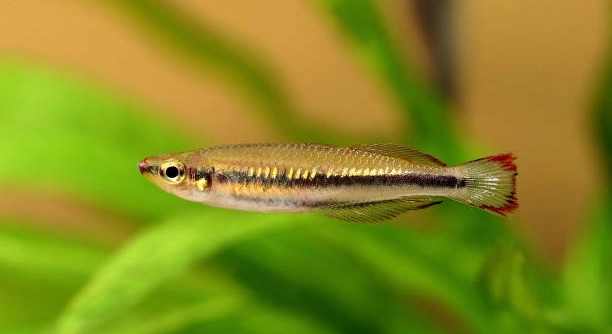
Rainbowfish are small, colorful freshwater fish that bring life to any aquarium. Their vivid colors and active swimming patterns make them popular among fish enthusiasts who want a lively and engaging tank environment.
Rainbowfish display comfort through consistent swimming, vibrant coloration, and healthy appetite. Calm interactions with tank mates, regular exploration of their environment, and absence of stress behaviors indicate that these fish are thriving in their current conditions.
Observing these signals can help ensure a happy and healthy aquarium. Simple adjustments often make a big difference in their overall well-being.
Signs of a Comfortable Rainbowfish
Rainbowfish that feel at ease show several clear behaviors. They swim steadily throughout the tank without darting or hiding, and they interact calmly with other fish. Their fins remain open and unfrayed, and their scales display bright, even colors. Eating regularly is another good indicator of comfort, as stressed fish often lose interest in food. These fish explore their environment, moving between plants, decorations, and open water without fear. They may hover near the middle or top of the tank, signaling that they feel safe. Resting periods are also noticeable; comfortable rainbowfish pause calmly rather than staying hidden. Social behavior is consistent, with schooling or swimming together in pairs. Avoiding aggression or chasing other fish excessively is a positive sign. Observing these behaviors over time allows you to understand their habits and maintain a supportive environment that keeps them healthy, active, and vibrant in your aquarium.
Observing swimming patterns is key, as erratic movements often indicate stress or discomfort.
Maintaining comfort involves more than watching behavior. Tank size, water quality, and hiding spots all influence their well-being. Regularly checking water parameters, such as temperature, pH, and cleanliness, supports their health. Providing a balanced diet ensures strong coloration and energy. Plants, rocks, or ornaments offer shelter, reducing stress from bright lights or open spaces. Consistent feeding schedules create routine, making fish feel secure. Avoid sudden changes in the tank, such as abrupt water changes or new aggressive fish, as these can unsettle rainbowfish. Adjusting conditions gradually allows them to adapt without fear. Social dynamics matter too; rainbowfish often thrive in small groups, promoting natural schooling behavior. Monitoring their interactions helps prevent bullying or isolation, ensuring every fish remains comfortable. Regular observation, combined with proper tank management, keeps rainbowfish healthy, colorful, and active, reinforcing an environment where they can flourish safely and visibly.
Common Signs of Discomfort
Rapid gill movement, clamped fins, or hiding frequently are common signs of stress in rainbowfish.
Stress can result from poor water conditions, overcrowding, or sudden environmental changes. Temperature fluctuations or incompatible tank mates often trigger these responses. Continuous observation helps detect early signs, allowing corrective action before serious health issues occur.
Overcrowding often leads to aggressive behavior, reducing space for swimming and schooling. Inadequate filtration or infrequent water changes can cause ammonia or nitrate levels to rise, directly affecting their health. Sudden additions of new fish or rearranged tank decorations may frighten rainbowfish, causing them to hide or swim erratically. Improper diet, such as inconsistent feeding or low-quality food, can weaken immune systems, making fish more sensitive to stressors. Even bright lighting without sufficient shaded areas may contribute to discomfort, as rainbowfish prefer some sheltered spaces. Behavioral changes, like loss of color, refusal to eat, or lethargy, signal that environmental adjustments are needed. Monitoring water parameters and observing social interactions helps identify stress early. Simple changes, like providing more hiding spots, reducing overcrowding, or maintaining a stable diet, can quickly restore comfort and support healthy, active fish.
Tank Setup and Environment
Providing proper space and hiding spots is essential. Rainbowfish need enough room to swim freely and feel secure among plants or decorations. Overcrowding can stress them and reduce their natural schooling behavior.
Choosing the right tank size and layout ensures their comfort. A tank of at least 30 gallons is ideal for a small group. Add live or artificial plants, rocks, and gentle current to mimic their natural environment. Proper lighting helps display their colors but avoid overly bright or harsh lights. Substrate choice also matters; fine gravel or sand prevents injury while supporting plant growth. Ensuring the tank is stable and free of sharp edges reduces risk of stress or damage to fins. Consistent water temperature and pH maintenance further support their well-being, creating a safe and visually appealing habitat where rainbowfish can thrive naturally and display healthy behavior.
Placement of decorations should allow open swimming areas while providing shaded hiding spots. Varying heights of plants and rocks encourages exploration and prevents boredom.
Water Quality and Maintenance
Regular water checks keep rainbowfish healthy. Monitoring pH, temperature, and nitrate levels prevents stress and illness. Consistent maintenance ensures a stable environment.
Keeping water clean and balanced is critical for comfort. Perform partial water changes of about 20–25% weekly to remove waste and prevent toxic buildup. Use a reliable filter to maintain circulation and oxygenation, adjusting flow if it is too strong. Test water parameters frequently, focusing on pH between 6.5 and 7.5 and temperature around 75–82°F. Avoid sudden changes, as rainbowfish are sensitive to rapid shifts. Proper cleaning of substrate, plants, and decorations removes debris without disturbing the ecosystem. A stable, well-maintained environment allows rainbowfish to display natural swimming patterns, vibrant colors, and regular feeding behavior. Observing changes in behavior after maintenance helps ensure adjustments are effective.
Overfeeding can harm water quality, so provide balanced portions. Feeding two times a day with varied diet supports health and reduces waste accumulation in the tank.
Social Behavior and Interaction
Rainbowfish are social creatures and feel more secure in small groups. Observing schooling behavior indicates comfort, while isolation or constant chasing shows stress.
Peaceful interactions with other fish contribute to their well-being. Avoid aggressive tank mates, as they can intimidate rainbowfish and disrupt natural behavior.
Feeding Habits
Consistent eating patterns reflect comfort. Rainbowfish that eagerly accept food at scheduled times are generally healthy and unstressed. Offer a mix of flakes, pellets, and occasional live or frozen foods to maintain balanced nutrition. Regular feeding routines reinforce a sense of security and predictability in their environment.
Observing Coloration
Bright and even coloration signals comfort. Dull or faded colors may indicate stress, illness, or poor water conditions. Regularly monitoring their appearance helps identify potential issues early, allowing for timely adjustments to diet, environment, or tank conditions to restore their natural vibrancy.
Activity Levels
Active swimming throughout the tank reflects good health. Lethargy or hiding often points to discomfort or unsuitable conditions. Maintaining proper tank setup and monitoring behavior ensures rainbowfish remain lively and engaged with their surroundings.
FAQ
How can I tell if my rainbowfish is happy in the tank?
A happy rainbowfish swims steadily, displays bright colors, and eats regularly. They interact calmly with other fish and explore the tank without hiding. Open fins, smooth scales, and consistent schooling are all signs that your rainbowfish is comfortable and thriving in its environment.
Why is my rainbowfish hiding all the time?
Frequent hiding often indicates stress, poor water quality, or aggressive tank mates. Check water parameters, ensure enough space, and provide hiding spots. Also, review the tank’s social dynamics, as overcrowding or incompatible species can make rainbowfish feel unsafe and encourage prolonged hiding behavior.
What does clamped fins mean?
Clamped fins, when fins stay close to the body, often signal discomfort or illness. It can be caused by poor water quality, sudden environmental changes, or disease. Regular observation and maintaining clean, stable water conditions usually resolve this issue and help rainbowfish return to normal behavior.
How often should I feed rainbowfish?
Rainbowfish should be fed two times a day with small portions. Offer a varied diet, including flakes, pellets, and occasional live or frozen food. Overfeeding can harm water quality, while underfeeding may affect their health and coloration. Consistency in feeding helps them feel secure and healthy.
Why are my rainbowfish losing color?
Faded colors can indicate stress, poor nutrition, illness, or suboptimal water conditions. Ensure they are receiving a balanced diet and maintain clean, stable water parameters. Bright lighting and sufficient space also influence coloration, allowing rainbowfish to display their natural vibrant hues.
Can rainbowfish live alone?
Rainbowfish are social fish and thrive in groups. Keeping them alone may cause stress or abnormal behavior. A small school of at least five or six is recommended to support natural swimming patterns, reduce anxiety, and encourage healthy social interaction among tank mates.
What temperature is best for rainbowfish?
Rainbowfish prefer temperatures between 75–82°F (24–28°C). Sudden changes or prolonged exposure outside this range can cause stress or illness. Using a reliable heater and thermometer ensures a stable environment, which supports healthy swimming behavior, appetite, and coloration.
How do I prevent aggression in the tank?
Avoid overcrowding and aggressive tank mates. Providing hiding spots, open swimming areas, and consistent feeding routines reduces stress and territorial disputes. Monitor interactions regularly, separating any fish that consistently bully others to maintain a peaceful and comfortable environment for all rainbowfish.
How often should I test water quality?
Test water at least once a week for pH, ammonia, nitrite, nitrate, and temperature. Maintaining clean, stable water prevents stress, supports health, and ensures rainbowfish display normal behavior. Prompt adjustments after testing prevent long-term health issues.
What are signs of stress in rainbowfish?
Stress signs include clamped fins, faded colors, erratic swimming, hiding, loss of appetite, or lethargy. Identifying these early allows corrective action, such as adjusting water conditions, improving tank setup, or reducing stress from aggressive fish, helping rainbowfish return to comfort and normal behavior.
Can I keep rainbowfish with other species?
Yes, but choose peaceful, similarly sized species. Aggressive or territorial fish can intimidate rainbowfish and disrupt schooling. Monitor social interactions, and provide enough space and hiding spots to minimize stress and support comfortable coexistence.
How do I know if my rainbowfish is sick?
Signs include faded colors, clamped fins, lethargy, abnormal swimming, or loss of appetite. Regular observation, maintaining water quality, and a balanced diet help prevent illness. Early detection allows timely treatment and increases the chances of full recovery.
Do rainbowfish need plants in their tank?
Plants provide hiding spots, reduce stress, and help maintain water quality. Both live and artificial plants work, but live plants improve oxygen levels and create a more natural environment. Sufficient plant coverage encourages natural exploration and schooling behavior.
How long do rainbowfish typically live?
Rainbowfish can live 5–8 years with proper care. Maintaining clean water, a balanced diet, appropriate tank size, and stable conditions supports long-term health and comfort, ensuring they remain active, colorful, and happy throughout their lifespan.
What is the ideal tank size for rainbowfish?
A minimum of 30 gallons is recommended for a small group of rainbowfish. Larger tanks allow free swimming, reduce stress, and support natural schooling. Proper decoration, hiding spots, and open space help create a comfortable environment that meets their behavioral needs.
Can stress affect rainbowfish coloration?
Yes, stress often leads to faded or dull colors. Causes include poor water quality, overcrowding, aggressive tank mates, or sudden environmental changes. Reducing stress by maintaining stable water parameters and providing appropriate space and social conditions restores natural coloration over time.
How do I encourage schooling behavior?
Keep rainbowfish in groups of at least five or six. Provide open swimming space and avoid aggressive fish. Consistent feeding and a stable environment help them feel safe, promoting natural schooling behavior that indicates comfort and well-being.
Are rainbowfish sensitive to light changes?
Sudden changes in light intensity can stress rainbowfish. Gradual adjustments and shaded areas prevent discomfort. Proper lighting highlights their colors while maintaining a calm and secure environment that encourages regular activity and exploration.
What should I do if a rainbowfish becomes lethargic?
Check water parameters, tank mates, and diet. Lethargy may indicate stress, illness, or poor conditions. Adjust the environment gradually, ensure balanced feeding, and isolate the fish if necessary. Observing behavior closely helps restore activity and comfort.
How can I prevent disease in rainbowfish?
Maintain clean, stable water, provide a balanced diet, avoid overcrowding, and monitor fish regularly. Quarantine new fish before introduction to prevent transmission. Healthy tank conditions reduce stress, which in turn strengthens their immune system and prevents illness.
Can rainbowfish adapt to new tank setups?
Yes, but gradually. Sudden changes can cause stress, so adjust water parameters, decorations, and lighting slowly. Monitoring their behavior ensures they remain comfortable and adapt successfully to new conditions.
What role does diet play in rainbowfish comfort?
A varied diet supports vibrant colors, energy, and overall health. Feeding flakes, pellets, and occasional live or frozen food prevents deficiencies and keeps rainbowfish active. Regular feeding routines also provide a sense of security and stability.
How often should I clean the tank?
Partial water changes of 20–25% weekly keep water clean and parameters stable. Cleaning decorations and substrate regularly removes debris while preserving beneficial bacteria. Consistent maintenance prevents stress and supports natural behavior and coloration.
Do rainbowfish need companions of the same species?
Yes, they thrive in small groups. Companions reduce stress, encourage schooling, and promote natural swimming patterns. Isolation can lead to boredom, anxiety, and unhealthy behaviors.
How can I tell if my rainbowfish feels safe?
Signs include steady swimming, bright coloration, regular eating, and calm interactions with tank mates. Comfortable fish explore the tank confidently and rest without hiding. Observing these behaviors over time confirms their sense of safety.
What are effective ways to reduce stress in rainbowfish?
Provide adequate space, hiding spots, compatible tank mates, stable water parameters, and consistent feeding routines. Avoid sudden environmental changes and monitor behavior regularly. Reducing stress supports health, coloration, and normal activity levels.
Can temperature swings harm rainbowfish?
Yes, rapid or extreme temperature changes can cause stress, illness, or death. Maintaining consistent water temperature within their preferred range is essential for comfort and long-term health.
Final Thoughts
Rainbowfish are lively and colorful additions to any aquarium, but ensuring their comfort requires careful attention to their needs. Observing their behavior is the first step to understanding how they feel in their environment. Comfortable rainbowfish swim steadily, explore the tank, and interact calmly with other fish. They display bright colors, open fins, and regular feeding habits, which all indicate good health and a sense of security. Paying attention to these subtle cues allows you to respond to any changes in their behavior before stress or illness develops. Over time, recognizing what is normal for your specific fish will make it easier to notice early signs of discomfort or potential problems.
Providing the right environment is crucial for rainbowfish to thrive. Tank size, water quality, hiding spots, and lighting all contribute to their overall comfort. A minimum of 30 gallons is recommended for small groups to allow enough swimming space. Adding live or artificial plants, rocks, and decorations helps create a natural habitat and provides shelter from bright light or aggressive tank mates. Stable water parameters, including temperature, pH, and nitrate levels, support their health and prevent stress. Regular water changes, proper filtration, and consistent monitoring are essential for maintaining a safe and comfortable environment. The way you set up and maintain the tank directly affects their behavior, coloration, and activity levels, so attention to detail is important for their well-being.
Feeding habits, social interactions, and overall care also play key roles in ensuring comfort. Rainbowfish benefit from a balanced diet that includes flakes, pellets, and occasional live or frozen foods. Consistent feeding schedules help them feel secure and support healthy growth and coloration. They are social fish, thriving in groups, so keeping at least five or six together encourages natural schooling behavior and reduces stress. Observing interactions between tank mates helps prevent aggression and ensures all fish are comfortable. Regular observation combined with proper care, feeding, and tank management creates an environment where rainbowfish can display their natural behaviors, remain healthy, and live a long, active life. By focusing on these areas, you can support their well-being and enjoy the vibrancy and movement they bring to the aquarium.

Hello,
If you enjoy the content that we create, please consider saying a "Thank You!" by leaving a tip.
Every little bit helps us continue crafting quality advice that supports the health, happiness, and well-being of pets around the world, for pets of all shapes, sizes, and species.
We really appreciate the kindness and support that you show us!